Cleveland Museum of Art
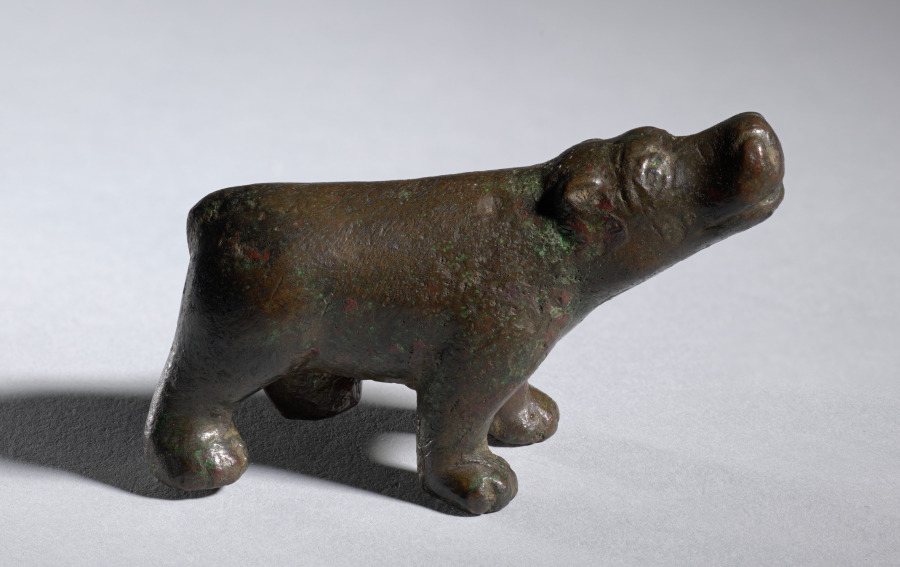
Hippopotamus
- Date
- 332 BCE–395 CE
- Medium
- bronze, solid cast
- Culture
- Italy, Rome, Greco-Roman Period
- Department
- Greek and Roman Art
- Institution
- Cleveland Museum of Art
This hippopotamus steps forward with its rear left leg lifted off the ground and its head arched upwards. The hippopotamus was a Nilotic animal associated with Egypt and the Nile River that was brought to Rome and put on display in the Colosseum as part of venationes , or wild beast hunts. The rise of “Egyptomania” in the Roman Empire surged under the emperor Hadrian (reigned AD 117–38). Extant Egyptian examples of hippopotamus figurines are less animated and made of materials such as stone or pottery rather than bronze, making the pose and materiality of this object distinctly Greco-Roman. The word hippopotamus is a Greek compound word combining “horse” ( hippos ) and “river” ( potamos ).
The authoritative record is held by Cleveland Museum of Art. LinkedCulture surfaces this object and its connections; it does not alter institutional metadata.
Related across collections
Semantically similar works from Cleveland Museum of Art and other institutions.
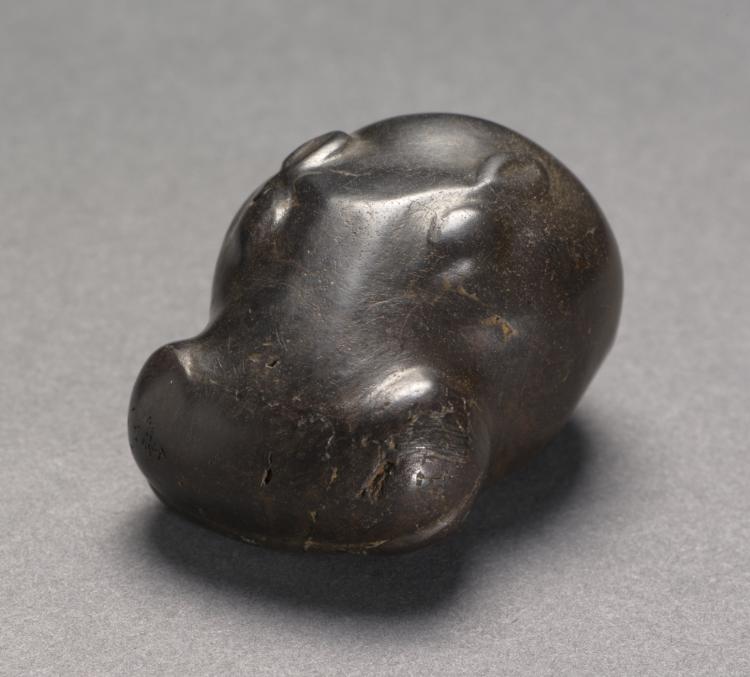
Weight in the Form of a Hippopotamus Head
Cleveland Museum of Art
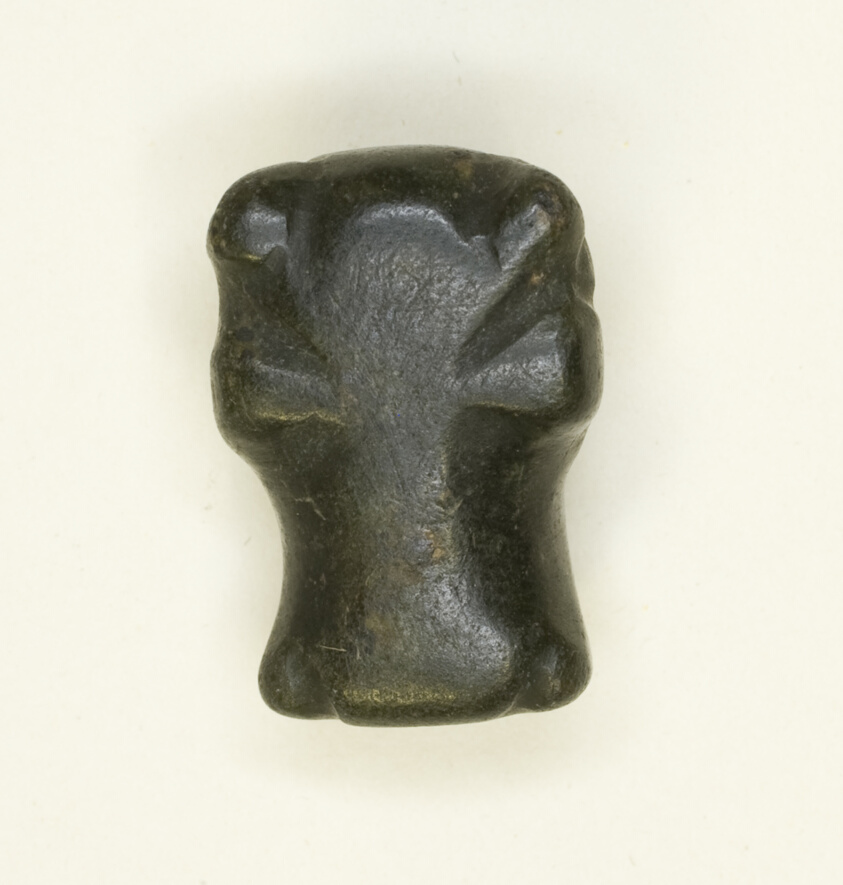
Amulet of a Hippopotamus Head
Art Institute of Chicago
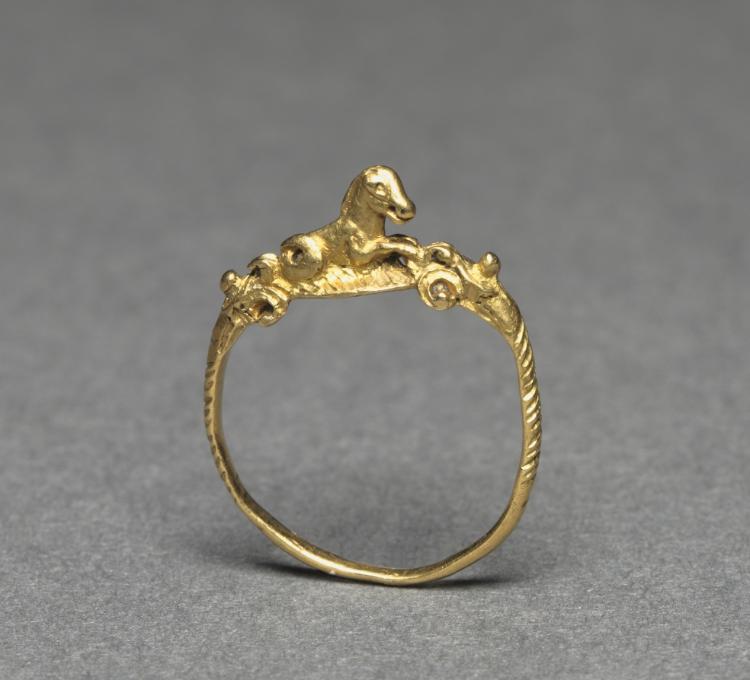
Ring with Hippocampus
Cleveland Museum of Art
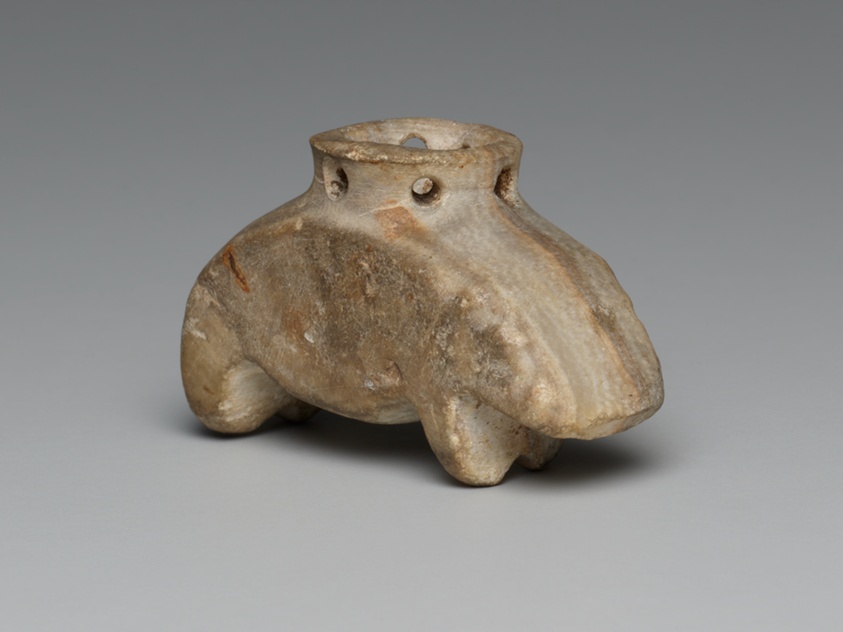
Amulet of a Hippopotamus
Art Institute of Chicago
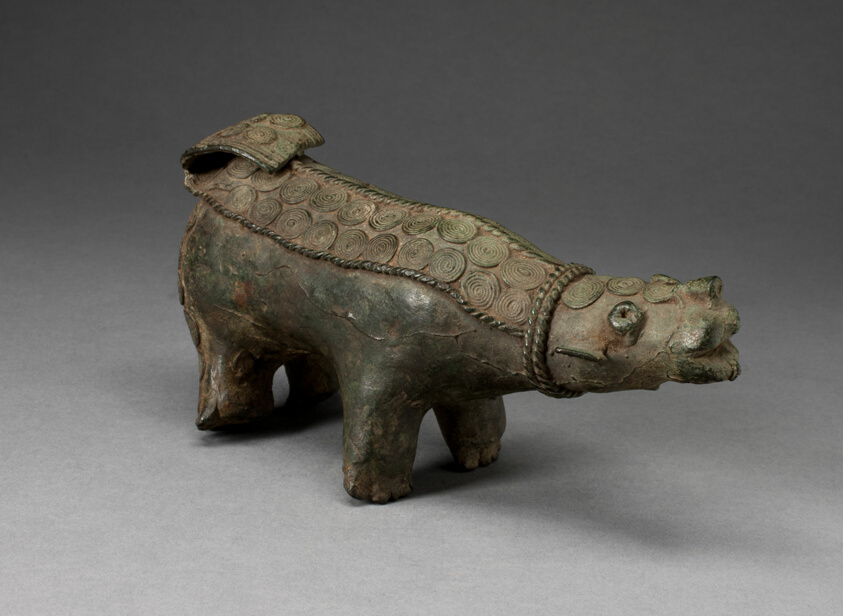
Hippopotamus
Art Institute of Chicago
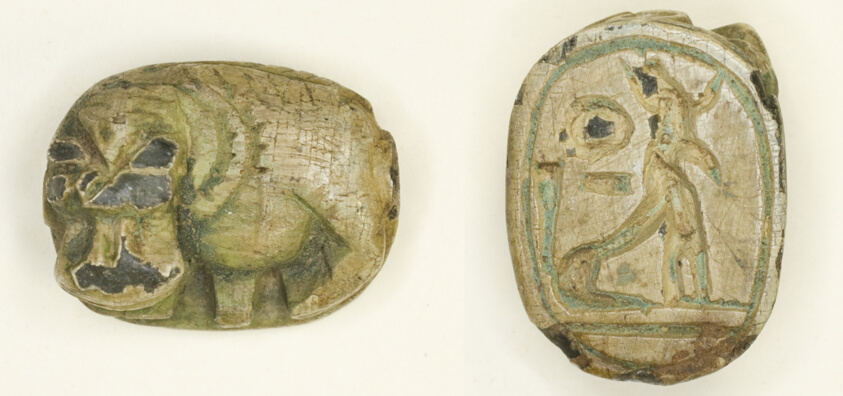
Scaraboid: Hippopotamus
Art Institute of Chicago
The Death of Hippolytus or Fall of Phaeton
Cleveland Museum of Art
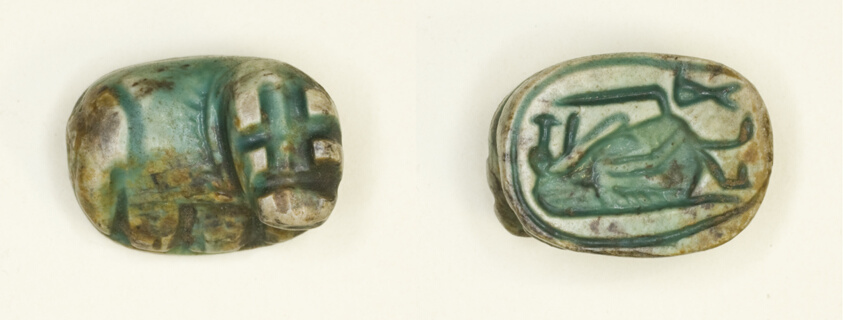
Scaraboid in the Form of a Hippopotamus
Art Institute of Chicago
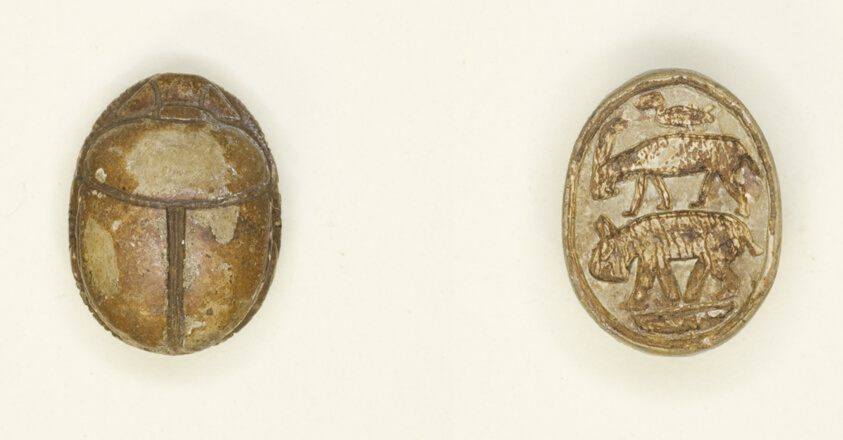
Scarab: Animal Motifs (Bird, Antelope, Hippopotamus)
Art Institute of Chicago
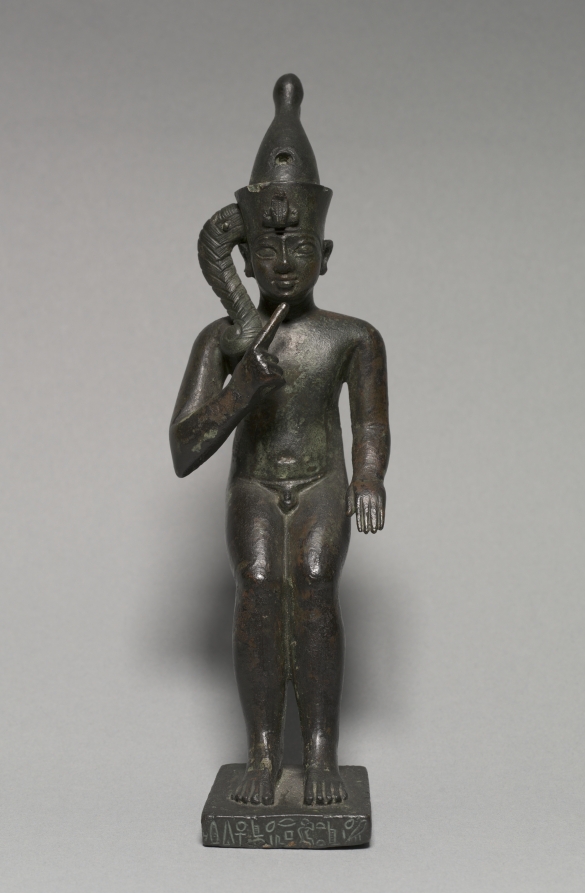
Statuette of Harpocrates
Cleveland Museum of Art

Striding figure
Minneapolis Institute of Art
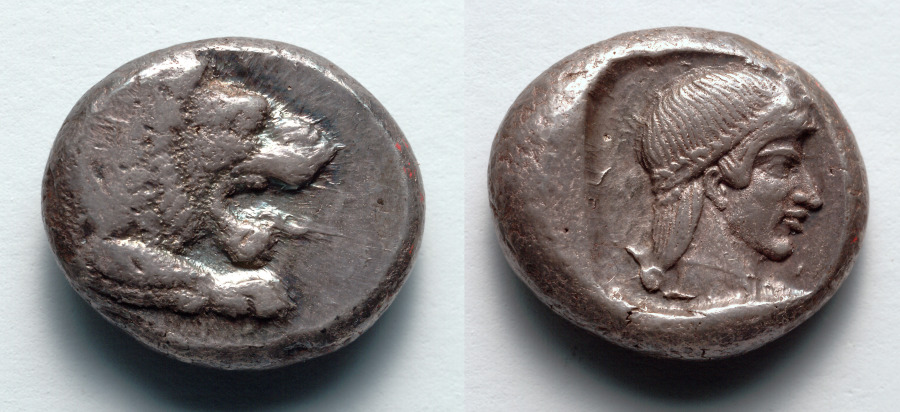
Drachm: Forepart of Lion (obverse); Head of Aphrodite (reverse)
Cleveland Museum of Art