Cleveland Museum of Art
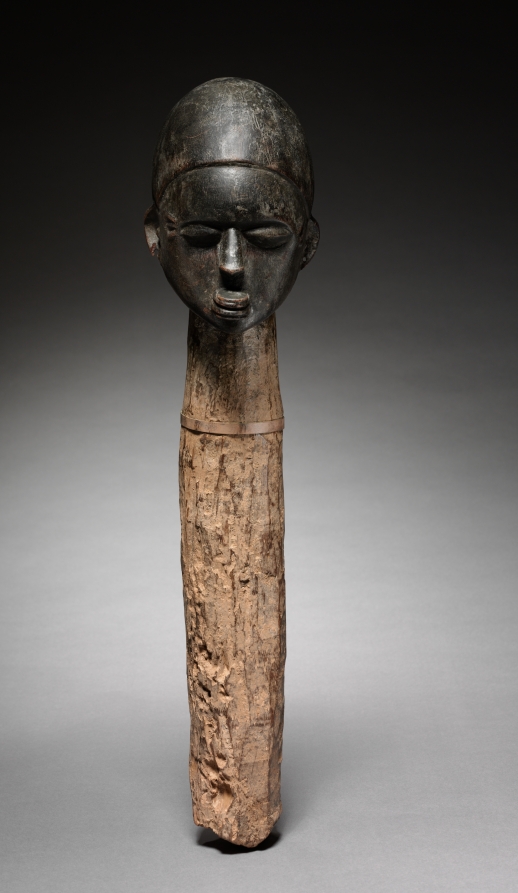
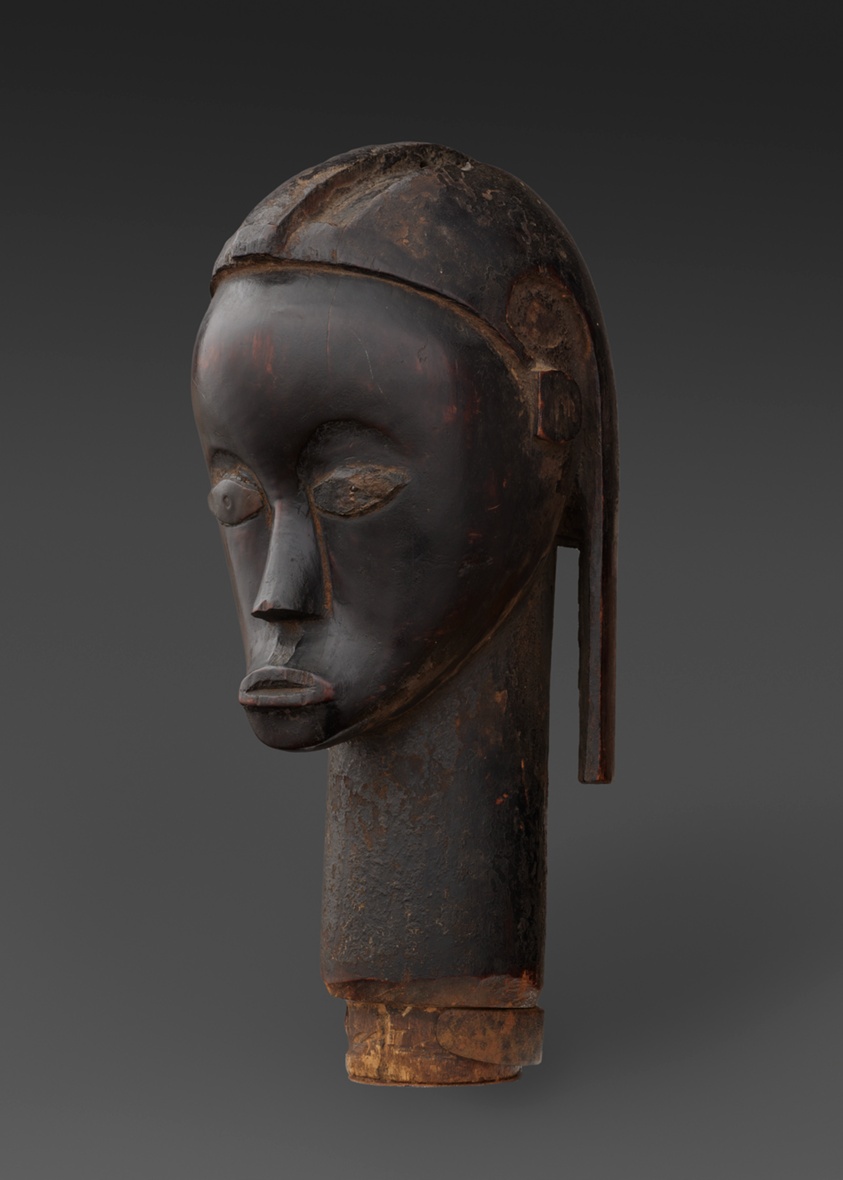
Figure (baàthíl)
- Date
- c. 1900
- Medium
- Wood and organic materials
- Culture
- Burkina Faso, Ghana, or Côte d’Ivoire, Lobi–style artist
- Department
- African Art
- Institution
- Cleveland Museum of Art
This headpost ( baàthíl ) was likely a temporary sanctuary for khélé , a harmful spirit released after killing a person or dangerous animal. Around 1900, members of the Milkuùr religious association used baàthíla to counteract khélé. While the head resembles that of a teenage girl with pierced upper lip and earlobes, the roughly hewn, pole-like bottom suggests otherwise. Buried in an altar, devotees ritually applied materials that darkened the exposed head. When the owner died, the khélé left the sculpture; no longer sacred, it was buried. Milkuùr’s strict rules ensure these objects are made from the appropriate wood and that artists’ names remain secret. Historically, figures like this baàthíl were associated with harmful spirits. Less common nowadays, they are used for different reasons, like to relieve suffering from malnutrition.
The authoritative record is held by Cleveland Museum of Art. LinkedCulture surfaces this object and its connections; it does not alter institutional metadata.
Related across collections
Semantically similar works from Cleveland Museum of Art and other institutions.
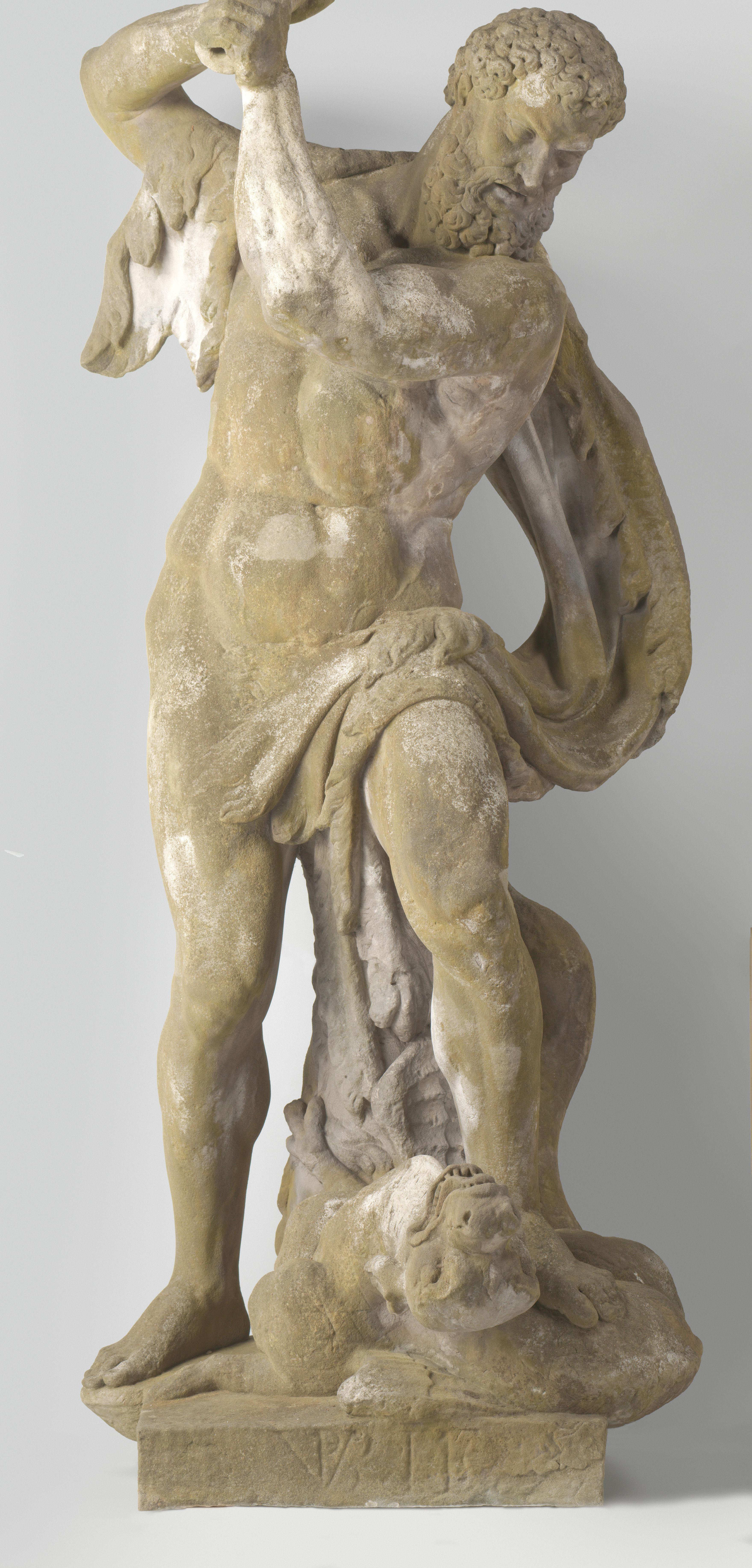
Hercules and the Hydra
Rijksmuseum
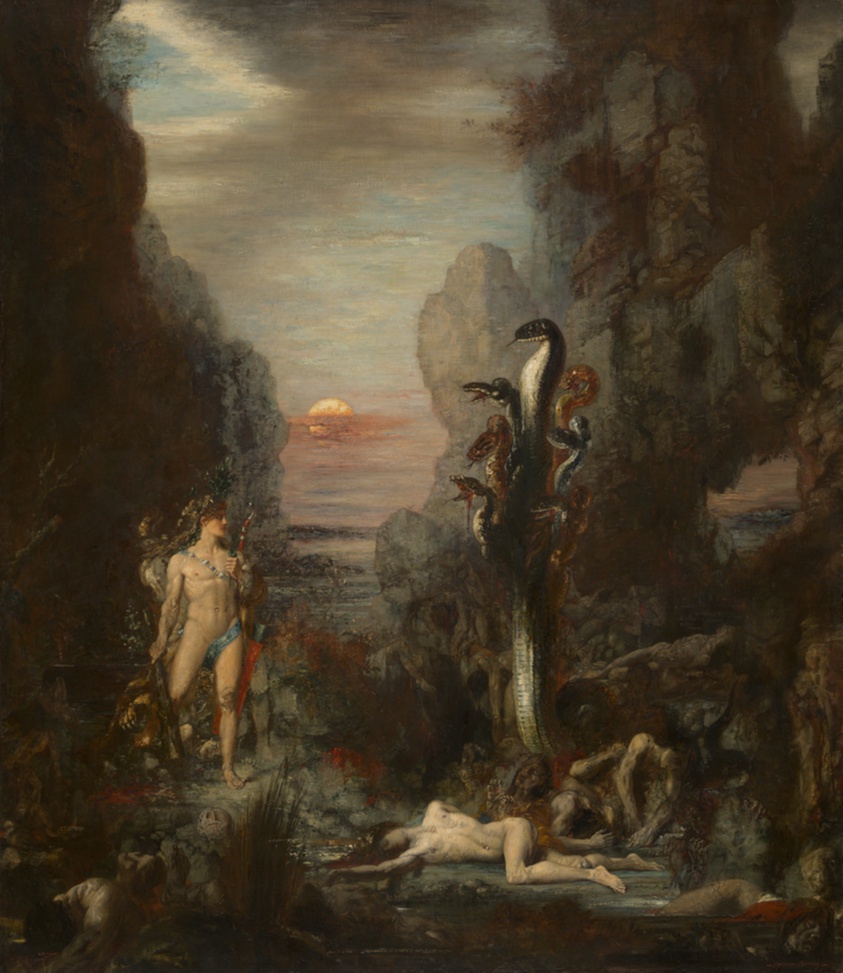
Hercules and the Lernaean Hydra
Art Institute of Chicago

Hercules Resting after Killing the Hydra
Getty Museum
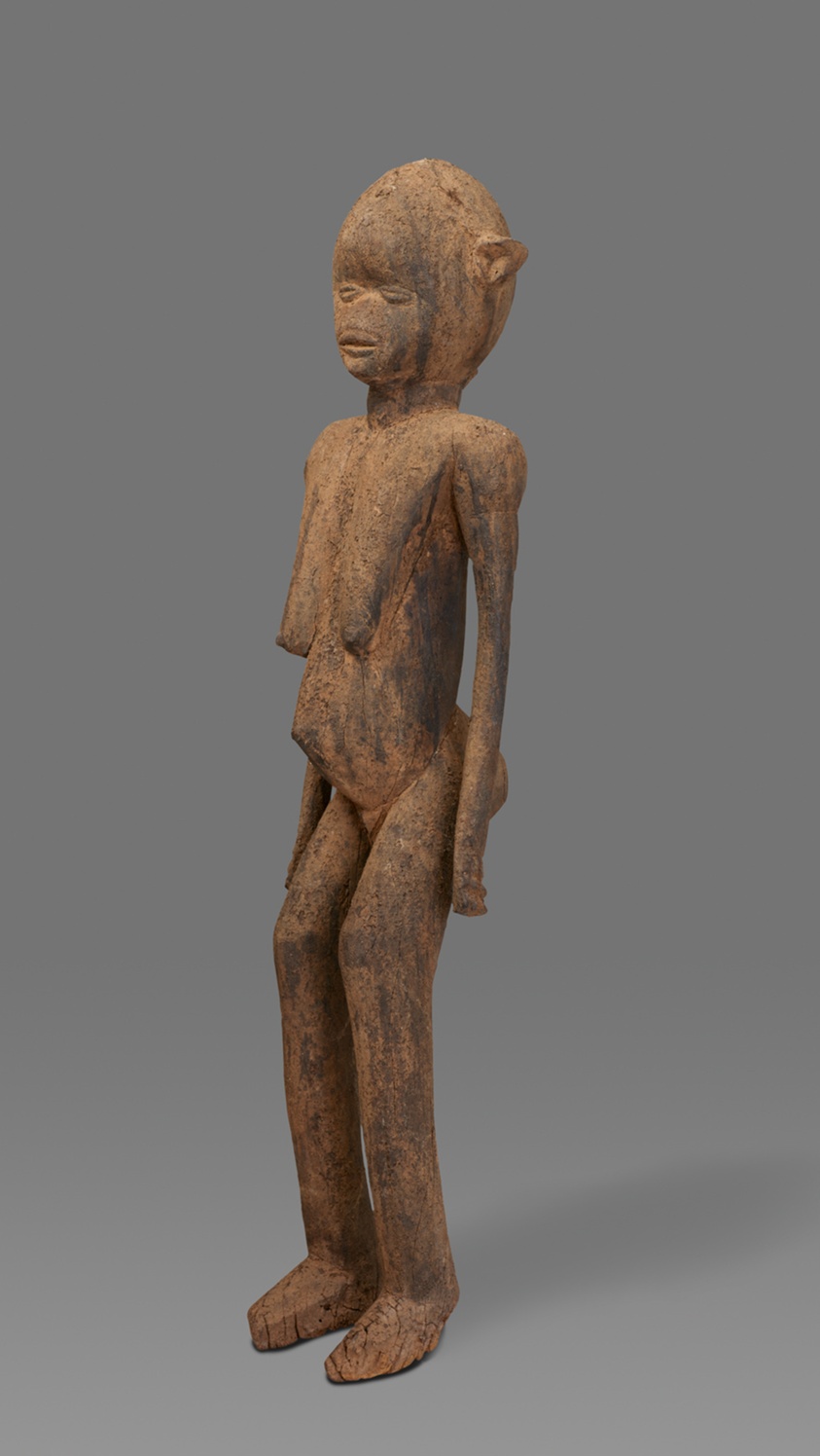
Female Figure (Bateba Phuwe)
Art Institute of Chicago
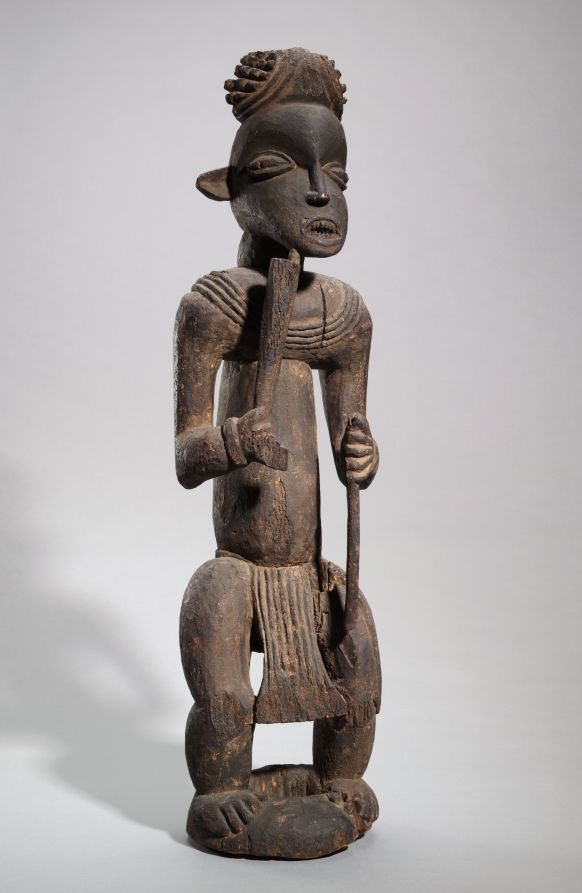
Commemorative figure (lefem)
Cleveland Museum of Art
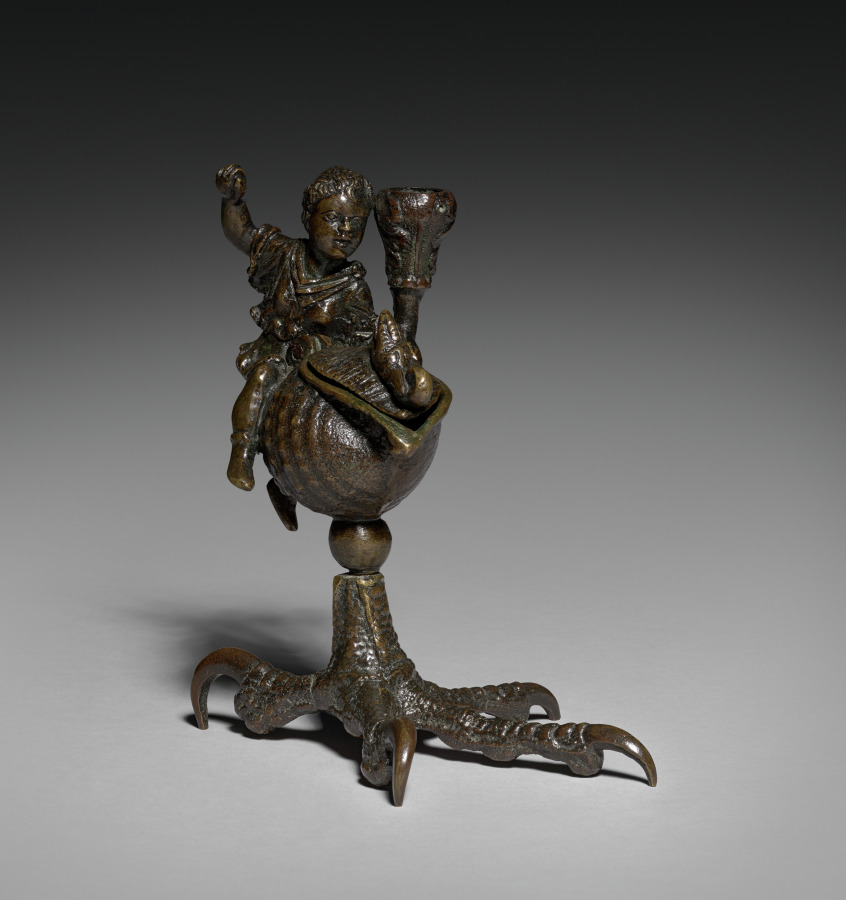
Inkwell and Candlestick with the Infant Hercules Killing the Serpents
Cleveland Museum of Art

Head of Hercules
Getty Museum

Attic Red-Figure Kalpis
Getty Museum
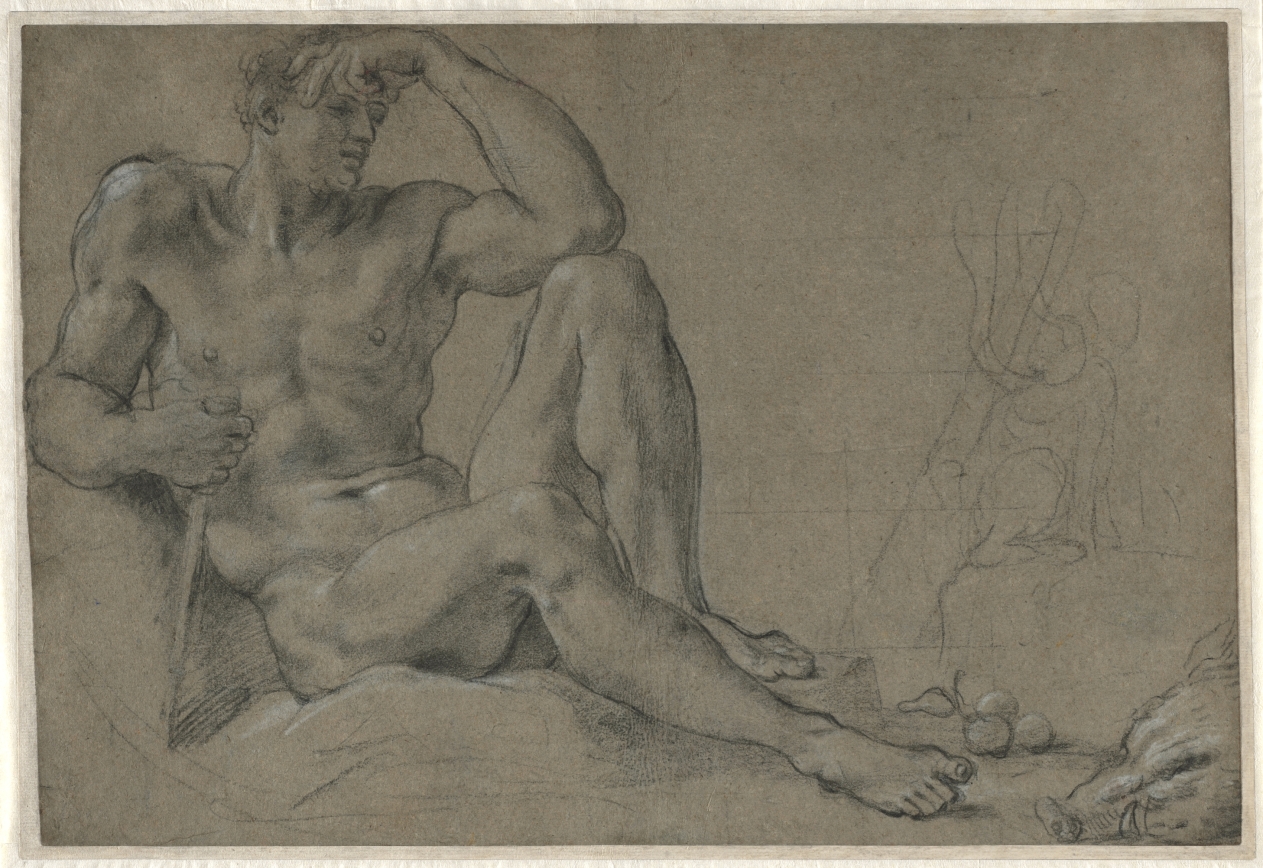
Hercules Resting (recto)
Cleveland Museum of Art
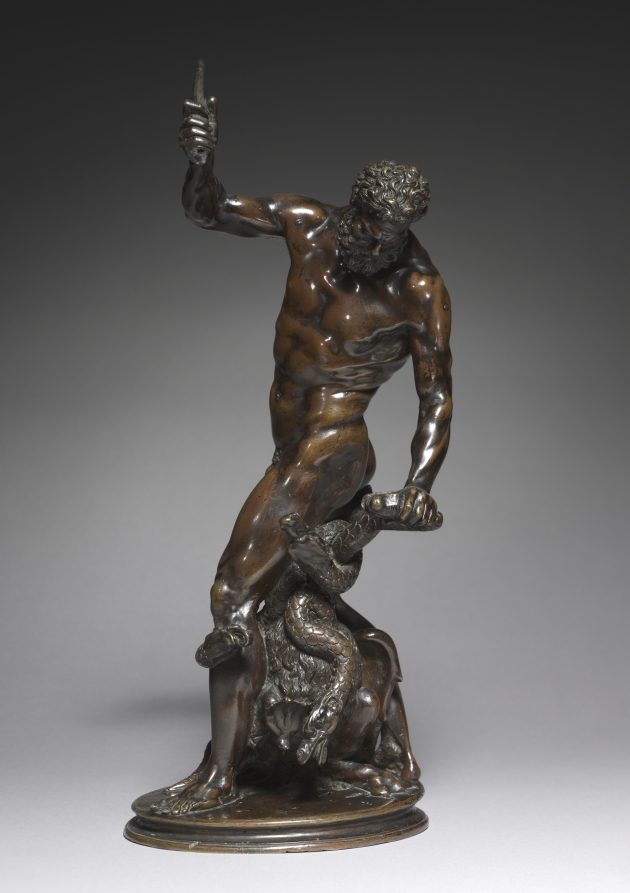
Hercules and the Hydra
Cleveland Museum of Art
Head
Art Institute of Chicago

Skylla Applique
Getty Museum