Cleveland Museum of Art
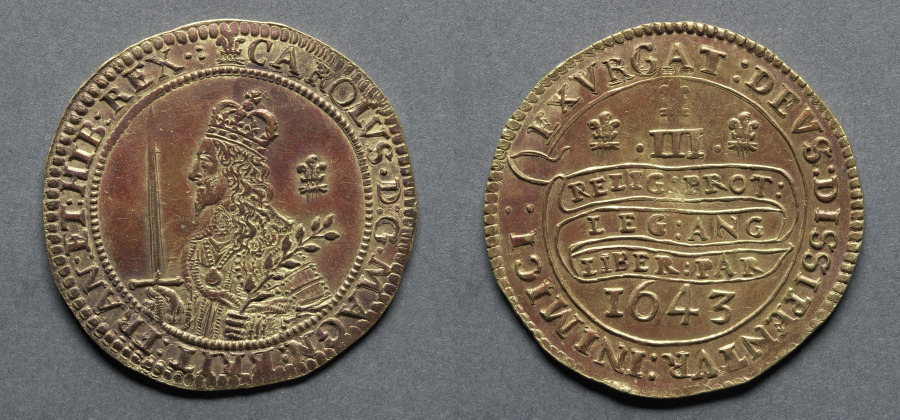
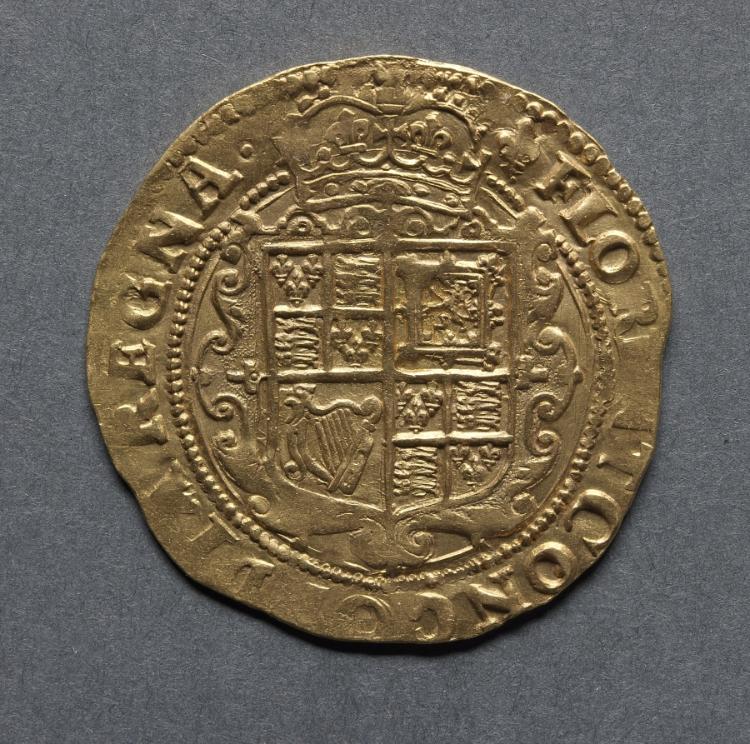
Triple Unite or Three Pound Piece: Charles I (obverse); Declaration on Scroll (reverse)
- Date
- 1643
- Medium
- gold
- Culture
- England, Charles I, 1625-1649
- Department
- Medieval Art
- Institution
- Cleveland Museum of Art
When the Civil War or Great Rebellion started in 1642, Charles I, having raised his standard at Nottingham on August 22, 1642, fought his way south through the battles of Edgehill and Brentford, but failing to enter London he finally set up his headquarters at Christ Church College, Oxford. At Wellington, Shropshire, on September 19, the king had declared to the that he would protect "the religion of the Protestants, the laws of England, (and) the liberty of Parliament." This declaration, abbreviated and rendered in Latin, appeared on various denominations of the royal coinage as propaganda. In full it reads RELIGIO PROTESTANIUM LEGES ANGLIÆ LIBERTAS PARLIAMENTI. The plume initial mark does not now serve as a date indication as it did before the war started. This, the largest and heaviest type of gold coin ever to be struck in England, is very rare. It was doubtless made from local plate, so much of which, in gold and silver, the king "borrowed" from the colleges of Oxford and from his supporters, promising to repay when better times returned. The Triple Unite, valued at three pounds, was only produced during the English Civil War between 1642 and 1644.
The authoritative record is held by Cleveland Museum of Art. LinkedCulture surfaces this object and its connections; it does not alter institutional metadata.
Related across collections
Semantically similar works from Cleveland Museum of Art and other institutions.
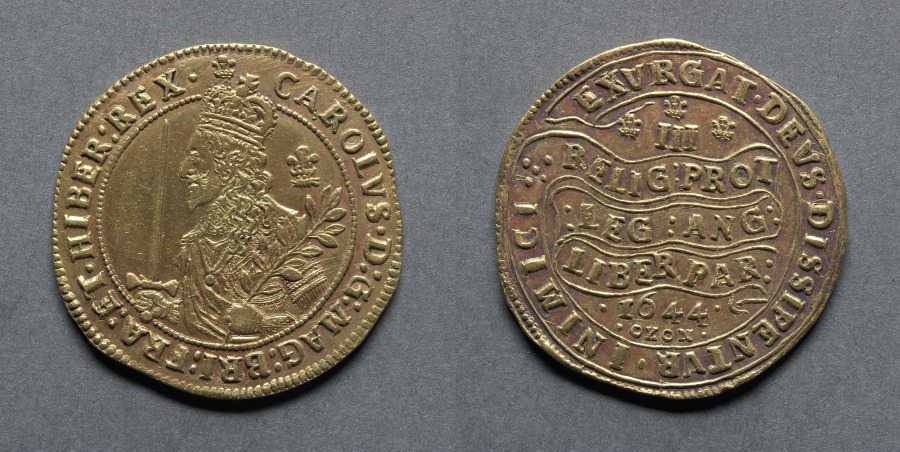
Triple Unite or Three Pound Piece: Charles I (obverse); Declaration on Scroll (reverse)
Cleveland Museum of Art
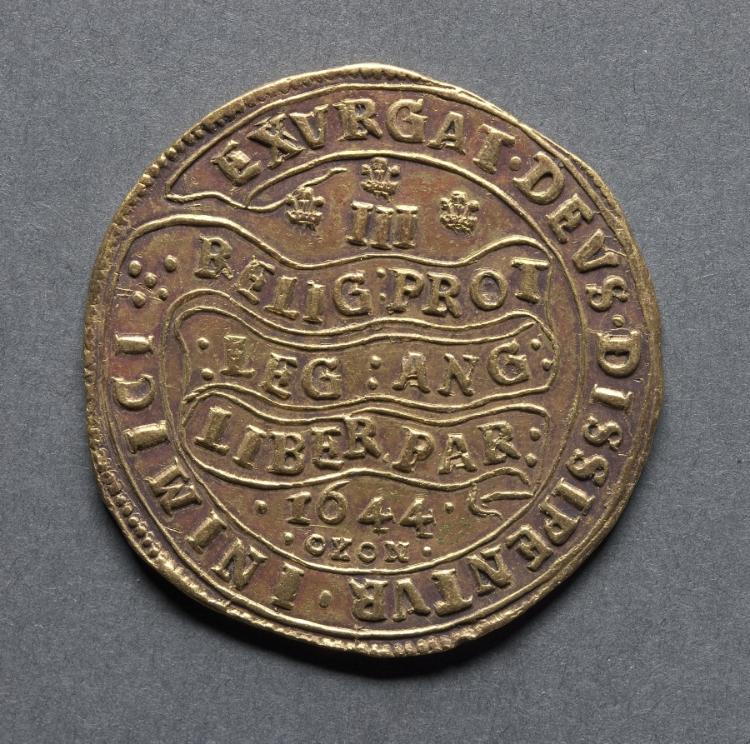
Triple Unite or Three Pound Piece: Declaration on Scroll (reverse)
Cleveland Museum of Art
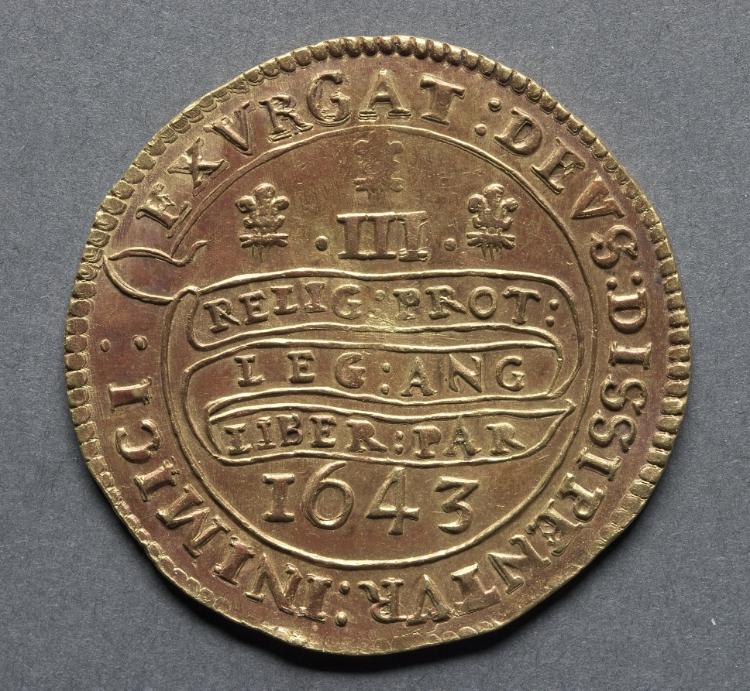
Triple Unite or Three Pound Piece: Declaration on Scroll with Three Plumes (reverse)
Cleveland Museum of Art
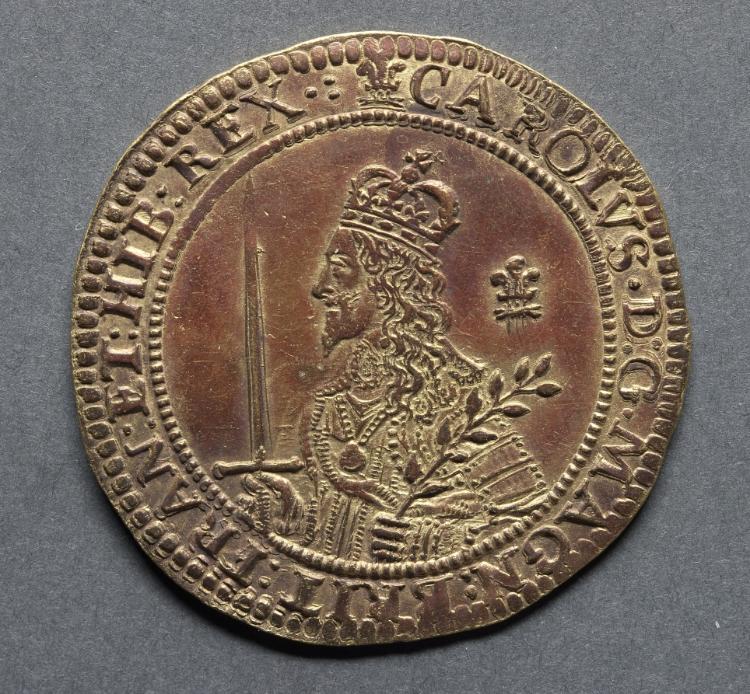
Triple Unite or Three Pound Piece: Charles I (obverse)
Cleveland Museum of Art
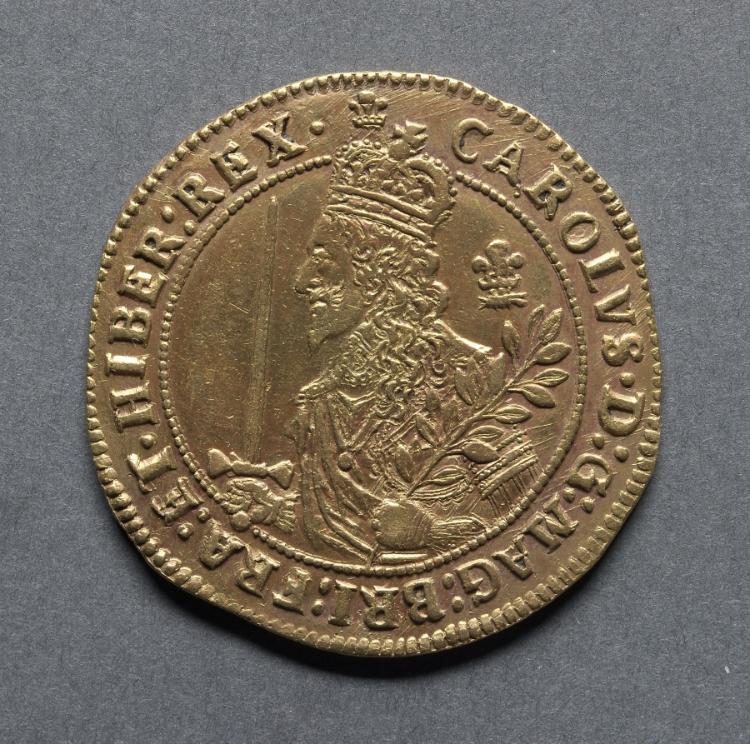
Triple Unite or Three Pound Piece: Charles I (obverse)
Cleveland Museum of Art
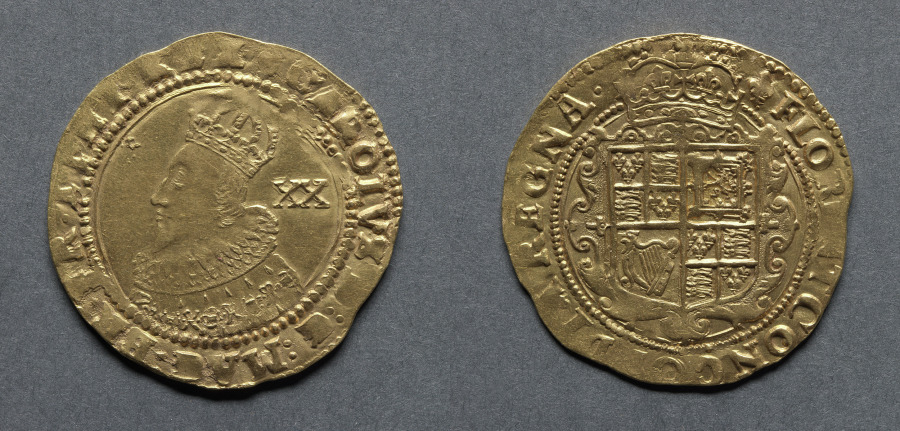
Unite: Charles I (obverse); Crowned Shield (reverse)
Cleveland Museum of Art
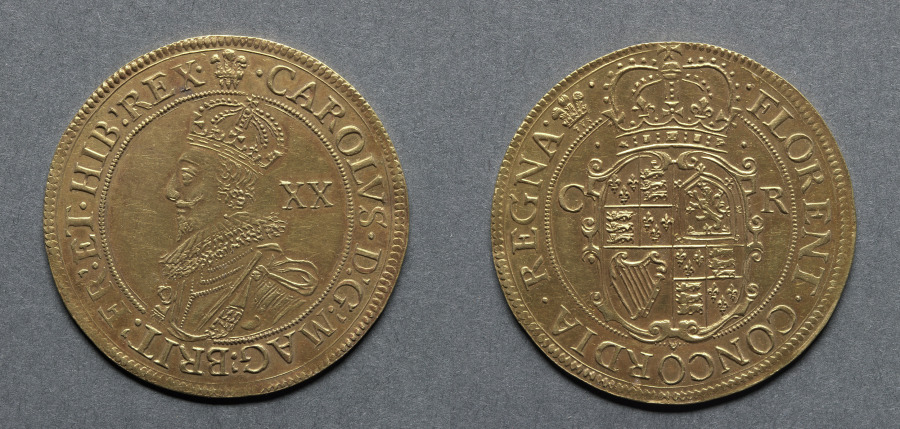
Unite: Charles I (obverse); Crowned Shield (reverse)
Cleveland Museum of Art
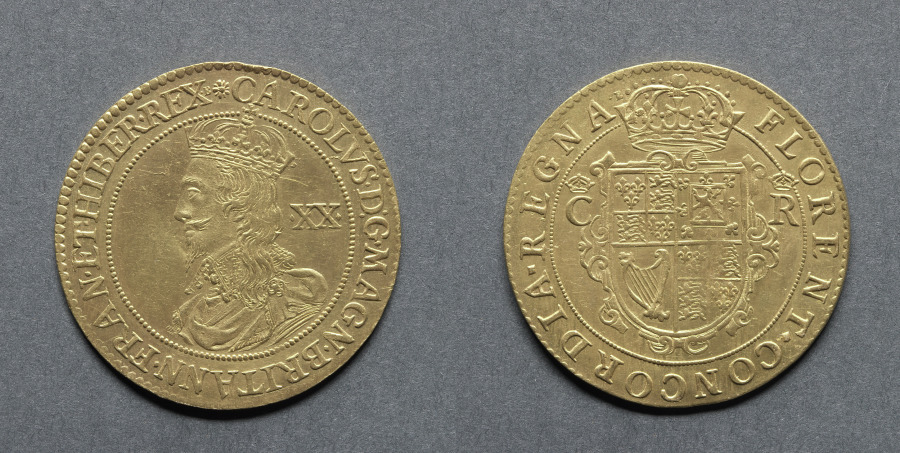
Unite: Charles I (obverse); Crowned Shield (reverse)
Cleveland Museum of Art
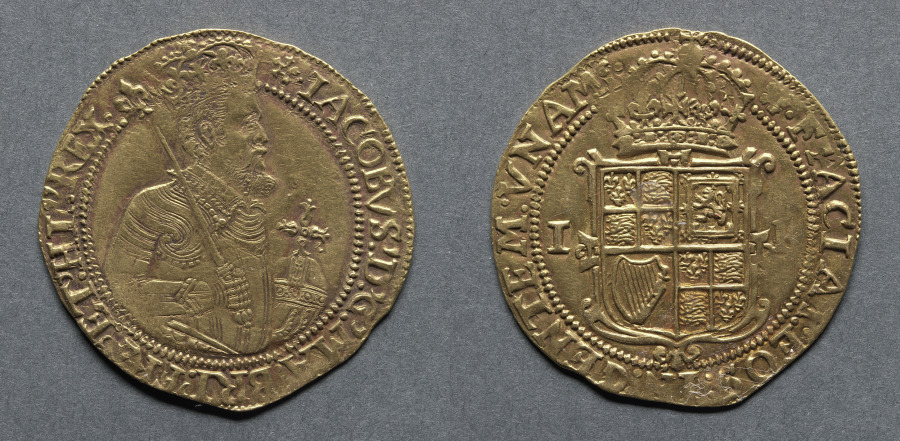
Unite: James I (obverse); Shield of Arms (reverse)
Cleveland Museum of Art
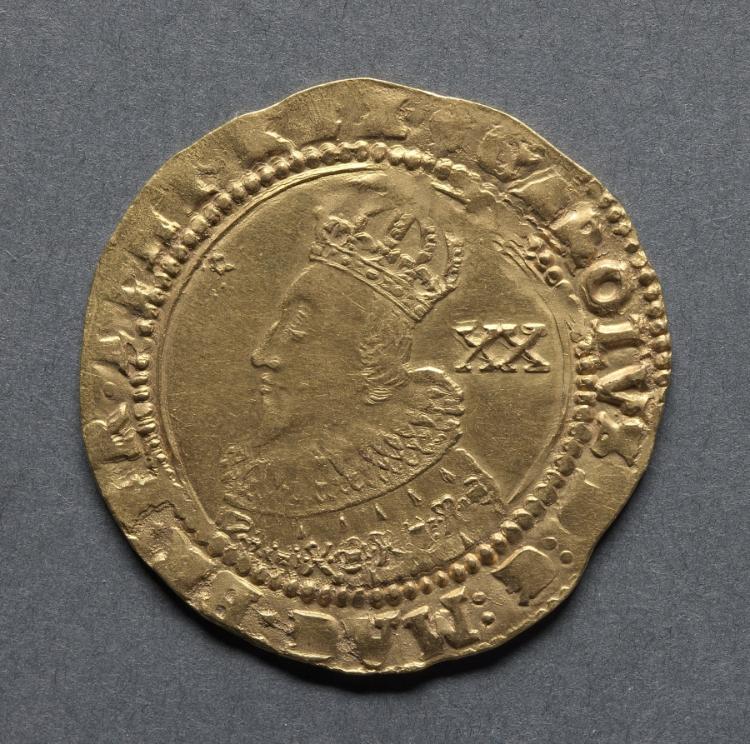
Unite: Charles I (obverse)
Cleveland Museum of Art
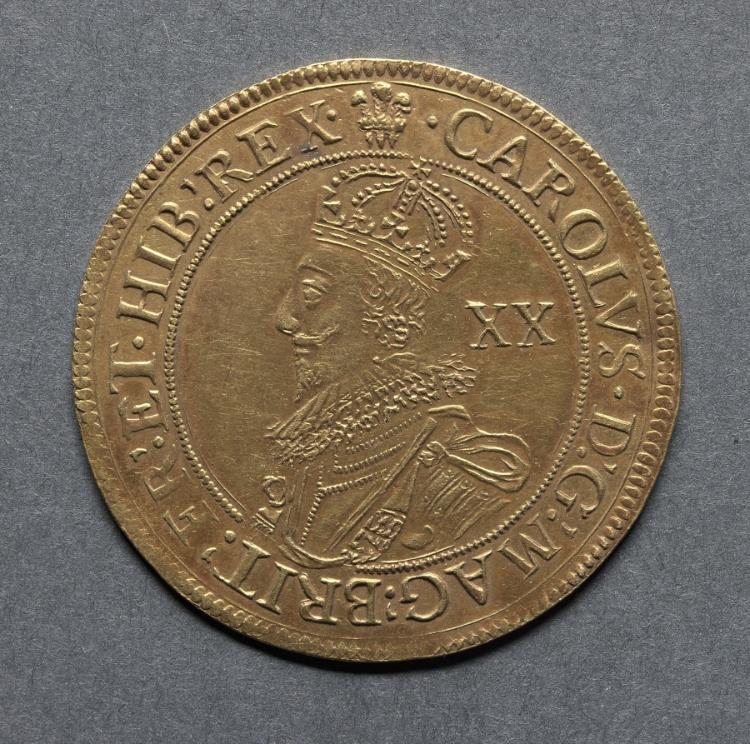
Unite: Charles I (obverse)
Cleveland Museum of Art
Unite: Crowned Shield (reverse)
Cleveland Museum of Art