Cleveland Museum of Art
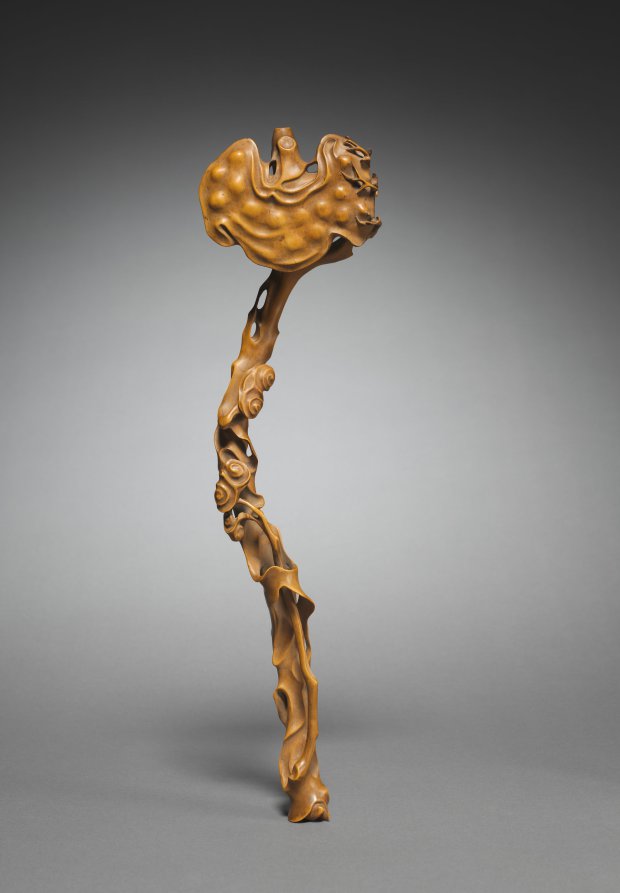
Scepter in the Shape of a Ruyi Fungus
- Date
- 1700s
- Medium
- carved boxwood
- Culture
- China, Qing dynasty (1644-1911)
- Department
- Chinese Art
- Institution
- Cleveland Museum of Art
The ruyi scepter was among the decorative items collected by the Chinese literati. It was thought that lofty and refined men of ancient times—the Seven Sages of the Bamboo Grove of the late 200s CE—carried ruyi scepters during the so-called pure conversations of the Daoists. The name ruyi (literally, as one wishes) conveys blessings of wish fulfillment. The fungus-shaped head is an emblem of immortality. Boxwood is a small, slow-growing evergreen tree found in Southeast China and as far as Europe.
The authoritative record is held by Cleveland Museum of Art. LinkedCulture surfaces this object and its connections; it does not alter institutional metadata.
Related across collections
Semantically similar works from Cleveland Museum of Art and other institutions.

Ruyi Scepter
Minneapolis Institute of Art

Ruyi Scepter
Minneapolis Institute of Art

Ruyi scepter
Minneapolis Institute of Art

Ruyi scepter
Minneapolis Institute of Art

Ruyi scepter
Minneapolis Institute of Art

Ruyi (scepter)
Minneapolis Institute of Art

Ruyi scepter
Minneapolis Institute of Art
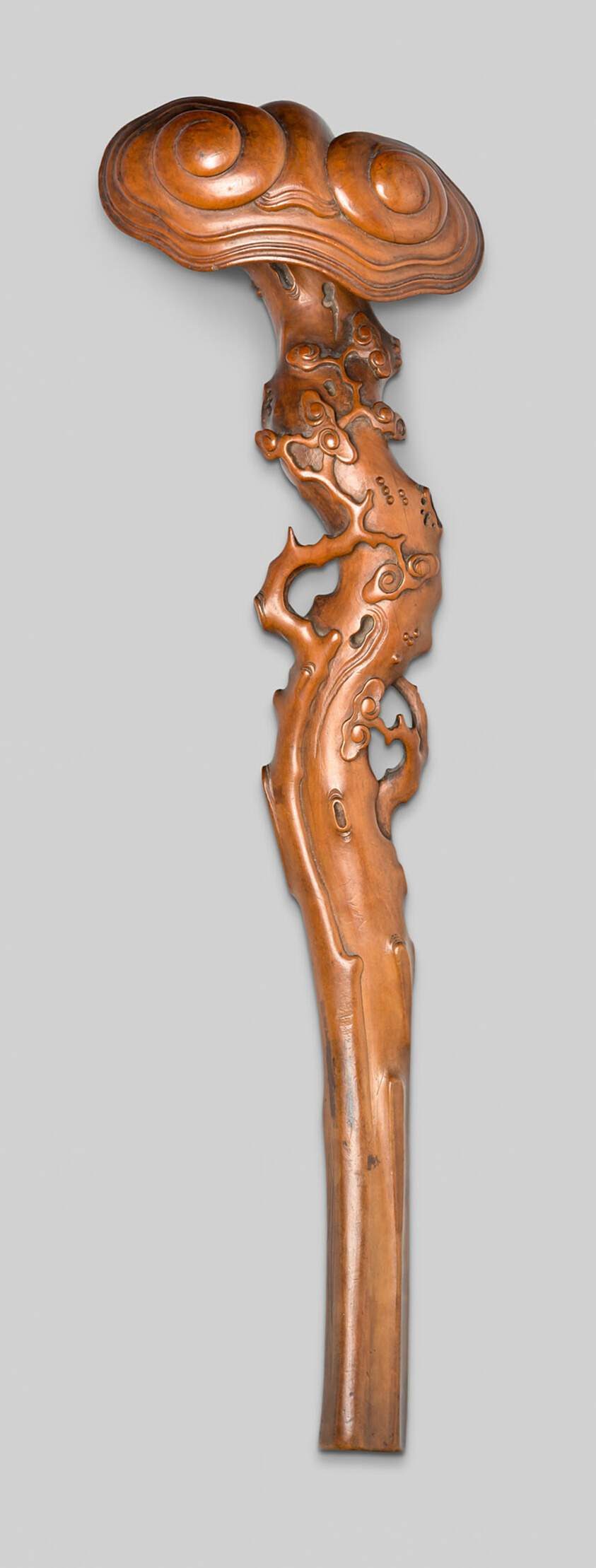
Scepter with Head in Form of a Double Cloud (Ruyi)
Art Institute of Chicago
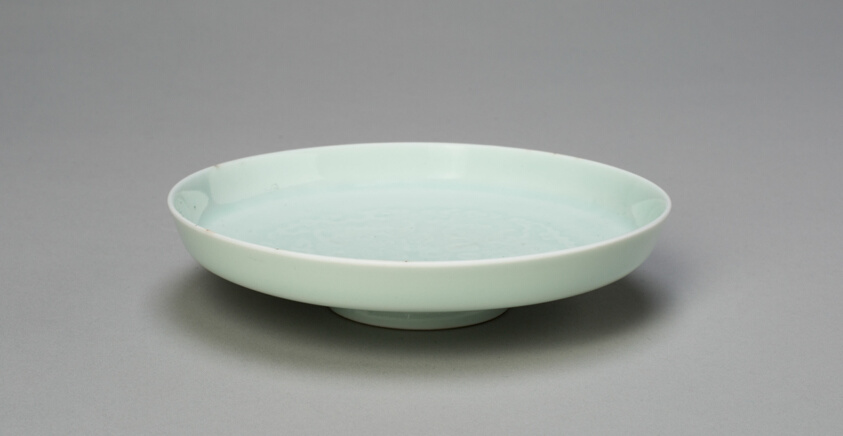
Dish with Auspicious Emblems: Clouds, Bats, Gourds, Plaintain, and Ruyi Scepter
Art Institute of Chicago

Low-Back Armchair
Minneapolis Institute of Art
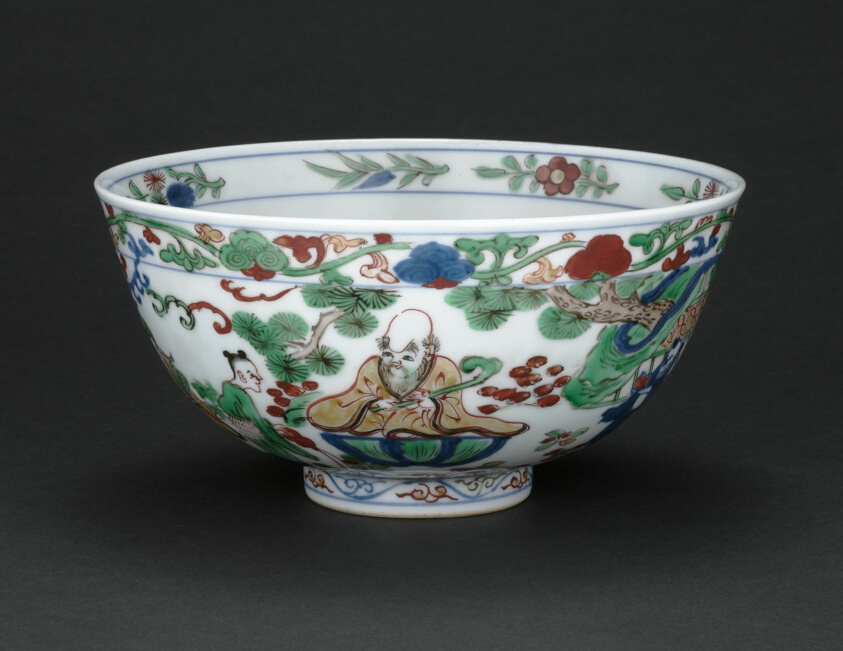
Bowl with God of Longevity (Shoulao) and Eight Daoist Immortals
Art Institute of Chicago
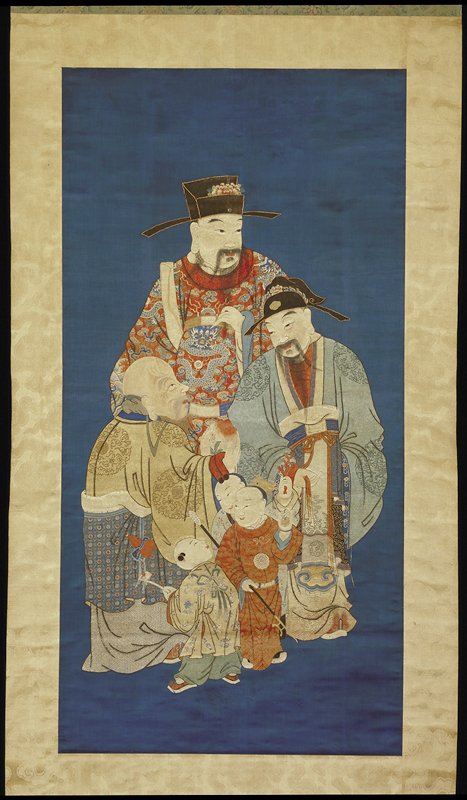
Hanging Representing Three Daoist Gods
Minneapolis Institute of Art