
Minneapolis Institute of Art
Ruyi Scepter
China
- Date
- 18th century
- Medium
- Gold and green jadeite
- Department
- Asian Art
- Institution
- Minneapolis Institute of Art
Symbolic of good wishes to the Chinese, the ruyi (literally as you wish) is a scepter-like object first encountered in Buddhist art. Perhaps by virtue of its auspicious name, it became a favorite motif in the decorative arts of the Qing dynasty. Placed on a writing desk, display shelf, or held in the hand, most of these scepters display the auspicious symbols which were common to the 18th and 19th centuries. Also typical of the period is the variety of materials used including gold, jade, carved lacquer, cloisonné, porcelain, bronze, and boxwood. China, Asia
The authoritative record is held by Minneapolis Institute of Art. LinkedCulture surfaces this object and its connections; it does not alter institutional metadata.
Related across collections
Semantically similar works from Minneapolis Institute of Art and other institutions.

Ruyi scepter
Minneapolis Institute of Art

Ruyi Scepter
Minneapolis Institute of Art
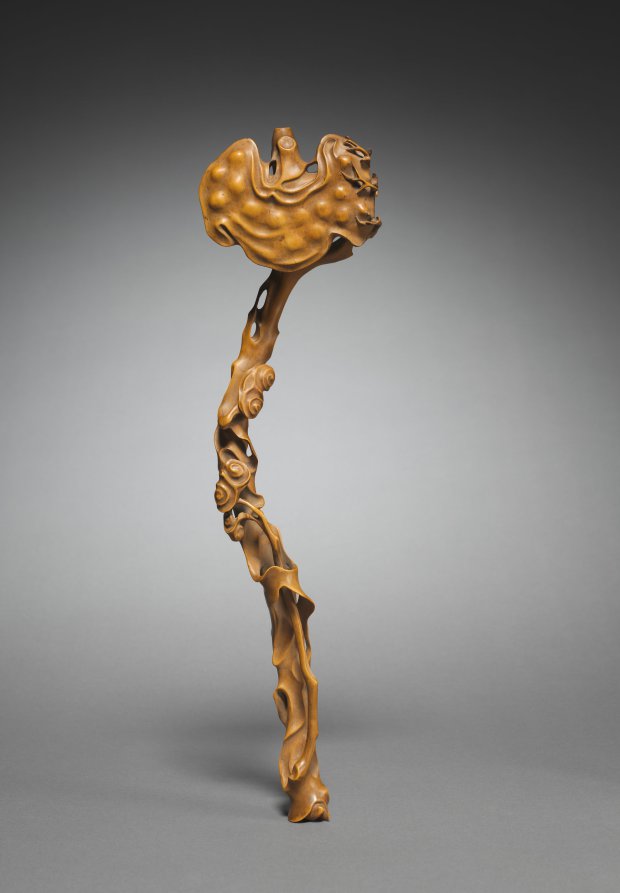
Scepter in the Shape of a Ruyi Fungus
Cleveland Museum of Art

Empress's Twelve-Symbol Robe
Minneapolis Institute of Art

Ruyi (scepter)
Minneapolis Institute of Art

Ruyi scepter
Minneapolis Institute of Art
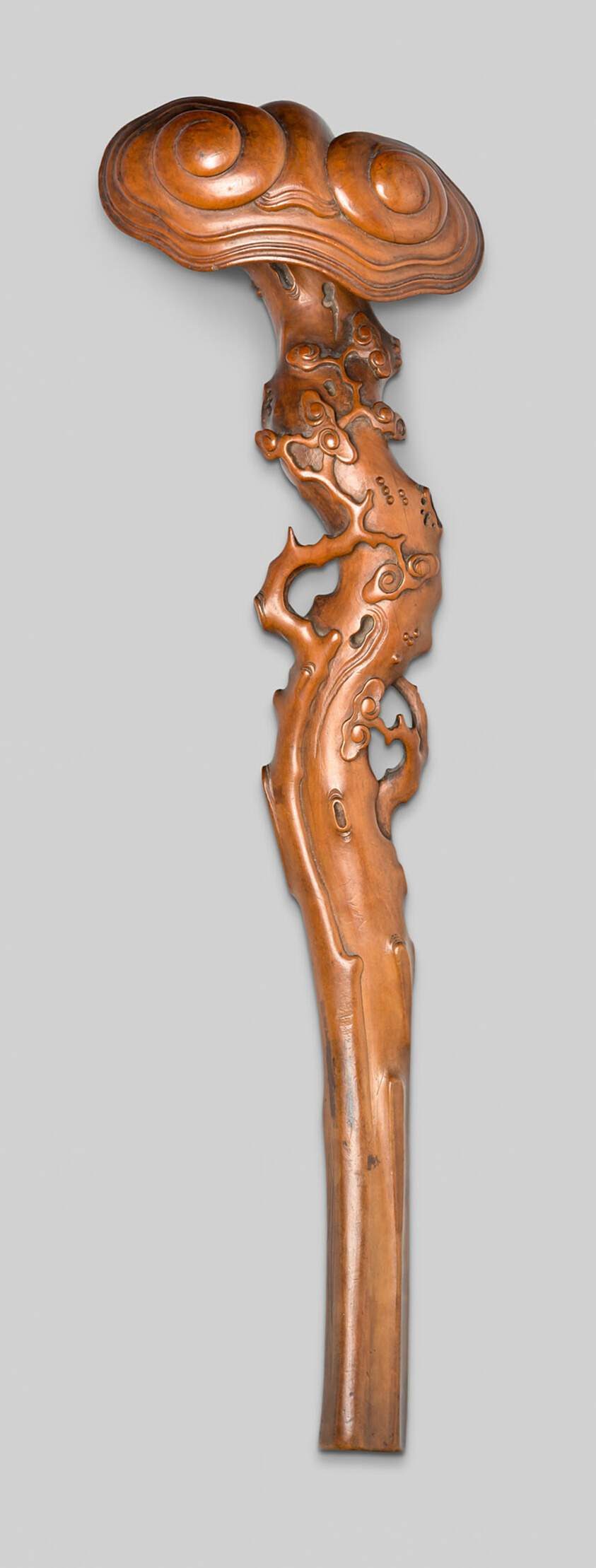
Scepter with Head in Form of a Double Cloud (Ruyi)
Art Institute of Chicago

Ruyi scepter
Minneapolis Institute of Art

Ruyi scepter
Minneapolis Institute of Art
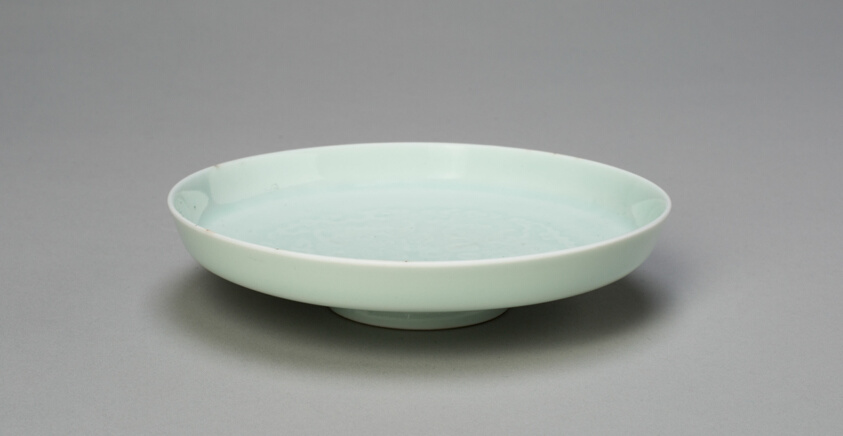
Dish with Auspicious Emblems: Clouds, Bats, Gourds, Plaintain, and Ruyi Scepter
Art Institute of Chicago

Six-Post Canopy Bed
Minneapolis Institute of Art
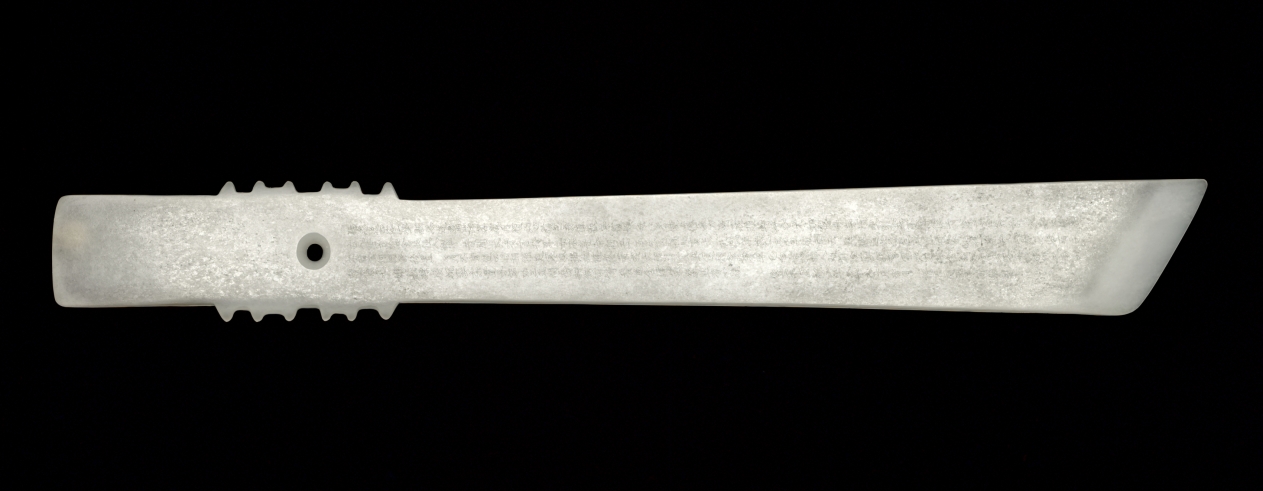
Scepter (Gui) with Miscellaneous Poems by Tao Qian (365–427 CE)
Cleveland Museum of Art