
Minneapolis Institute of Art
Ruyi Scepter
China
- Date
- late 17th–early 18th century
- Medium
- Boxwood
- Department
- Asian Art
- Institution
- Minneapolis Institute of Art
The form of scepter called ruyi (meaning as desired or as you wish) is an ancient auspicious symbol that became the mark of a cultivated gentleman. It may have originated as a weapon or as a Buddhist implement, but old paintings often depict scholars holding ruyi scepters while engaged in conversation. By the Ming period those done in organic taste like this one were common literati accoutrements and they were often given as gifts. Carved from boxwood in imitation of rootwood, with ruyi heads, this scepter is a classic example of the Chinese scholar's love of natural forms. The reverse side bears a carved poem along the shaft which reads as follows: Crows gather in the tree-lined alley, bestowed by imperial order, seated for tea. Returning to the Jade Hall feeling refreshed. A new crescent moon shines over branches of thorn ferns. China, Asia
The authoritative record is held by Minneapolis Institute of Art. LinkedCulture surfaces this object and its connections; it does not alter institutional metadata.
Related across collections
Semantically similar works from Minneapolis Institute of Art and other institutions.

Ruyi Scepter
Minneapolis Institute of Art
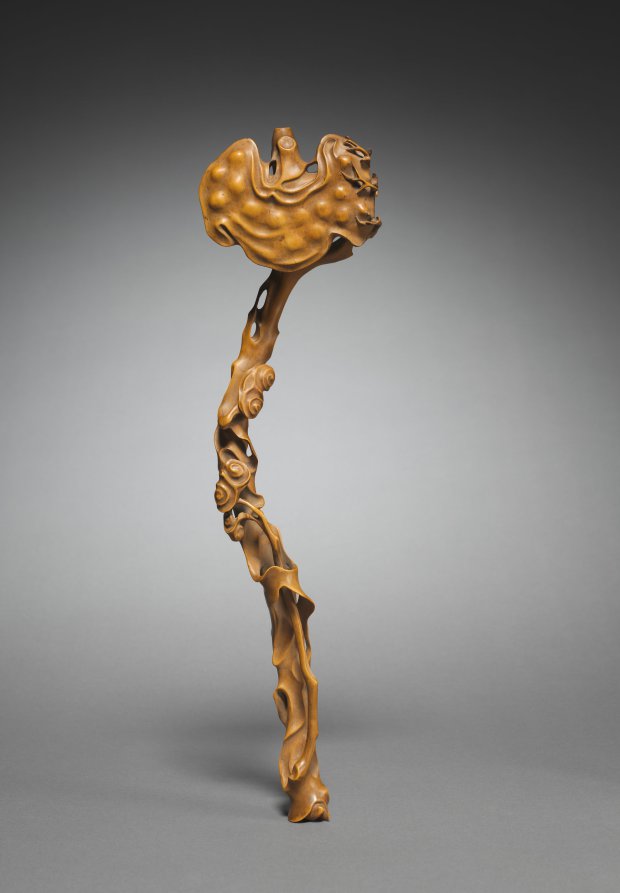
Scepter in the Shape of a Ruyi Fungus
Cleveland Museum of Art

Ruyi scepter
Minneapolis Institute of Art
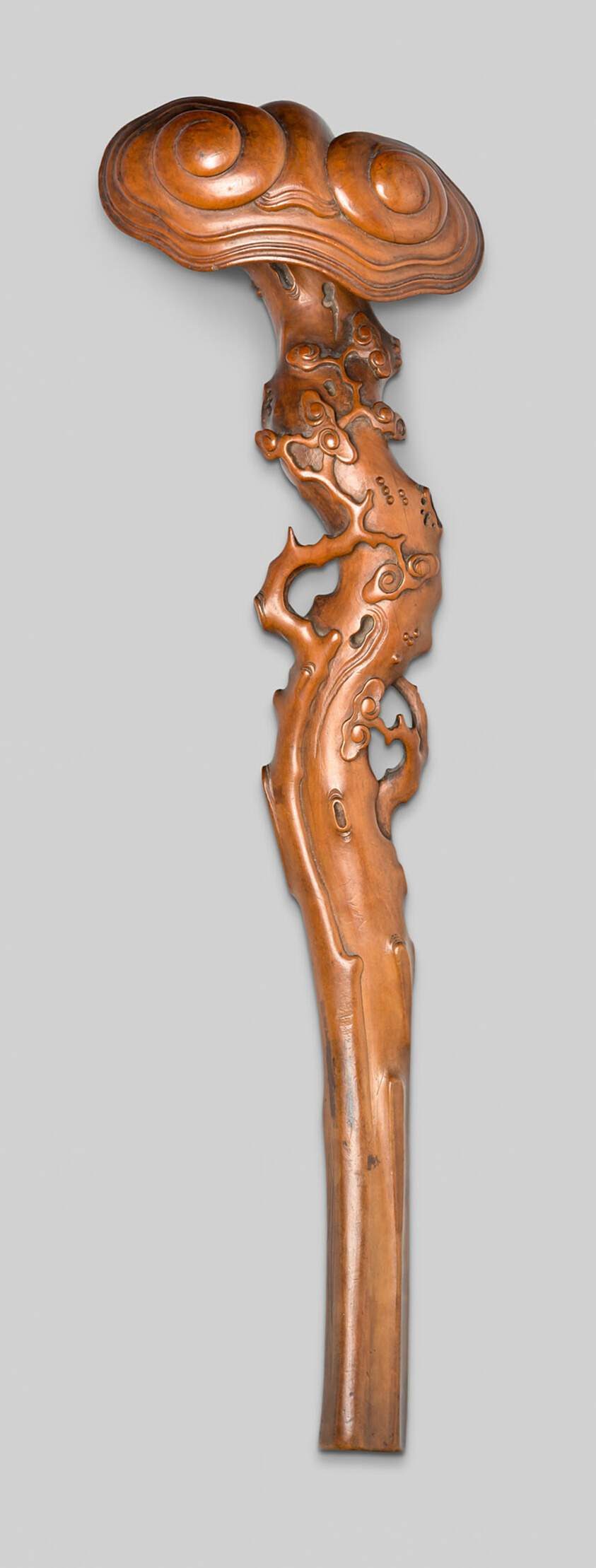
Scepter with Head in Form of a Double Cloud (Ruyi)
Art Institute of Chicago

Ruyi scepter
Minneapolis Institute of Art

Ruyi (scepter)
Minneapolis Institute of Art

Ruyi scepter
Minneapolis Institute of Art

Ruyi scepter
Minneapolis Institute of Art
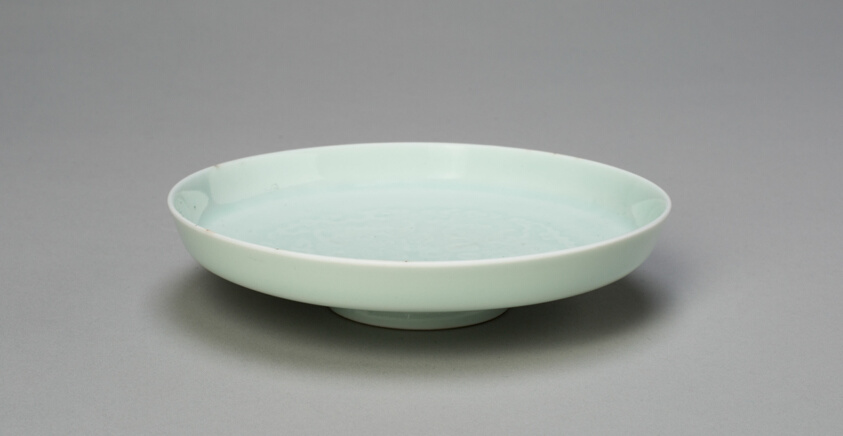
Dish with Auspicious Emblems: Clouds, Bats, Gourds, Plaintain, and Ruyi Scepter
Art Institute of Chicago
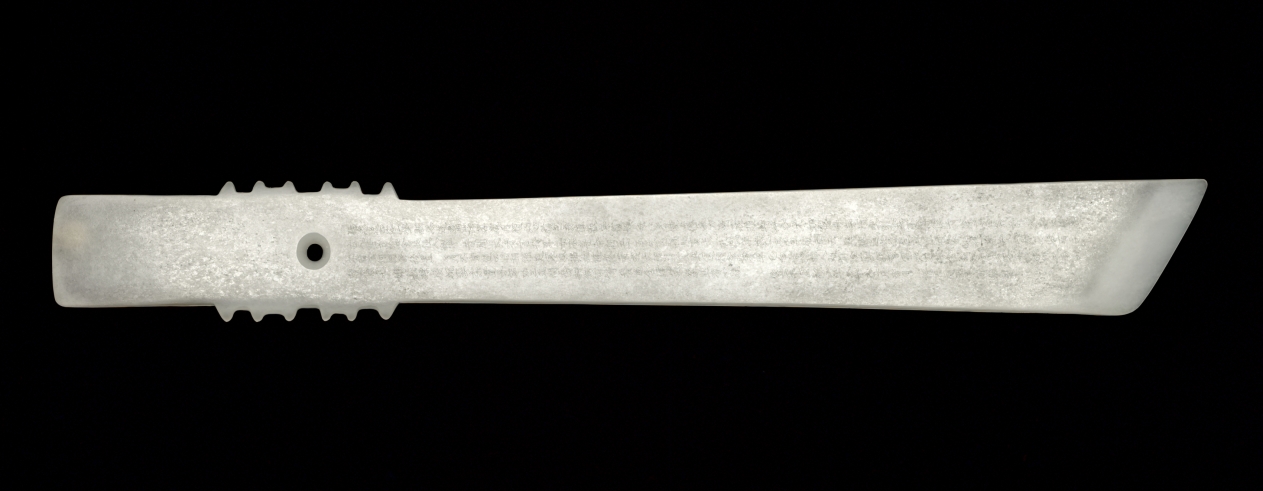
Scepter (Gui) with Miscellaneous Poems by Tao Qian (365–427 CE)
Cleveland Museum of Art

Zhang scepter
Minneapolis Institute of Art

Six-Post Canopy Bed
Minneapolis Institute of Art