
Minneapolis Institute of Art
Six-Post Canopy Bed
China
- Date
- early 17th century
- Medium
- Huanghuali hardwood
- Department
- Asian Art
- Institution
- Minneapolis Institute of Art
The canopy bed was one of the most important pieces of furniture in a Chinese household. It was generally ornamented with symbols associated with a long and happy marriage. Here, the railings are decorated with heart-shaped ruyi (the mythical wish-fulfilling symbol) set against a pattern of the Buddhist swastika signifying “ten thousand, ” which granted the owner the fulfillment of ten thousand wishes. Curtains were hung inside the canopy which, when closed, created a private room within a room. With curtains drawn back, canopied beds were used as formal couches from which the woman of the house held audience and conducted business. With the addition of low tables, canopy beds could be used for playing board games, informal dining, or drinking tea with guests. China, Asia
The authoritative record is held by Minneapolis Institute of Art. LinkedCulture surfaces this object and its connections; it does not alter institutional metadata.
Related across collections
Semantically similar works from Minneapolis Institute of Art and other institutions.

Couch-Bed
Minneapolis Institute of Art

Daybed
Minneapolis Institute of Art

Ruyi Scepter
Minneapolis Institute of Art

Towel Rack
Minneapolis Institute of Art

Ruyi Scepter
Minneapolis Institute of Art

Six-Leg Folding Basin Stand
Minneapolis Institute of Art

Rectangular Pillow
Minneapolis Institute of Art

Bride from Wedding Procession
Minneapolis Institute of Art

Pillow
Minneapolis Institute of Art
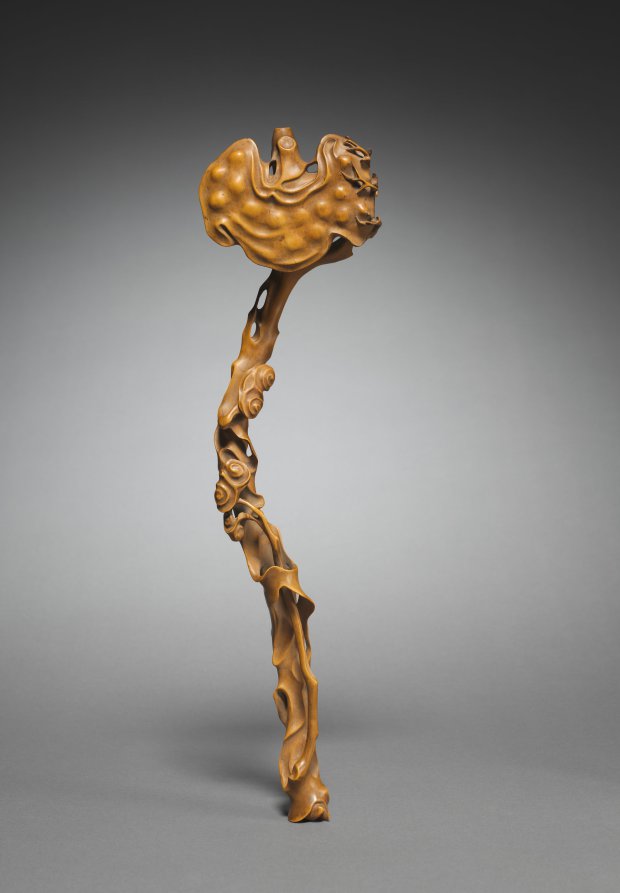
Scepter in the Shape of a Ruyi Fungus
Cleveland Museum of Art
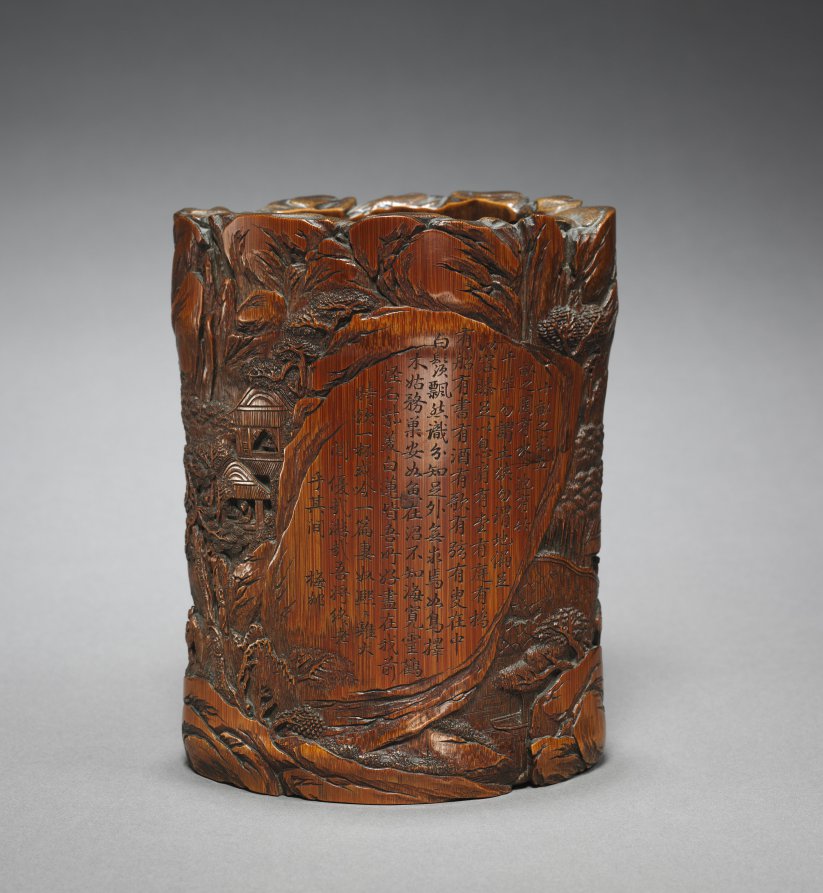
Brush Holder with Figures in Landscape and Poetic Inscription by Wang Meilin from Jiading
Cleveland Museum of Art

Daybed
Minneapolis Institute of Art