
Minneapolis Institute of Art
Zhang scepter
China
- Date
- 12th-11th century BCE
- Medium
- Pale greenish-blue nephrite (jade)
- Department
- Asian Art
- Institution
- Minneapolis Institute of Art
The innately beautiful bluish-green color of this ritual scepter, with its russet inclusions combines with a simplicity and elegance of form to elevate this ancient object to a realm of aesthetic grace that is timeless. Ceremonial weapons and implements represent some of the earliest Chinese jades as the origins of this type of object lies in the Neolithic period. It was largely during the early Bronze Age however, in Shang and Western Zhou, that some utilitarian weapon types evolved into a limited group of particular shapes executed in precious jade that held ritual significance in important political and social ceremonies. Most of the ceremonial jade scepters that have survived were buried in tombs suggesting they also held significance for the spirit in the afterlife. Ancient bronze inscriptions record the use of land and jade as gifts between rulers and dependents. It is possible that the Chang scepters this type may have been part of the insignia used in rites connected with the land. China, Asia
The authoritative record is held by Minneapolis Institute of Art. LinkedCulture surfaces this object and its connections; it does not alter institutional metadata.
Related across collections
Semantically similar works from Minneapolis Institute of Art and other institutions.

Yazhang ceremonial scepter
Minneapolis Institute of Art
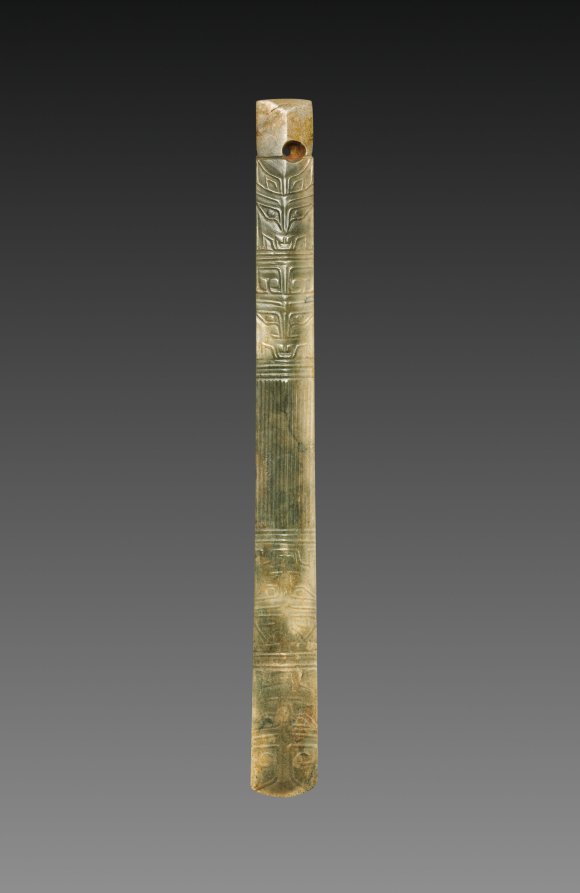
Ceremonial Scepter with Animal Masks (Gui)
Cleveland Museum of Art
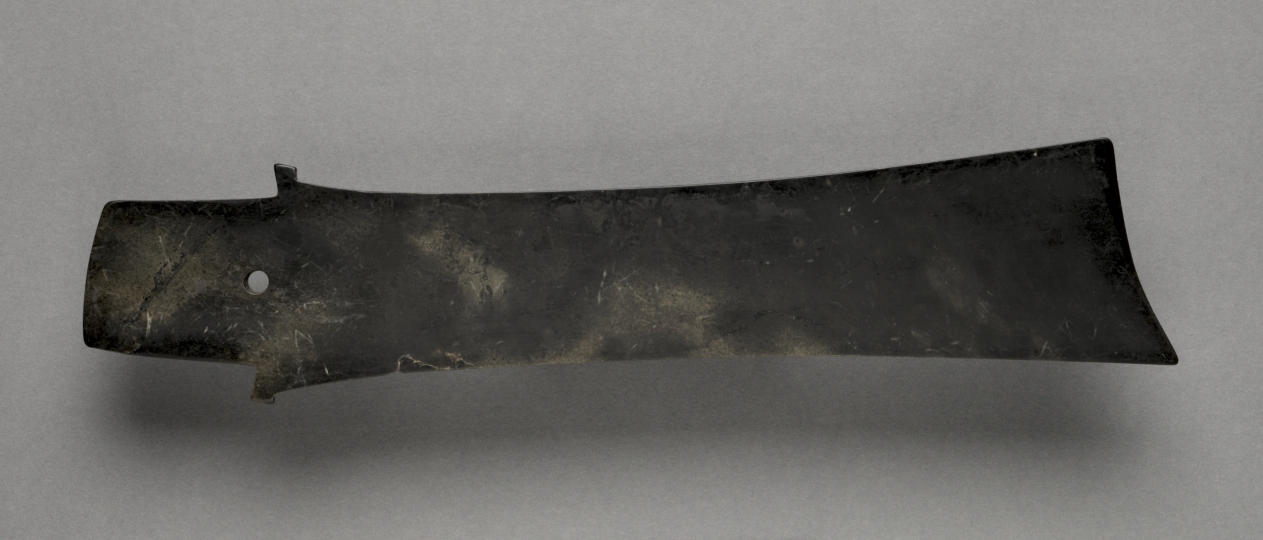
Zhang (Ceremonial Blade)
Cleveland Museum of Art

Yazhang Scepter
Minneapolis Institute of Art
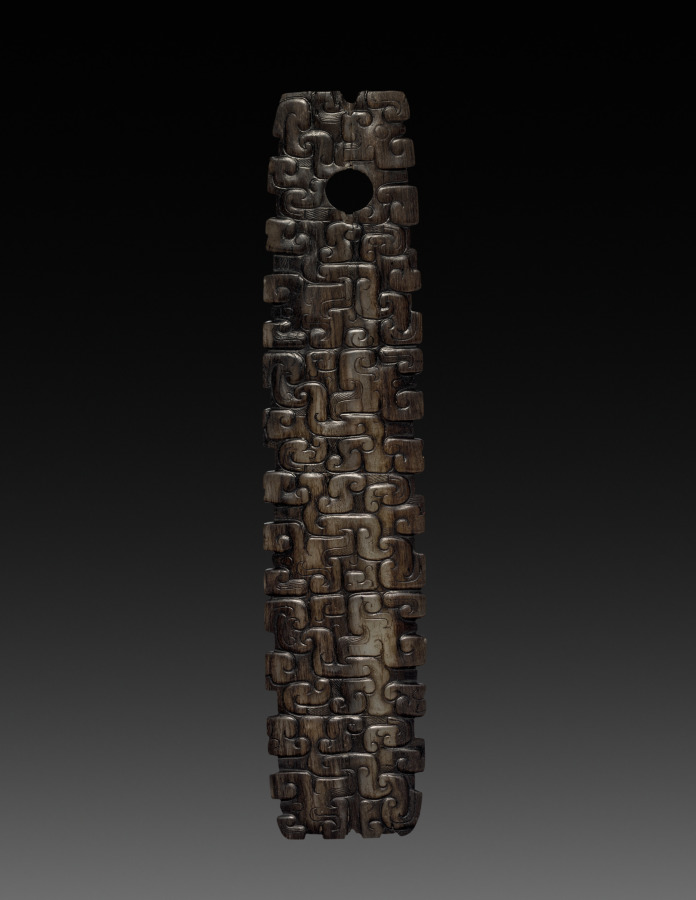
Jade Scepter with Interlocking Pattern
Cleveland Museum of Art
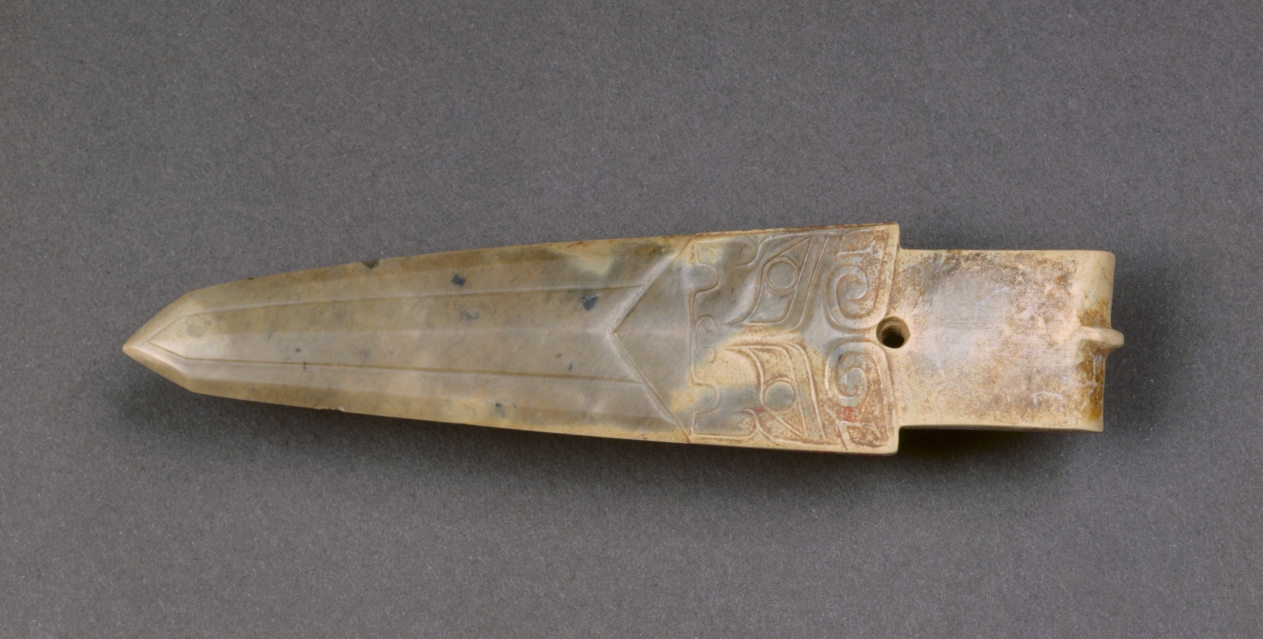
Ceremonial Dagger-Axe with Animal Masks (Ge)
Cleveland Museum of Art

Spear head (mao)
Minneapolis Institute of Art
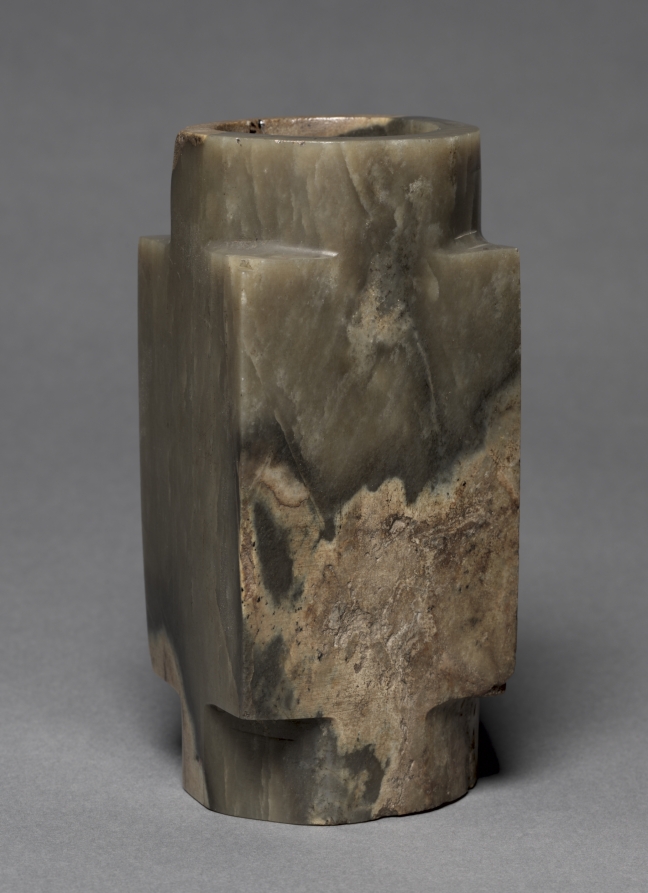
Ceremonial Tube (Cong)
Cleveland Museum of Art

Censer
Minneapolis Institute of Art

Ruyi Scepter
Minneapolis Institute of Art
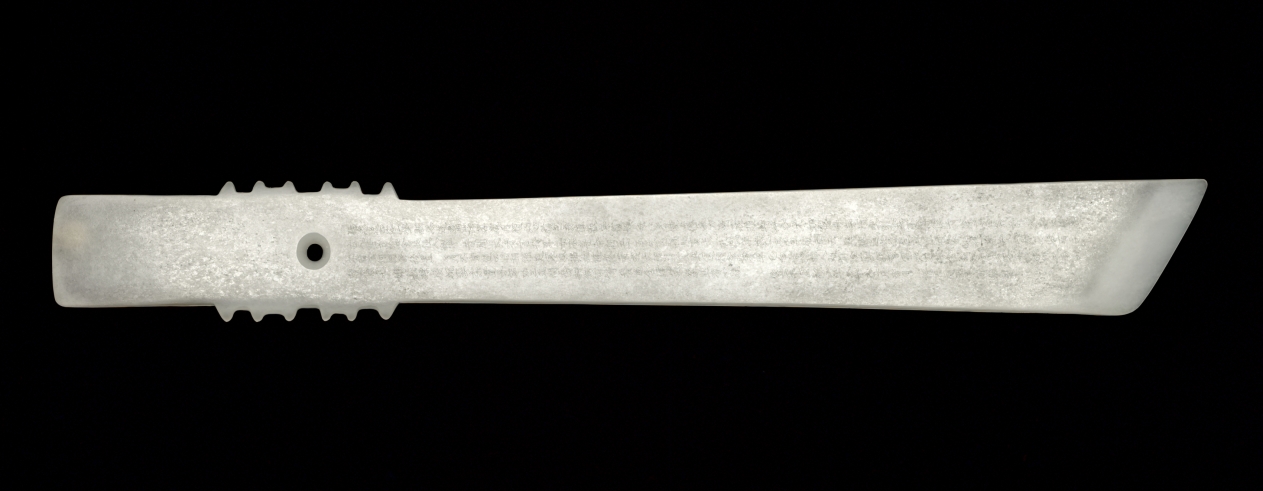
Scepter (Gui) with Miscellaneous Poems by Tao Qian (365–427 CE)
Cleveland Museum of Art

Zhi vase
Minneapolis Institute of Art