
Minneapolis Institute of Art
Yazhang ceremonial scepter
China
- Date
- 1600–1100 BCE
- Medium
- Dark olive-green jade with light brown clouds
- Department
- Asian Art
- Institution
- Minneapolis Institute of Art
Known as yazhang , this type of jade originated during the Longshan culture (c. 2500–c. 2000 BCE) in northeast China and was used as a ceremonial scepter until the Western Zhou dynasty. Yazhang scepters vary in their form and scale according to culture and geography. This yazhang has a long, narrow blade that curves slightly and ends in a nearly symmetrical, lunar-shaped cutting edge. On the other end, between the rectangular handle and blade, pairs of ornate teeth project beyond the edges of the scepter and are connected by incised horizontal bands. A central perforation has been drilled from one side at the stem of the handle. In its scale, shape, and toothed projections, this scepter resembles those from the late period of the Erlitou culture, which flourished in the central plains of China. Asia
The authoritative record is held by Minneapolis Institute of Art. LinkedCulture surfaces this object and its connections; it does not alter institutional metadata.
Related across collections
Semantically similar works from Minneapolis Institute of Art and other institutions.

Yazhang Scepter
Minneapolis Institute of Art

Zhang scepter
Minneapolis Institute of Art
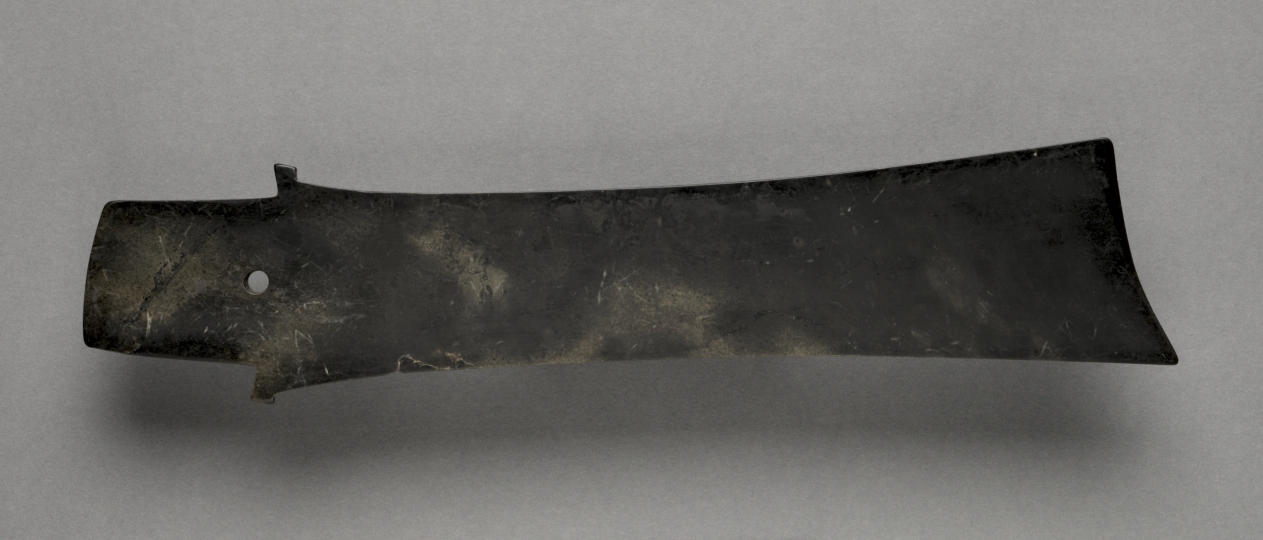
Zhang (Ceremonial Blade)
Cleveland Museum of Art
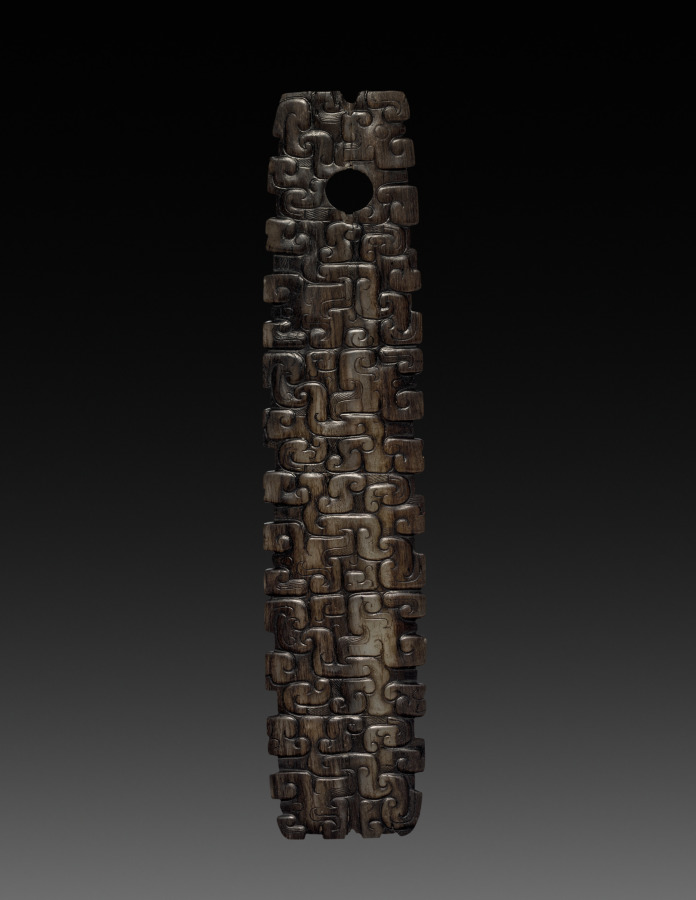
Jade Scepter with Interlocking Pattern
Cleveland Museum of Art
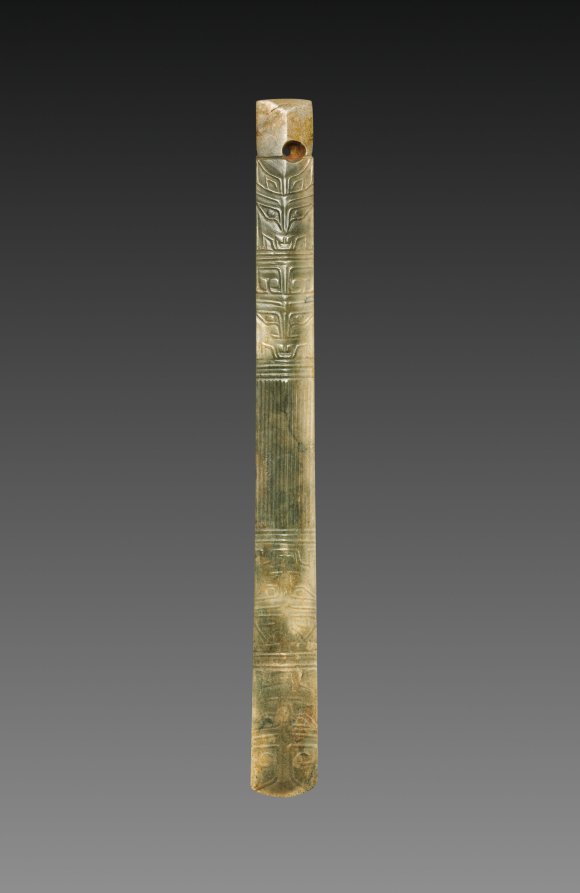
Ceremonial Scepter with Animal Masks (Gui)
Cleveland Museum of Art
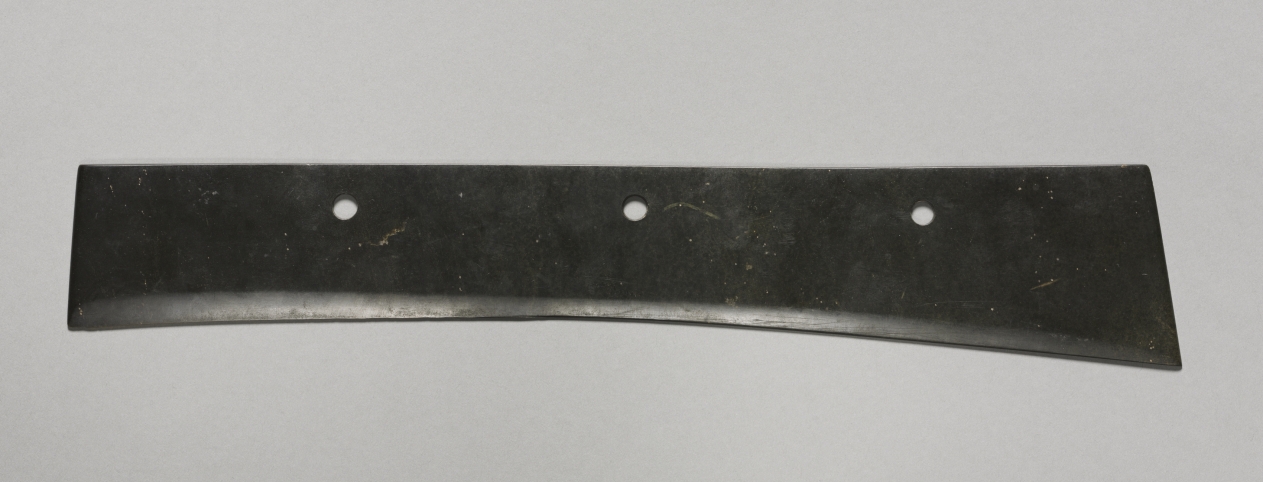
Ceremonial Blade with Three Perforations (Dao)
Cleveland Museum of Art
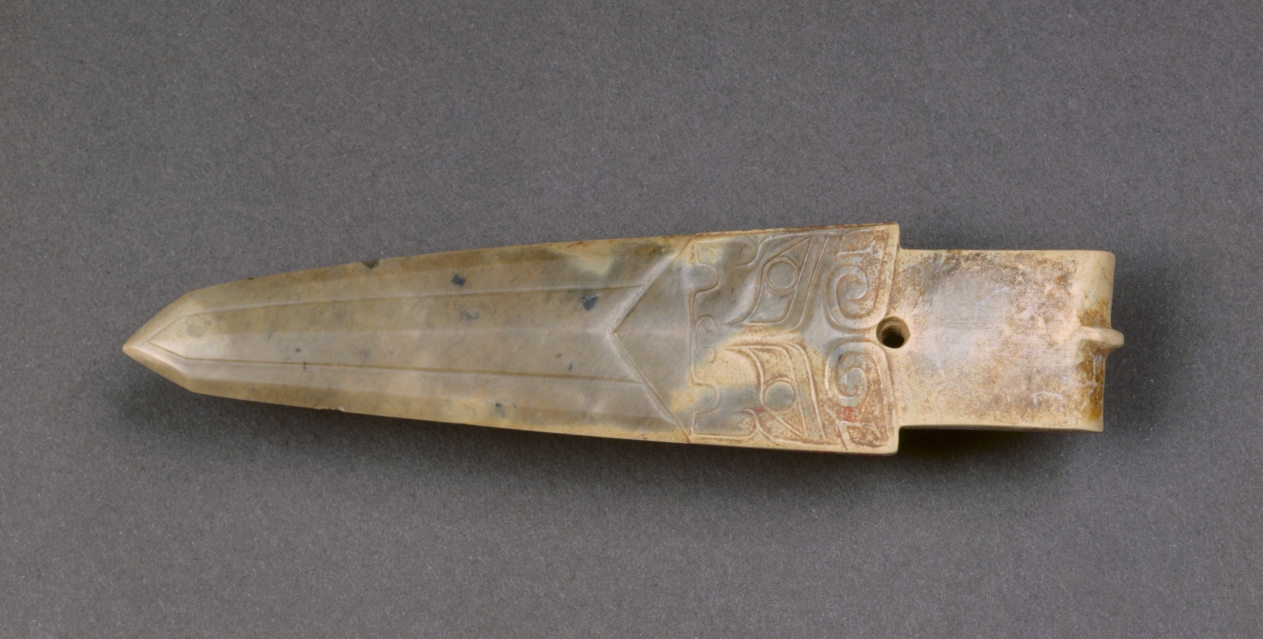
Ceremonial Dagger-Axe with Animal Masks (Ge)
Cleveland Museum of Art
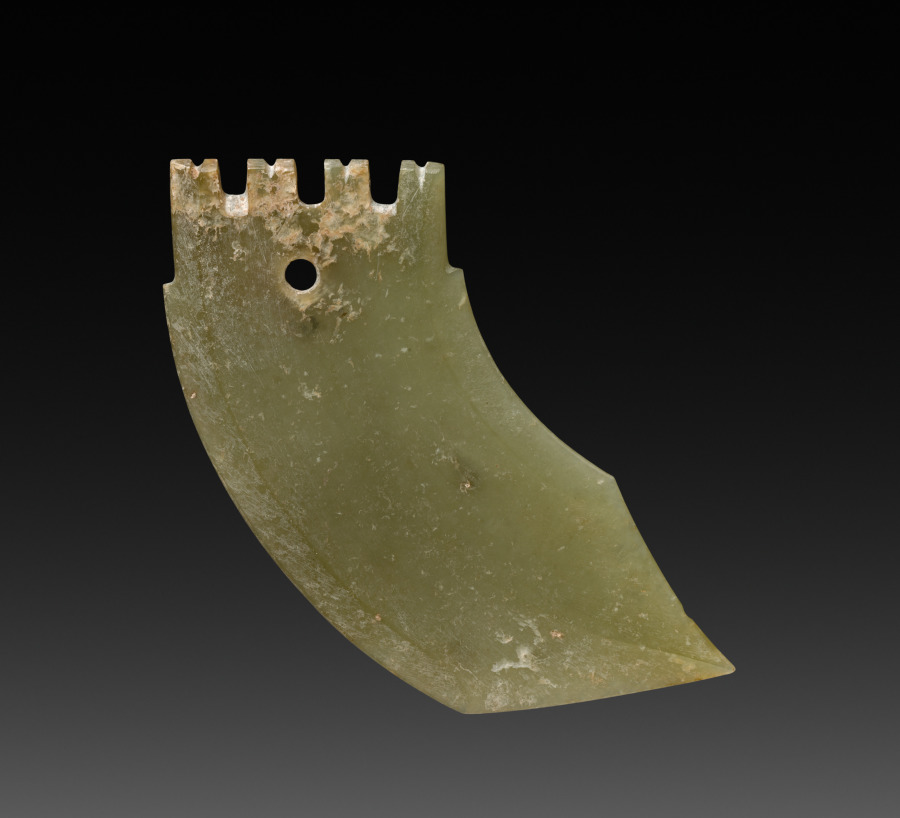
Dagger-Axe Shaped Pendant
Cleveland Museum of Art
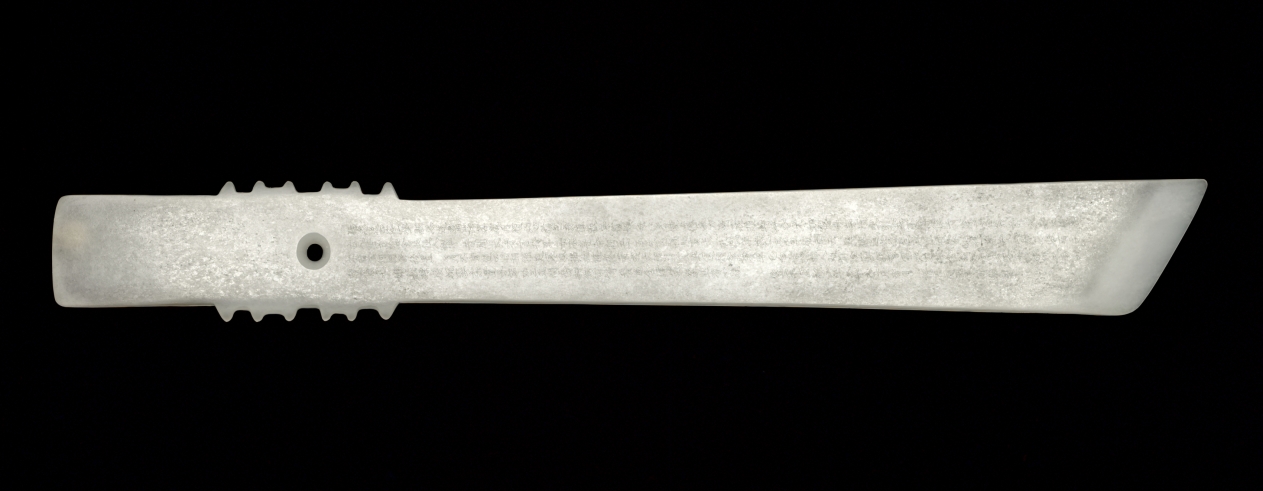
Scepter (Gui) with Miscellaneous Poems by Tao Qian (365–427 CE)
Cleveland Museum of Art
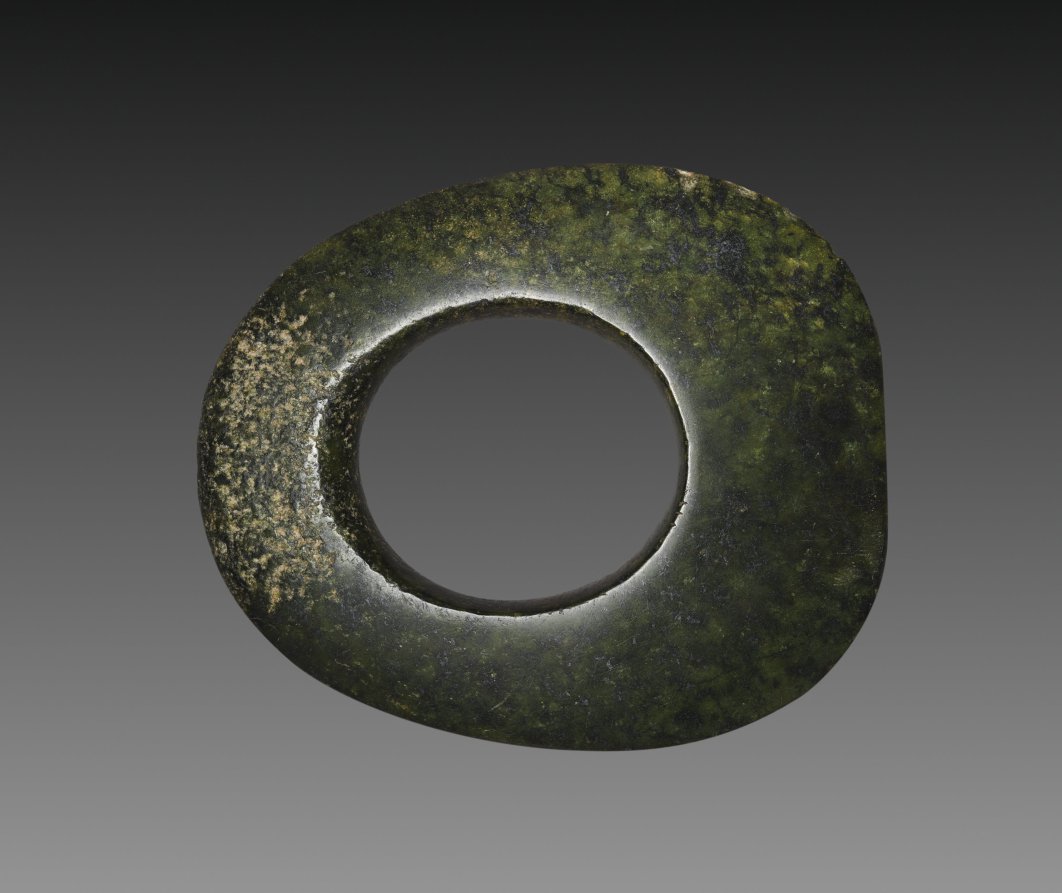
Ceremonial Disk-Axe (Yue)
Cleveland Museum of Art
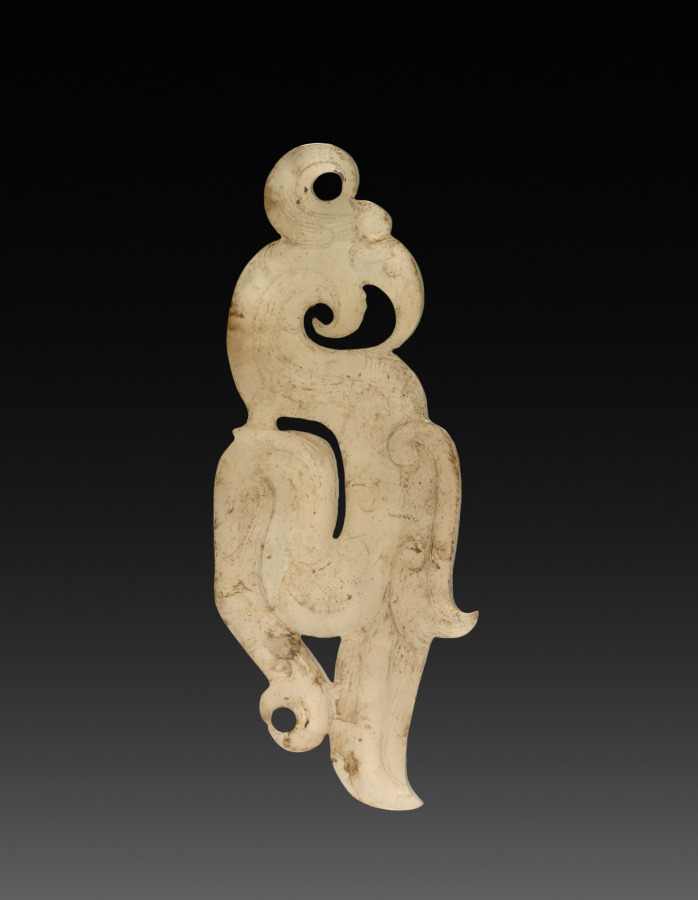
Curvilinear Bird
Cleveland Museum of Art
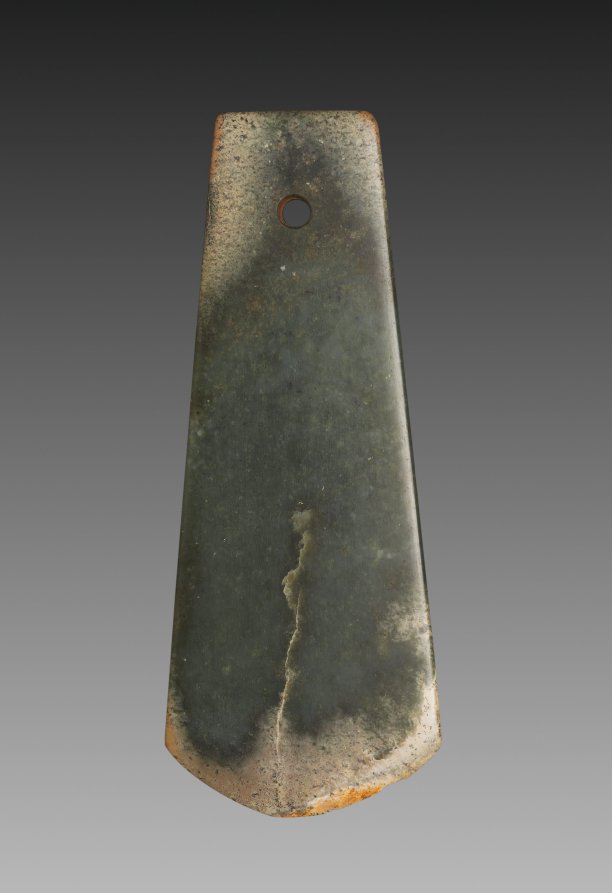
Ceremonial Axe (Fu)
Cleveland Museum of Art