Cleveland Museum of Art
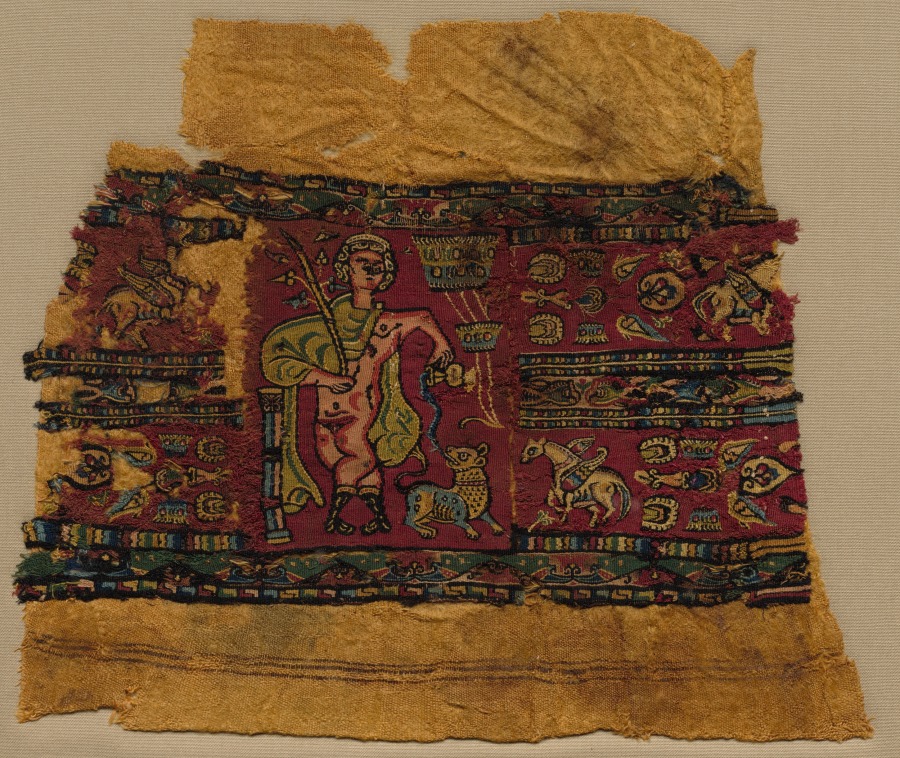
Sleeve from a Tunic
- Date
- 700s
- Medium
- wool; plain weave with slit-tapestry weave
- Culture
- Egypt, Umayyad period (661–750) or Abbasid period (750–1258)
- Department
- Textiles
- Institution
- Cleveland Museum of Art
Figures and winged animals from ancient Greece and Rome remained popular during the early Islamic period of the Umayyad and Abbasid dynasties. The naked figure could represent Dionysus, the Greek god of wine; he holds his thyrsus, a staff decorated with ivy leaves and pinecones, while pouring liquid from a small jug for the panther. These colorful designs probably adorned the sleeve and front or back of a tunic, a garment worn directly on the body for over 1,000 years, from Roman antiquity to the Middle Ages. Popular decorations were regularly reused and sewn onto new tunics, as can be seen on this winter garment made of wool.
The authoritative record is held by Cleveland Museum of Art. LinkedCulture surfaces this object and its connections; it does not alter institutional metadata.
Related across collections
Semantically similar works from Cleveland Museum of Art and other institutions.
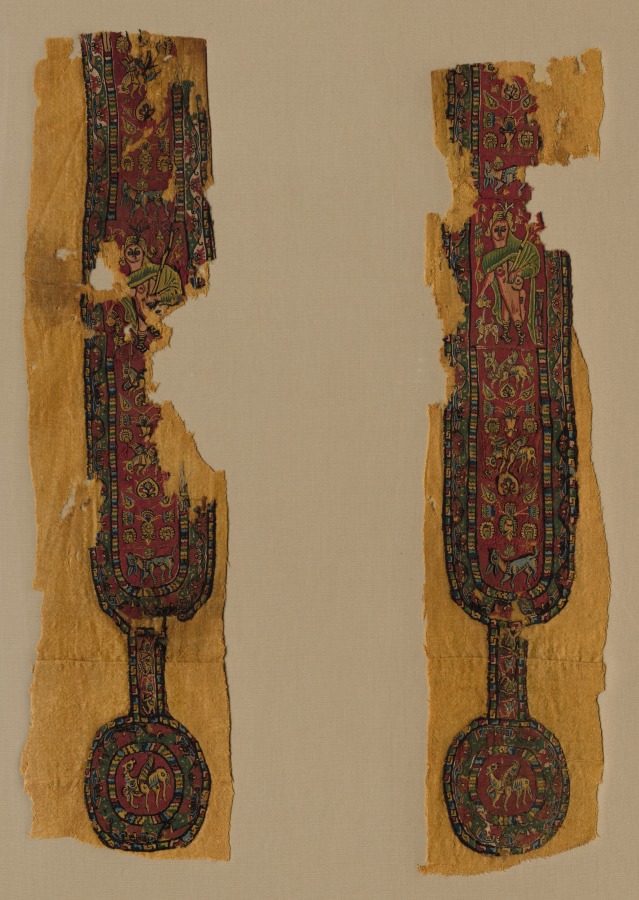
Decorations and Sleeve from a Tunic
Cleveland Museum of Art
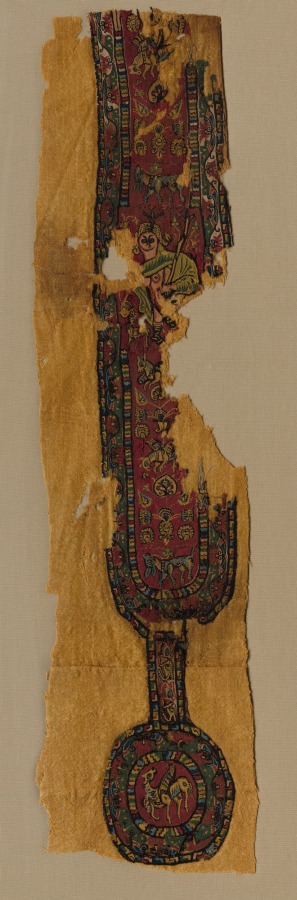
Clavi (Decorative Band)
Cleveland Museum of Art
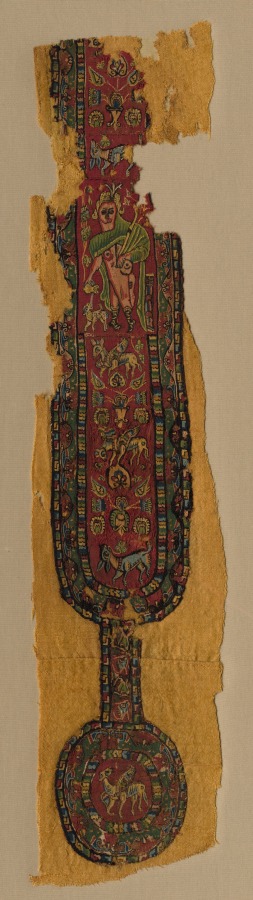
Clavi (Decorative Band)
Cleveland Museum of Art
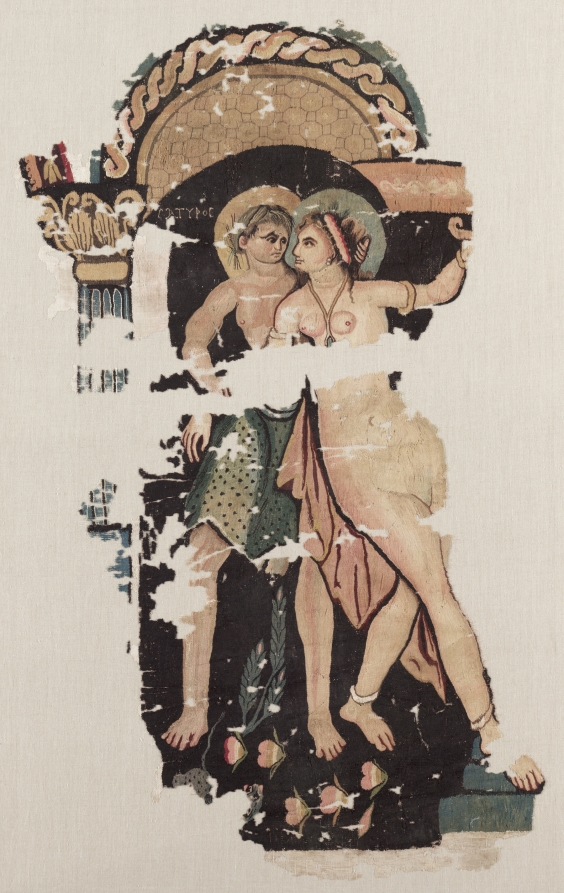
Fragment with Satyr and Maenad
Cleveland Museum of Art
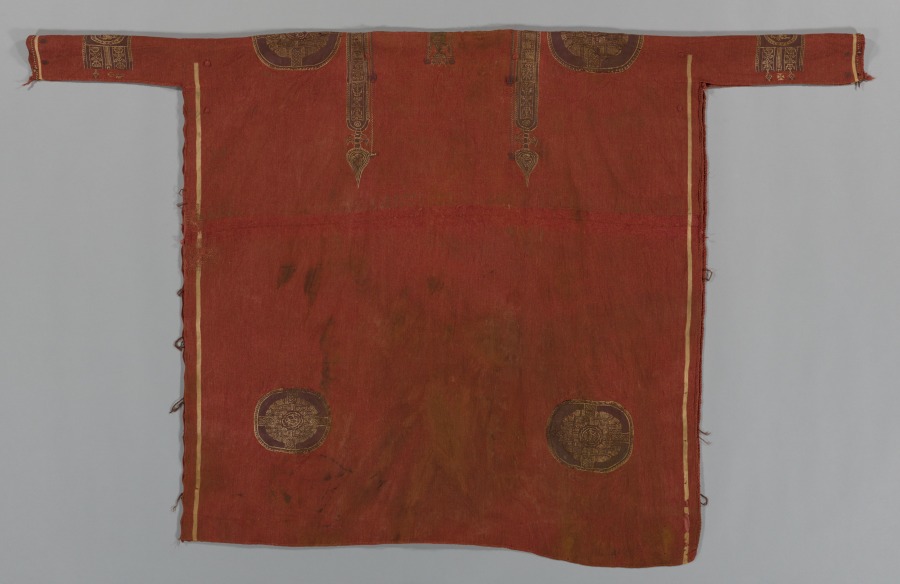
Luxurious Woolen Tunic with Decorated Bands and Roundels
Cleveland Museum of Art
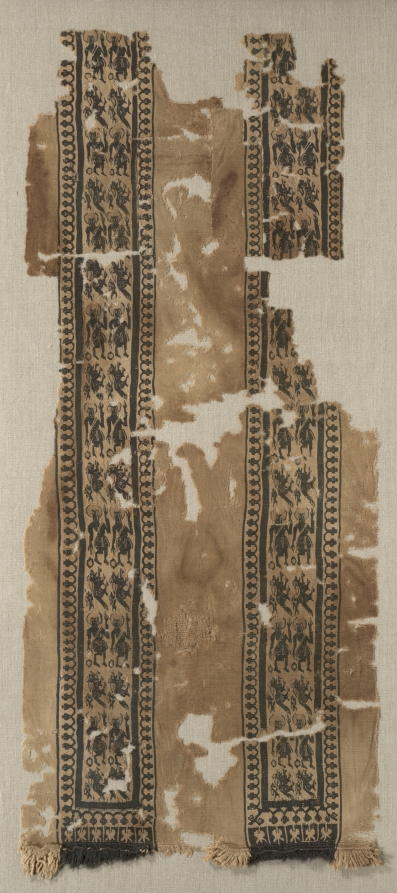
Fragment of a Tunic
Cleveland Museum of Art
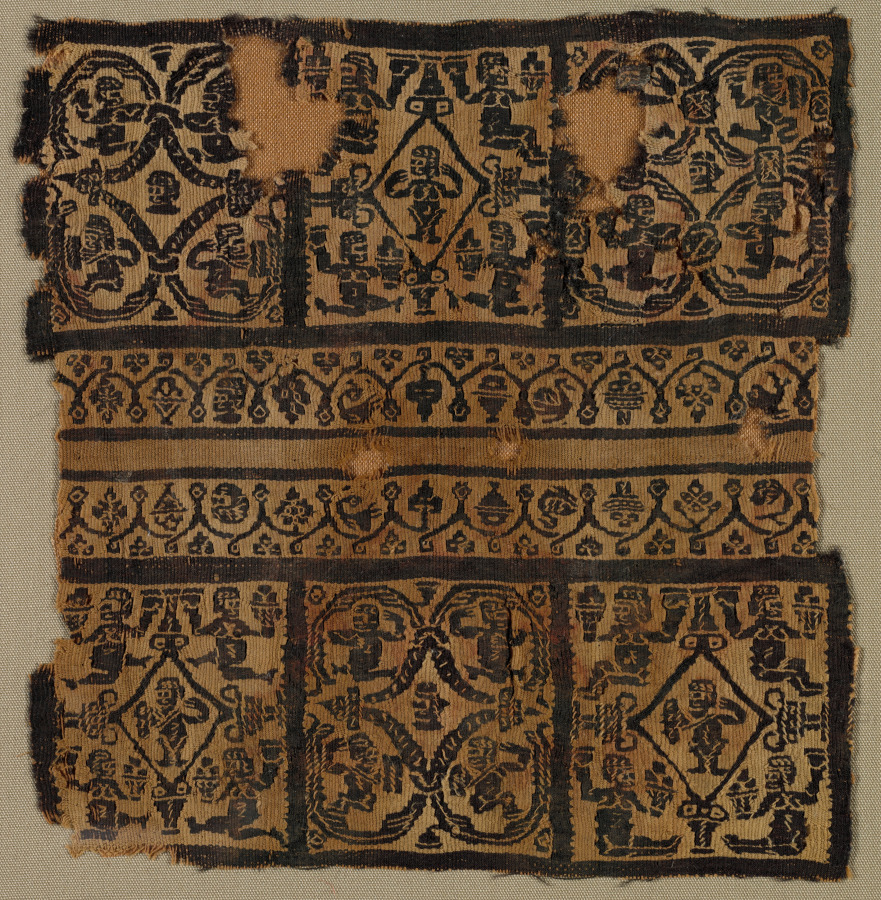
Fragment, Sleeve Ornament from a Tunic
Cleveland Museum of Art
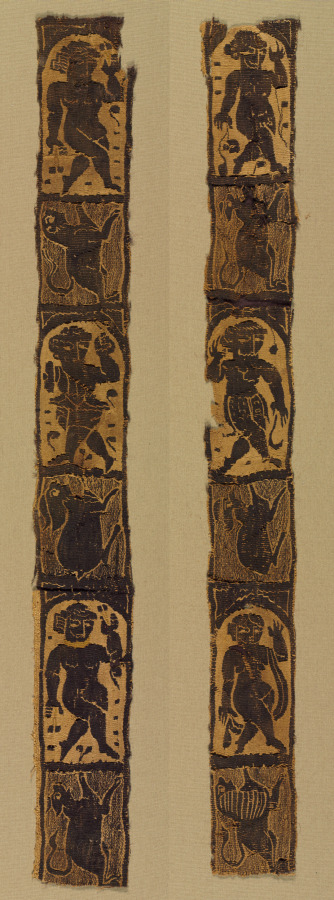
Ornamental Shoulder Bands from a Tunic
Cleveland Museum of Art
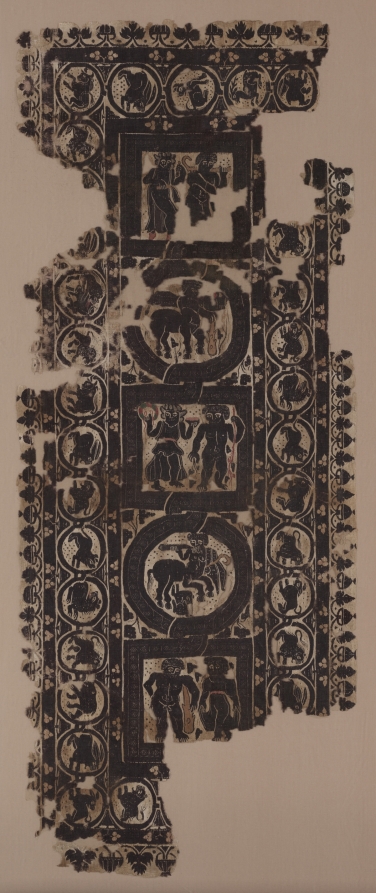
Curtain Panel with Scenes of Merrymaking
Cleveland Museum of Art
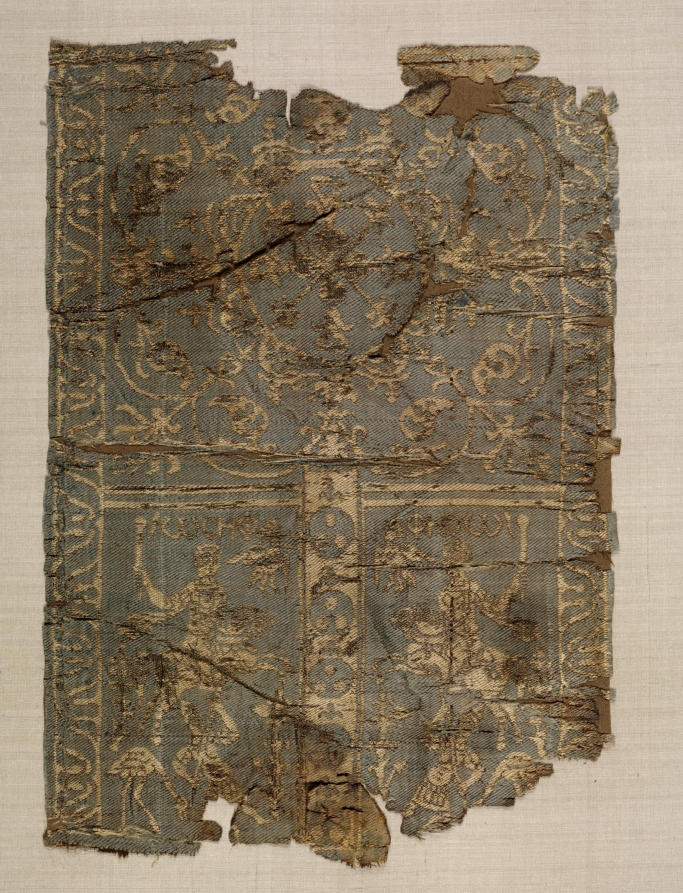
Silk Sleeve Decoration with Hunters
Cleveland Museum of Art
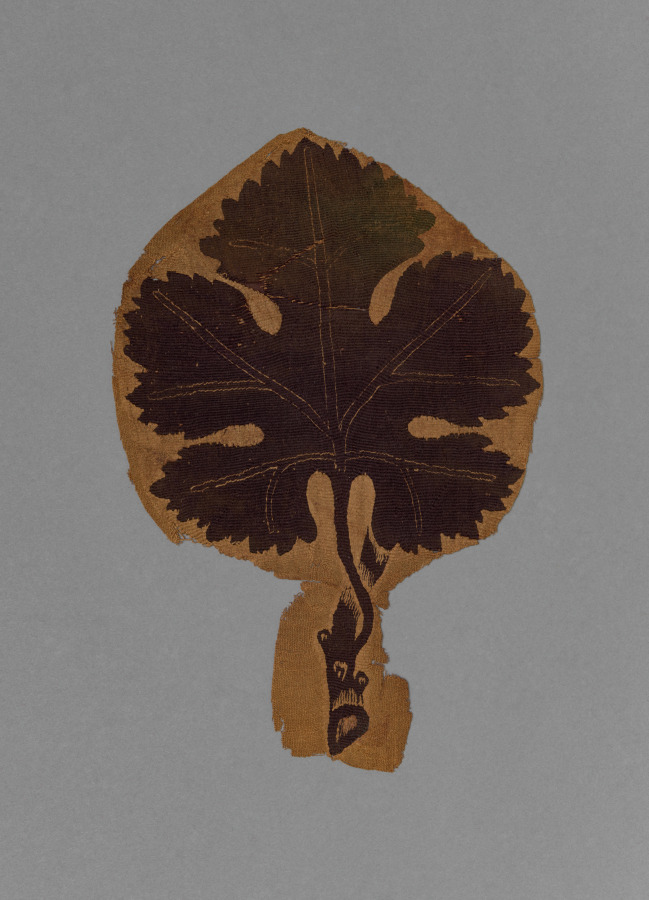
Grape Leaf from a Curtain
Cleveland Museum of Art
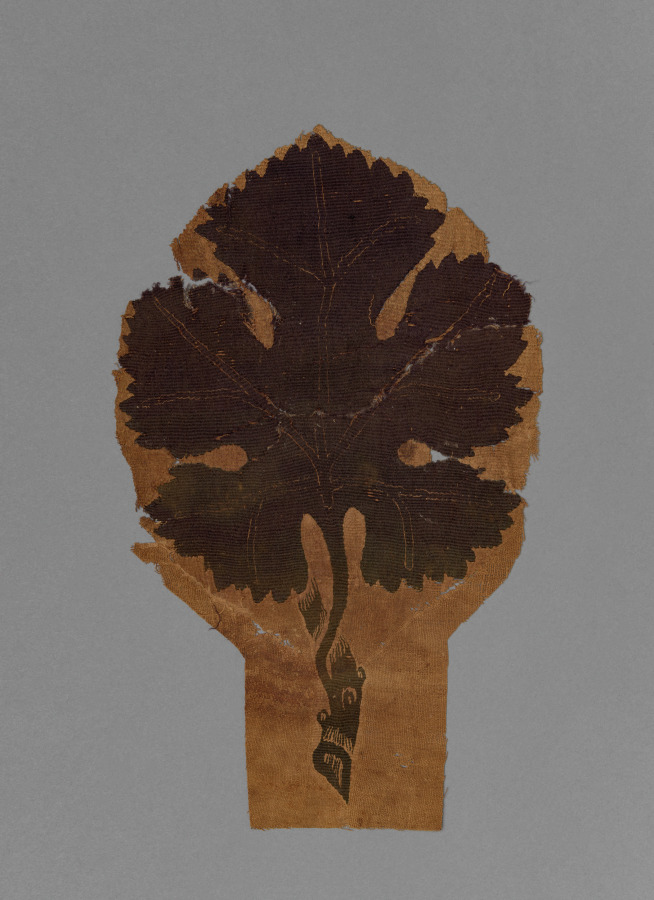
Grape Leaf from a Curtain
Cleveland Museum of Art