
Cleveland Museum of Art
Running Animals Belt
- Date
- c. 1000 BCE
- Medium
- bronze, hammered and incised
- Culture
- Caucasus, Russia or Turkey, Koban culture
- Department
- Egyptian and Ancient Near Eastern Art
- Institution
- Cleveland Museum of Art
The design is one of running and leaping animals "drawn" with an elegance, vigor, and power reminiscent of those cultures who have lived most closely with wild animals and therefore appreciated them best, such as, for one example, the Neolithic cave painters of Lascaux. The animal figures on the belt are not actually drawn, but are punched with an extremely fine punch tool in very carefully planned lines that actually look as though they are drawn. This was a technique used in about 1000 BC. The Scythians arose from nomadic tribes that wandered from the steppes to eastern Europe; the greatest numbers of finds related to them have come from the areas around the Black Sea.
The authoritative record is held by Cleveland Museum of Art. LinkedCulture surfaces this object and its connections; it does not alter institutional metadata.
Related across collections
Semantically similar works from Cleveland Museum of Art and other institutions.

Hunting the Hare
Minneapolis Institute of Art

Belt Plaque
Getty Museum
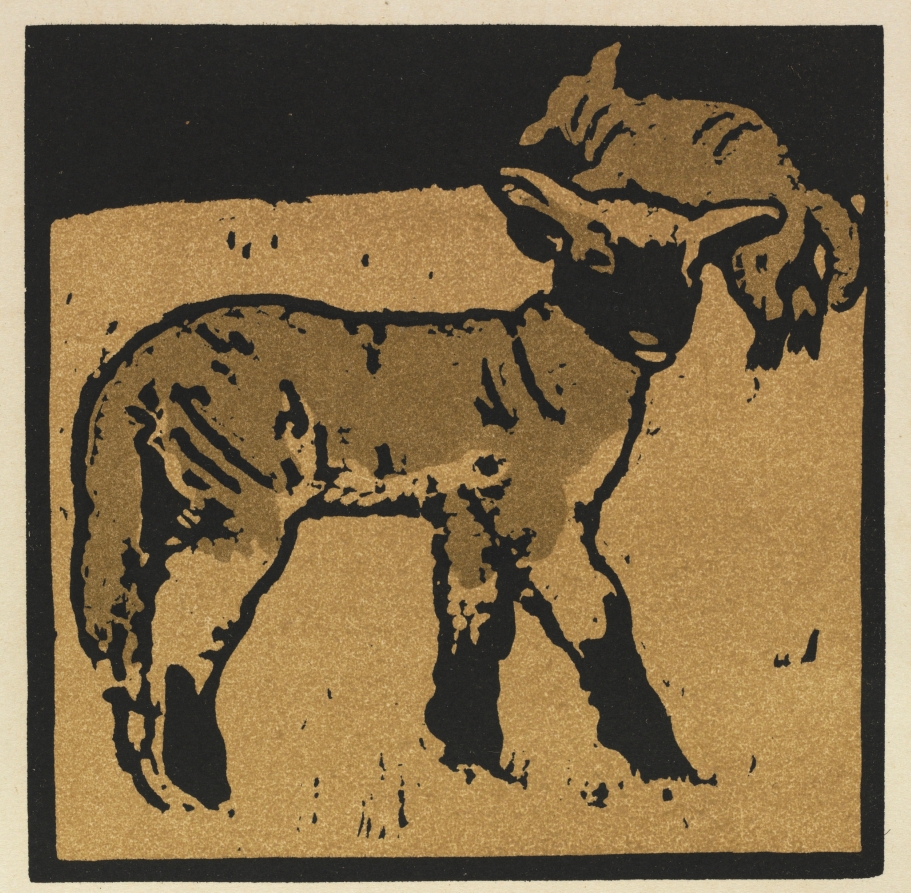
The Square Book of Animals: The Very Tame Lamb
Cleveland Museum of Art

Armored Belt Fragment
Getty Museum
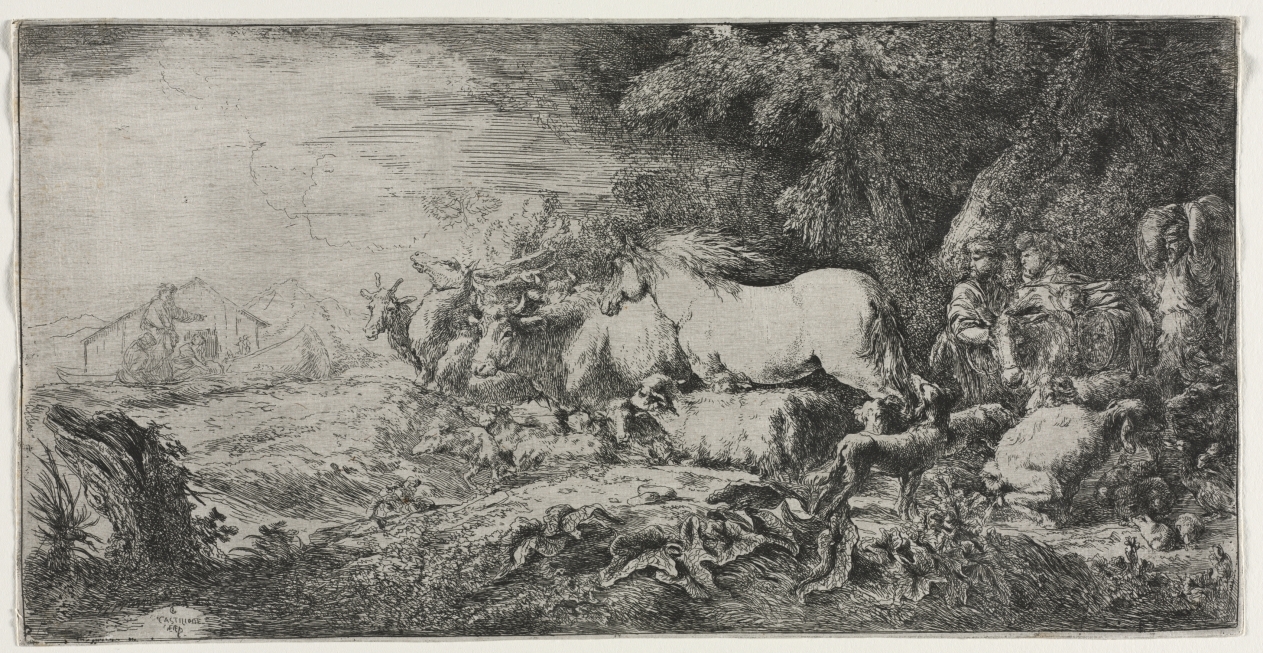
Noah and the Animals Entering the Ark
Cleveland Museum of Art
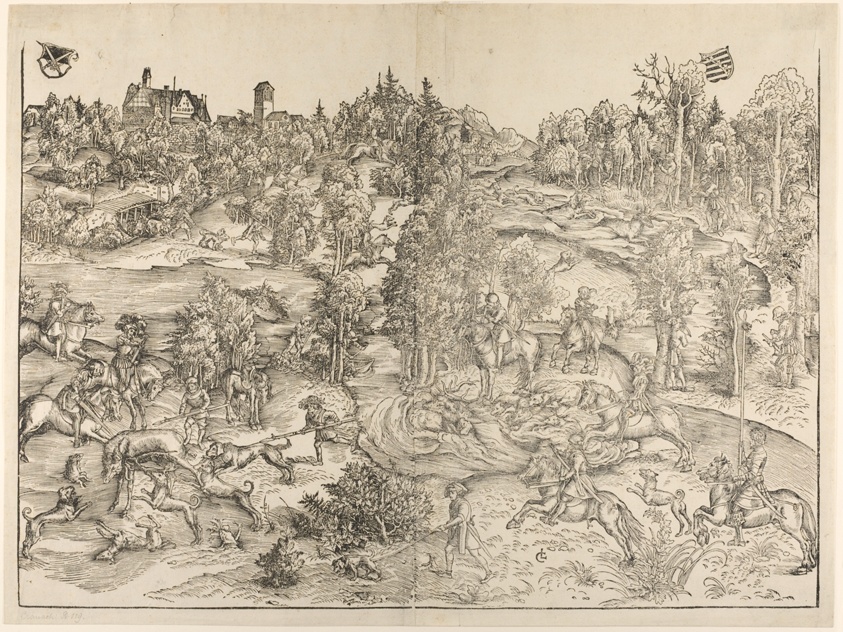
The Stag Hunt
Art Institute of Chicago
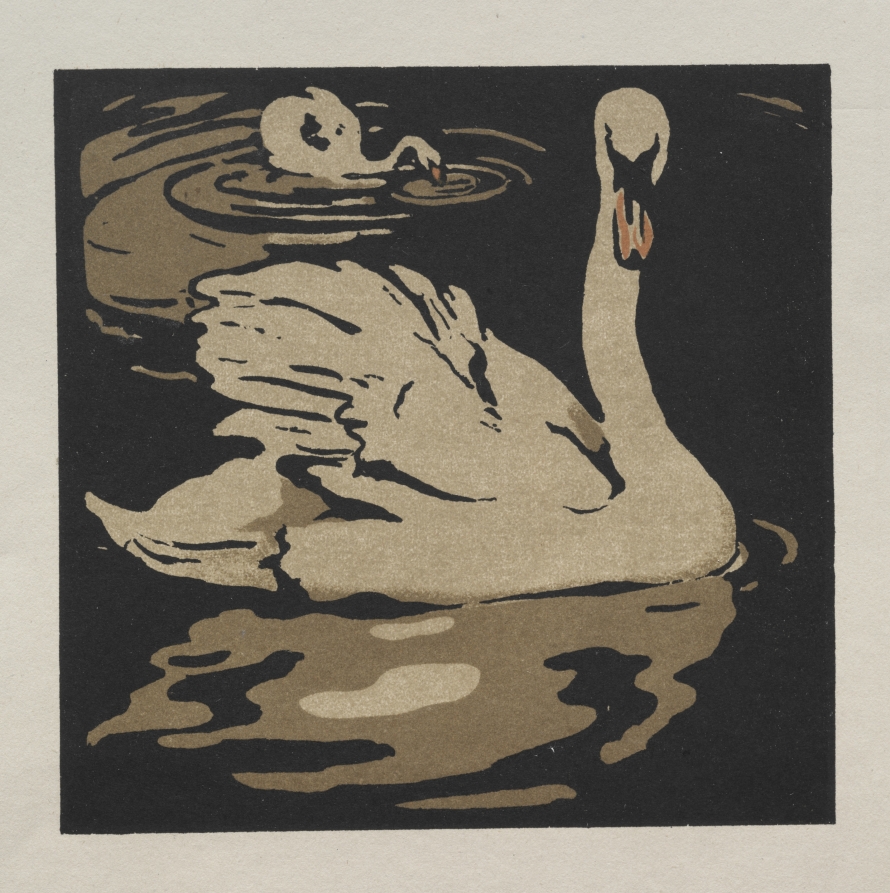
The Square Book of Animals: The Beautiful Swan
Cleveland Museum of Art

A Wild Boar at Bay
Getty Museum

The Animals Going Toward the Ark
Minneapolis Institute of Art

Hunting the Stag
Minneapolis Institute of Art
Mounted Horsemen and a Large Pack of Dogs Chasing a Stag
Harvard Art Museums
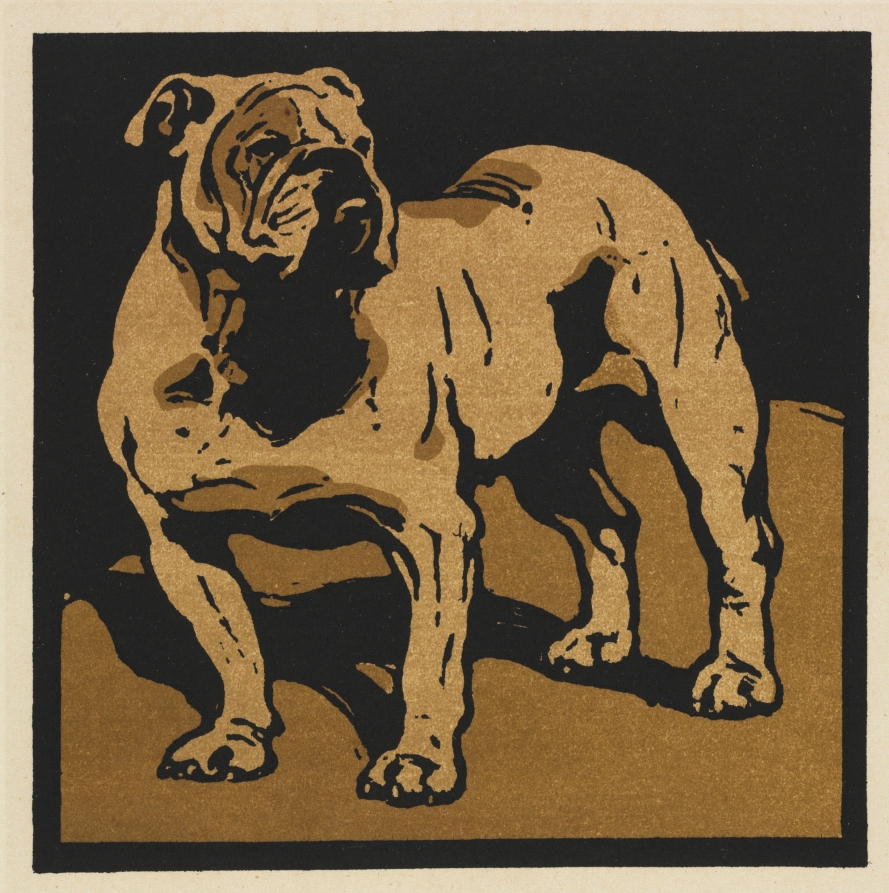
The Square Book of Animals: The British Bull-Dog
Cleveland Museum of Art