Cleveland Museum of Art
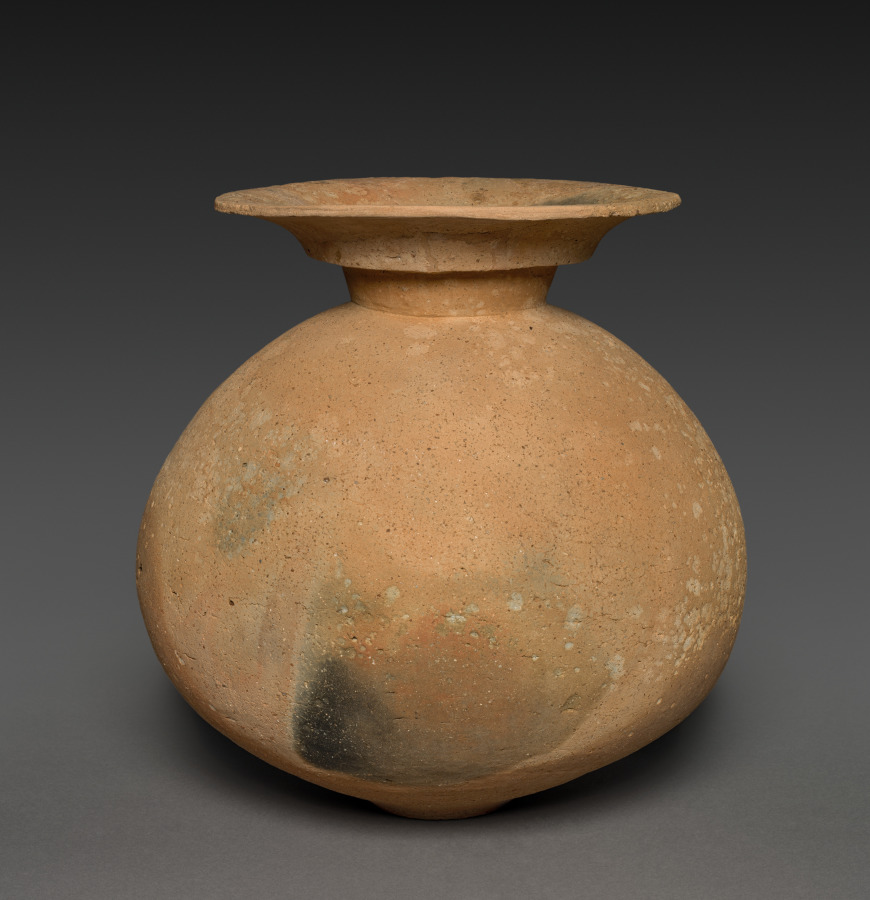
Vessel
- Date
- 300s BCE
- Medium
- Earthenware
- Culture
- Japan, Yayoi period (c. 300 BCE–300 CE)
- Department
- Japanese Art
- Institution
- Cleveland Museum of Art
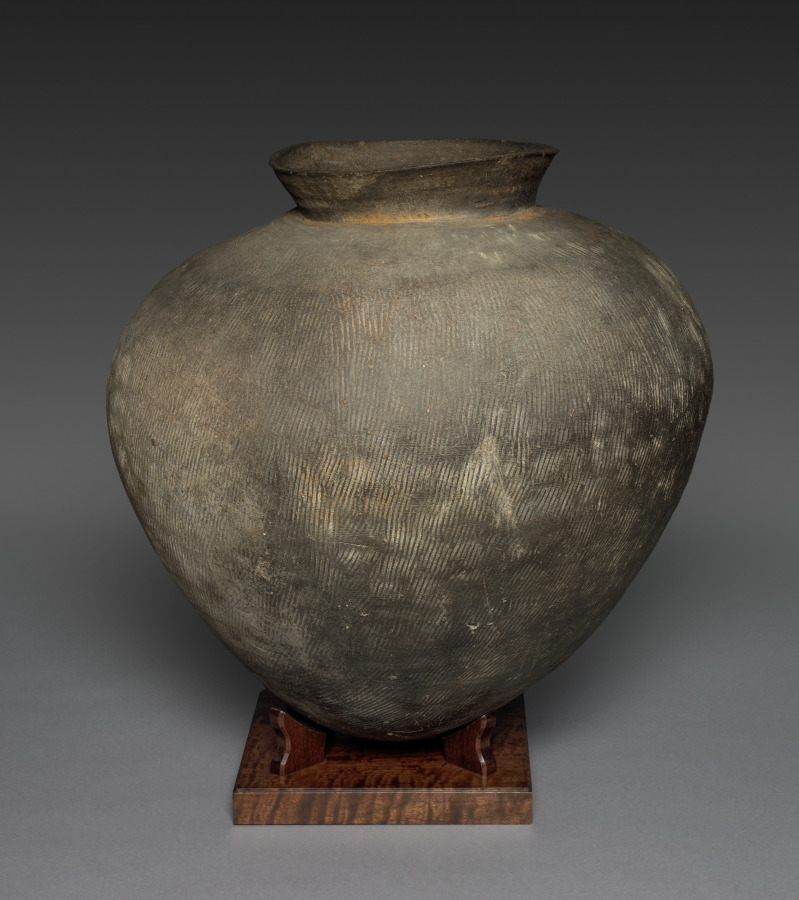
Pottery existed for thousands of years in Japan before the Yayoi period, but the development of wet rice agriculture and permanent settlements by previously nomadic communities changed its form significantly. Yayoi period pots were aimed more at long-term storage than those from prior millennia. Their smooth, unadorned surfaces and round shapes also reflect the style of contemporaneous works from the Korean peninsula, indicating the strong ties between Japanese communities and Korean kingdoms at the time. Yayoi ceramics, like this example, were likely made by laying one coil of clay on top of another to form the body of the vessel.
The authoritative record is held by Cleveland Museum of Art. LinkedCulture surfaces this object and its connections; it does not alter institutional metadata.
Related across collections
Semantically similar works from Cleveland Museum of Art and other institutions.

Deep Vessel with Four Projections
Minneapolis Institute of Art

Wide-Mouthed Jar
Minneapolis Institute of Art
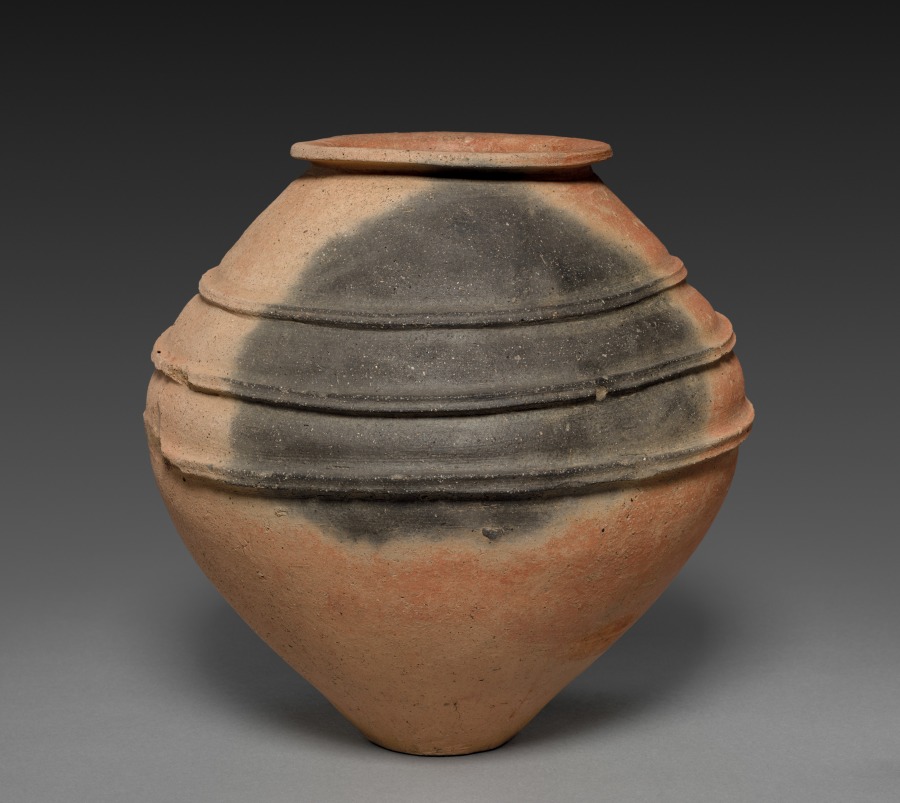
Jar
Cleveland Museum of Art

Wide-mouthed Jar
Minneapolis Institute of Art
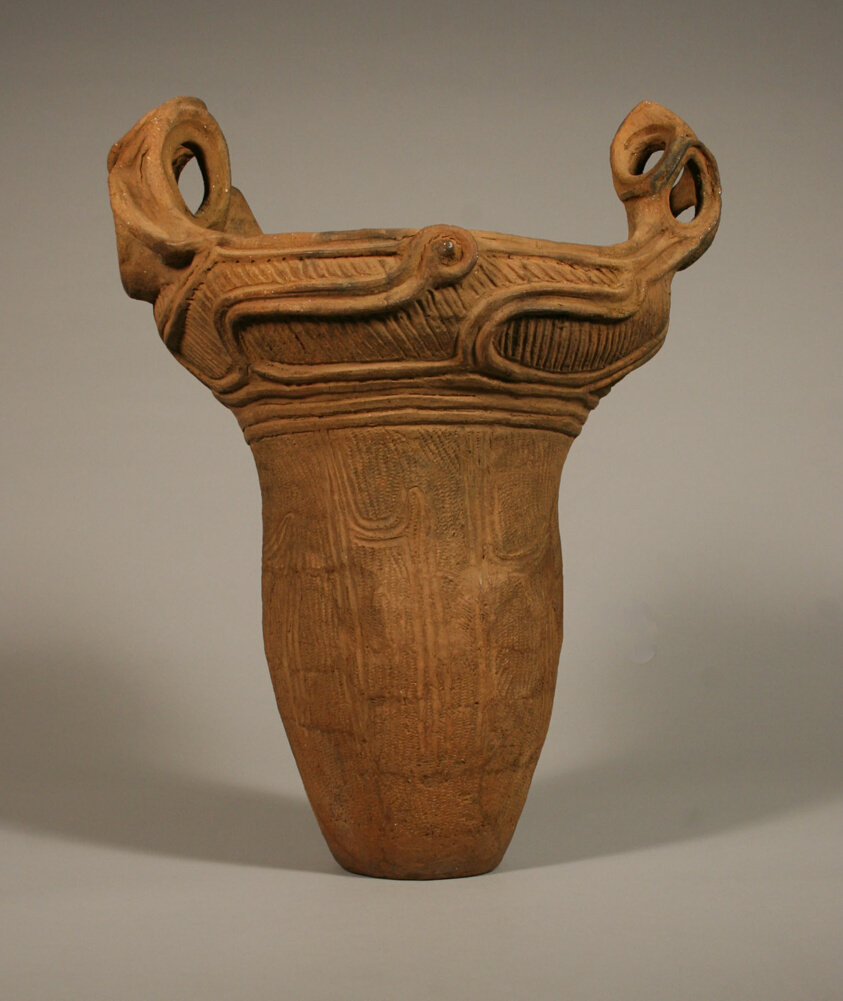
Jar with Handles
Art Institute of Chicago
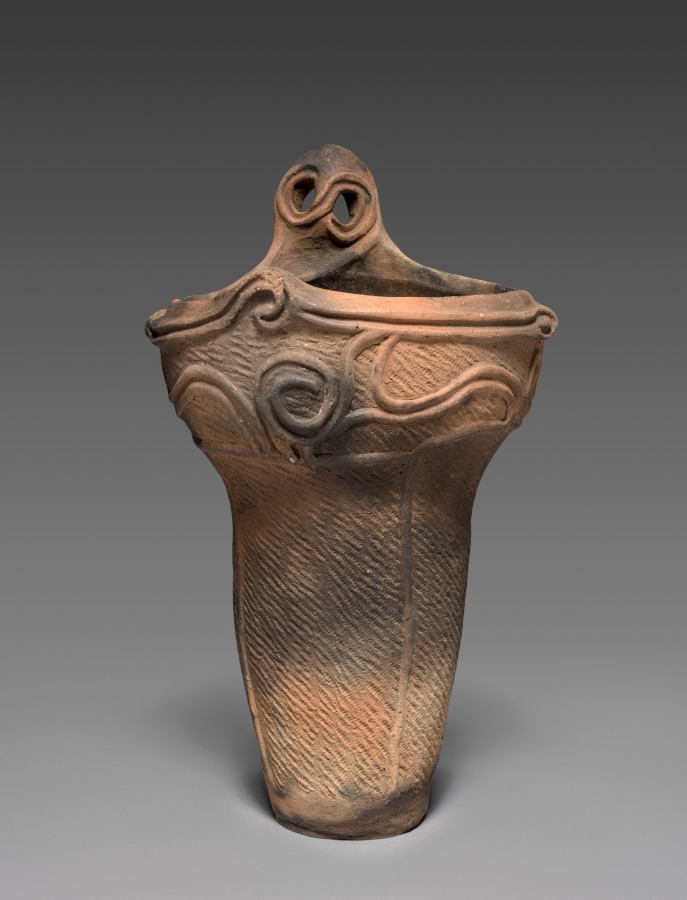
Cooking Vessel
Cleveland Museum of Art
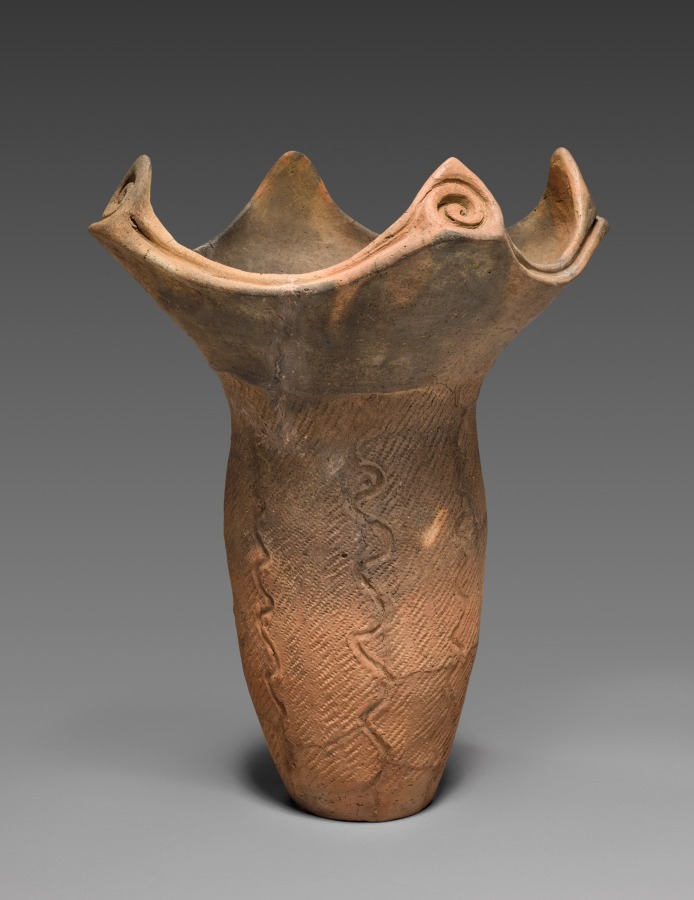
Deep Vessel
Cleveland Museum of Art
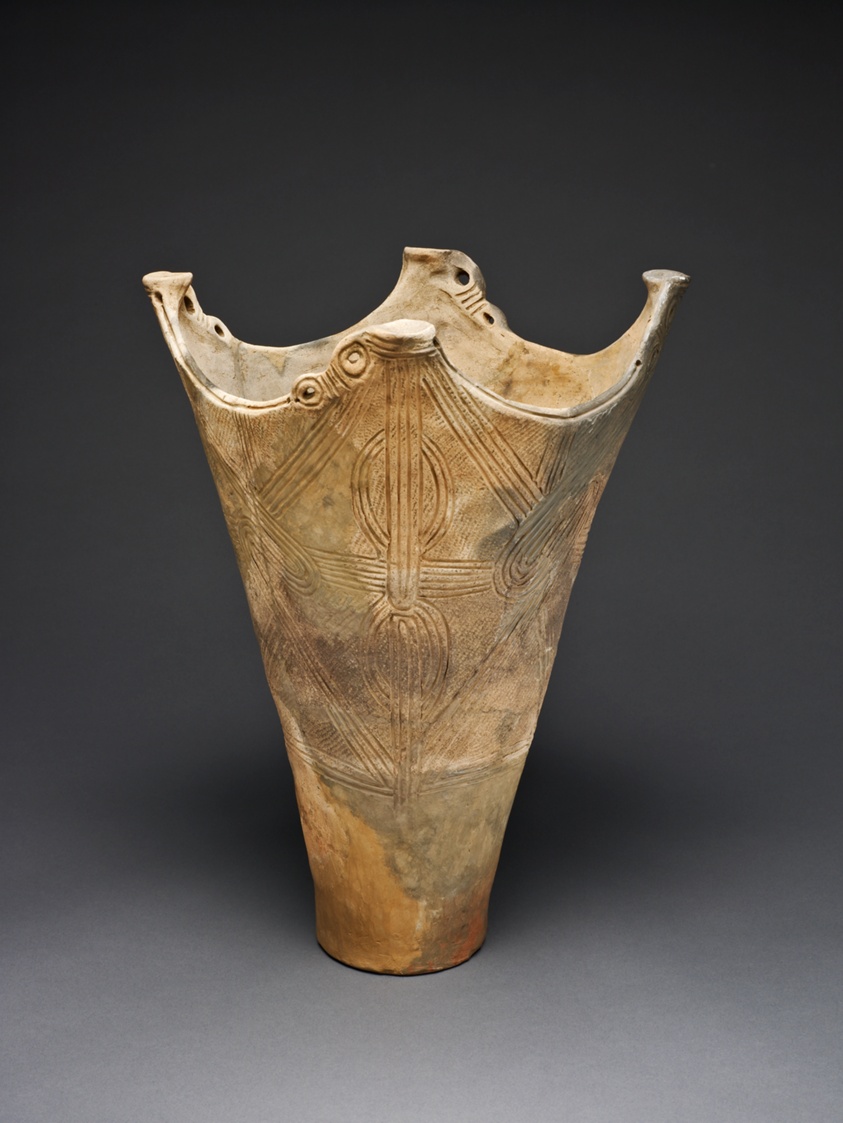
Deep Pot
Art Institute of Chicago
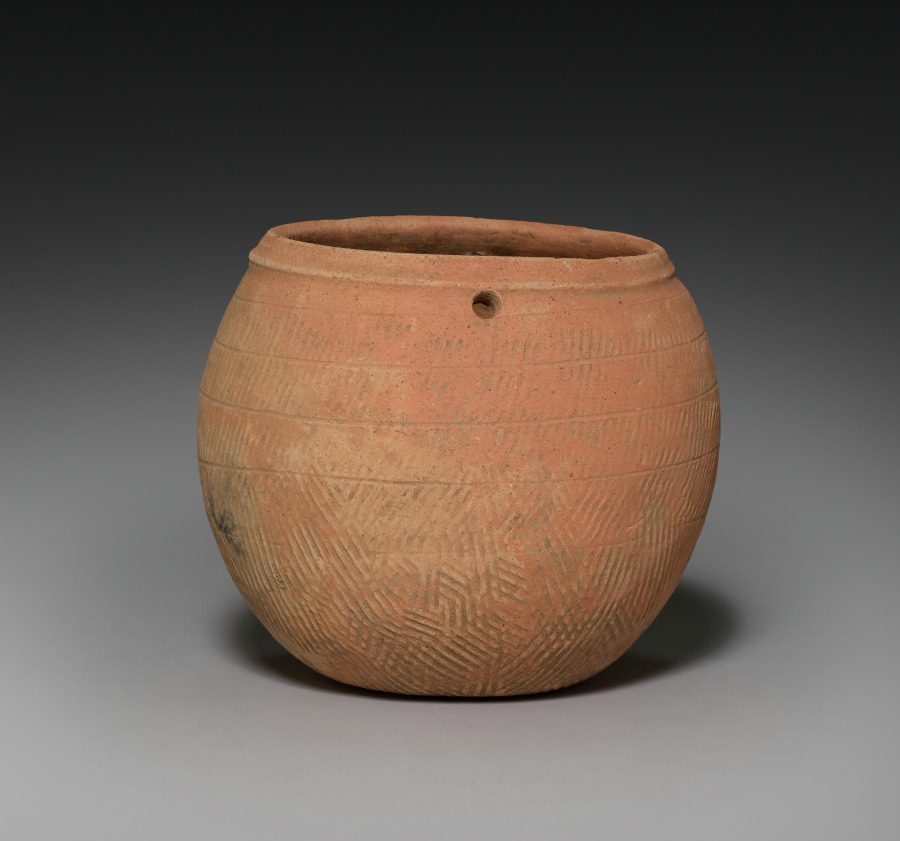
Lidded Vessel with Loop Handles
Cleveland Museum of Art
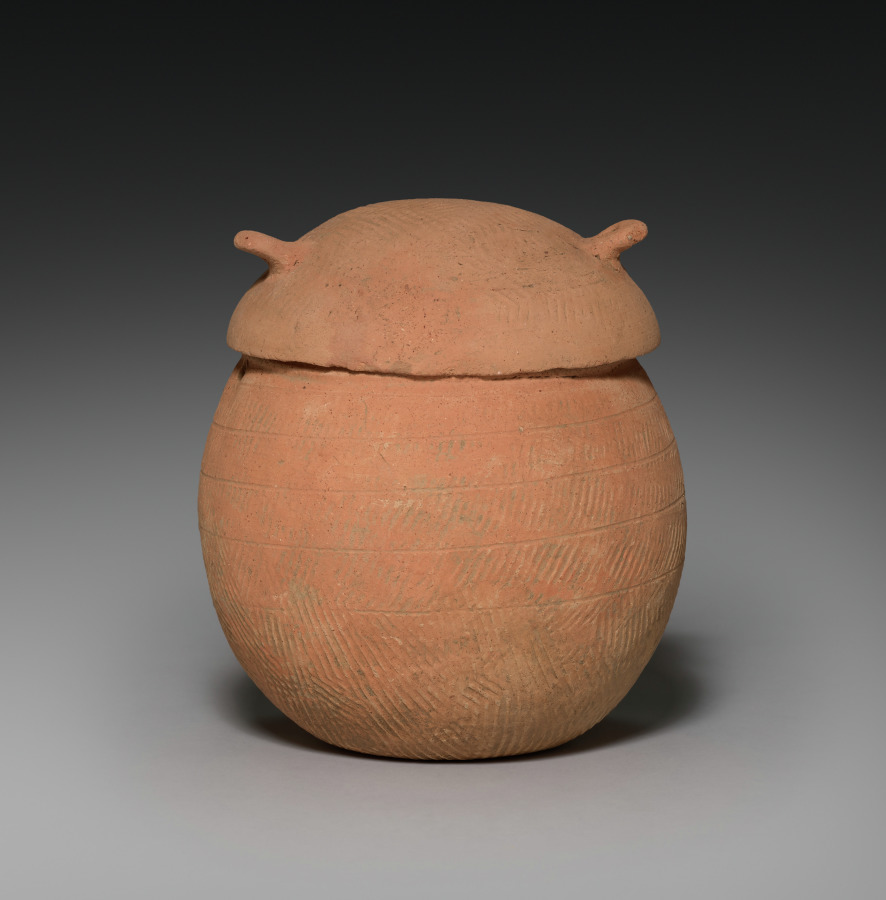
Lidded Vessel with Loop Handles
Cleveland Museum of Art
Storage Jar: Sueki ware
Cleveland Museum of Art
Pedestalled Dish
Cleveland Museum of Art