Cleveland Museum of Art
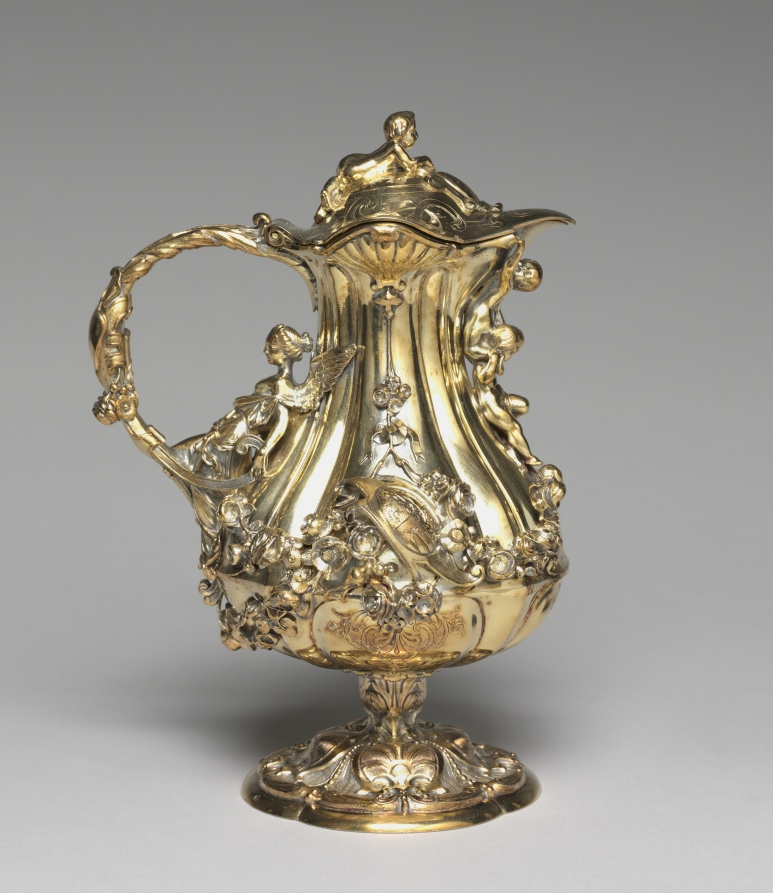
Covered Jug
Jean-Valentin Morel
- Date
- c. 1845
- Medium
- gilded silver
- Culture
- France, 19th century
- Department
- Decorative Art and Design
- Institution
- Cleveland Museum of Art
The elegance and richness of this ewer demonstrate the high level of technical mastery achieved by its maker. Morel studied under his father, a Parisian lapidary (someone who cuts, polishes, and engraves hard stones), and with Adrien Vachette, a maker of gold boxes. In 1842 he went into partnership with Charles-Edmond Duponchel, which lasted until the late 1840s, at which time he established himself in London, remaining there until 1852, when he returned to Paris. Morel frequentlyfollowed the designs of others, and it has been suggested that in the case of this pitcher his well-known contemporary, Jules Dieterle (1811-1889), may have conceived the overall form. The female figure seems to have been based on a design by the sculptor Jules Klagmann (1810-1867).
The authoritative record is held by Cleveland Museum of Art. LinkedCulture surfaces this object and its connections; it does not alter institutional metadata.
Related across collections
Semantically similar works from Cleveland Museum of Art and other institutions.
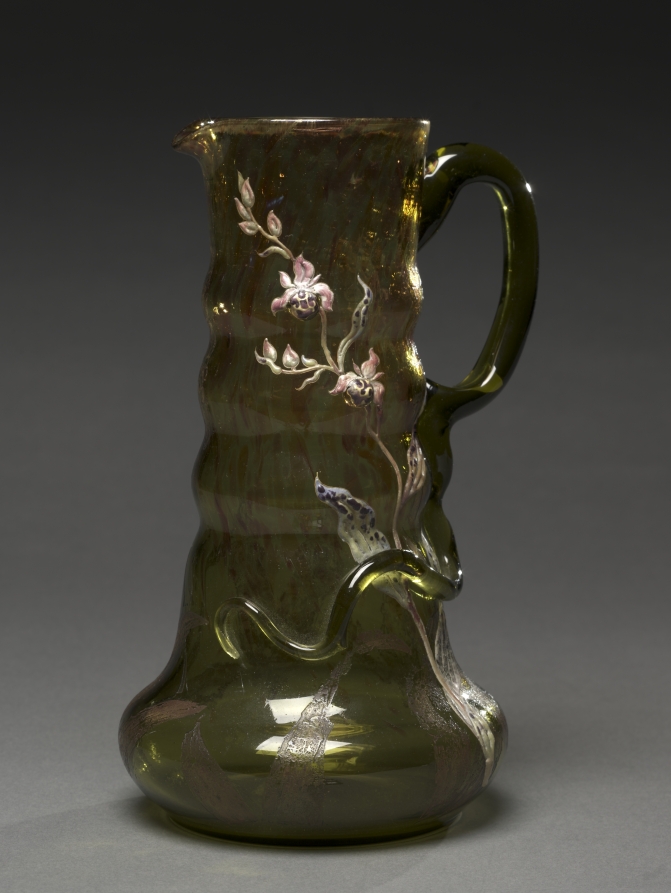
Pitcher
Cleveland Museum of Art
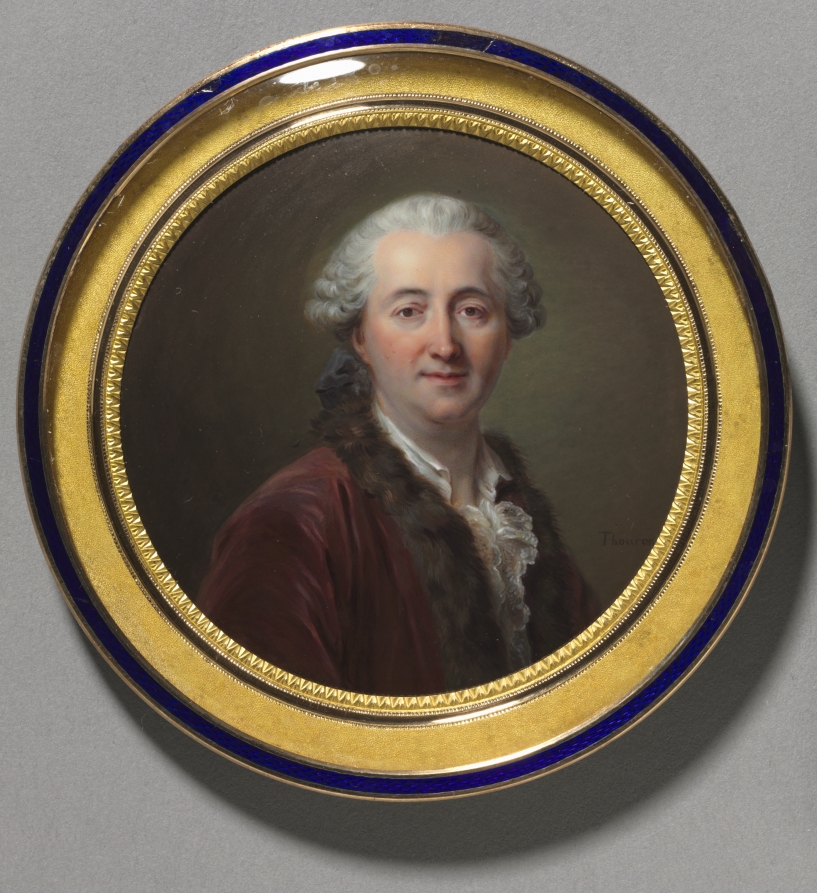
Portrait of Étienne François, comte de Stainville, duc de Choiseul
Cleveland Museum of Art

Wall Clock (pendule d'alcove)
Getty Museum
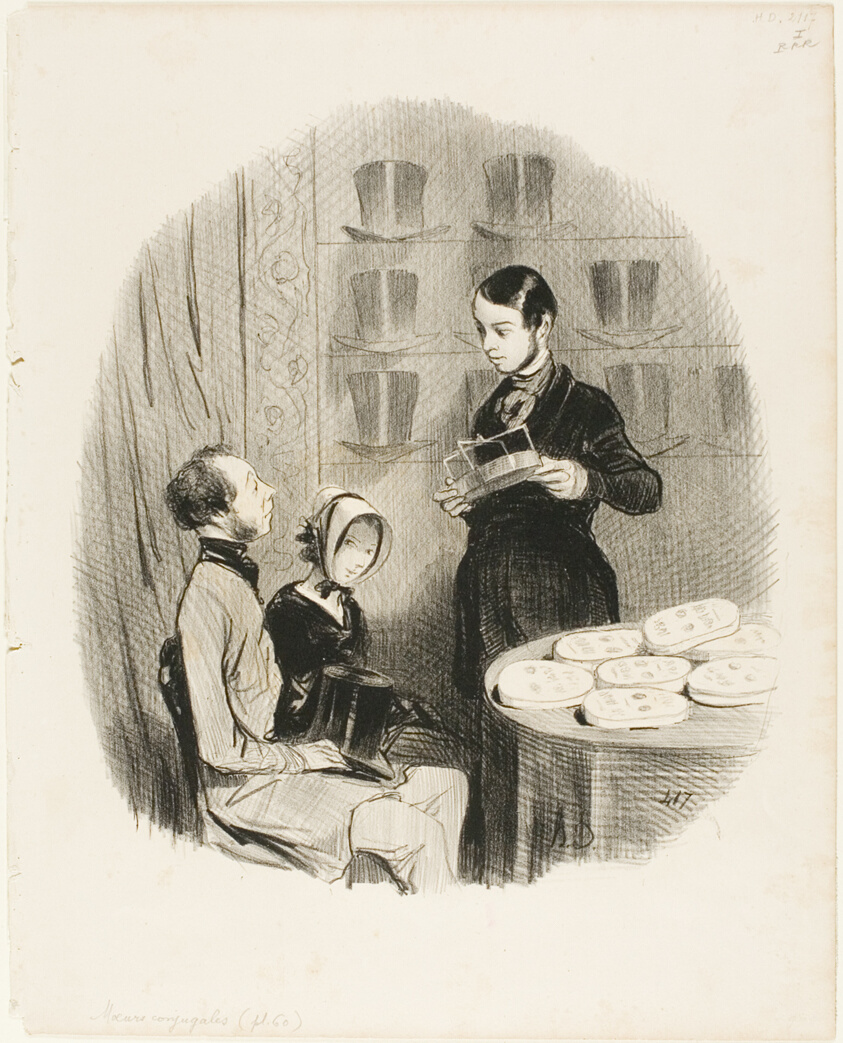
The Jayotype. "- Mr. Jay: The gentleman is married? - The gentleman: Certainly, but how the devil did you know that? - Mr. Jay: Oh, its that this instrument is perfect, that no curve of the head, no bump on the forehead can escape it. - The gentleman: How ingenious!," plate 60 from Moeurs Conjugales
Art Institute of Chicago

Secrétaire
Getty Museum
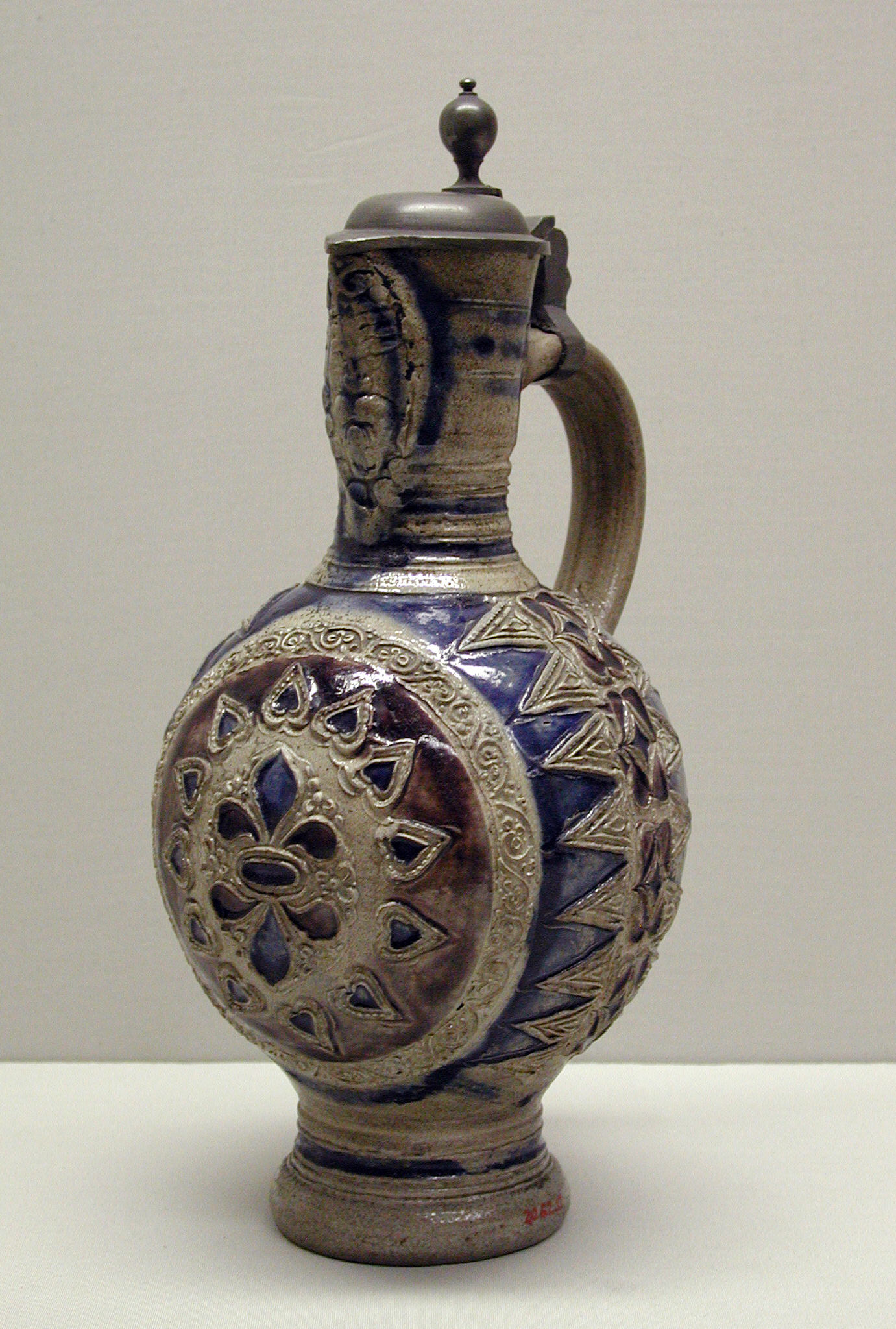
Jug
The Metropolitan Museum of Art
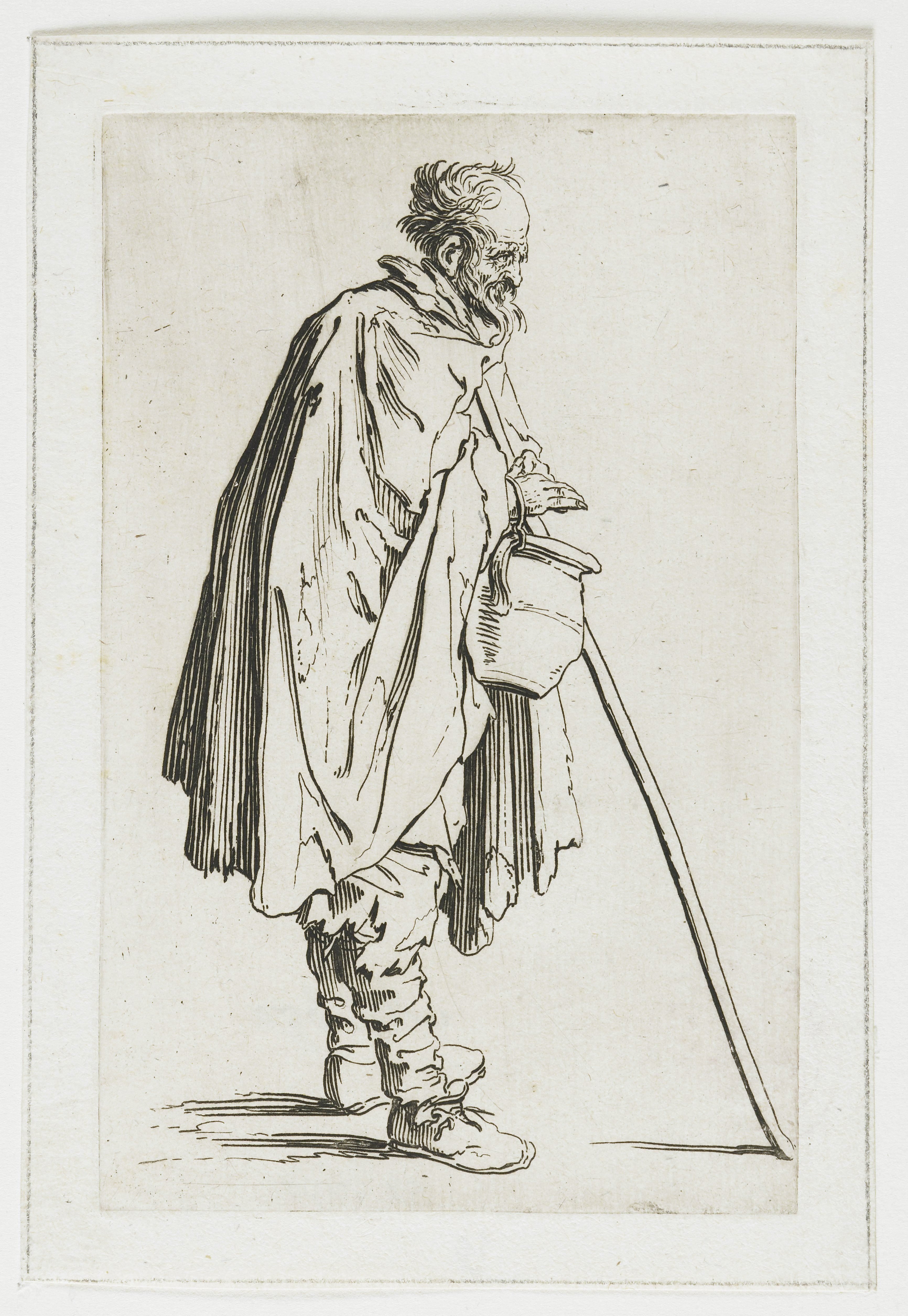
Bedelaar met een kruik en een stok
Rijksmuseum

Cup and Saucer (gobelet et soucoupe enfoncé, première grandeur)
Getty Museum
![Mr l'avocat a rendu pleine justice au rare talent déployé par le ministère public dans son réquisitoire [...] / N°16](https://apicollections.parismusees.paris.fr/sites/default/files/styles/thumbnail/collections/atoms/images/CAR/aze_carg002091_rec_001.jpg?itok=xz8YGp21)
Mr l'avocat a rendu pleine justice au rare talent déployé par le ministère public dans son réquisitoire [...] / N°16
Musée Carnavalet, Histoire de Paris
Il défend l'orphelin et la veuve, à moins pourtant qu'il n'attaque la veuve et l'orphelin. / N°22
Musée Carnavalet, Histoire de Paris
Mœurs conjugales/N°58/L'oeil du maître.
Musée Carnavalet, Histoire de Paris
![Mœurs conjugales/N°51/Hein ! Comme il regarde les cervelas, les jambons[...]](https://apicollections.parismusees.paris.fr/sites/default/files/styles/thumbnail/collections/atoms/images/CAR/aze_carg002287_rec_001.jpg?itok=GId-90dk)
Mœurs conjugales/N°51/Hein ! Comme il regarde les cervelas, les jambons[...]
Musée Carnavalet, Histoire de Paris