Cleveland Museum of Art
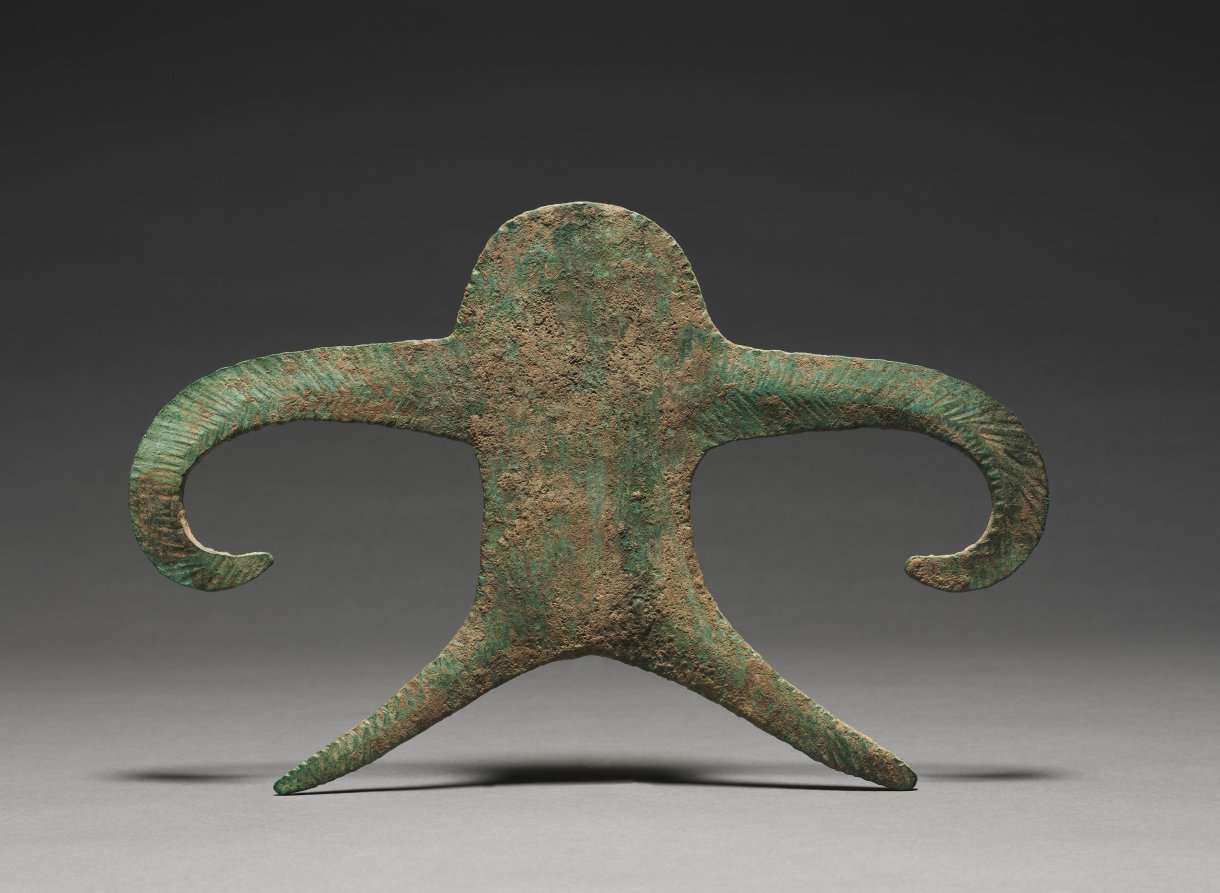
Anthropomorph
- Date
- c. 1500–1000 BCE
- Medium
- copper
- Culture
- India, Bronze Age
- Department
- Indian and Southeast Asian Art
- Institution
- Cleveland Museum of Art
Among the few works of art known from the first millennium BC in India, anthropomorphs such as this fine example have an abstract formal appeal, but their meaning and function remain mysterious. They were made during the approximately 1,500-year long period of time between the protohistoric Indus Valley civilization, which flourished between about 2,800–1,800 BC, and the Maurya period (322–187 BC), when works of art must have been made in perishable materials that no longer survive. Most of these mysterious objects were discovered in the plain regions of the Ganges and Yamuna Rivers of northern India.
The authoritative record is held by Cleveland Museum of Art. LinkedCulture surfaces this object and its connections; it does not alter institutional metadata.
Related across collections
Semantically similar works from Cleveland Museum of Art and other institutions.
Ringstone
Cleveland Museum of Art
Head of Buddha
Cleveland Museum of Art
Libation Cup
Cleveland Museum of Art
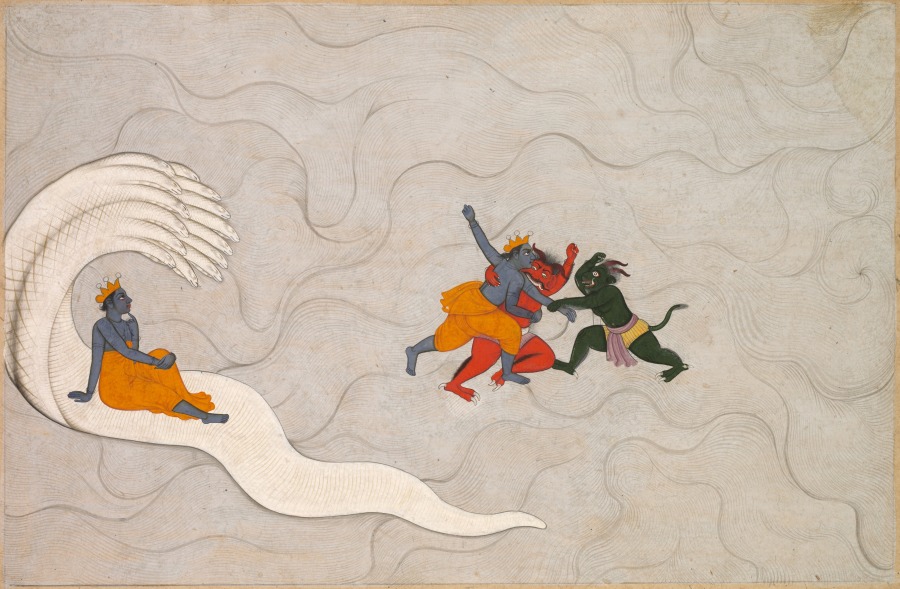
Vishnu Battles Madhu and Kaitabha, from a Markandeya Purana
Cleveland Museum of Art
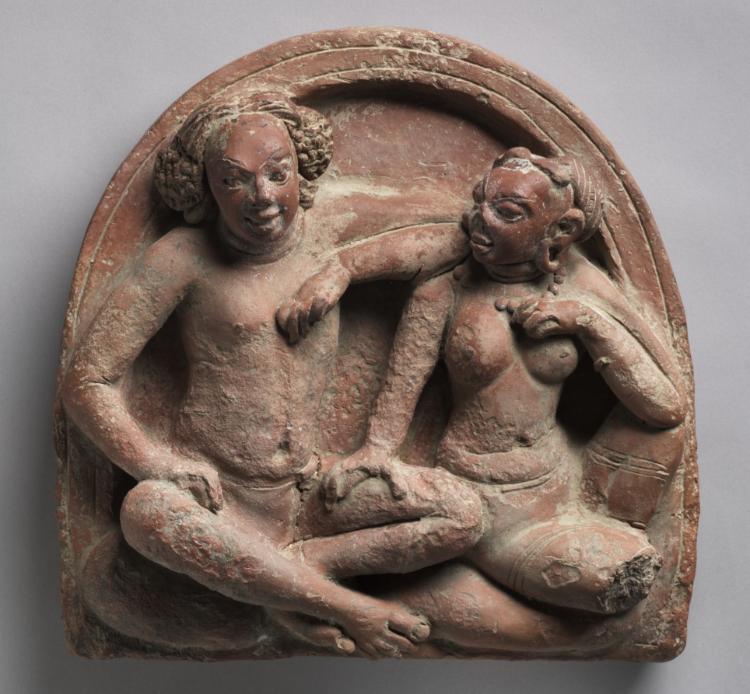
Amorous Couple (Mithuna)
Cleveland Museum of Art
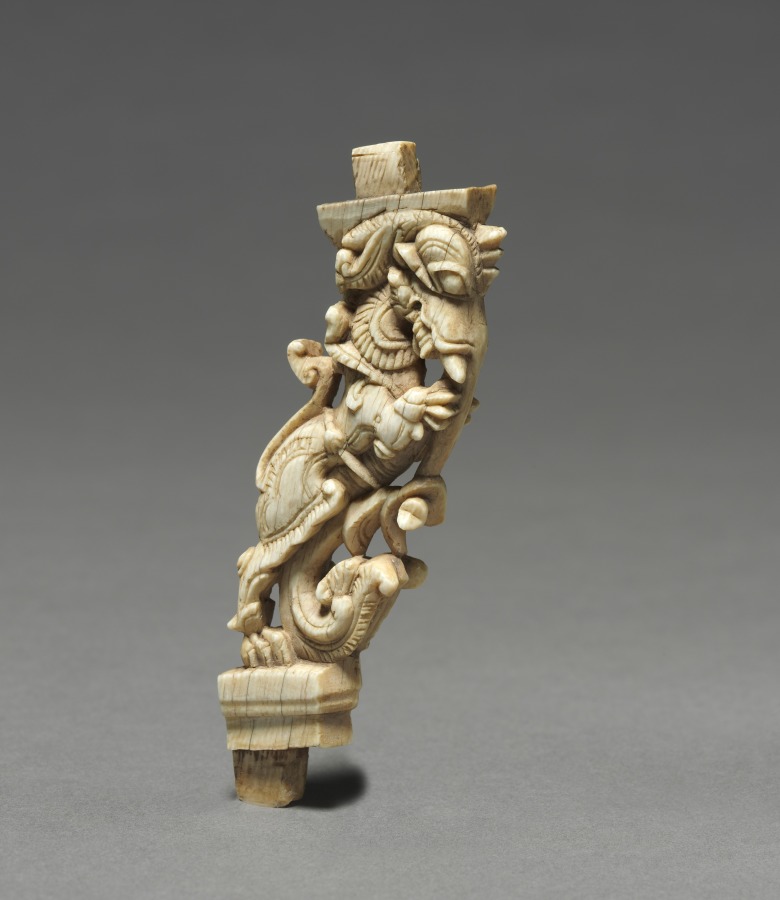
Carved Brackets
Cleveland Museum of Art
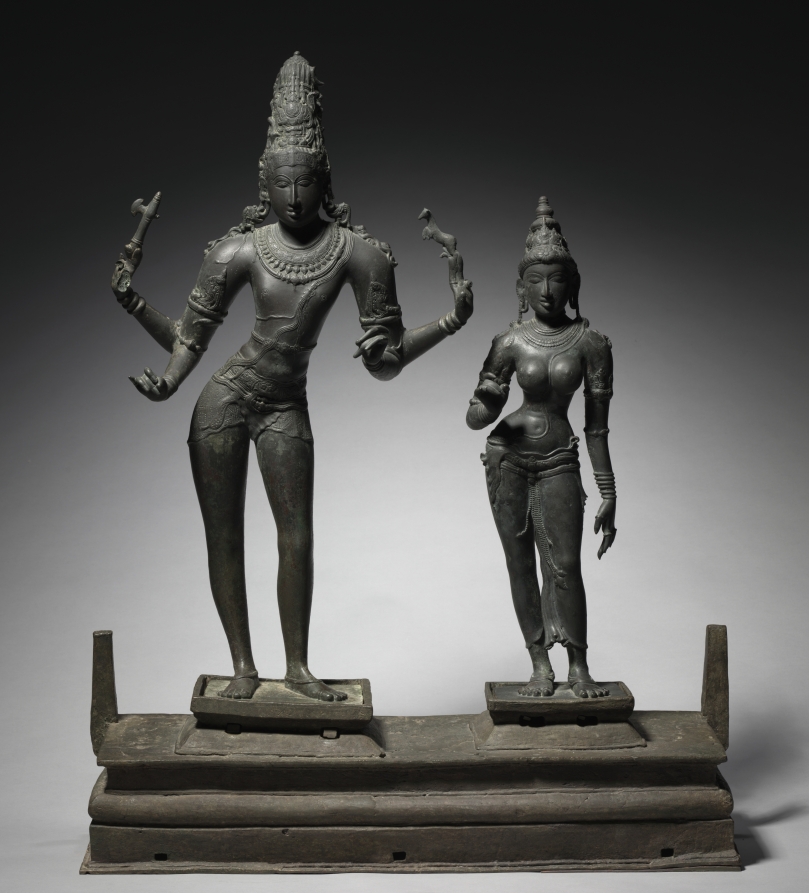
Shiva and Parvati
Cleveland Museum of Art
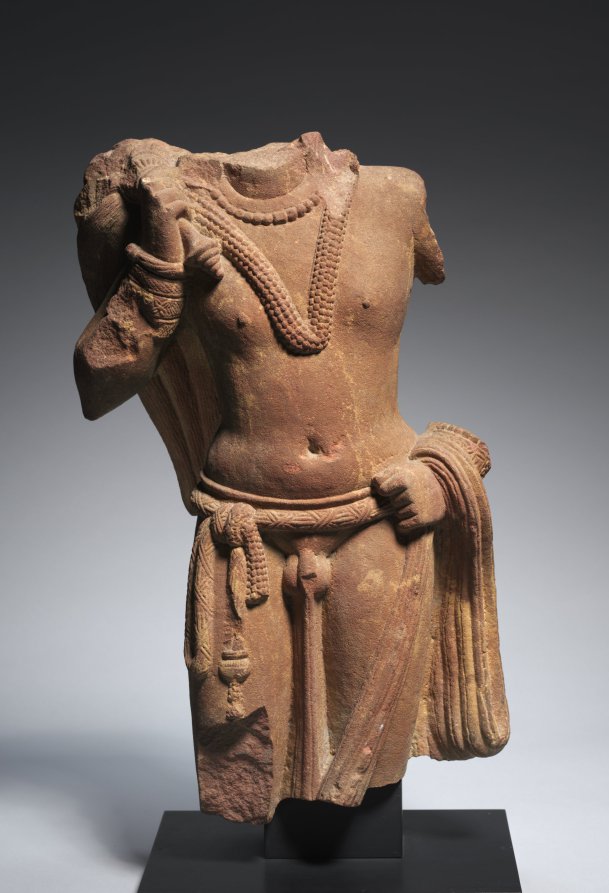
Attendant Bearing a Fly Whisk (Chauri)
Cleveland Museum of Art

Relief with a Floral Decoration
Minneapolis Institute of Art
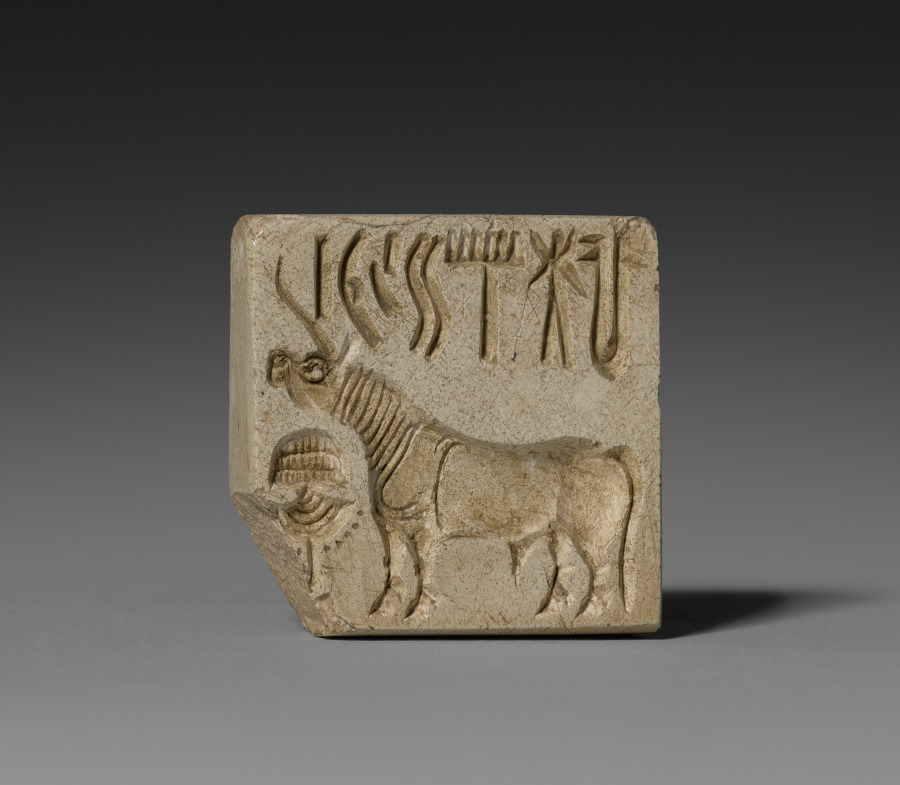
Seal with Unicorn and Inscription
Cleveland Museum of Art
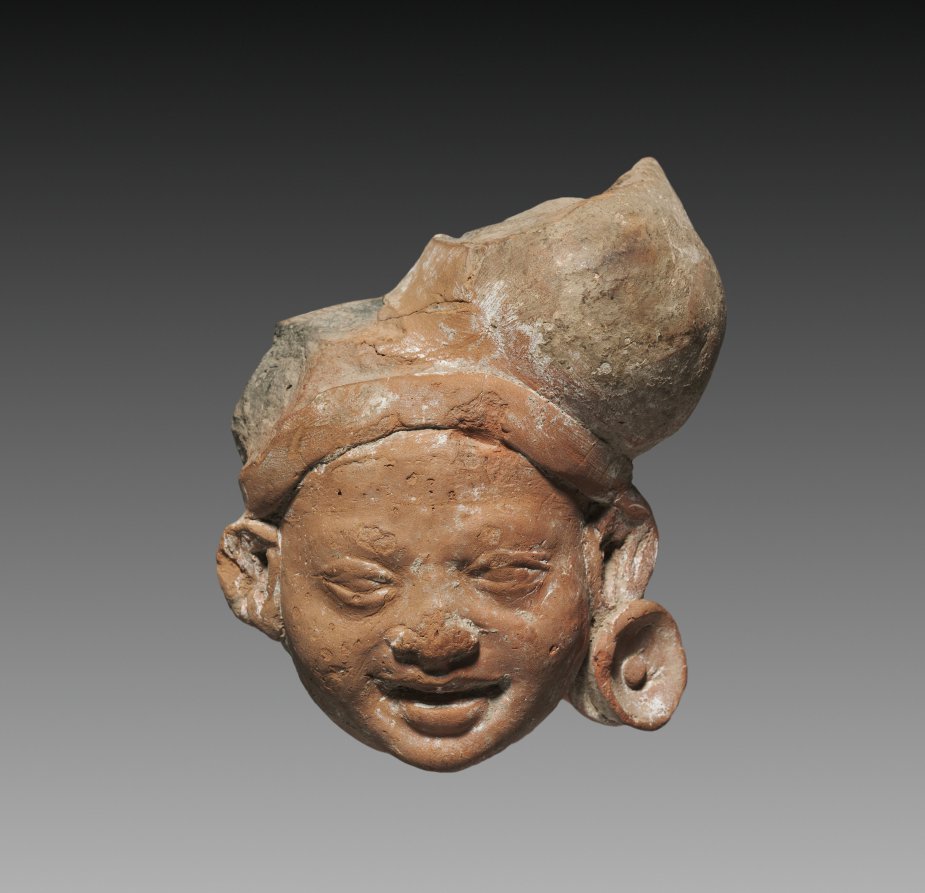
Male Head, possibly a Yaksha
Cleveland Museum of Art
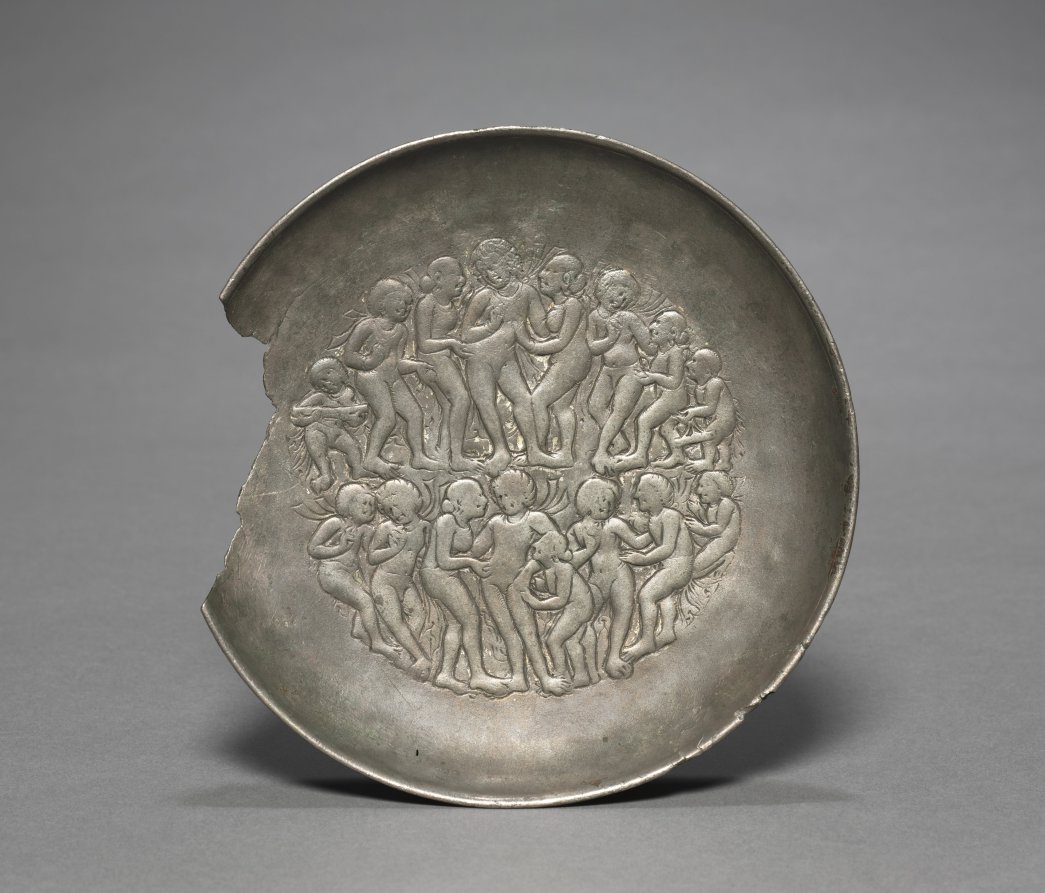
Plate with a Scene of Revelry
Cleveland Museum of Art