Cleveland Museum of Art
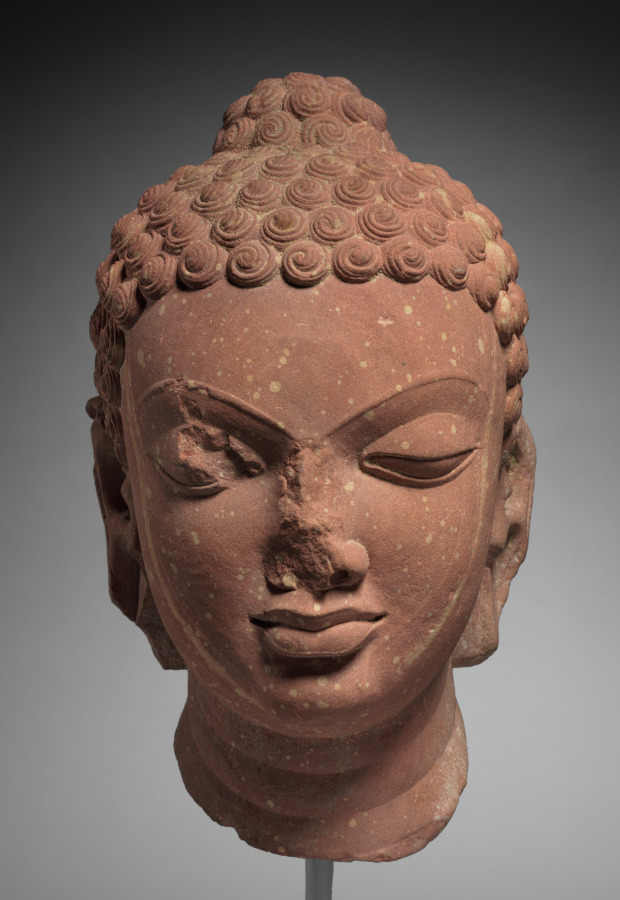
Head of Buddha
- Date
- 400s CE
- Medium
- sandstone
- Culture
- Northern India, Uttar Pradesh, Mathura
- Department
- Indian and Southeast Asian Art
- Institution
- Cleveland Museum of Art
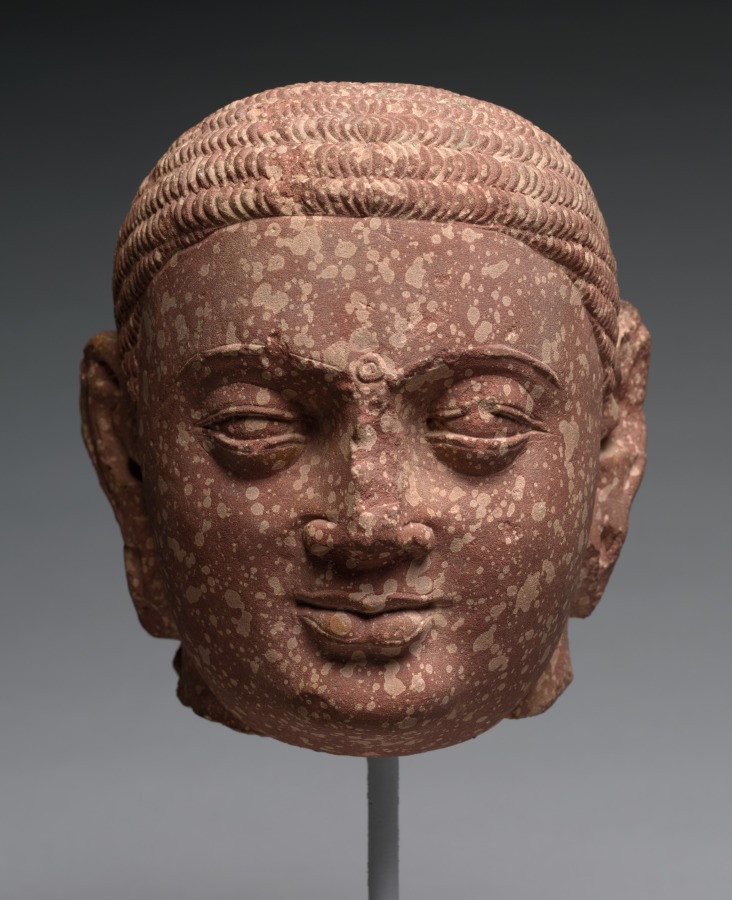
The brows arch with tension and alertness, though the lids are half closed. Short curls cover his head and cranial protuberance, which during this period came to be interpreted as a mark of one who has reached enlightenment, his state of awareness having surpassed the boundaries of an ordinary human being. Sculptors working during the time when kings of the Gupta dynasty (c. 319–550 CE) ruled northern India achieved a balance between fleshy volumes and idealized linear features. This balance led scholars to consider the Gupta period to be a “classical” age of Indian art.
The authoritative record is held by Cleveland Museum of Art. LinkedCulture surfaces this object and its connections; it does not alter institutional metadata.
Related across collections
Semantically similar works from Cleveland Museum of Art and other institutions.
Head of Buddha, probably the Buddha Sakyamuni
Harvard Art Museums

Buddha Head
Minneapolis Institute of Art
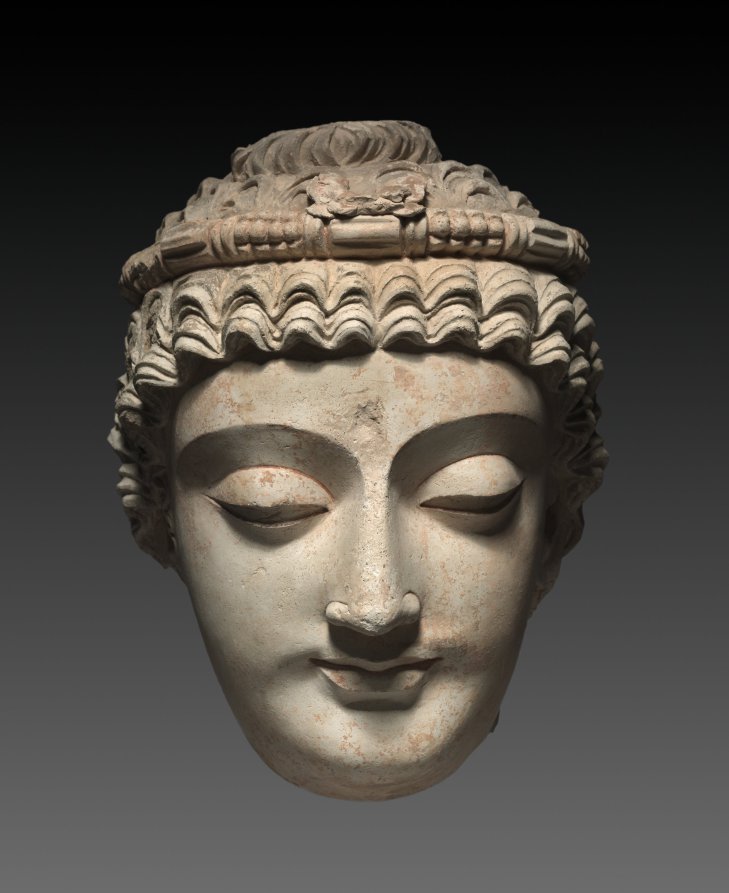
Head of Bodhisattva Avalokiteshvara
Cleveland Museum of Art

Head of Buddha
Minneapolis Institute of Art

Head from an image of the Buddha
Minneapolis Institute of Art

Head of the Buddha
Minneapolis Institute of Art

Head of Buddha
Minneapolis Institute of Art
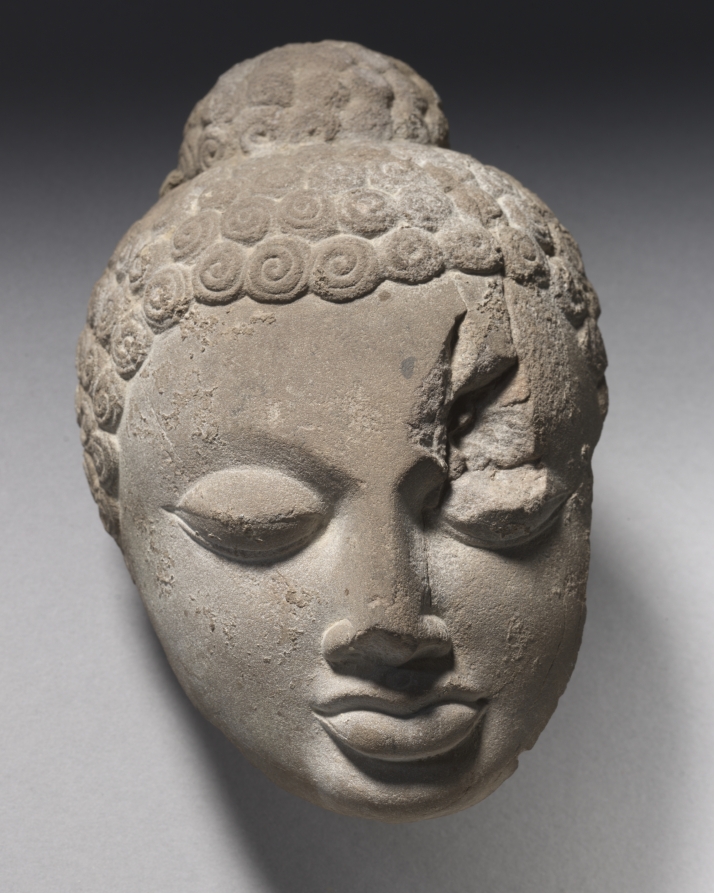
Fragment of Head of Buddha
Cleveland Museum of Art
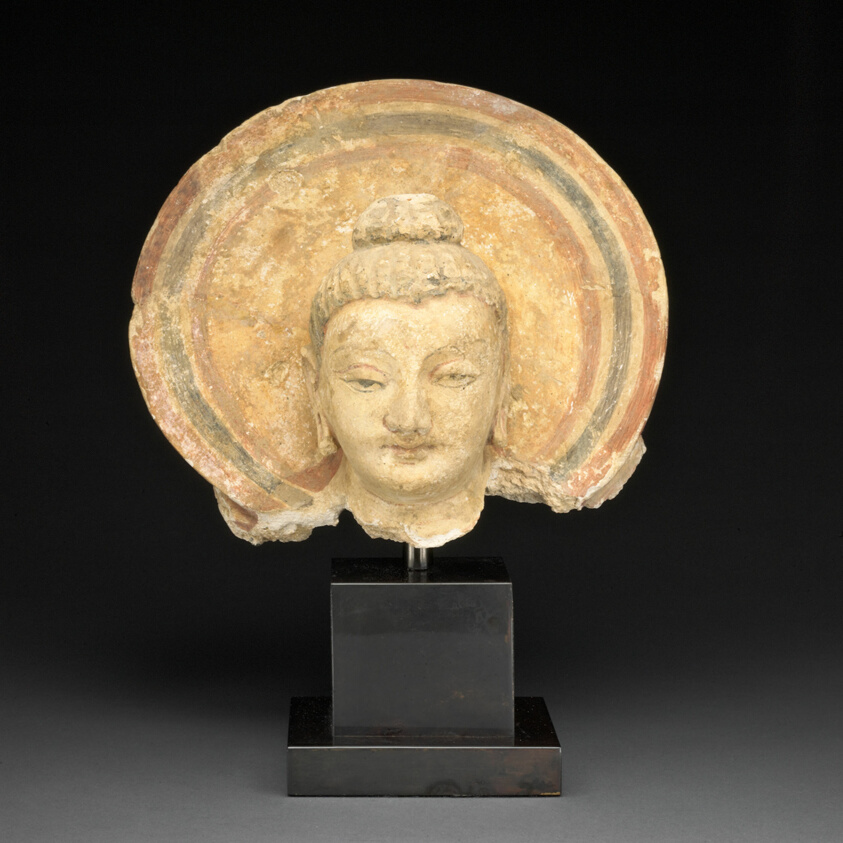
Buddha Head
Art Institute of Chicago
Head of Jina
Cleveland Museum of Art

Head of a Bodhisattva
Minneapolis Institute of Art
Miniature Head of a Bodhisattva
Cleveland Museum of Art