Cleveland Museum of Art
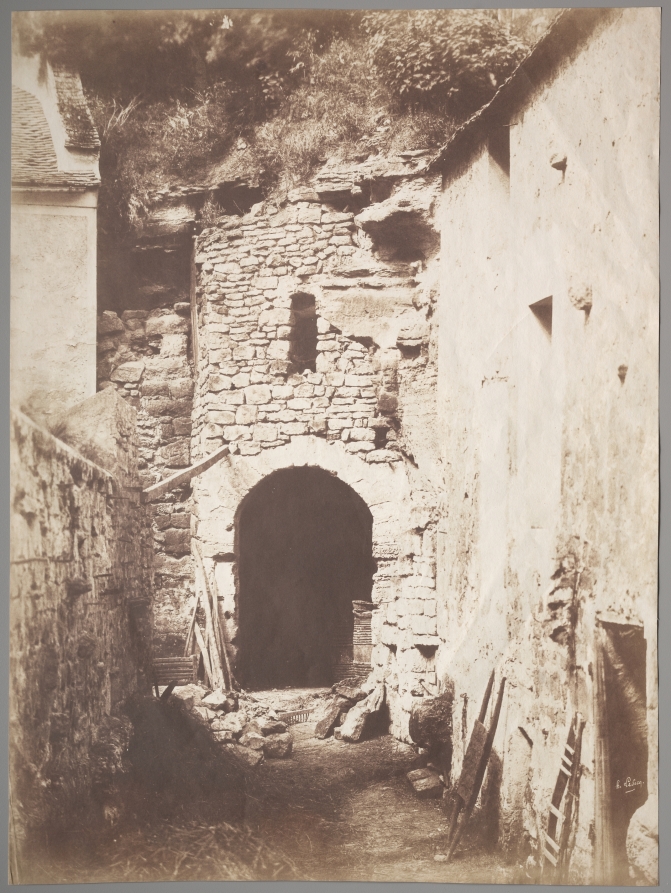
Behind the Troglodyte Farm
Henri Le Secq
- Date
- c. 1853
- Medium
- salted paper print from waxed paper negative
- Culture
- France, 19th century
- Department
- Photography
- Institution
- Cleveland Museum of Art
Trained as a painter, Le Secq was drawn to the new invention of photography in the late 1840s. He became one of the most gifted early photographers to record architecture and sculpture before his brief, illustrious career ended in 1856. Only one of two known prints, this large-scale image, exceptional for the period and process, belongs to a small group of photographs of troglodyte dwellings in western France near the Loire River. In the mid-19th century, artists of all media were attracted to rustic domestic scenes for both their picturesque qualities and social implications. Since medieval times, people had inhabited caves in France. Around the 15th century, the term troglodyte came into common use to refer to groups of political activists who found their way around property taxes assessed in such a way that people living underground could avoid them. Relying on an elevated vantage point for this picture, Le Secq made the dark, rounded, and mysterious entranceway the central feature of the composition. This contact print displays his prowess at interpreting historic architecture.
The authoritative record is held by Cleveland Museum of Art. LinkedCulture surfaces this object and its connections; it does not alter institutional metadata.
Related across collections
Semantically similar works from Cleveland Museum of Art and other institutions.
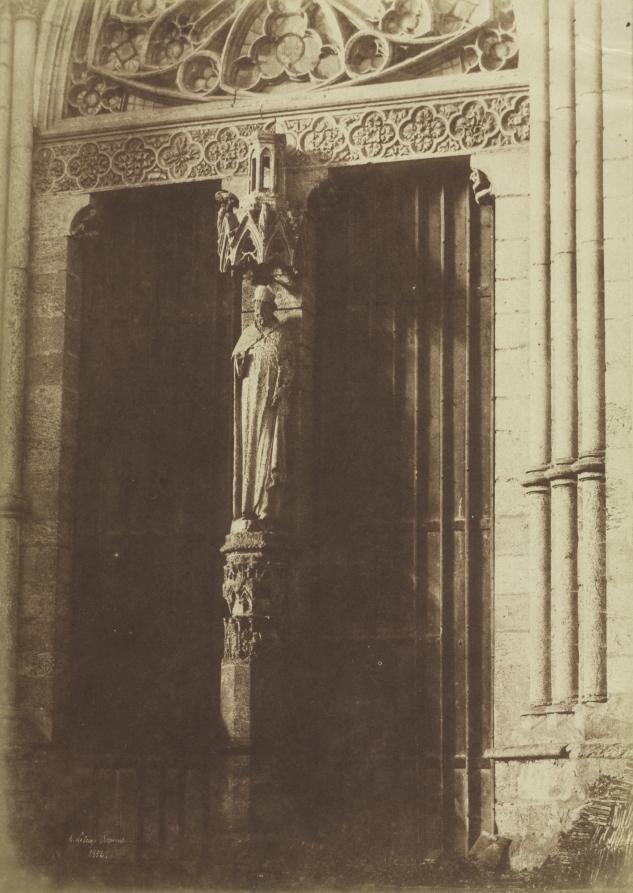
Amiens, Northern Façade of the Transept
Cleveland Museum of Art
![The Park at Sceaux [April 1925, 7a.m.]](https://openaccess-cdn.clevelandart.org/2002.68/2002.68_web.jpg)
The Park at Sceaux [April 1925, 7a.m.]
Cleveland Museum of Art
![[Colinton Wood]](https://media.getty.edu/iiif/image/9d63c701-f16d-4ea1-b6d8-5dc10d9072db/full/808,/0/default.jpg)
[Colinton Wood]
Getty Museum
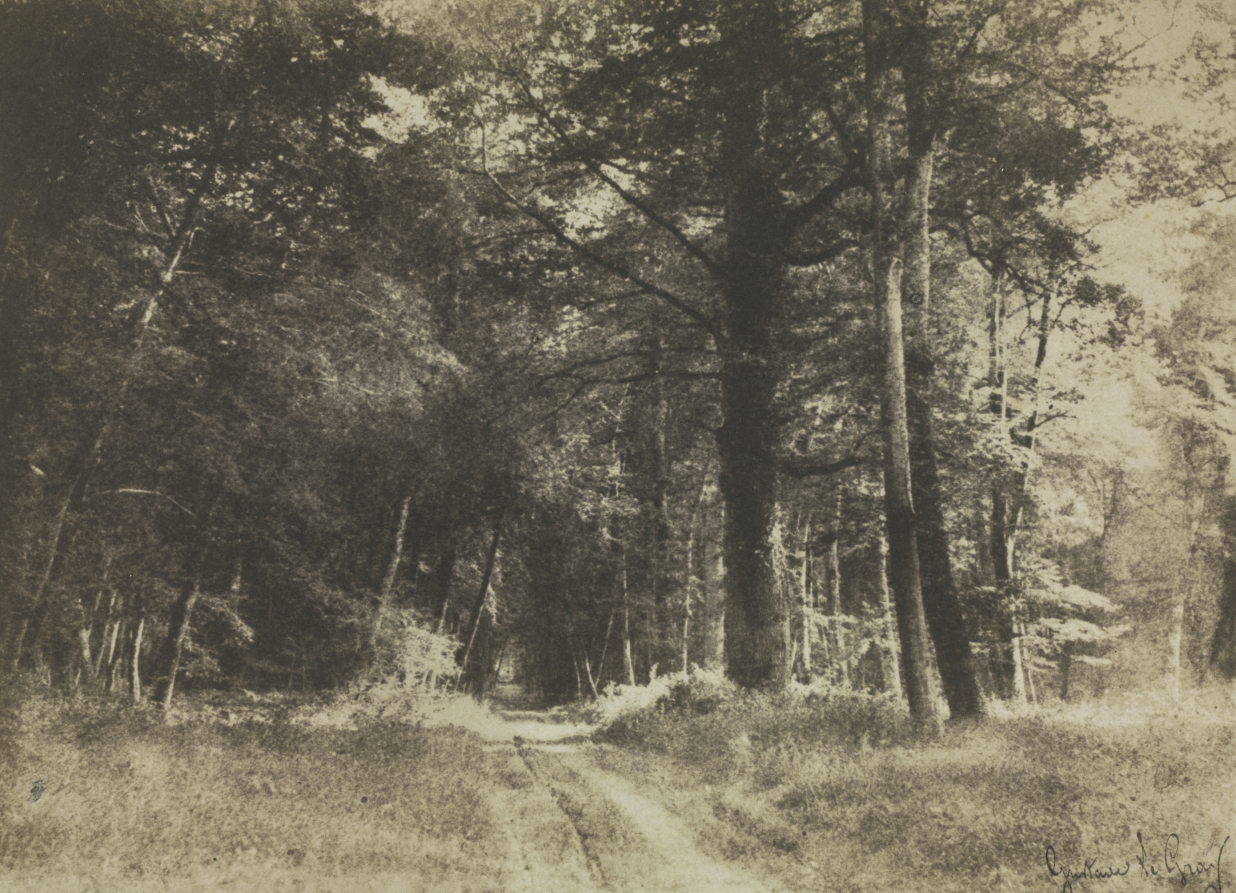
Pathway in the Forest of Fontainebleau
Cleveland Museum of Art
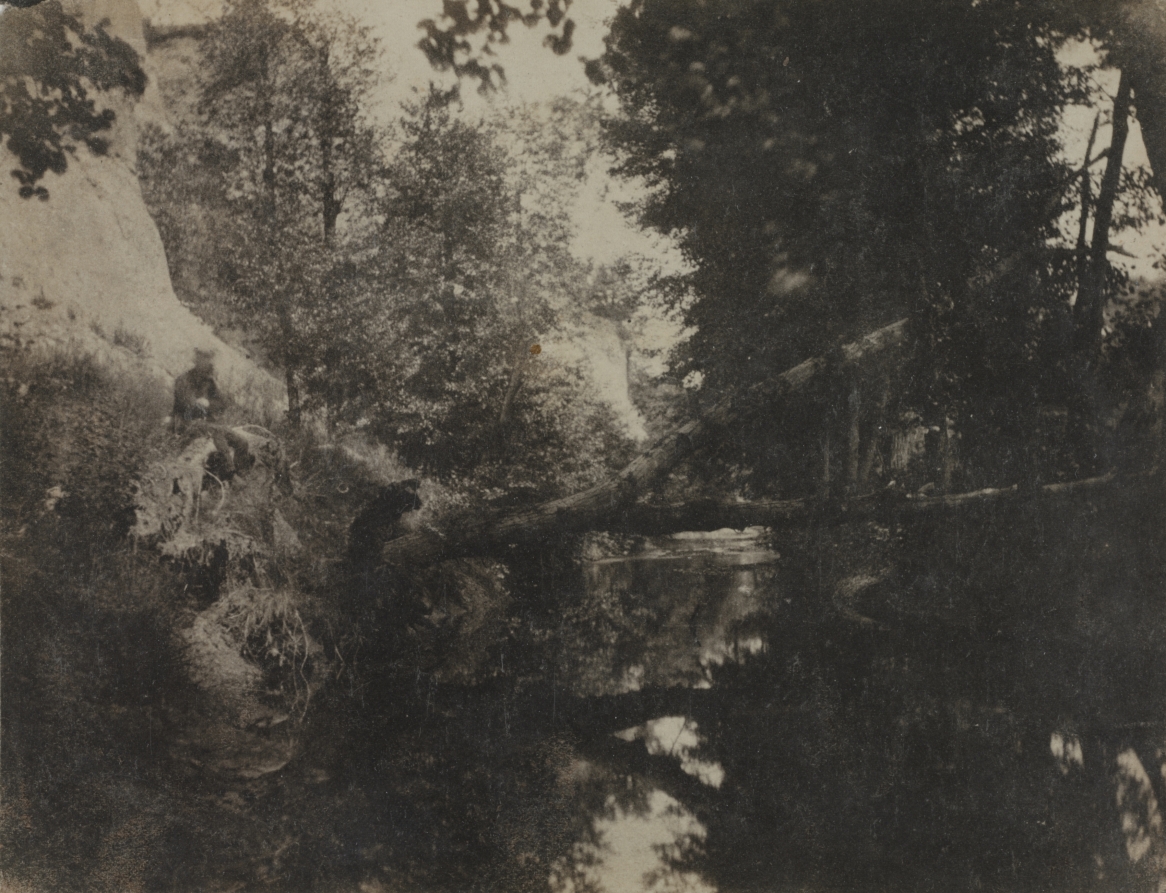
Landscape with Seated Figure on Stream Bank
Cleveland Museum of Art
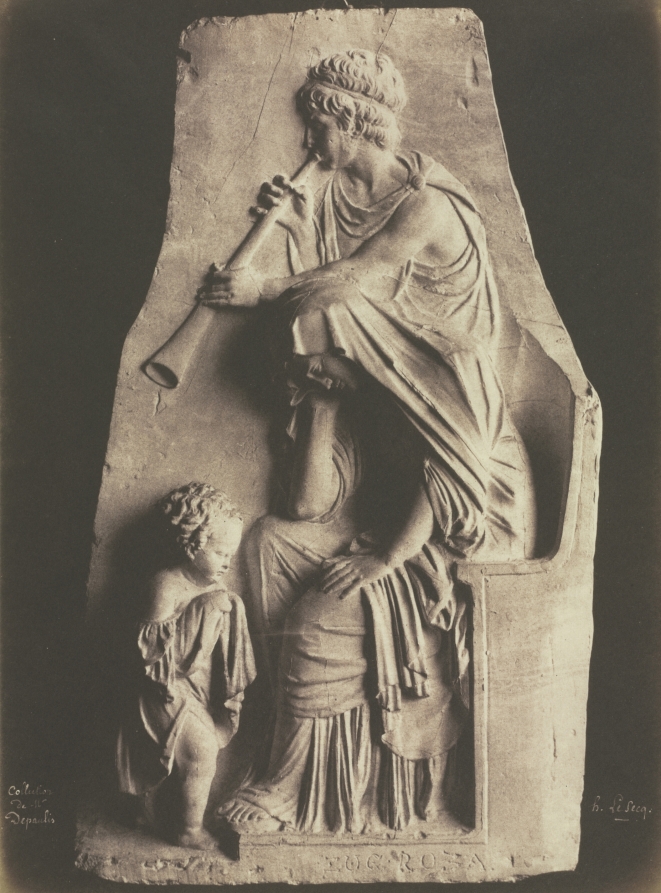
Plaster Cast from the Depaulis Collection
Cleveland Museum of Art

Factory, Terre-Noire
Getty Museum

Entrée de l'eglise du St. Sépulcre.
Getty Museum

Landscape in Latium with Farm Laborers
Getty Museum

Park Scene
Getty Museum

View of the Small Grotto toward the Deer Pond, Bois de Boulogne
Cleveland Museum of Art
![[Saint-Cloud, France]](https://media.getty.edu/iiif/image/aee3f0c4-ef48-433f-a784-359270d64e6c/full/808,/0/default.jpg)
[Saint-Cloud, France]
Getty Museum