Cleveland Museum of Art
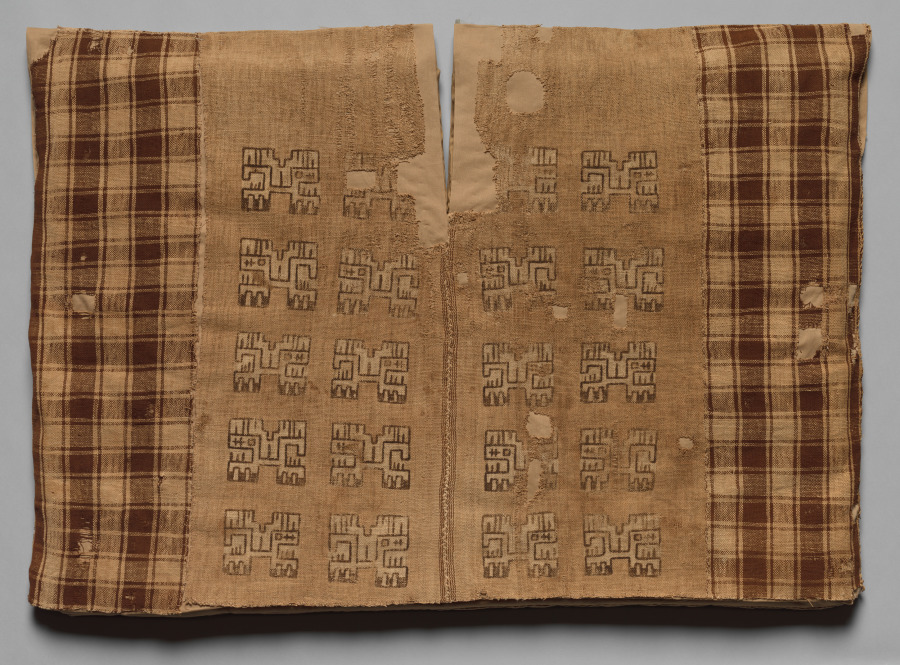
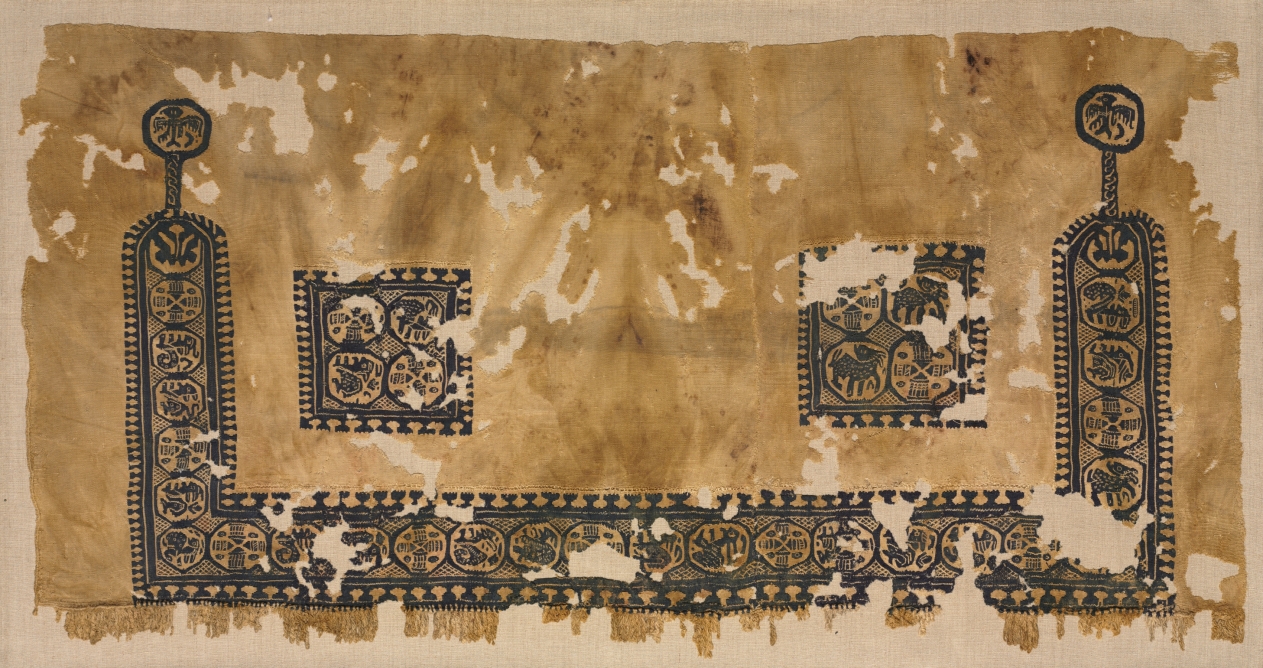
Tunic with Profile Animals and Checkerboards
- Date
- 410–540 CE (radiocarbon date, 93% probability)
- Medium
- cotton; dye-patterned plain weave
- Culture
- Peru, South Coast, Paracas or Nasca?
- Department
- Textiles
- Institution
- Cleveland Museum of Art
The imagery in the central field of this unique tunic—animals with long tails and three-toed feet—seems to have been created by painting a slurry-like material on the pale areas to protect them when the fabric was immersed in a bath that turned other areas light brown. Then the slurry was removed, revealing the pattern. The checkerboard areas at the sides, on the other hand, are woven with brown and cream-colored yarns. Specialists puzzle over the origins of the tunic, some attributing it to the Paracas (700 BCE–1 CE) and others to the Nasca (100 BCE–650 CE), who sprang from Paracas roots.
The authoritative record is held by Cleveland Museum of Art. LinkedCulture surfaces this object and its connections; it does not alter institutional metadata.
Related across collections
Semantically similar works from Cleveland Museum of Art and other institutions.
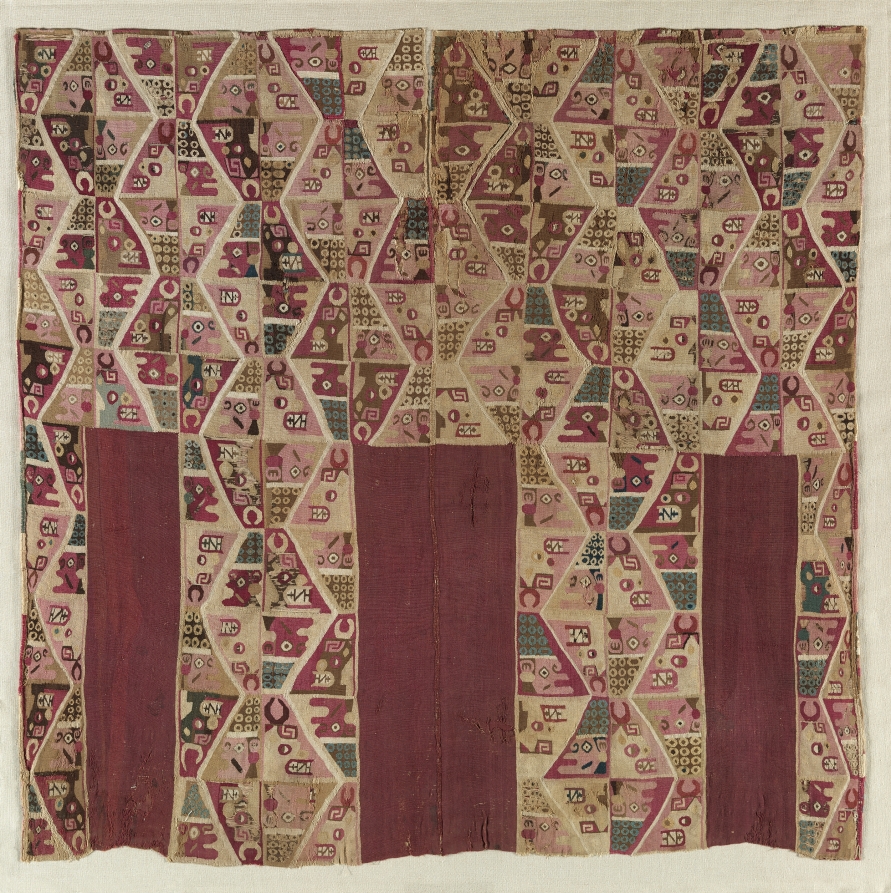
Tunic with Profile Animal and Human Heads
Cleveland Museum of Art
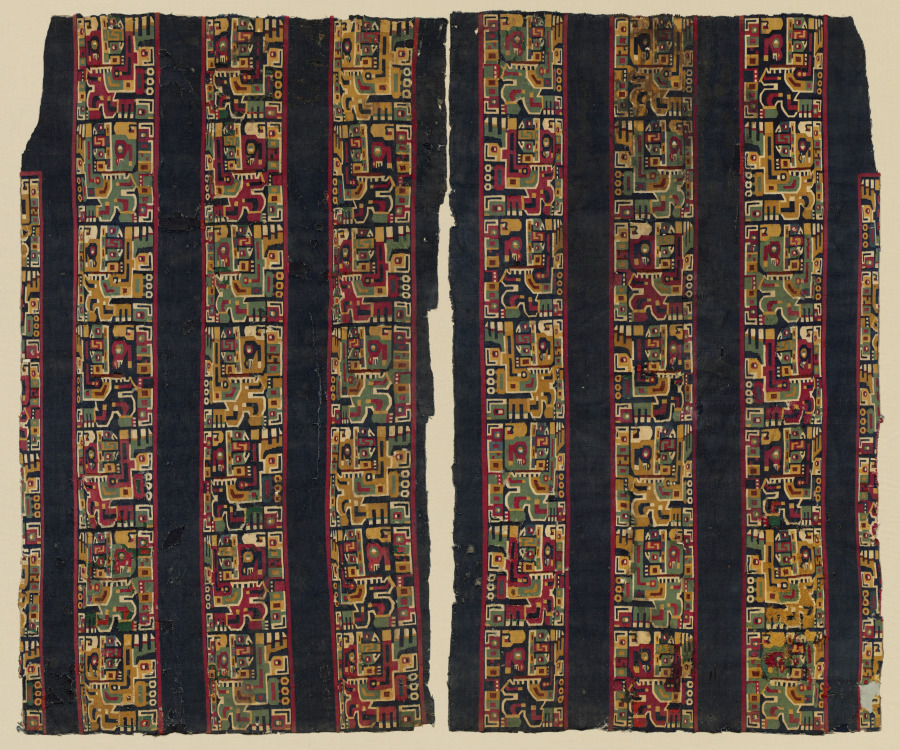
Tunic Fragments with Bird-Headed Creature
Cleveland Museum of Art
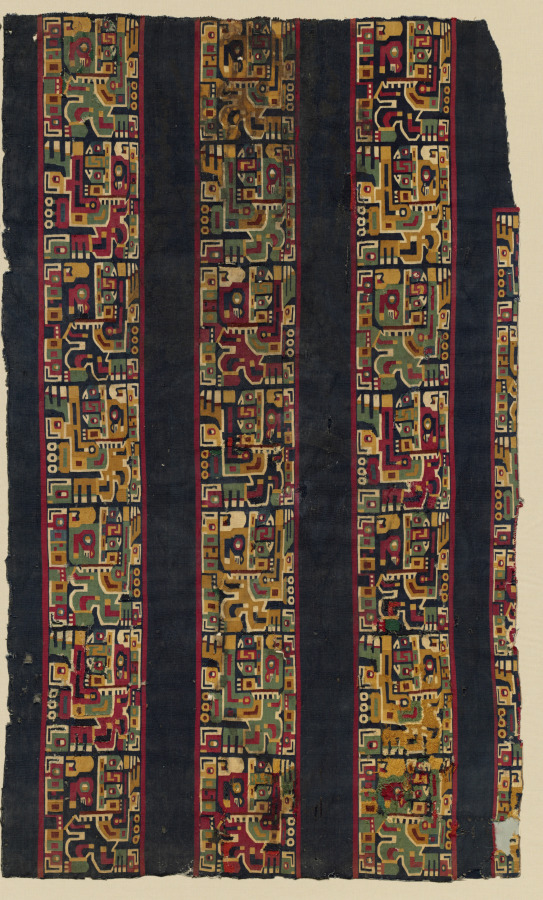
Half of a Sleeved Tunic
Cleveland Museum of Art
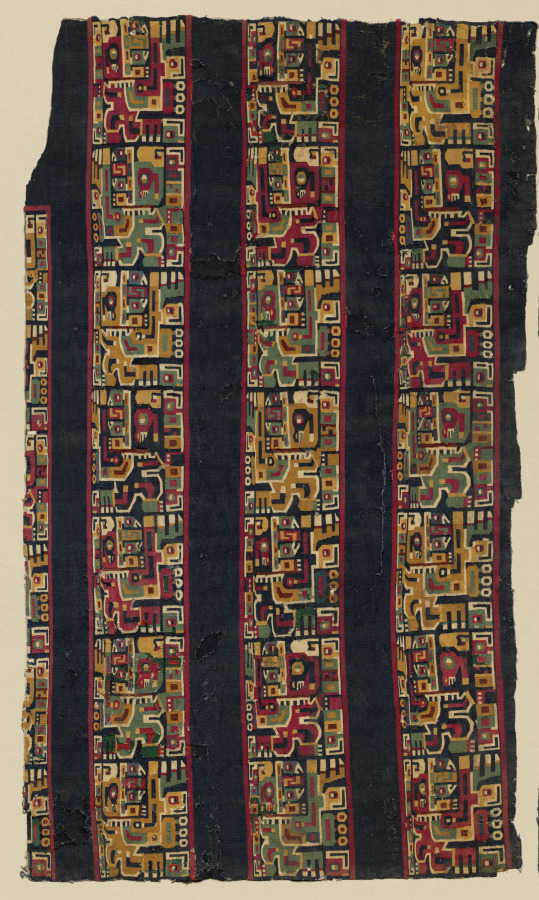
Half of a Sleeved Tunic
Cleveland Museum of Art
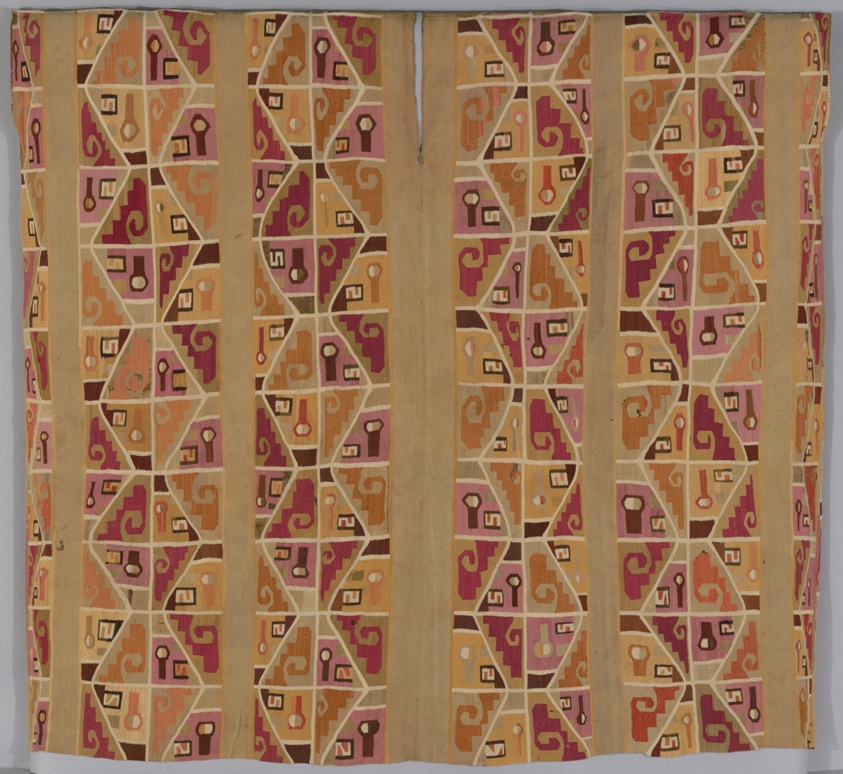
Tunic
Art Institute of Chicago
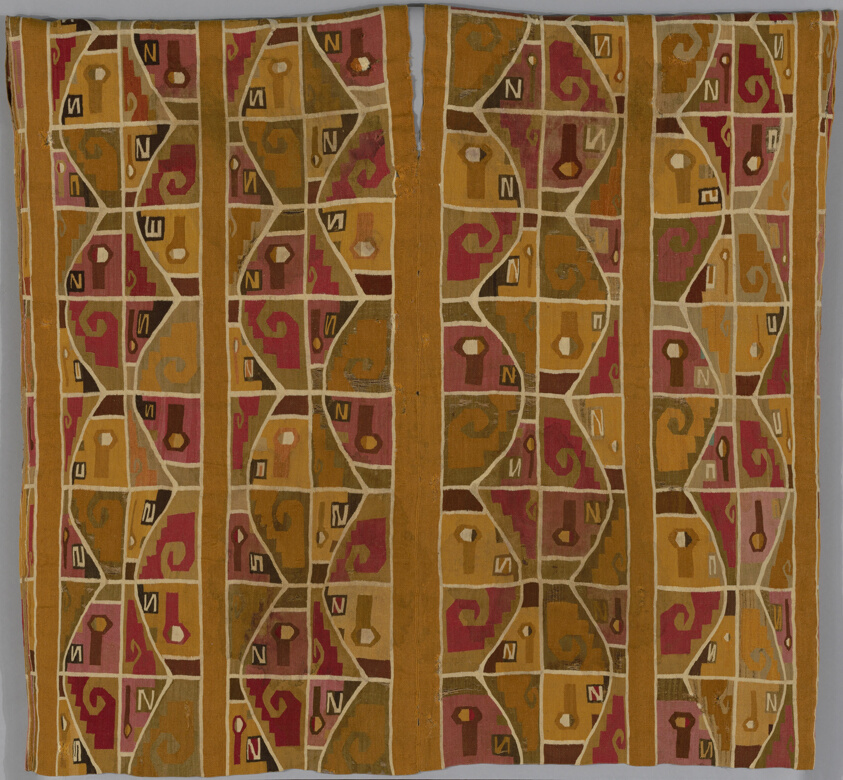
Tunic
Art Institute of Chicago
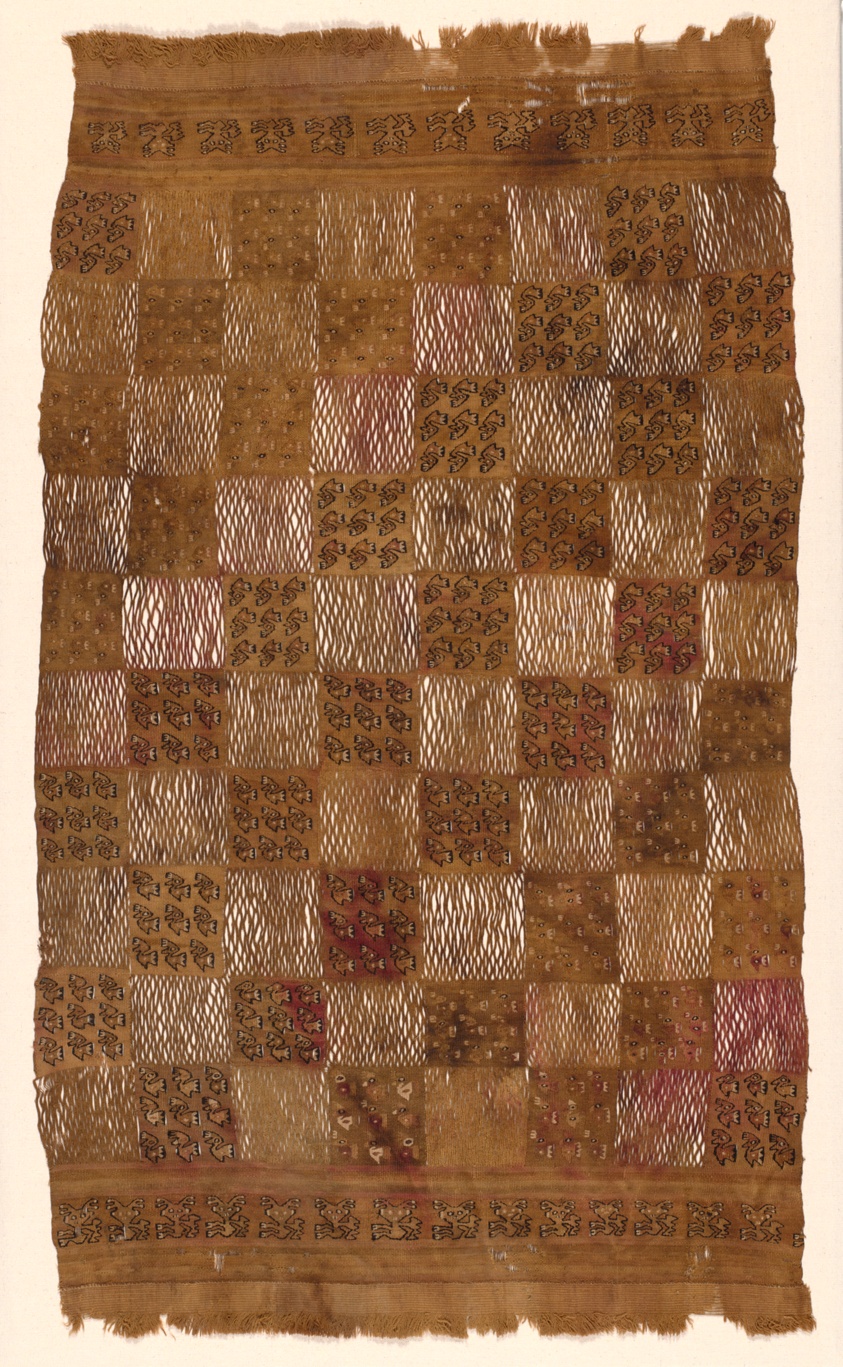
Tunic shoulder fragment
Art Institute of Chicago
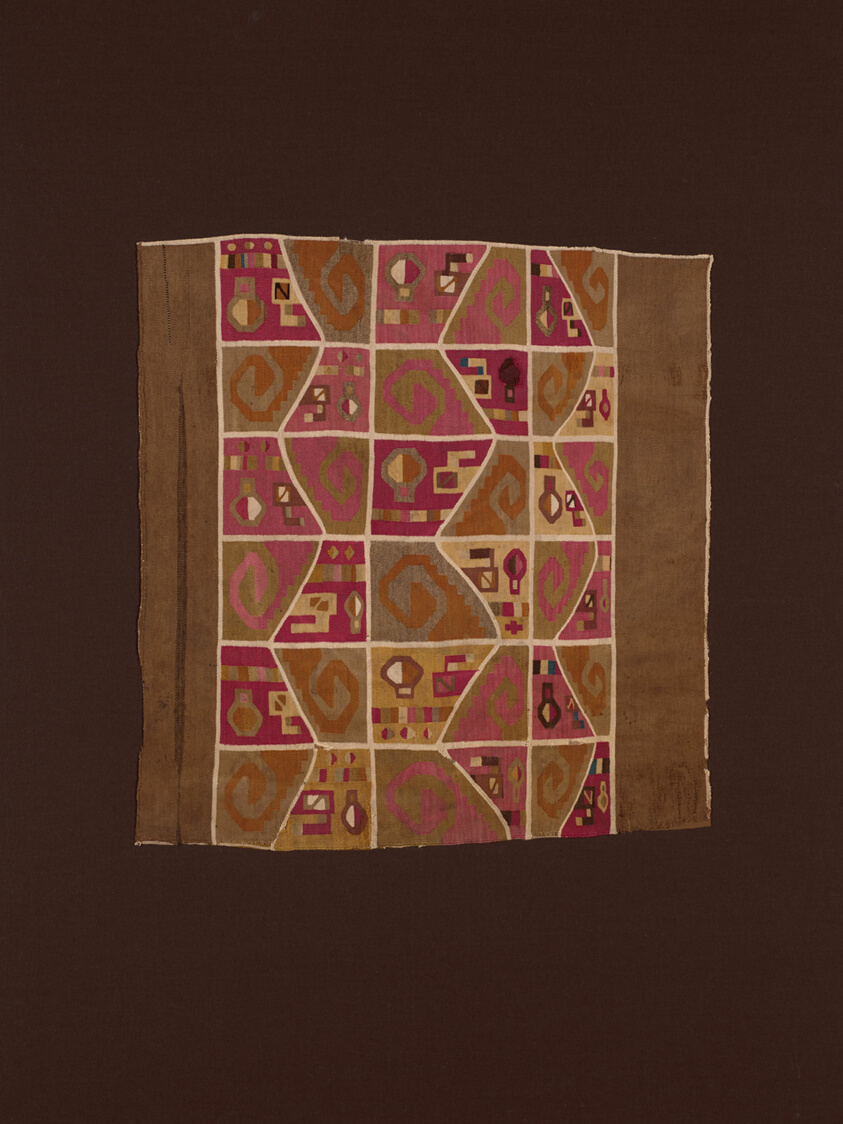
Tunic Fragment
Art Institute of Chicago
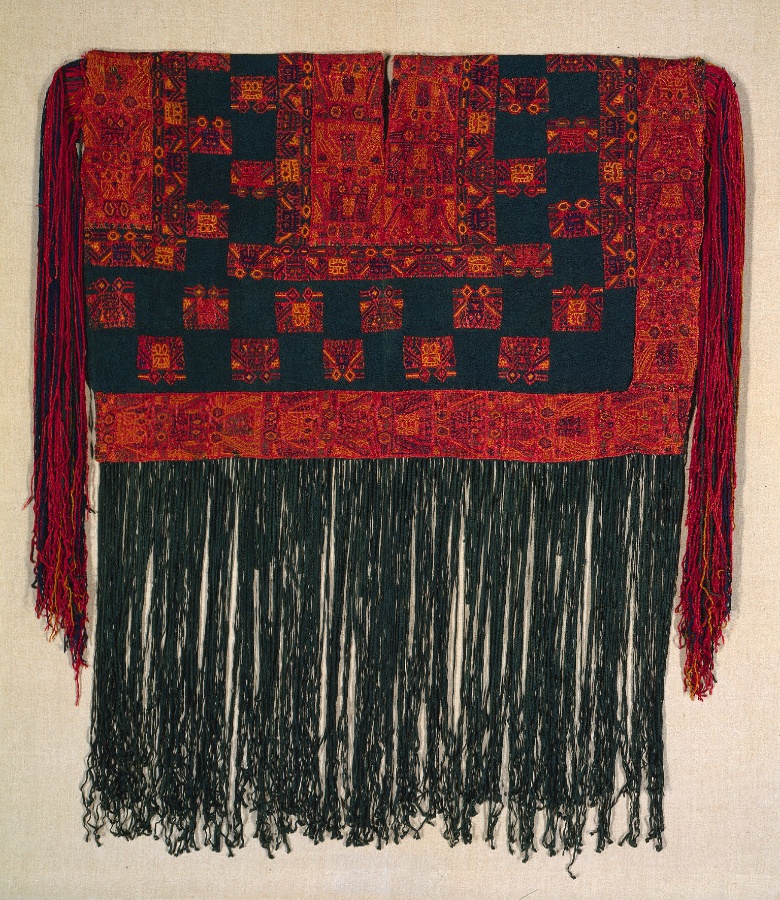
Tunic
Cleveland Museum of Art
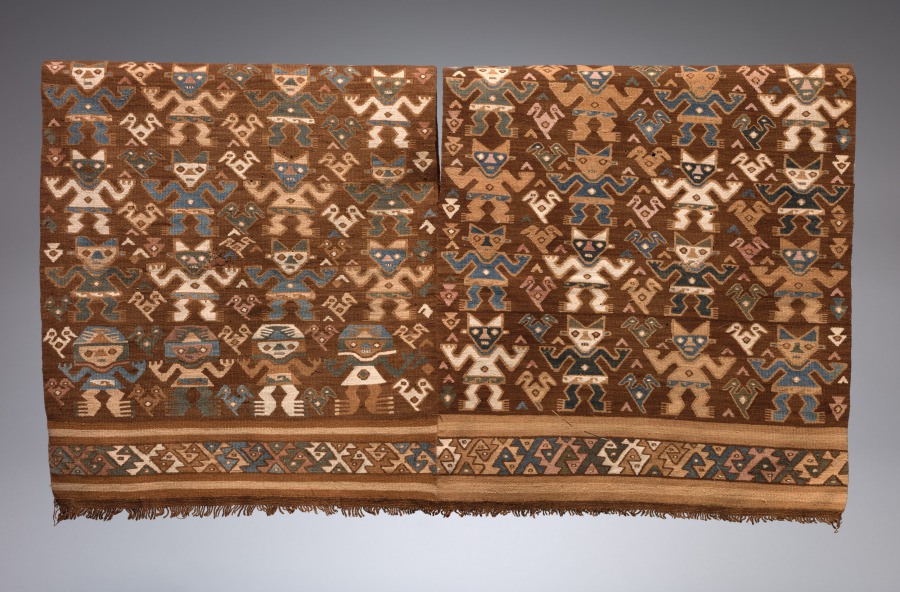
Tunic with Frontal Figures
Cleveland Museum of Art
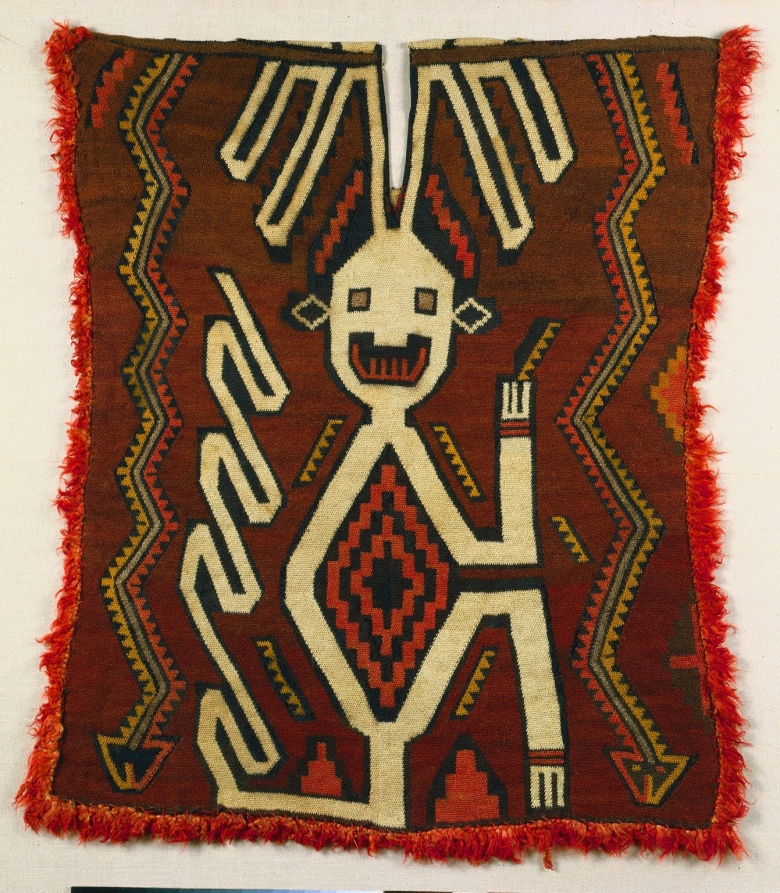
Tunic
Cleveland Museum of Art
Lower Section of a Tunic
Cleveland Museum of Art