Cleveland Museum of Art
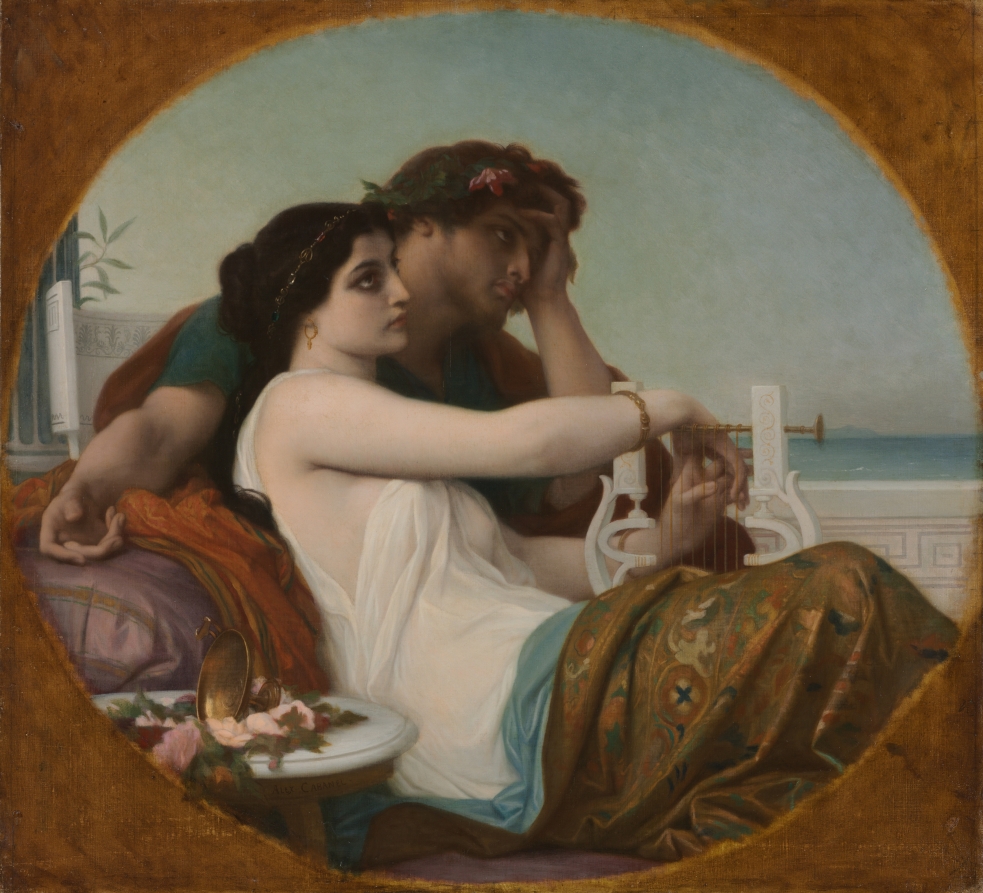
Aglaida and Boniface
Alexandre Cabanel
- Date
- c. 1857
- Medium
- oil on canvas
- Culture
- France, 19th century
- Department
- Modern European Painting and Sculpture
- Institution
- Cleveland Museum of Art
The French painter Alexandre Cabanel was a favorite of Emperor Napoleon III and a leader of the academic style that emphasized precise drawing and smoothly modeled forms. This painting depicts the wealthy Roman woman Aglaida and her concubine slave Boniface, here living as pagan sinners in Rome around 290 CE. On a trip to Tarsus on the Anatolian coast, Boniface converted to Christianity and was tortured and beheaded. Aglaida also converted to Christianity, gave all her possessions to the poor, and built a church for Boniface's relics. Alexandre Cabanel was a leader of the academic artists who rejected the paintings of Édouard Manet and other "realists" from the Salon of 1863, producing a vast outcry that forced the government to organize the alternative Salon des Refusés.
The authoritative record is held by Cleveland Museum of Art. LinkedCulture surfaces this object and its connections; it does not alter institutional metadata.
Related across collections
Semantically similar works from Cleveland Museum of Art and other institutions.

Alexander the Great and Campaspe in the Studio of Apelles
Getty Museum
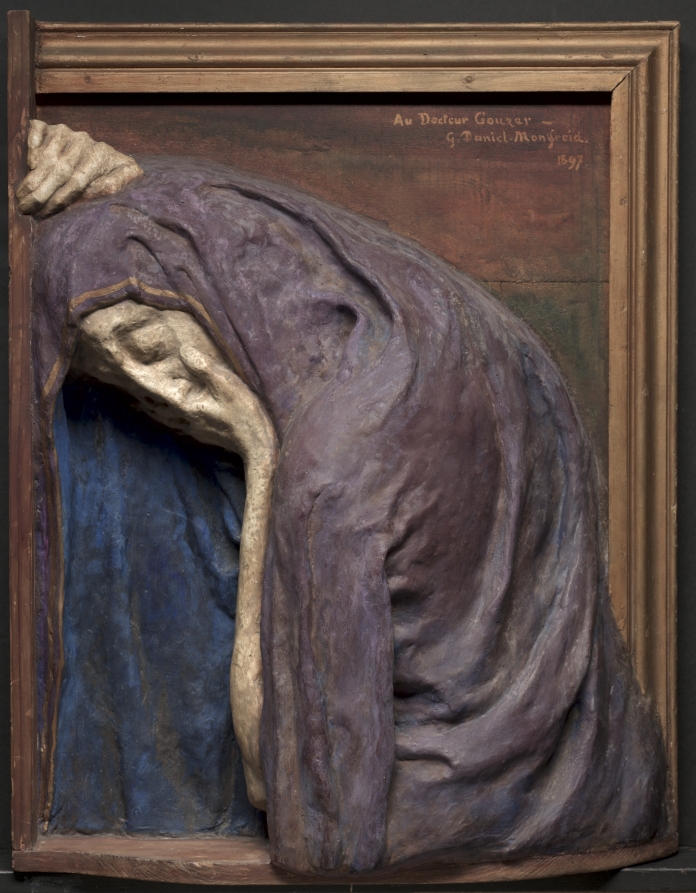
Mater Dolorosa (The Virgin Mary Mourning)
Cleveland Museum of Art

Rinaldo Abandoning Armida
Minneapolis Institute of Art

Alexander Ceding Campaspe to Apelles
Getty Museum
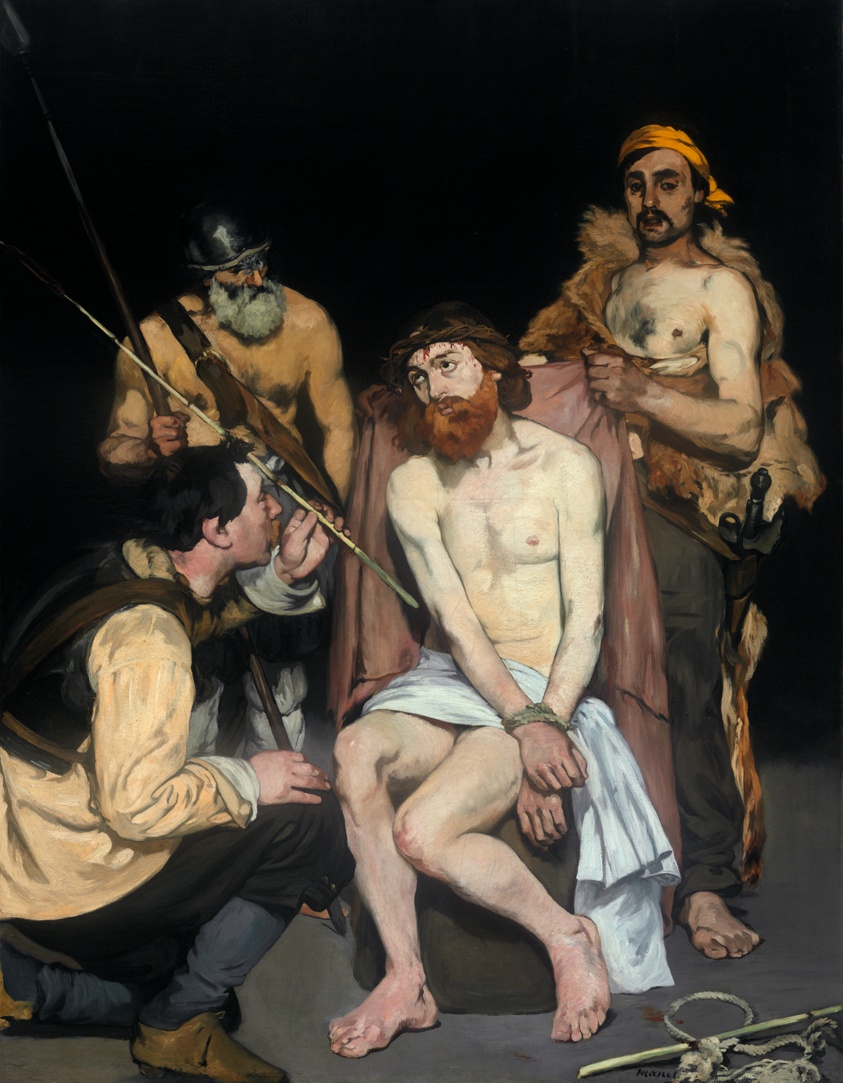
Jesus Mocked by the Soldiers
Art Institute of Chicago

Napoleon Bonaparteat Fontainebleau March 31, 1814
Minneapolis Institute of Art
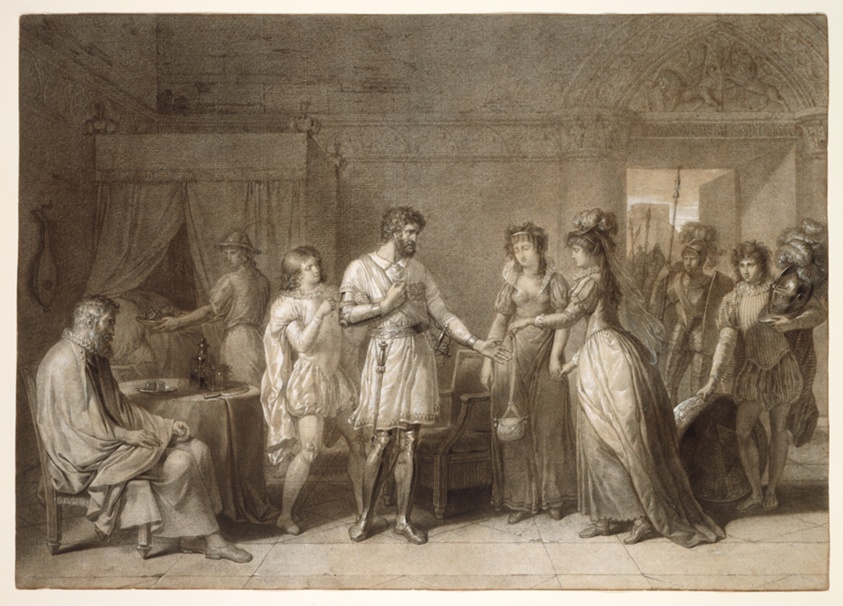
Bayard Refusing the Presents of His Hostess, in Brescia
Art Institute of Chicago
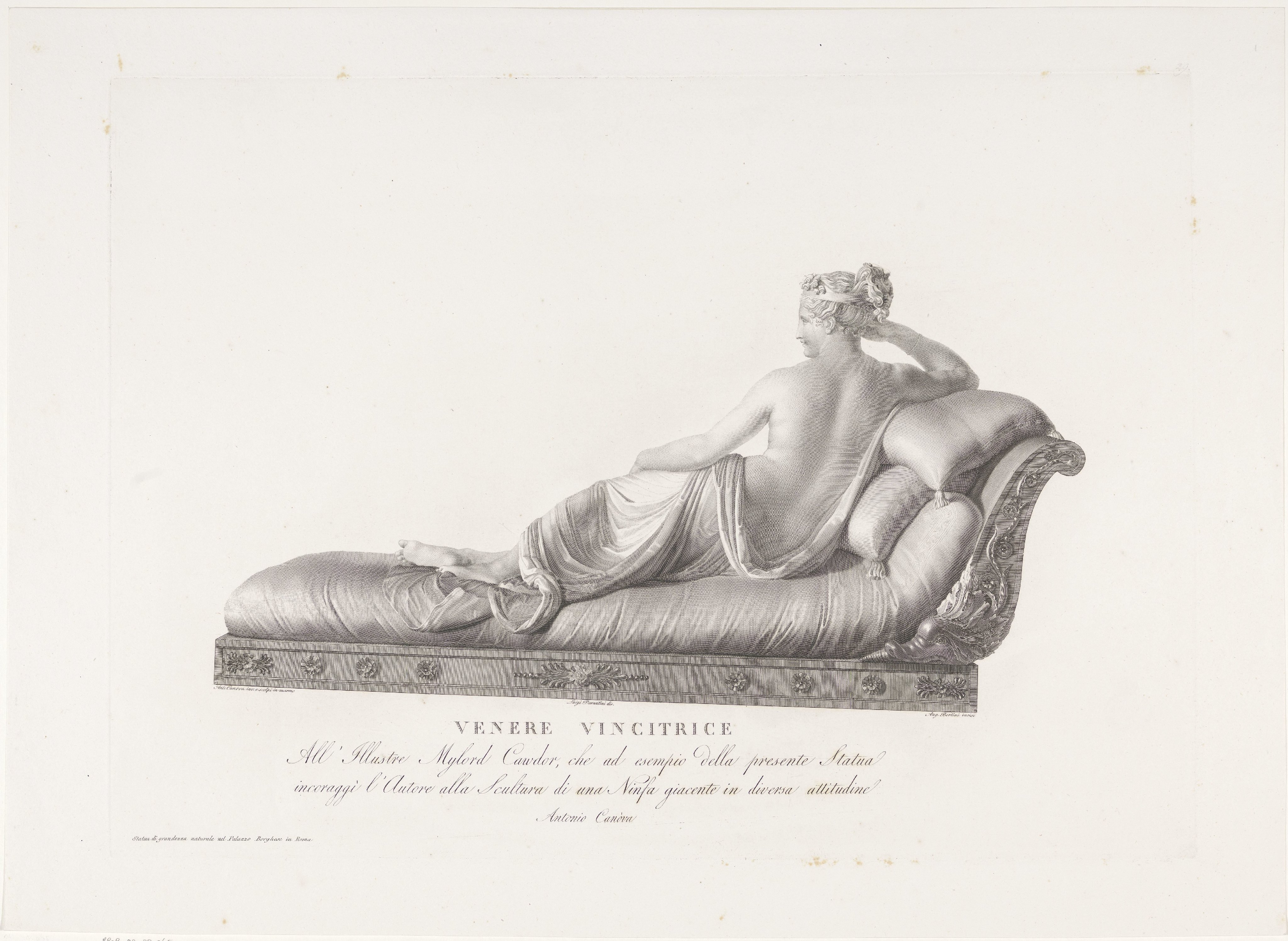
Pauline Borghese Bonaparte als Venus Victrix
Rijksmuseum

Venus and Adonis
Minneapolis Institute of Art
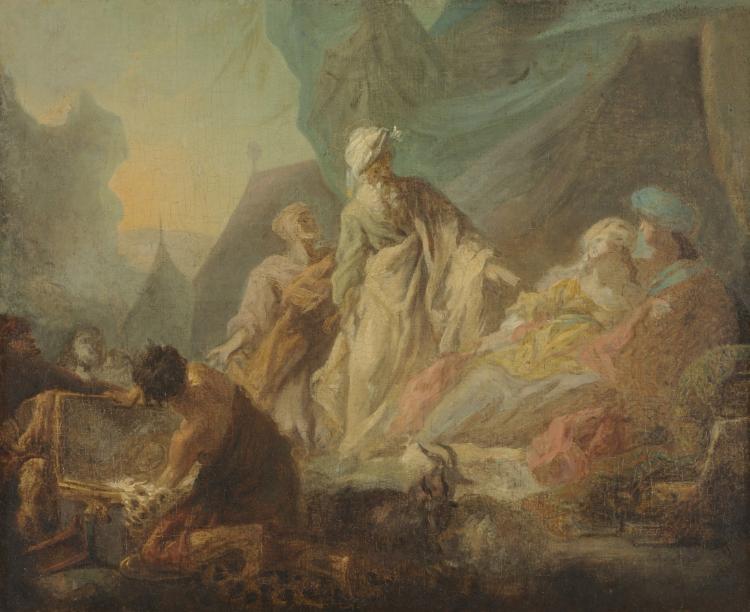
Laban Searching for His Stolen Gods
Cleveland Museum of Art
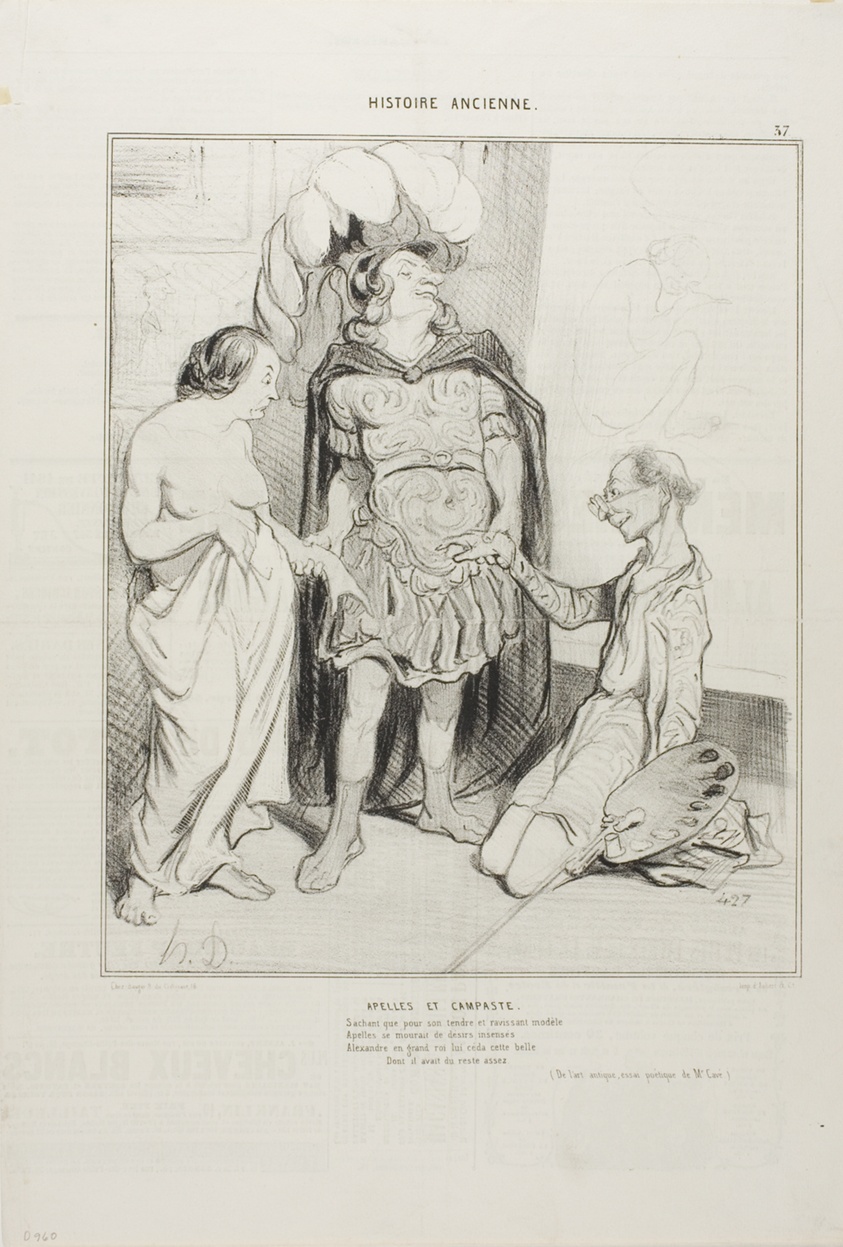
Apelles and Campaste. Aware that Apelles was wasting away with love Alexander gave him Campeste and above the first art deal ever now was struck girlfriend against sculpture, oh what luck! (From Art and the Antique, a poetic essay by M. Cavé), plate 36(37) from Histoire Ancienne
Art Institute of Chicago
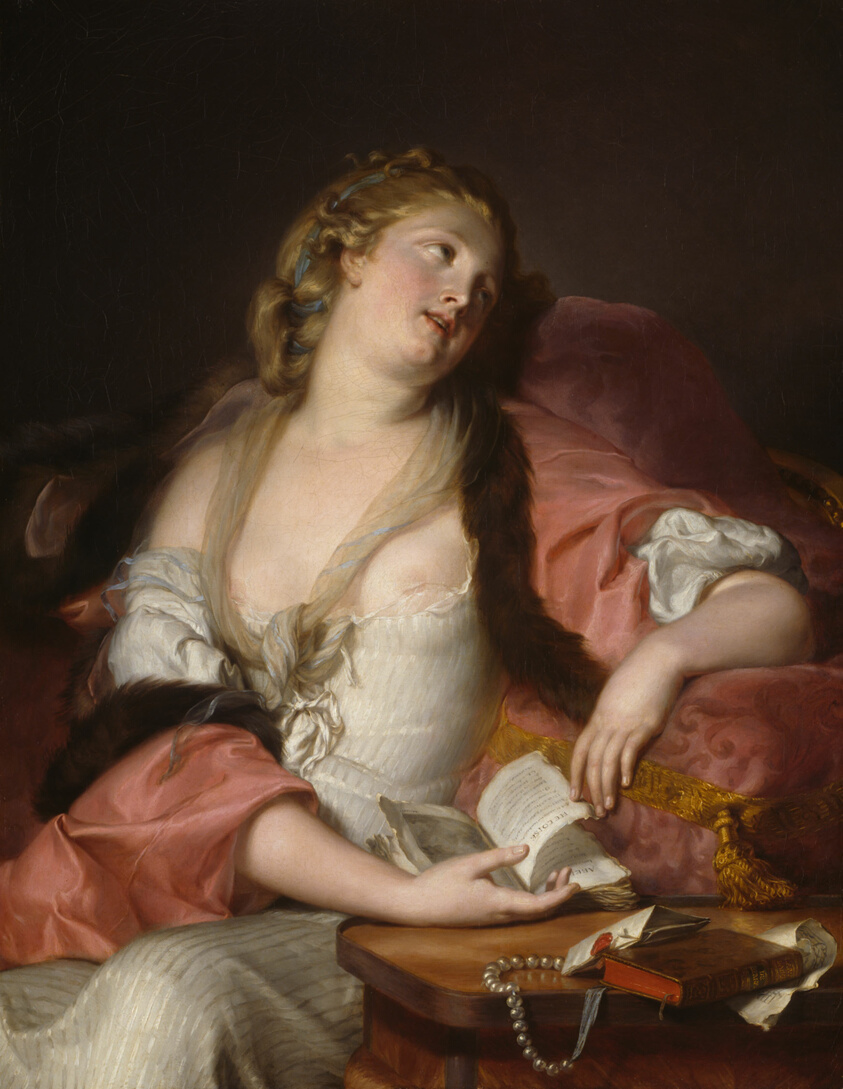
Lady Reading the Letters of Heloise and Abelard
Art Institute of Chicago