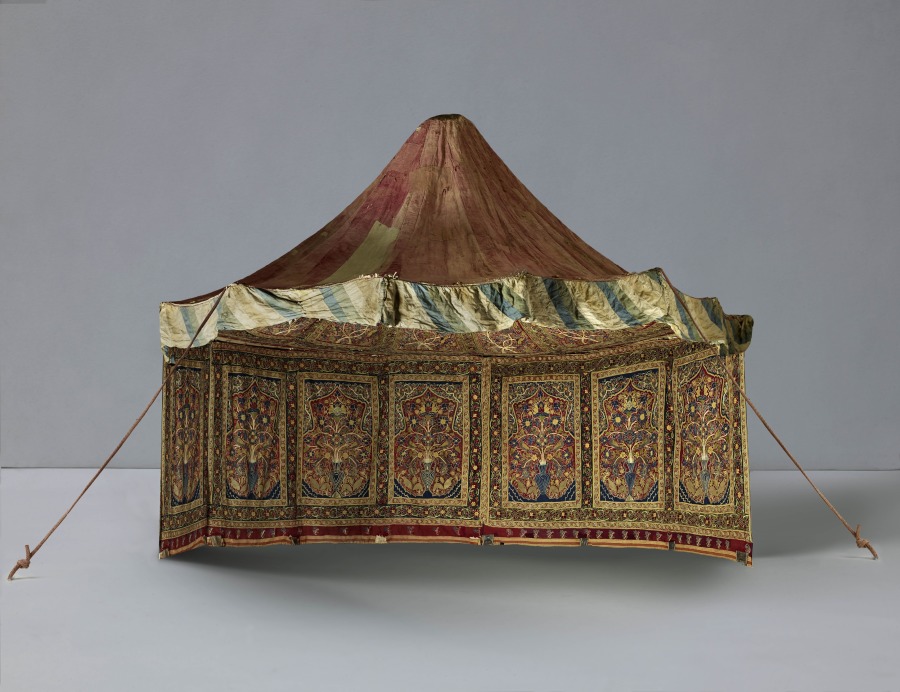
Cleveland Museum of Art
Royal Round Tent Made for Muhammad Shah
- Date
- 1834–48
- Medium
- Interior: wool: plain weave, inlaid work; silk: embroidery, chain stitch; tape, leather; Exterior: cotton, wool: plain weave; rope, iron ring
- Culture
- Iran, Rasht, Qajar period (1779-1925)
- Department
- Textiles
- Institution
- Cleveland Museum of Art
Royal tents were potent symbols of authority, wealth, and power throughout the greater Middle East. Rulers owned thousands of tents. They were used for shelter, shade, and innumerable functions in tent compounds that were essential for imperial ceremonies, travel, and military campaigns. Distinguished by size with elaborately decorated interior walls and ceilings, tents could be as large as castles. Opulent tents were also presented as imperial gifts. Tents are only known through documents before 1600. For example, in Baghdad in 809, Caliph Harun al-Rashid owned 4,000 ceremonial tents and 150,000 camping tents that were stored in the imperial Abbasid treasury. An astonishing variety and quantity of tents were housed in the royal Fatimid tent storeroom in Cairo in 1068–69, including "military tents, fortress tents, and castle tents, manufactured of . . . gold-brocaded stuff embroidered with designs of elephants, wild beasts, horses, peacocks, birds." Since 1600, Ottoman Turkish tents with elaborate floral decoration have been preserved in Istanbul in the Topkapi Palace Museum and Military Museum, and in European collections as war booty, primarily from the Ottoman Turks' attempt to conquer Vienna in 1683. These tents are not done in the Rasht technique, but rather are appliqué. In contrast, royal tents from Iran are extremely rare. This spectacular ceremonial tent is embroidered with the name of its owner, Muhammad Shah, who ruled Iran from 1834 to 1848 during the Qajar dynasty. The radiant jewellike interior features exuberant flora, blossoming vines, and robust birds made with colored wool embellished with silk-thread embroidery. Rasht work is named after the city on the Caspian Sea in present-day Iran, which was a major silk trade center with numerous textile workshops.
The authoritative record is held by Cleveland Museum of Art. LinkedCulture surfaces this object and its connections; it does not alter institutional metadata.
Related across collections
Semantically similar works from Cleveland Museum of Art and other institutions.
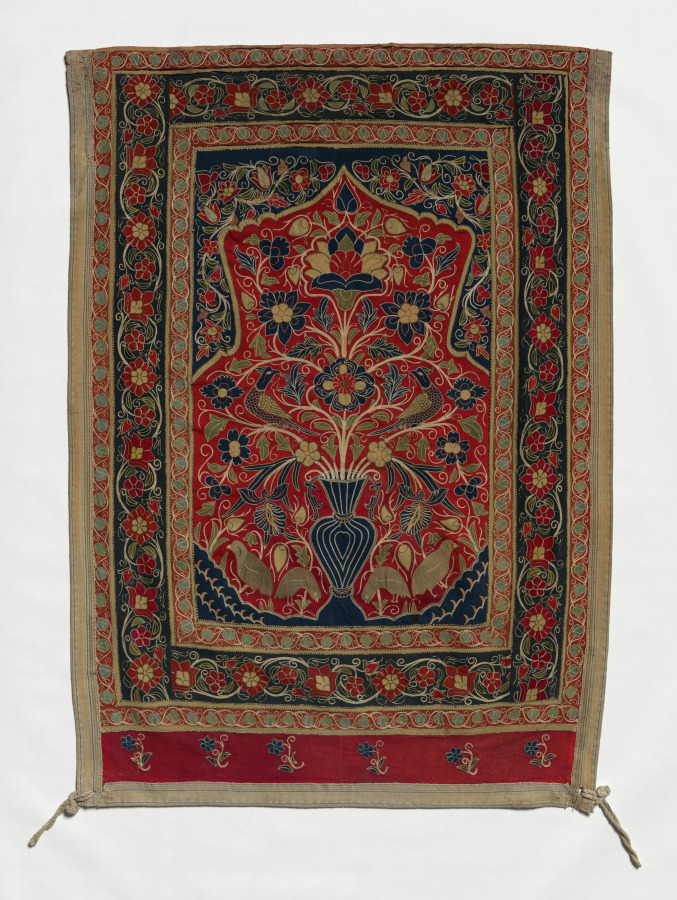
Royal Round Tent made for Muhammad Shah (wall panel with one design unit)
Cleveland Museum of Art
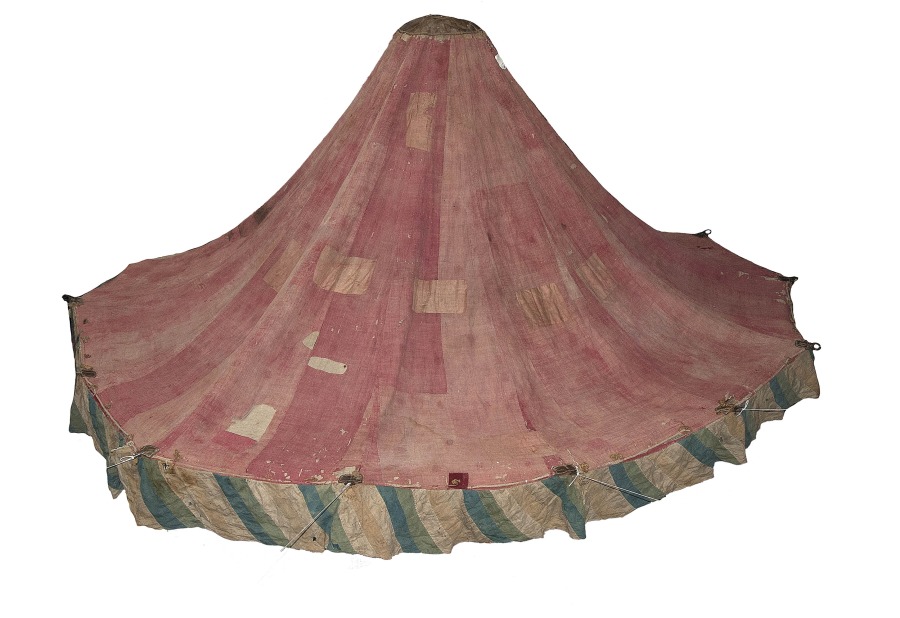
Royal Round Tent made for Muhammad Shah (Roof)
Cleveland Museum of Art
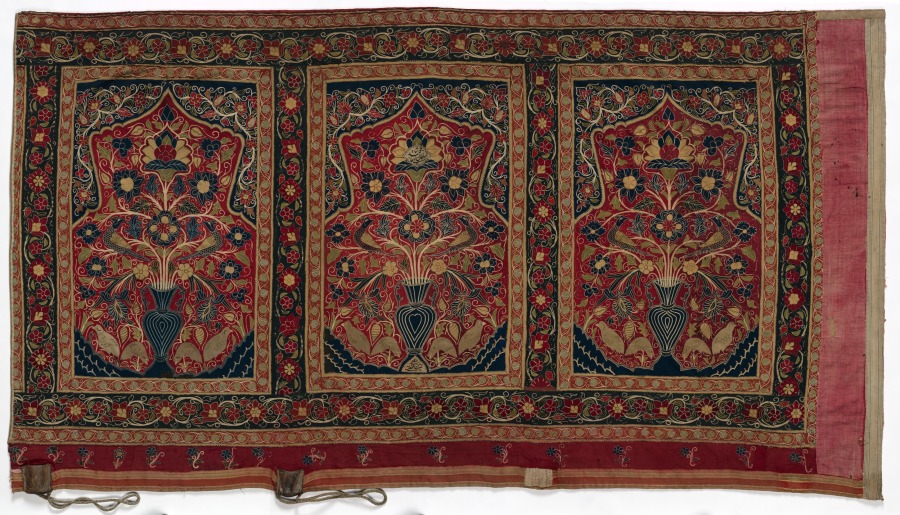
Royal Round Tent made for Muhammad Shah (wall panel with three design units)
Cleveland Museum of Art
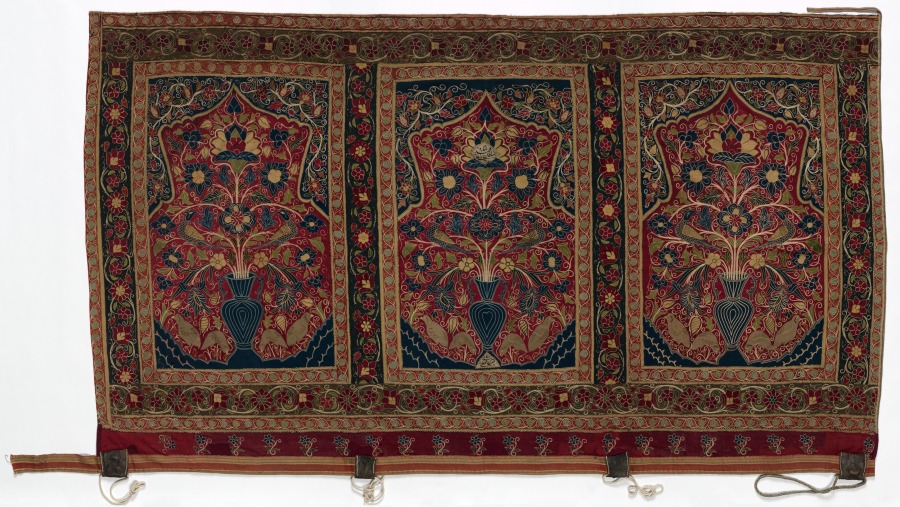
Royal Round Tent made for Muhammad Shah (wall panel with three design units)
Cleveland Museum of Art
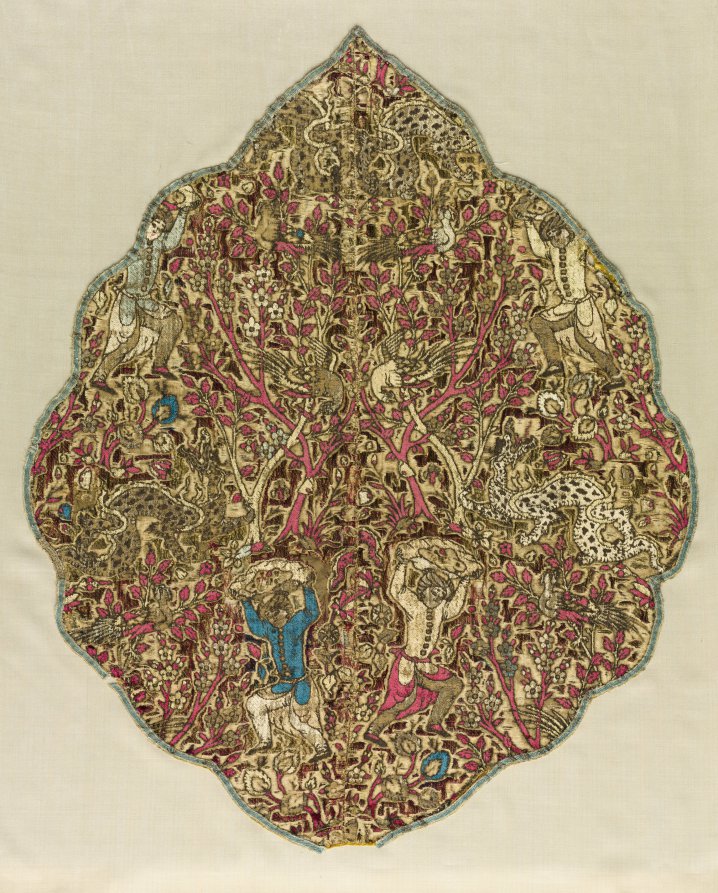
Tent panel of a dragon slayer
Cleveland Museum of Art
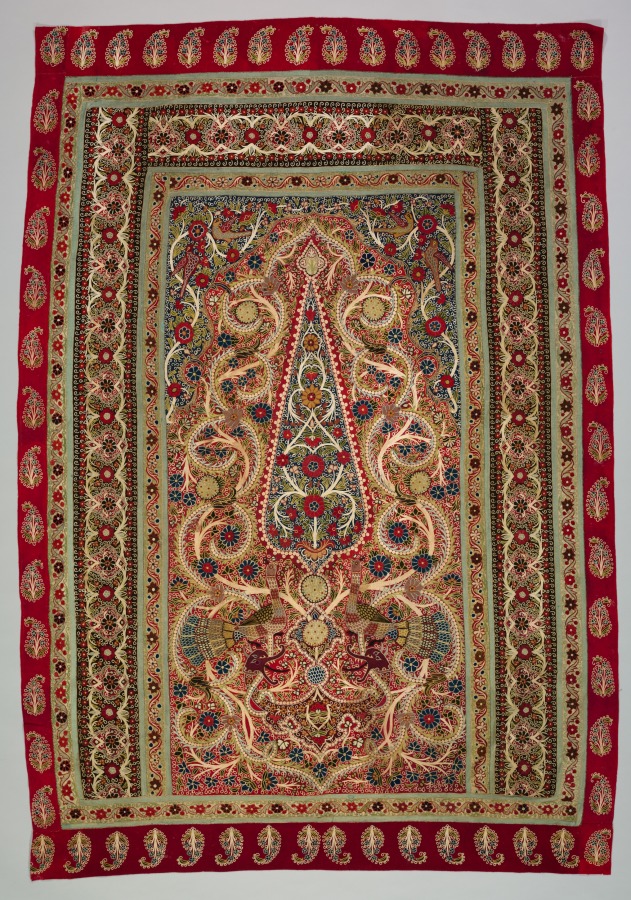
Tent Wall Panel(?)
Cleveland Museum of Art
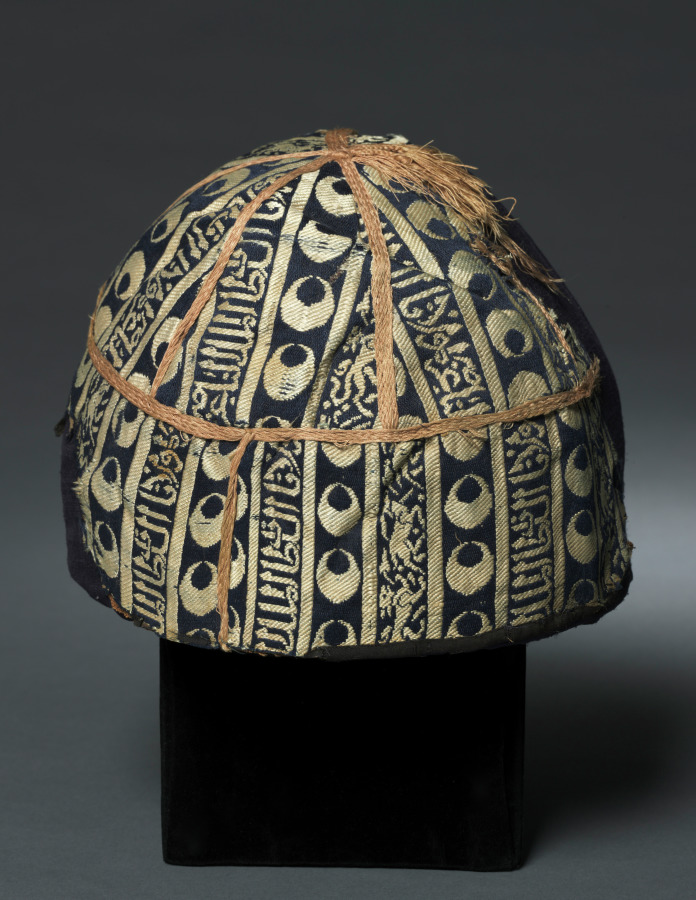
Cap with Striped Inscribed Silk
Cleveland Museum of Art
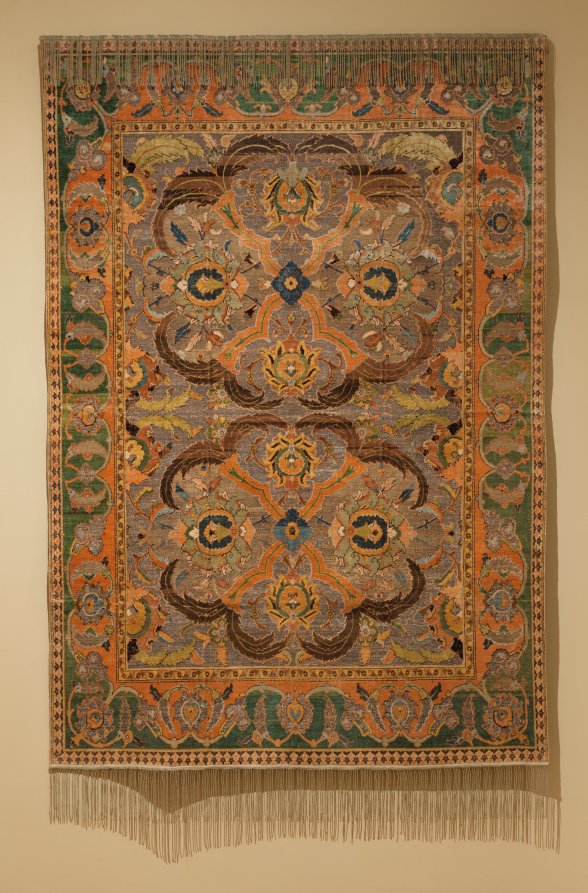
Royal Carpet with Silk and Metal Thread
Cleveland Museum of Art
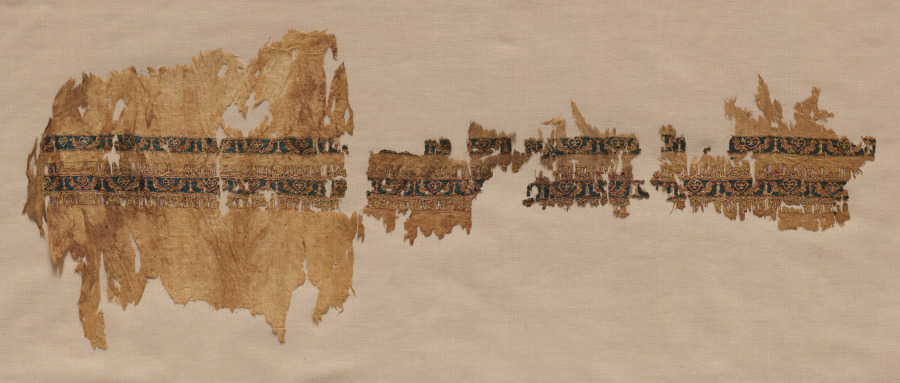
Tiraz with gold, probably from a wide sleeve
Cleveland Museum of Art
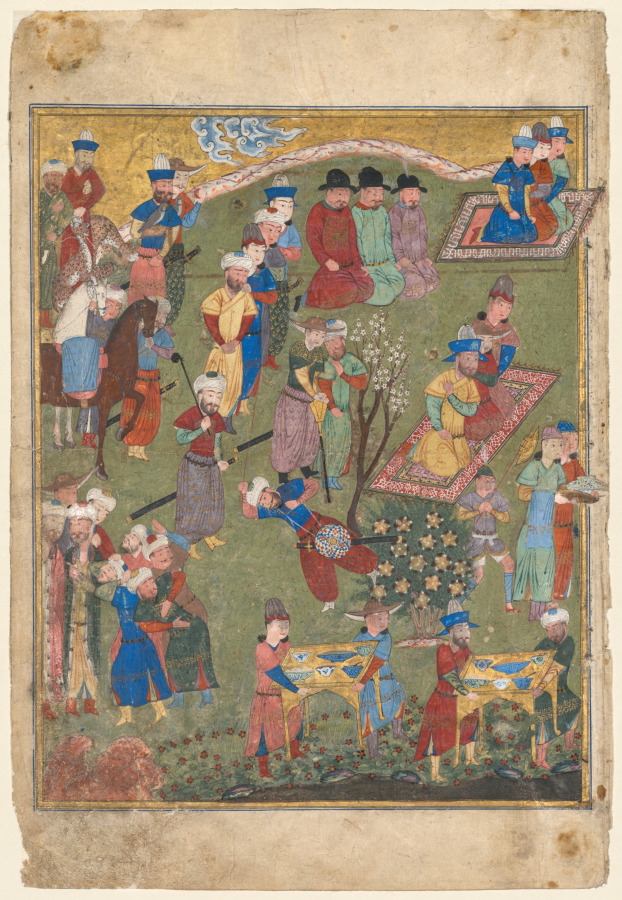
Royal Reception in a Landscape, left folio from the double frontispiece of a Shahnama (Book of Kings) of Firdausi (Persian, about 940–1019 or 1025)
Cleveland Museum of Art
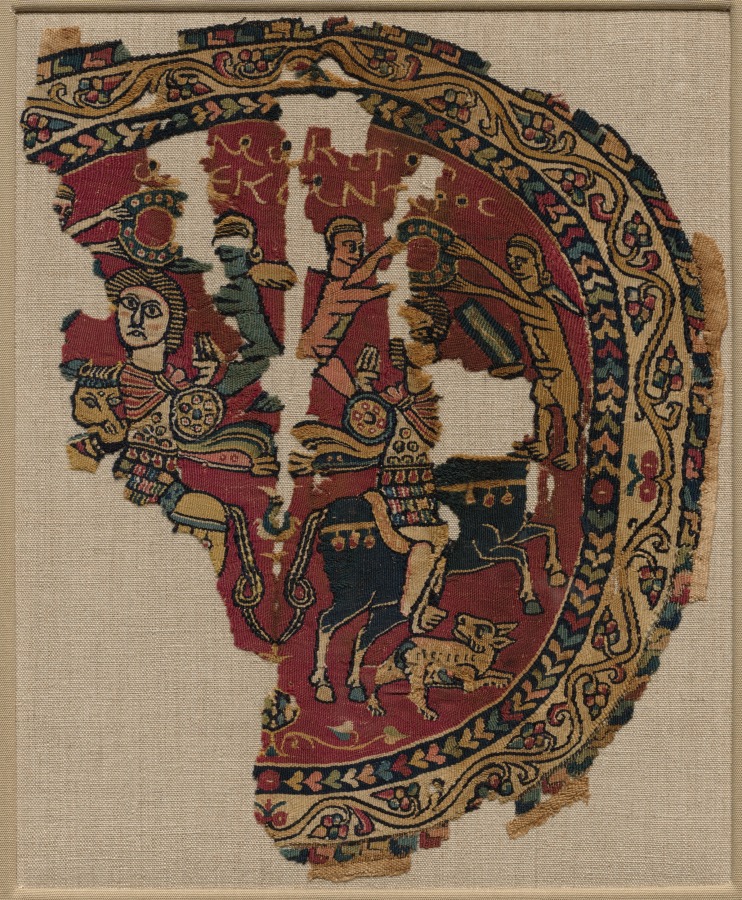
Alexander the Great on Horseback
Cleveland Museum of Art
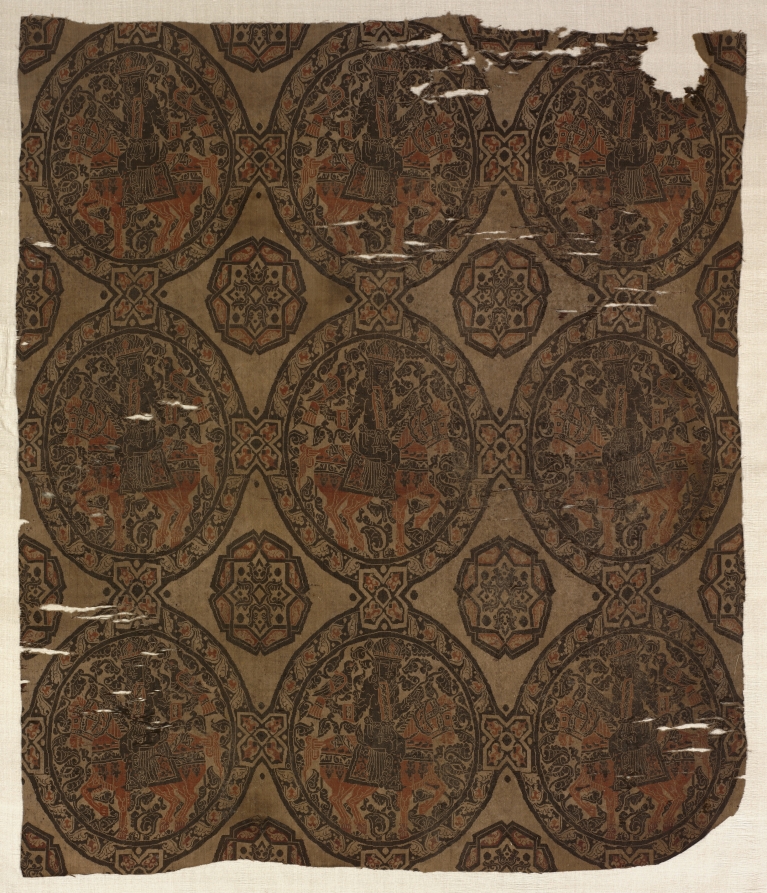
Fragment with Equestrian Falconer King
Cleveland Museum of Art