Cleveland Museum of Art
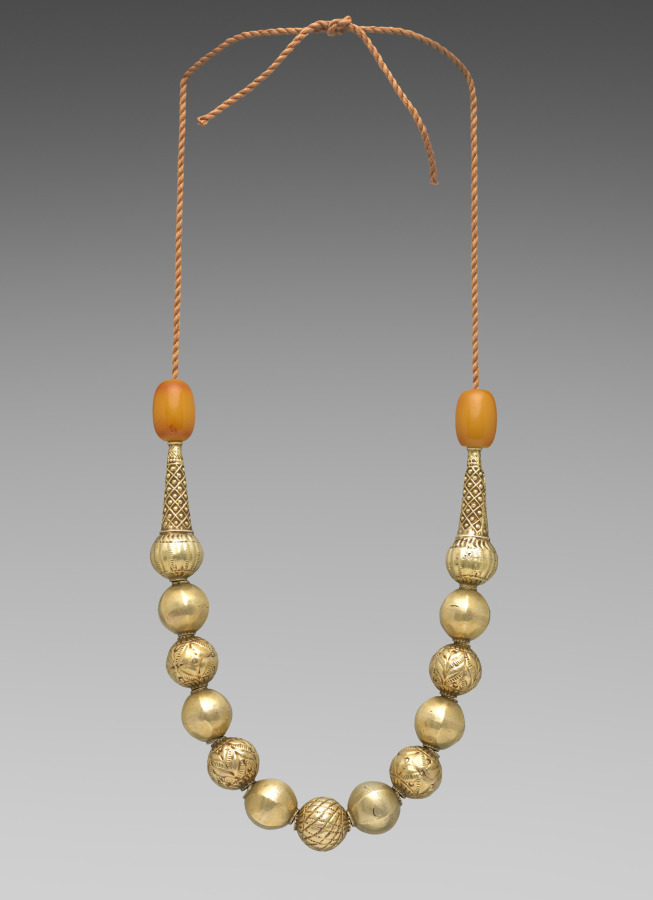
Necklace (muriya or murriyya)
- Date
- late 1800s or early 1900s
- Medium
- gilt silver, tree resin (possibly copal)
- Culture
- Africa, East Africa, probably Harar, Ethiopia, unknown silversmith
- Department
- African Art
- Institution
- Cleveland Museum of Art
This necklace is from is from the Ethiopian city of Harar, where it was worn only by Muslim women. It was part of the bridal trousseau. The spherical silver beads of this muriya necklace resemble Muslim prayer necklaces. Its warm yellow Baltic amber or Zanzibari copal simultaneously conveyed the wearer’s married status and her access to imported goods. Ornate filigree jewelry was historically made in Ethiopia for royals and nobility by specialized silversmiths trained through long apprenticeships. Customers were generally female, while silversmiths are always male. Besides archaeological examples, the oldest known Ethiopian jewelry dates from the 1840s; damaged items were typically melted down to make new pieces or to use during times of hardship.
The authoritative record is held by Cleveland Museum of Art. LinkedCulture surfaces this object and its connections; it does not alter institutional metadata.
Related across collections
Semantically similar works from Cleveland Museum of Art and other institutions.
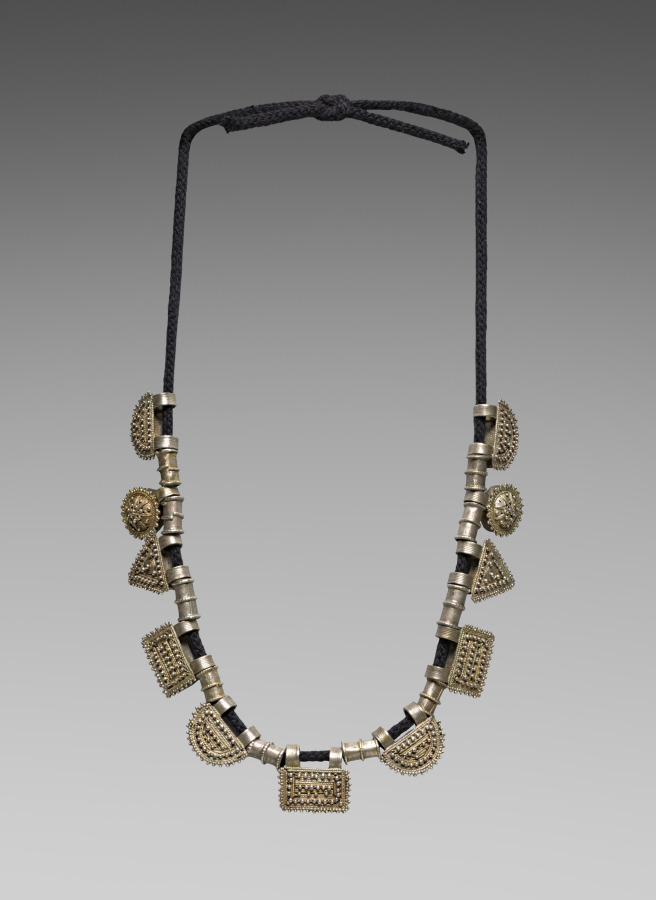
Necklace (ashän ketab) with amulet pendants (tälsäm)
Cleveland Museum of Art
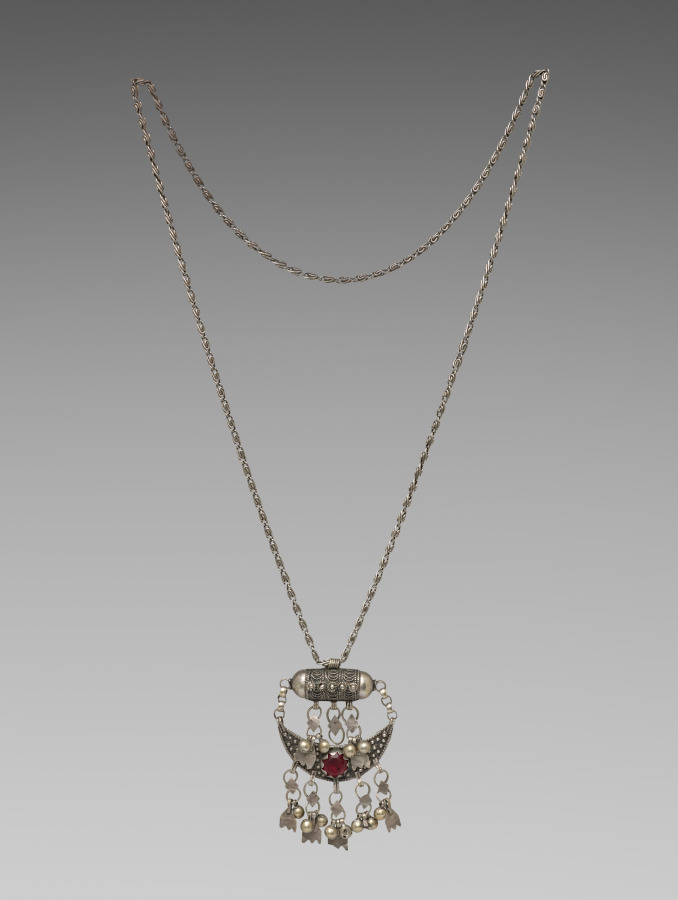
Necklace with pendant (waqari or wakari?)
Cleveland Museum of Art
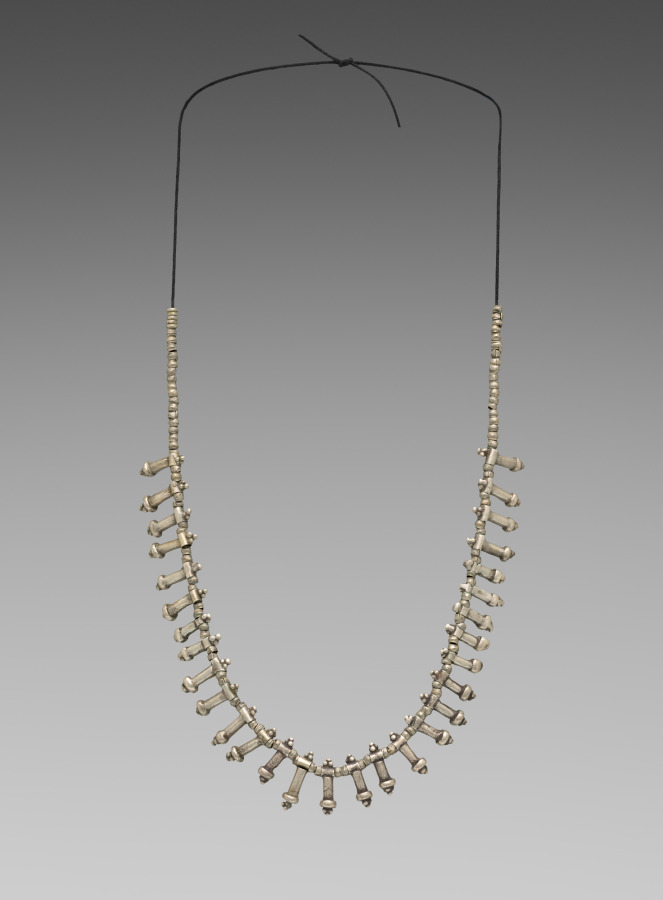
Necklace with beads (sadi?)
Cleveland Museum of Art
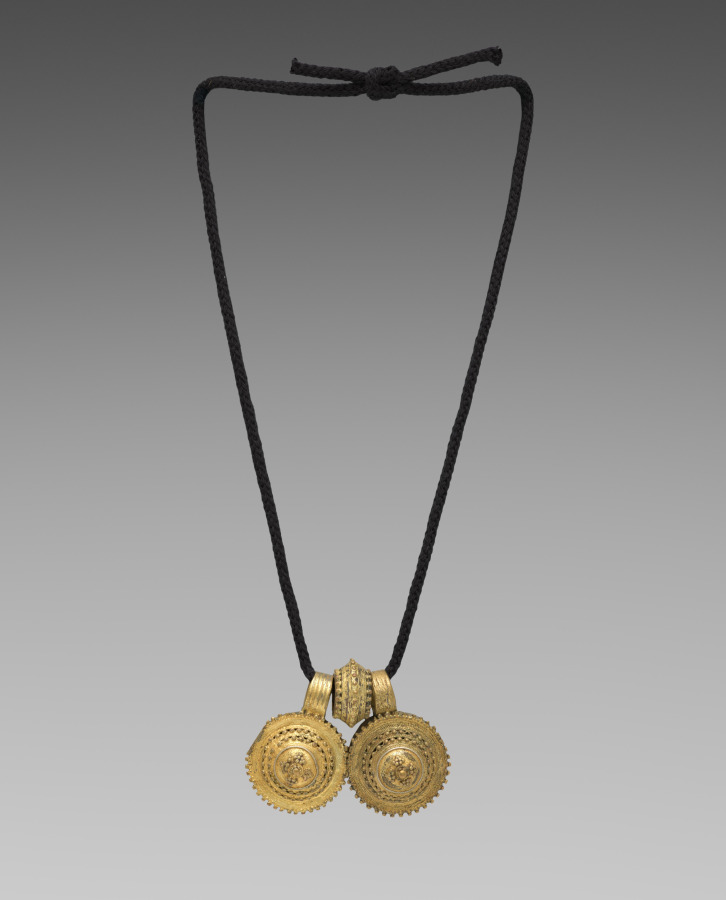
Necklace (ashän ketab) with amulet pendants (tälsäm) and bead
Cleveland Museum of Art

Necklace
Minneapolis Institute of Art

Fibulae (tizerzai)
Minneapolis Institute of Art

Woman's veil (Odhani)
Minneapolis Institute of Art

Belt buckle and anklets
Minneapolis Institute of Art
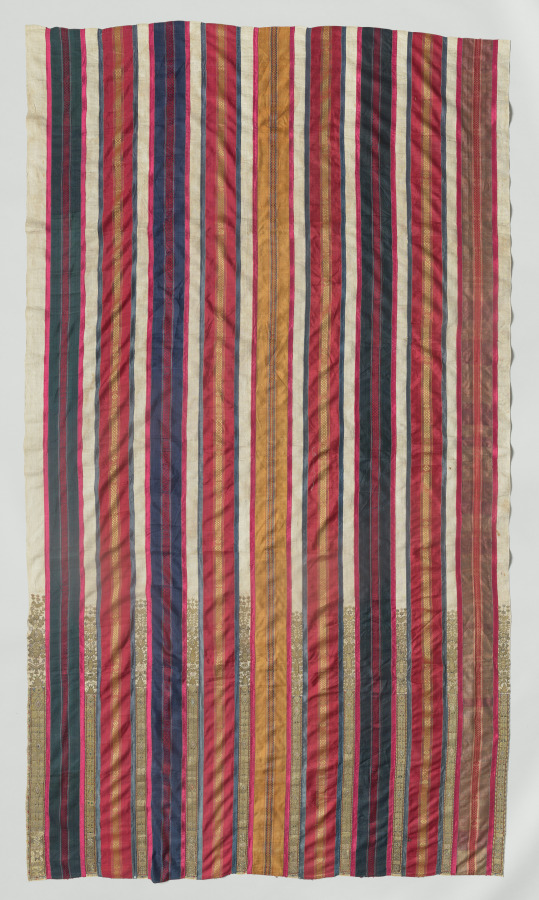
Curtain (one of a pair)
Cleveland Museum of Art
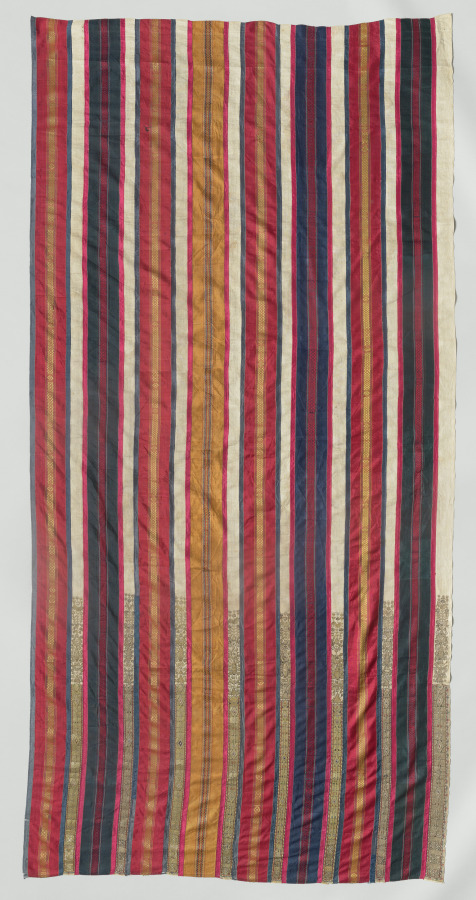
Curtain (one of a pair)
Cleveland Museum of Art
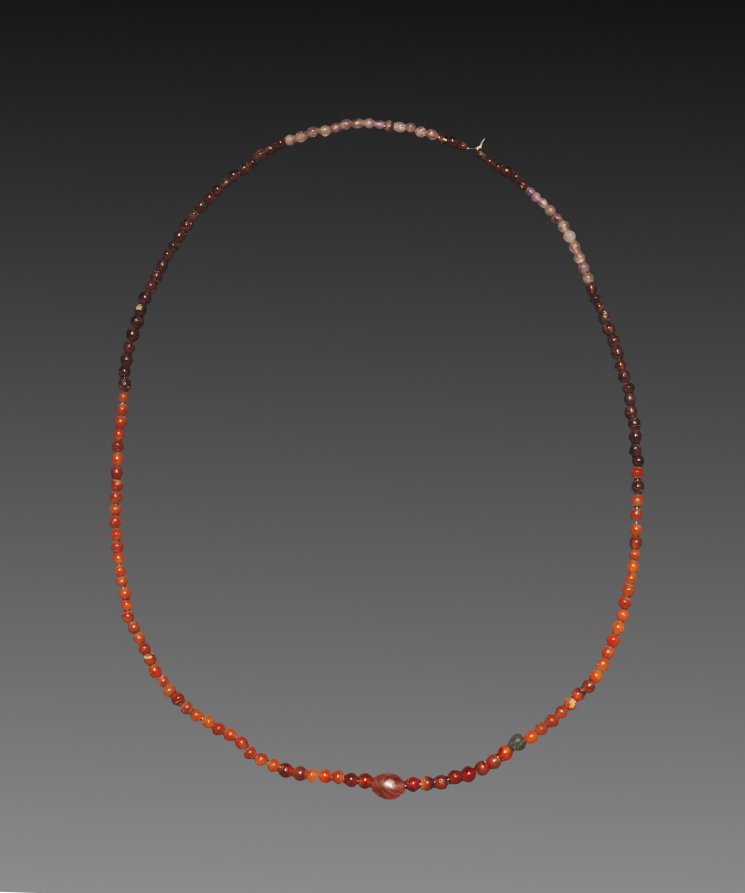
Necklace
Cleveland Museum of Art

Amulet (tcherot)
Minneapolis Institute of Art