Cleveland Museum of Art
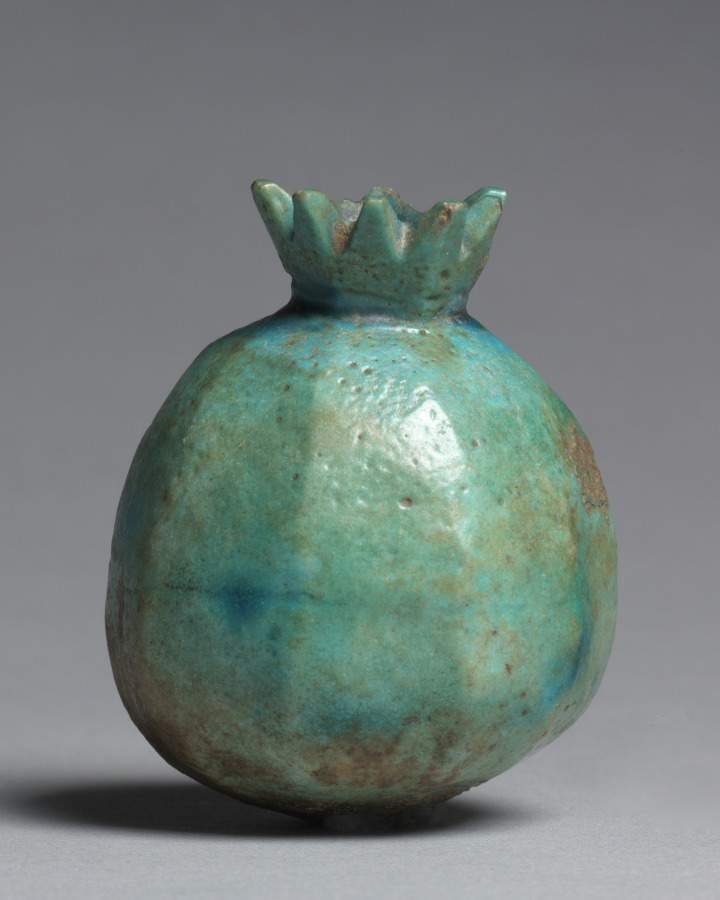
Pomegranate Vase
- Date
- 1479–1425 BCE
- Medium
- blue vitreous faience
- Culture
- Egypt, New Kingdom (1540–1069 BCE), Dynasty 18, reign of Tuthmosis III (1479–1425 BCE) or later
- Department
- Egyptian and Ancient Near Eastern Art
- Institution
- Cleveland Museum of Art
This small, round-bottomed flask takes the shape of a pomegranate. The serrated petals or calyxes that trim the top mimic the turned-back outer husk that is characteristic of this fruit. The flask's aperture is small. Not native to Egypt, the pomegranate ( Punica granatum ) was introduced from western Asia or Cyprus in the first half of Dynasty 18, probably between the reigns of Amenhotep I and Tuthmosis III. The fruit's novelty, as well as its shape, most likely accounts for its tremendous popularity as a deluxe vessel form at this time. Perhaps best known in Egypt and abroad in the materials of faience and glass, the type also occurs in metal, wood, and stone. The small size of the flask, together with its narrow opening, suggests that it originally contained a small amount of precious liquid, perhaps an ancient perfume or an offering of pomegranate wine.
The authoritative record is held by Cleveland Museum of Art. LinkedCulture surfaces this object and its connections; it does not alter institutional metadata.
Related across collections
Semantically similar works from Cleveland Museum of Art and other institutions.

Aryballos in the Shape of a Pomegranate
Getty Museum
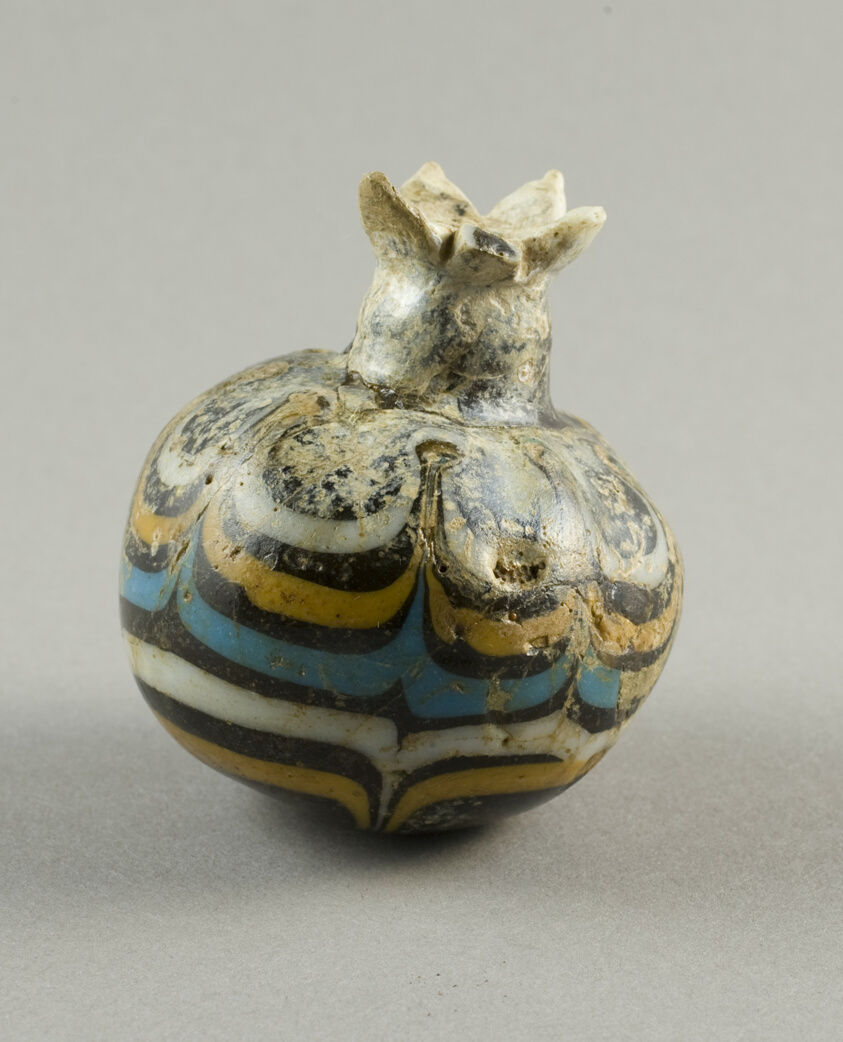
Vase in the Shape of a Pomegranate
Art Institute of Chicago

Pomegranate vase
Getty Museum
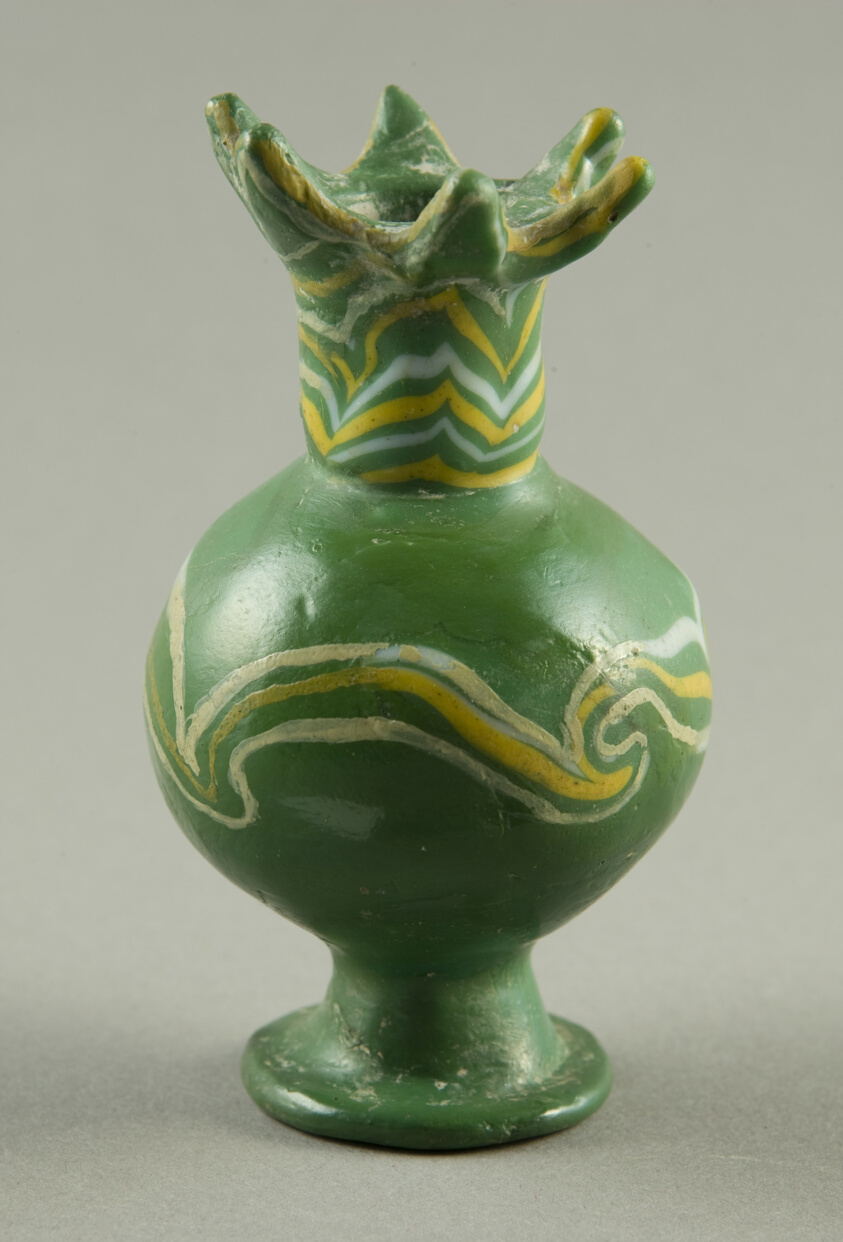
Vase
Art Institute of Chicago
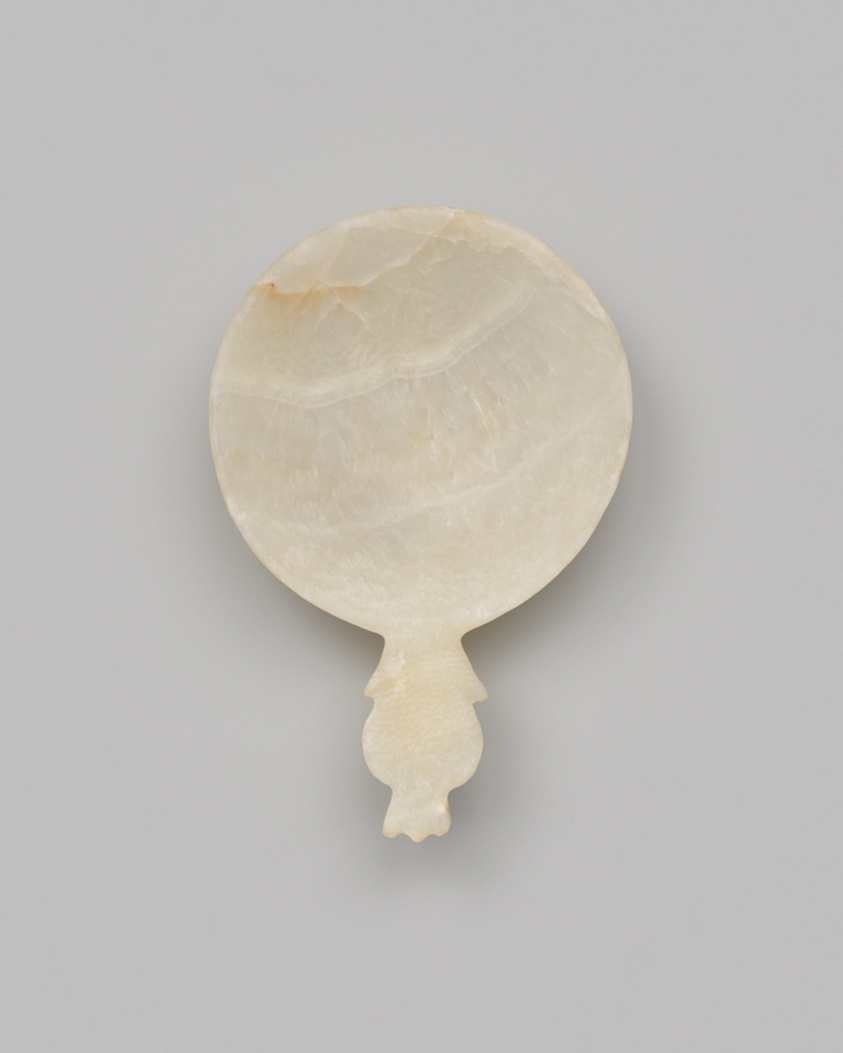
Ointment Vessel
Art Institute of Chicago
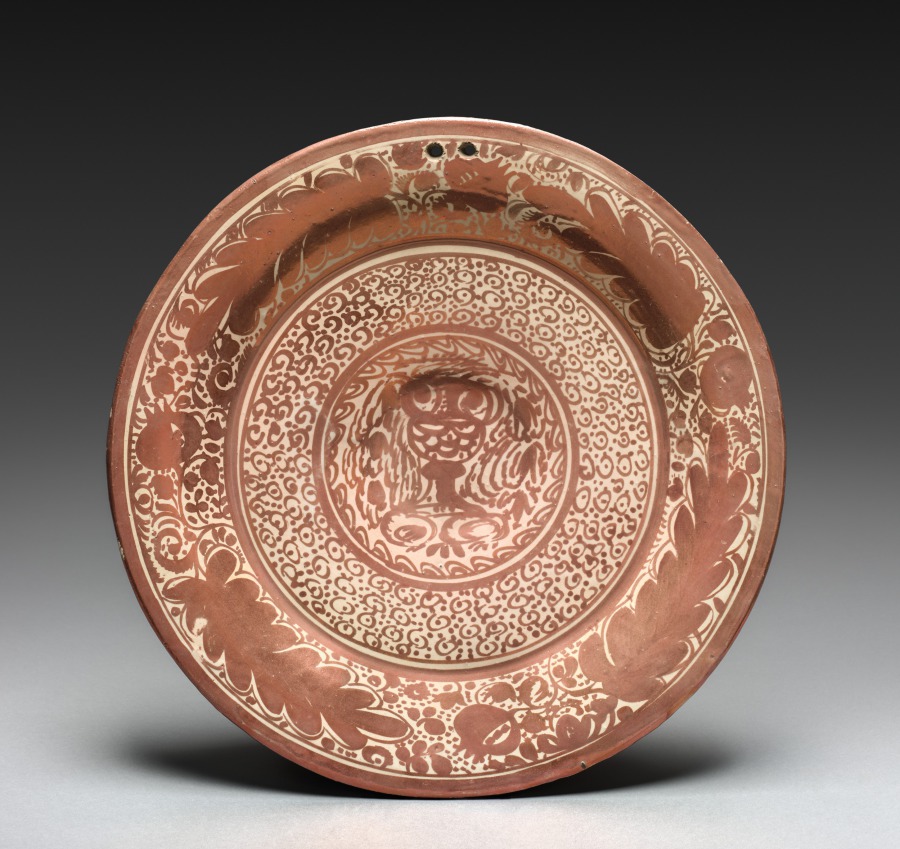
Dish
Cleveland Museum of Art
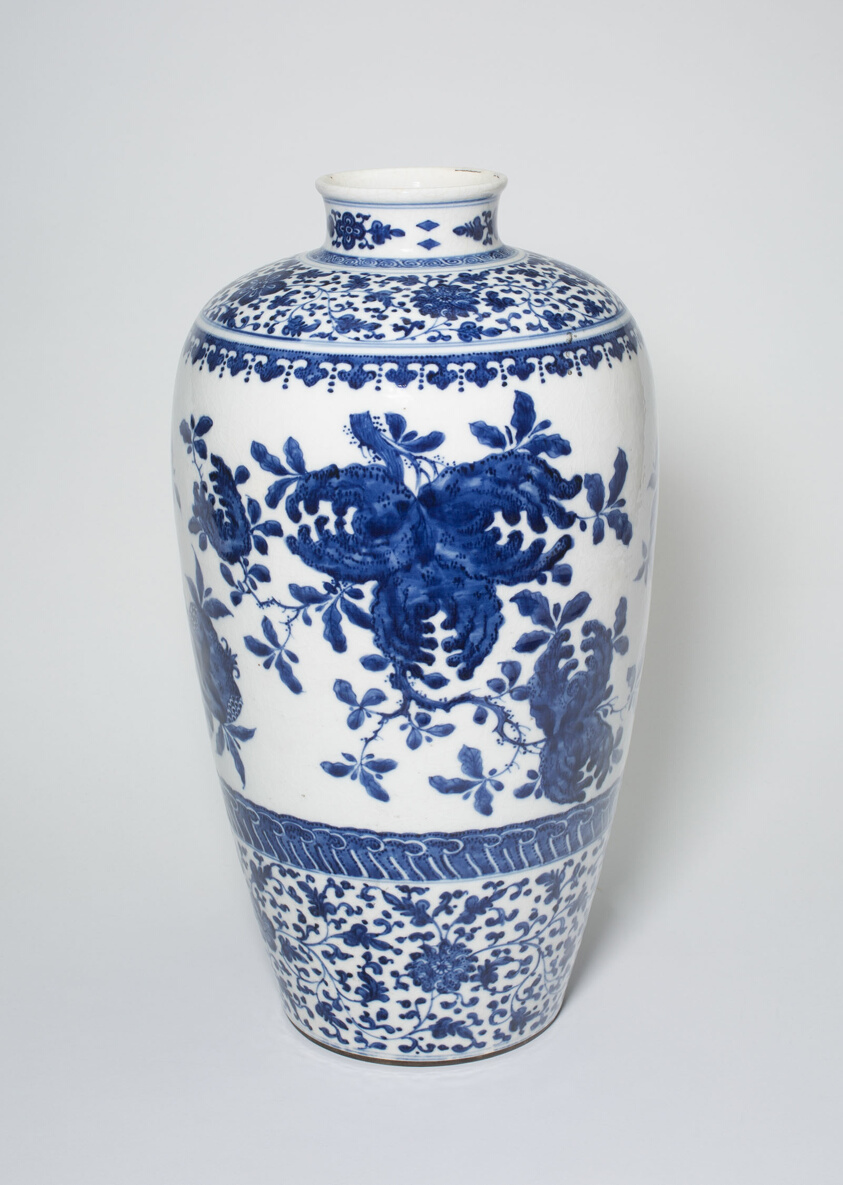
Vase with Pomegranates and Stylized Floral Scrolls
Art Institute of Chicago
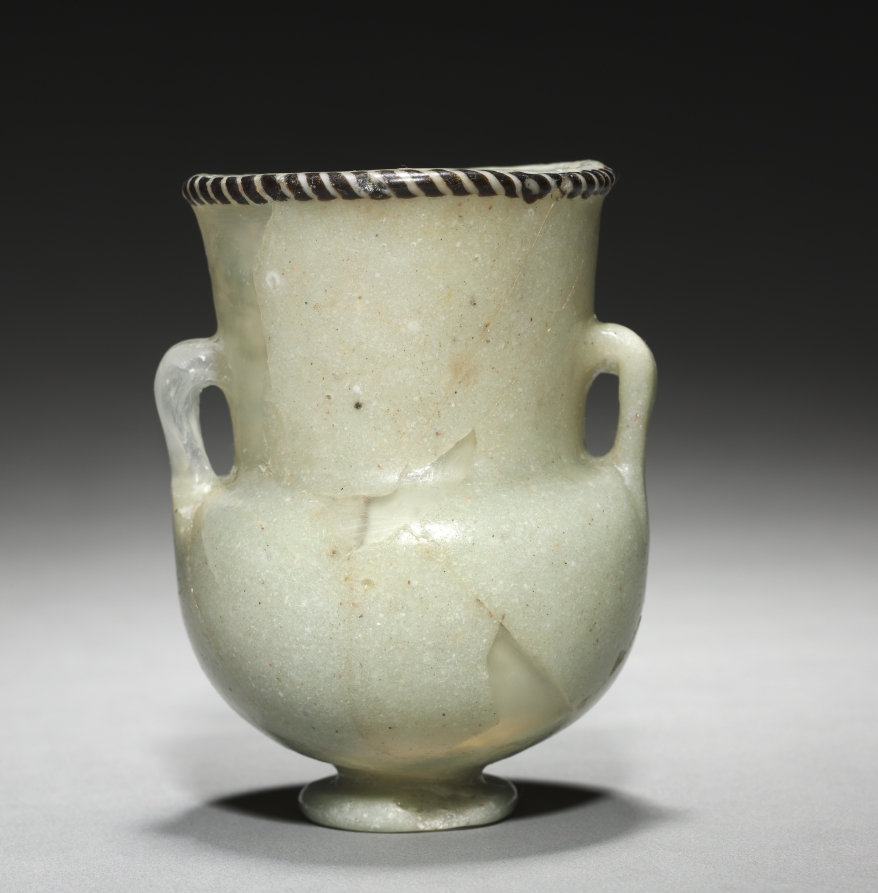
Unguent Bottle (Krateriskos)
Cleveland Museum of Art
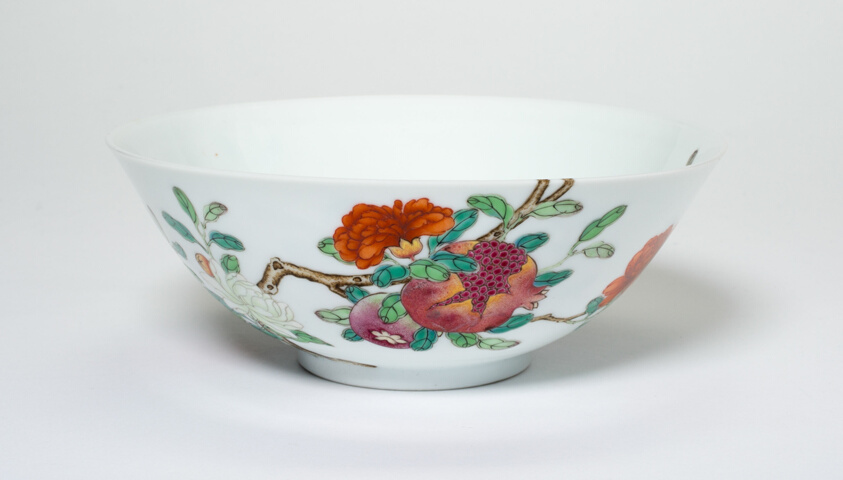
Bowl with Fruiting and Flowering Pomegranate Sprays
Art Institute of Chicago
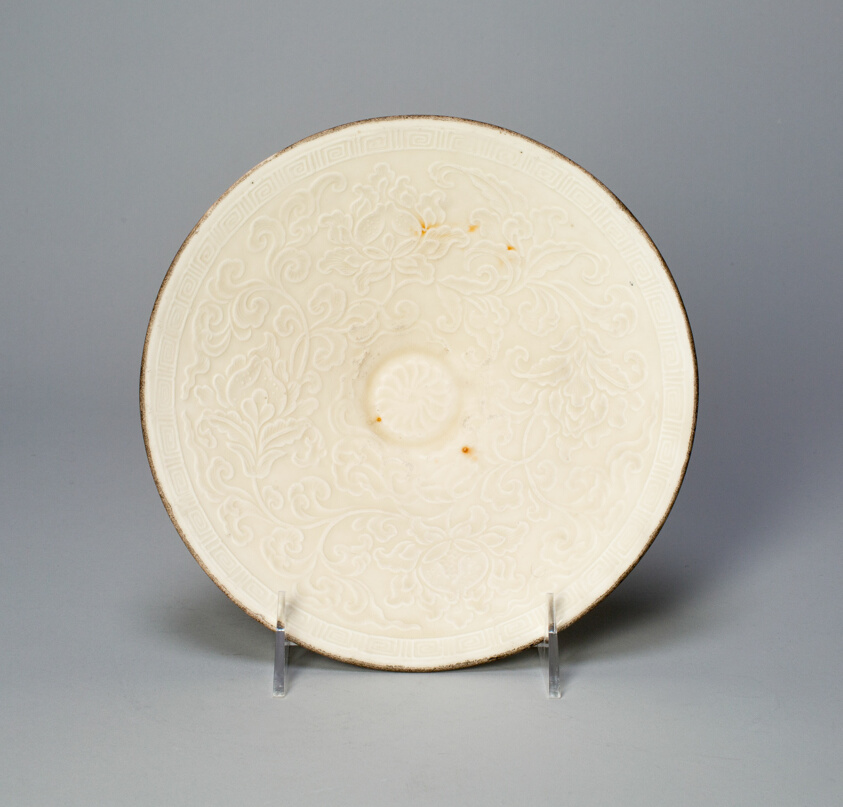
Bowl with Pomegranates, Peonies, and Stylized Leaves
Art Institute of Chicago
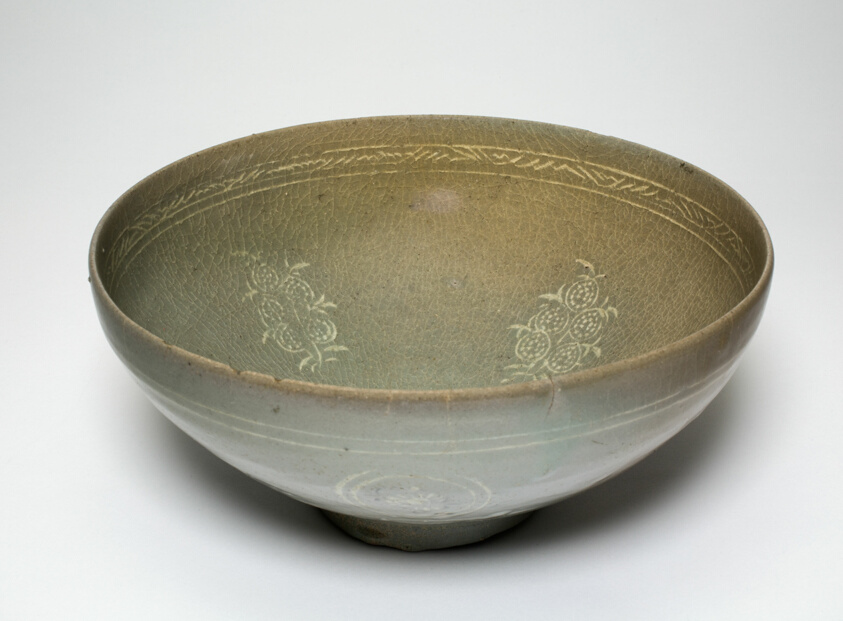
Bowl with Stylized Pomegranate Clusters
Art Institute of Chicago
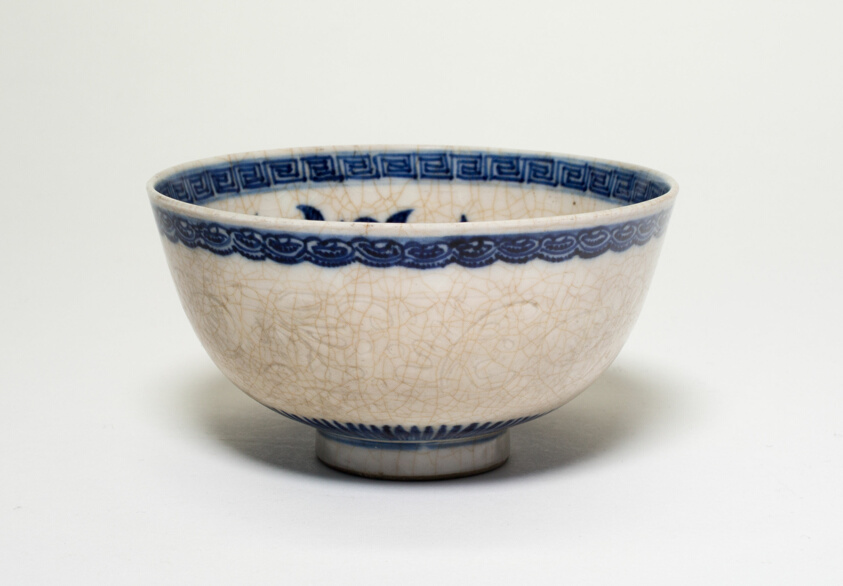
Bowl with Sprays of Pomegranate and Peaches
Art Institute of Chicago