
Getty Museum
Pair of Magot Figures
- Date
- about 1740
- Medium
- Soft-paste porcelain, polychrome enamel decoration; gilt-bronze mounts
- Culture
- French
- Department
- Decorative Arts
- Institution
- Getty Museum
Imitating Asian designs in both form and decoration, the Chantilly porcelain manufactory produced these potpourri vases in France. These smiling seated figures with long earlobes, dressed in monks' robes, represent the popular Buddhist god of good fortune or contentment, known as *Budai (Put'ai)* in China and *Ho-teiin* Japan. In the 1700s, Europeans called these figures *magots*, meaning bizarre or grotesque figures in a Chinese or Japanese style, modeled in a variety of poses. Containers for potpourri first appeared in the 1700s in France, made from precious metals, porcelain, lacquer, or hardstones; recipes for their sweet-smelling contents were soon prevalent.
The authoritative record is held by Getty Museum. LinkedCulture surfaces this object and its connections; it does not alter institutional metadata.
Related across collections
Semantically similar works from Getty Museum and other institutions.
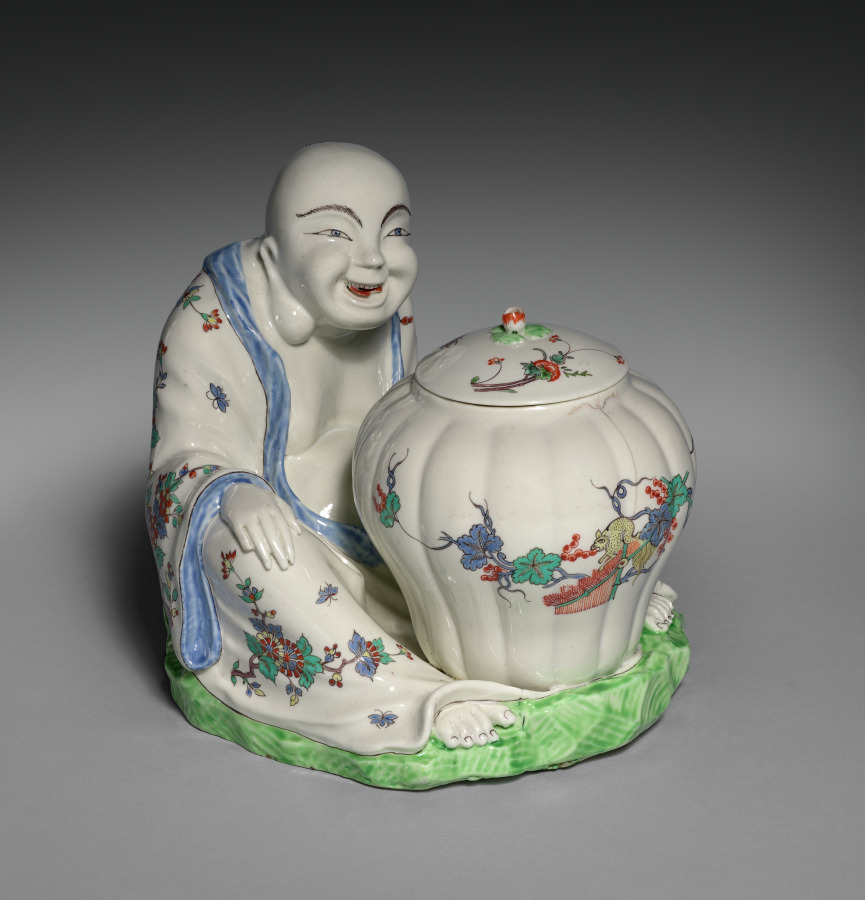
Figure of Budai or Hotei with Jar
Cleveland Museum of Art

Pair of Potpourri Vases (potspourris Pompadour, troisième grandeur)
Getty Museum

Pair of Pot-pourri Bowls
Getty Museum
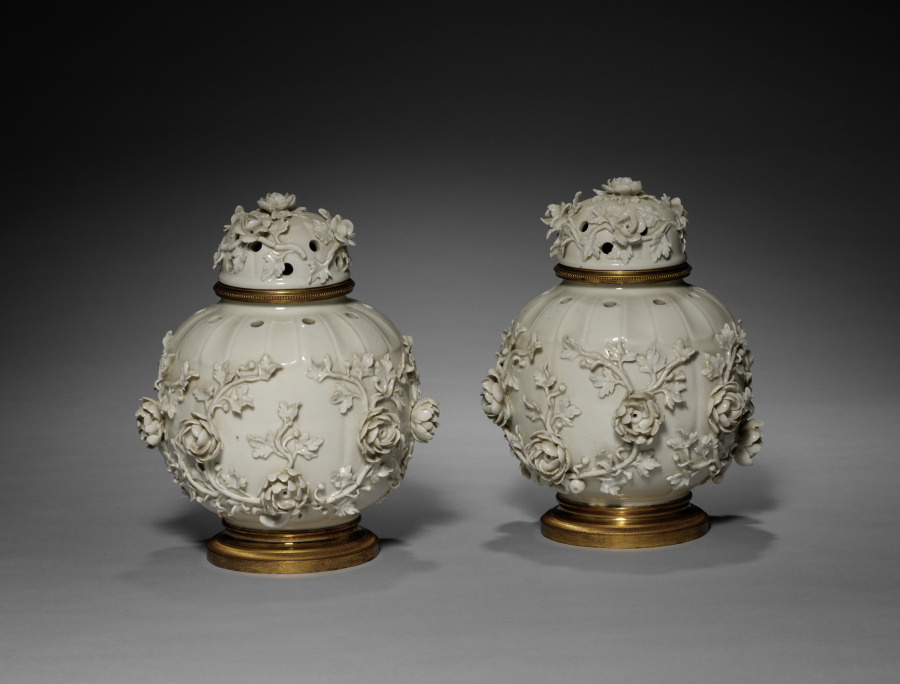
Pair of Potpourri Vases with Covers
Cleveland Museum of Art

Mounted Lidded Bowl
Getty Museum

Lidded Pot-pourri Vase (vase or pot-pourri vaisseau à mât, deuxième grandeur)
Getty Museum

Potpourri box
Minneapolis Institute of Art
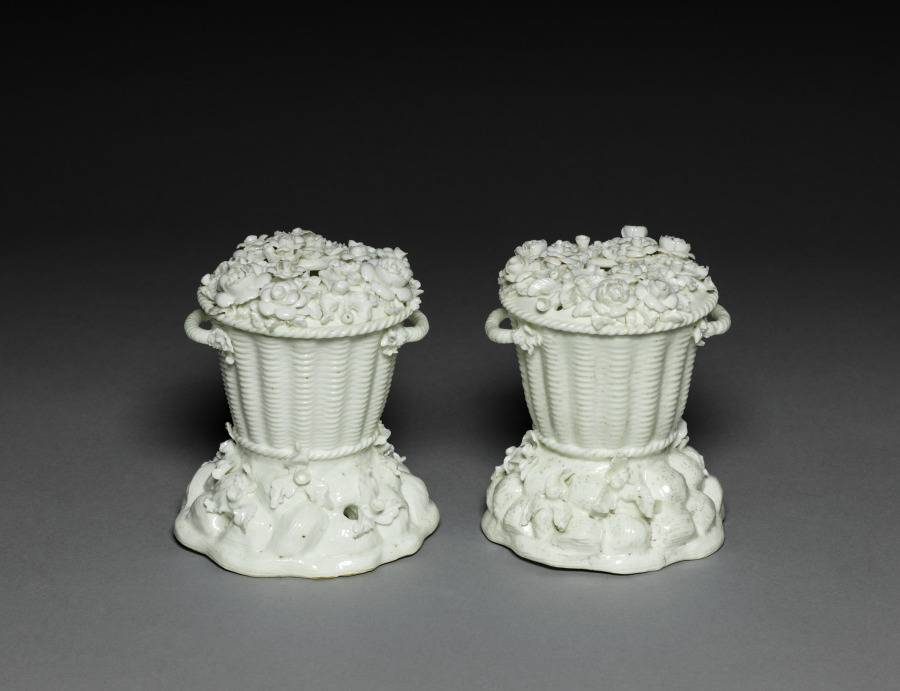
Pair of Potpourri Vases with Covers
Cleveland Museum of Art

Vase
Getty Museum
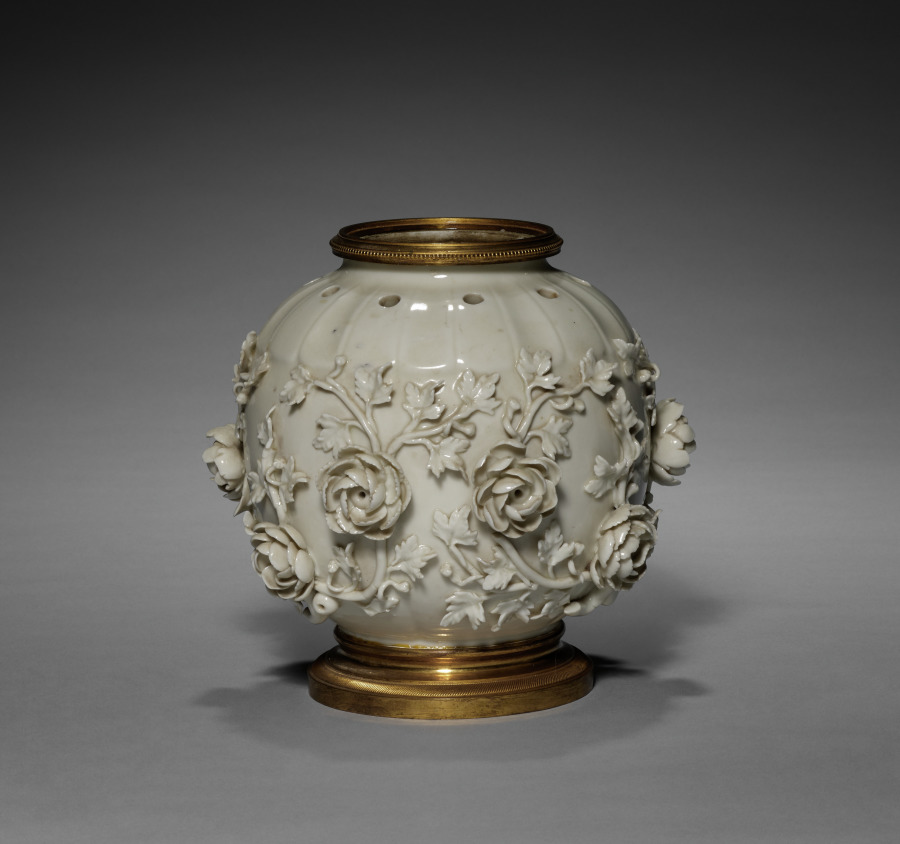
Potpourri Vase
Cleveland Museum of Art
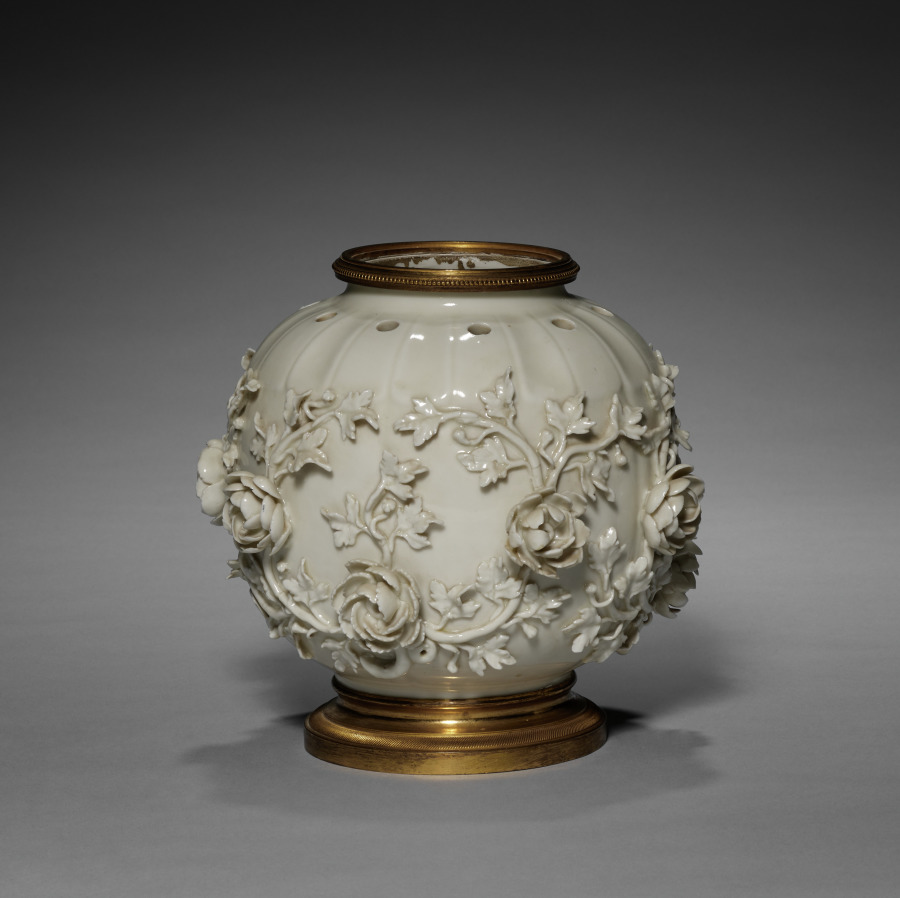
Potpourri Vase
Cleveland Museum of Art

Potpourri container
Minneapolis Institute of Art