
Minneapolis Institute of Art
Dakiniten, the Buddhist Manifestation of the Shinto Deity Inari
Japan
- Date
- late 14th century
- Medium
- Hanging scroll, ink and color on silk
- Department
- Asian Art
- Institution
- Minneapolis Institute of Art
Buddhism officially entered Japan in the mid-500s, and by the 800s, Japanese Buddhists had developed a theory that kami, native gods, were incarnations of Buddhist deities. The figure of Dakiniten in this scroll exemplifies Buddhism’s ready assimilation of native gods. In Hinduism, a ḍākinī is a female spirit or deity who eats the flesh and heart of humans nearing death. In Japan, the deity entered the Buddhist canon as a converted Hindu goddess, Dakiniten. Dakiniten was further conflated with the Shinto kami (deity) Inari, who was associated with abundance, especially of rice. Here, she is shown riding a white fox, another representation of Inari. The fox’s legs are wrapped in snakes, a reference to another converted Hindu goddess, Benzaiten. Asia
The authoritative record is held by Minneapolis Institute of Art. LinkedCulture surfaces this object and its connections; it does not alter institutional metadata.
Related across collections
Semantically similar works from Minneapolis Institute of Art and other institutions.

Akiba Gongen, Manifestation of Mount Akiba
Minneapolis Institute of Art

Hachiman in the Guise of a Buddhist Monk
Minneapolis Institute of Art
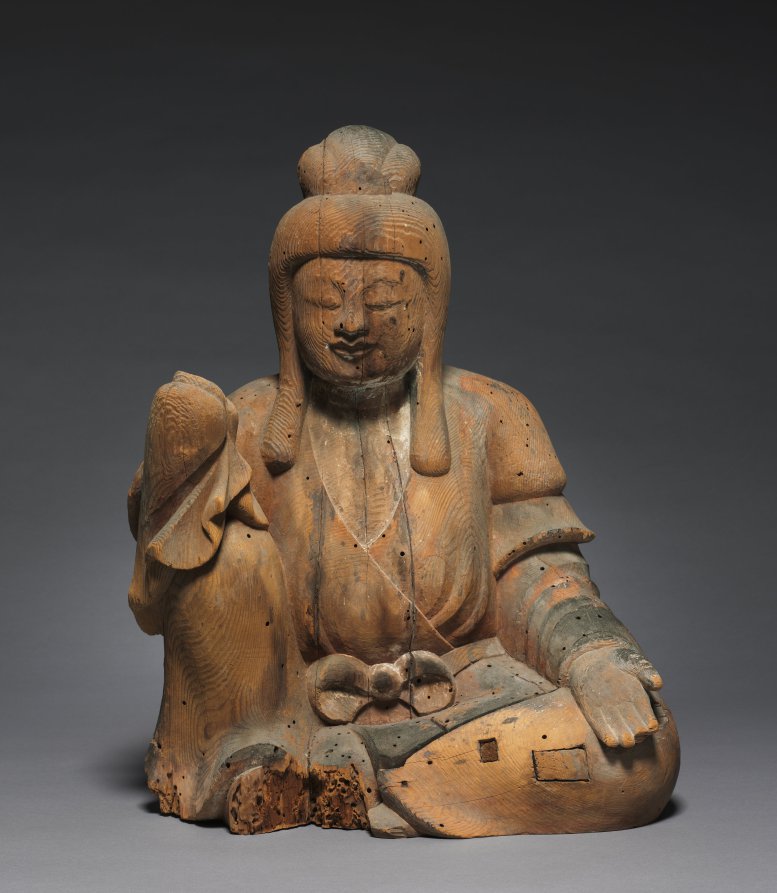
Shinto Deity
Cleveland Museum of Art
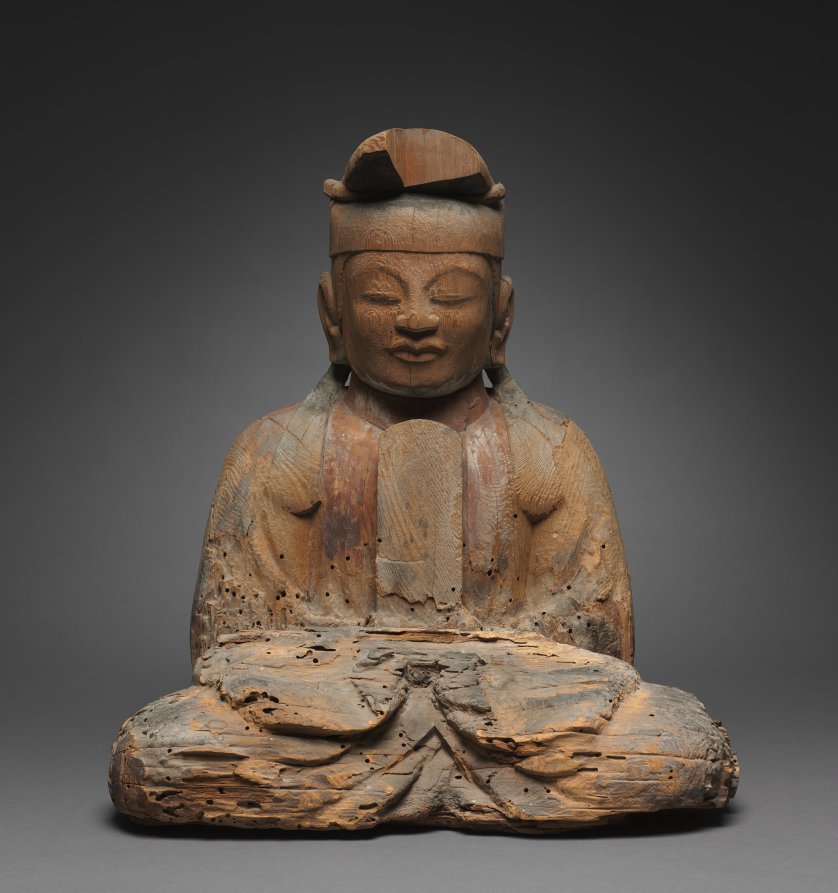
Shinto Deity
Cleveland Museum of Art

Shinto God
Minneapolis Institute of Art
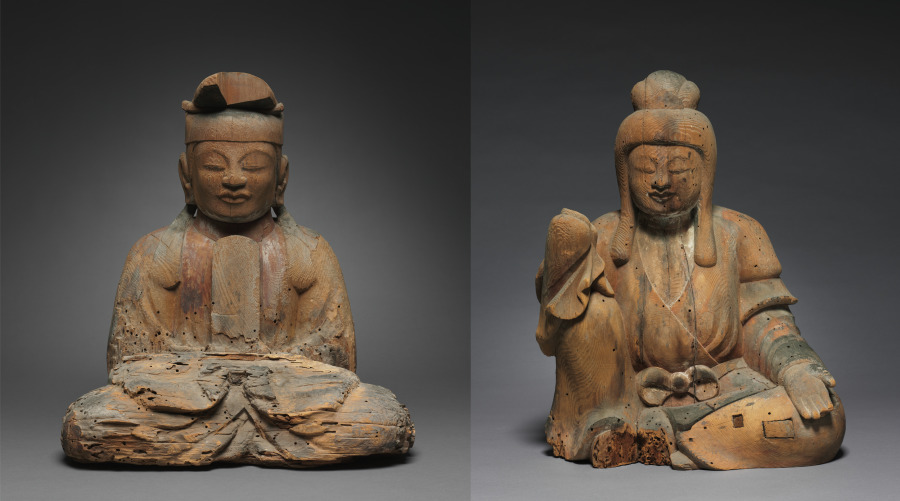
Shinto Deities
Cleveland Museum of Art
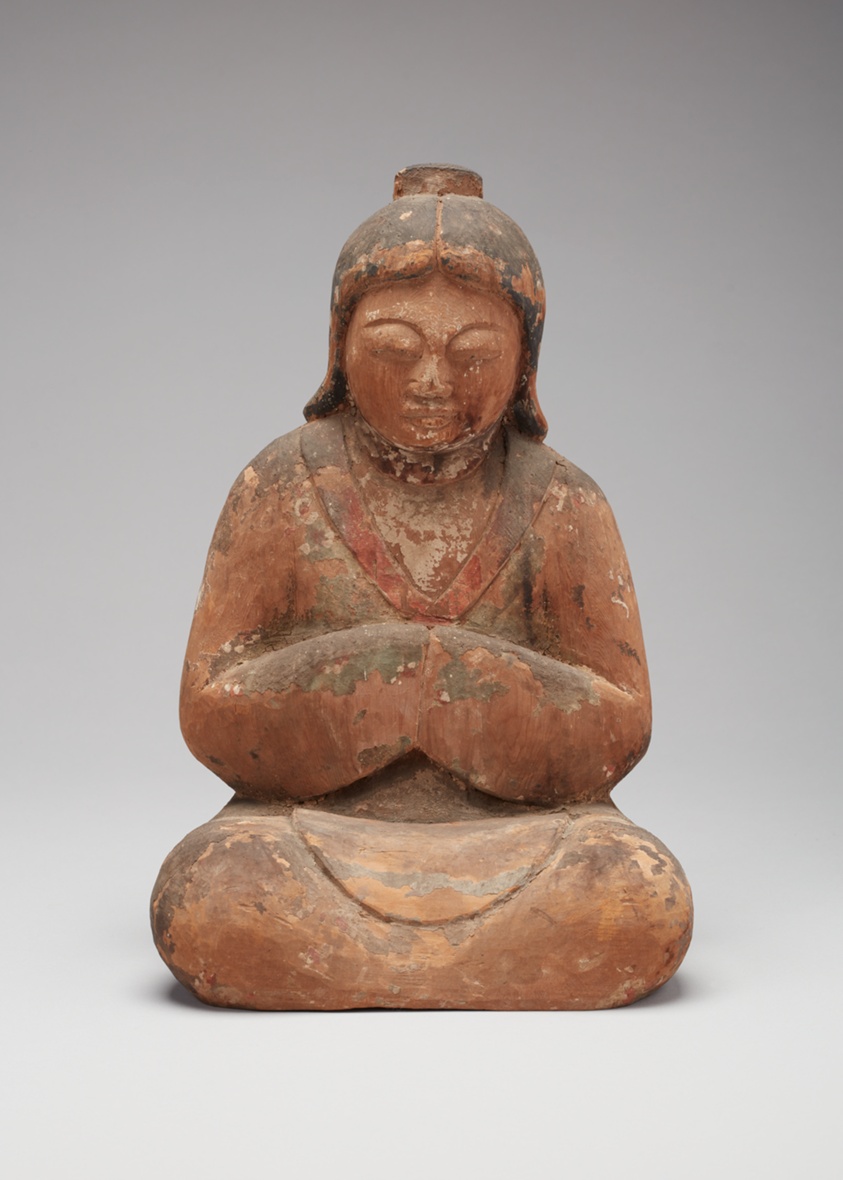
Female Shinto Deity
Art Institute of Chicago

Shinto Goddess
Minneapolis Institute of Art
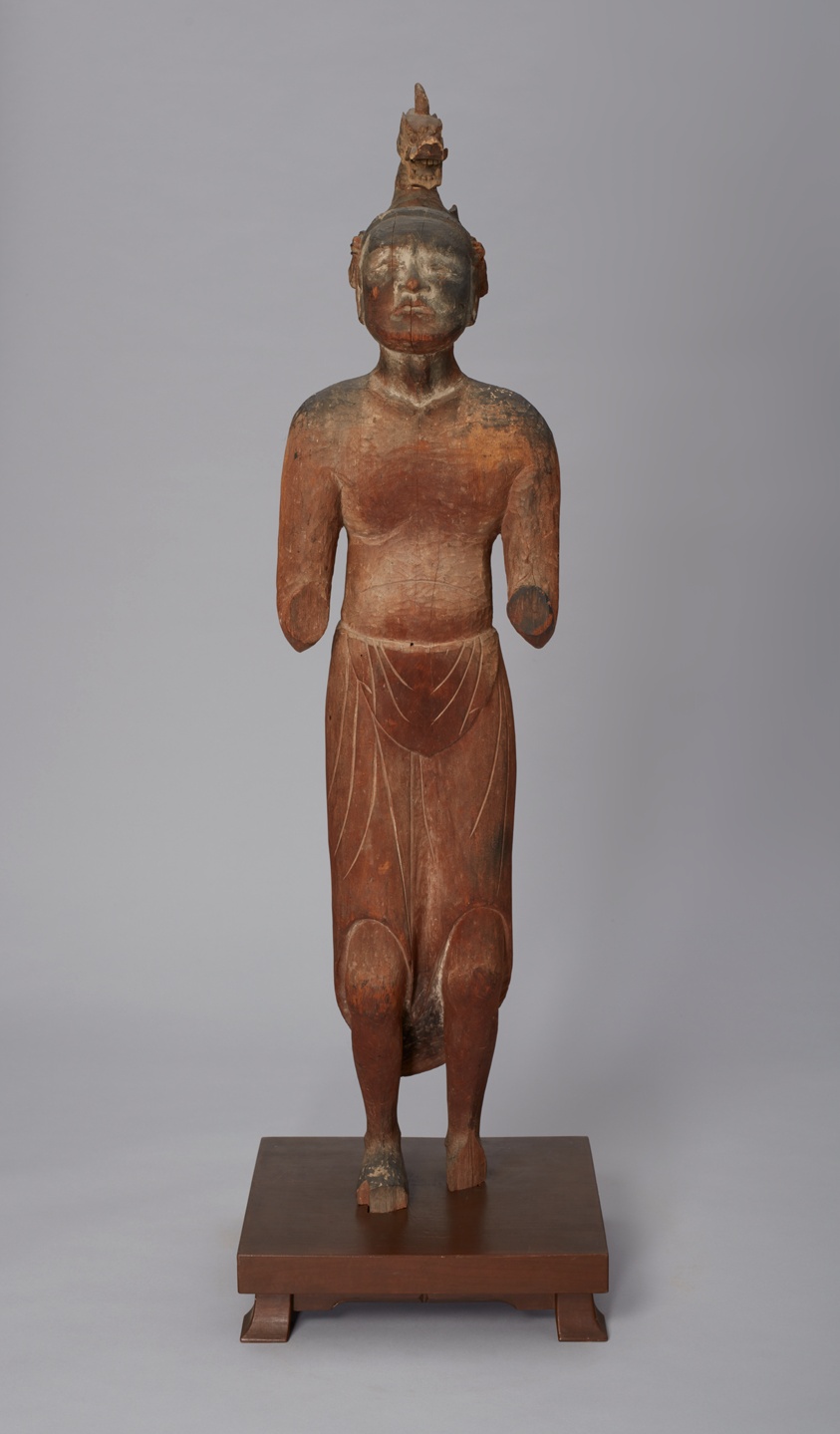
Dragon King
Art Institute of Chicago

Kichijōten (Shri-mahadevi)
Minneapolis Institute of Art

Uhōdōji, the Divine Rainmaking Boy
Minneapolis Institute of Art
![Nitten, the Sun Deity [one of a set of Twelve Devas]](https://1.api.artsmia.org/800/10347.jpg)
Nitten, the Sun Deity [one of a set of Twelve Devas]
Minneapolis Institute of Art