
Minneapolis Institute of Art
Game Board
China
- Date
- 17th century
- Medium
- Huang-hua-li, ji-chi-mu hardwood, zitan and brass
- Department
- Asian Art
- Institution
- Minneapolis Institute of Art
The Chinese have played weiqi , or go , since ancient times and it is first mentioned in the Confucian classics of the fifth century B.C. Both men and women of the educated class played weiqi and to the literati, it became a symbol of the intellect. This huanghuali board is framed in jichimu hardwood and inlaid with silver. One side is a board for weiqi , while the reverse is a board for chess, or xiangqi or elephant chess. The fluted bowls, used to hold the stone weiqi markers are also made of huanghuali wood. They are fashioned in the shape of a melon and the round lids are carved with an eight-pointed star pattern. These containers are generally made in a size that can be easily held in the palm of the hand. Weiqi markers during Qing were generally made from stone or glass. China, Asia
The authoritative record is held by Minneapolis Institute of Art. LinkedCulture surfaces this object and its connections; it does not alter institutional metadata.
Related across collections
Semantically similar works from Minneapolis Institute of Art and other institutions.

Chess Board
Minneapolis Institute of Art

Scholars Playing Go under Pine Trees
Minneapolis Institute of Art
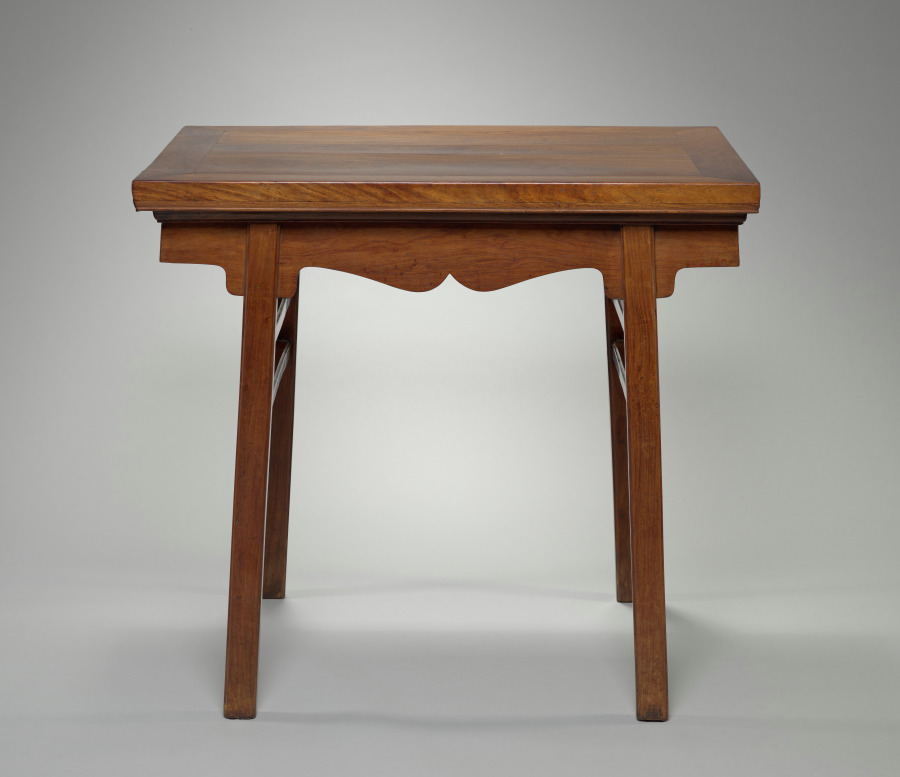
Game Table
Cleveland Museum of Art

Rouleau Vase
Minneapolis Institute of Art

Lute table
Minneapolis Institute of Art

Square Dish
Minneapolis Institute of Art
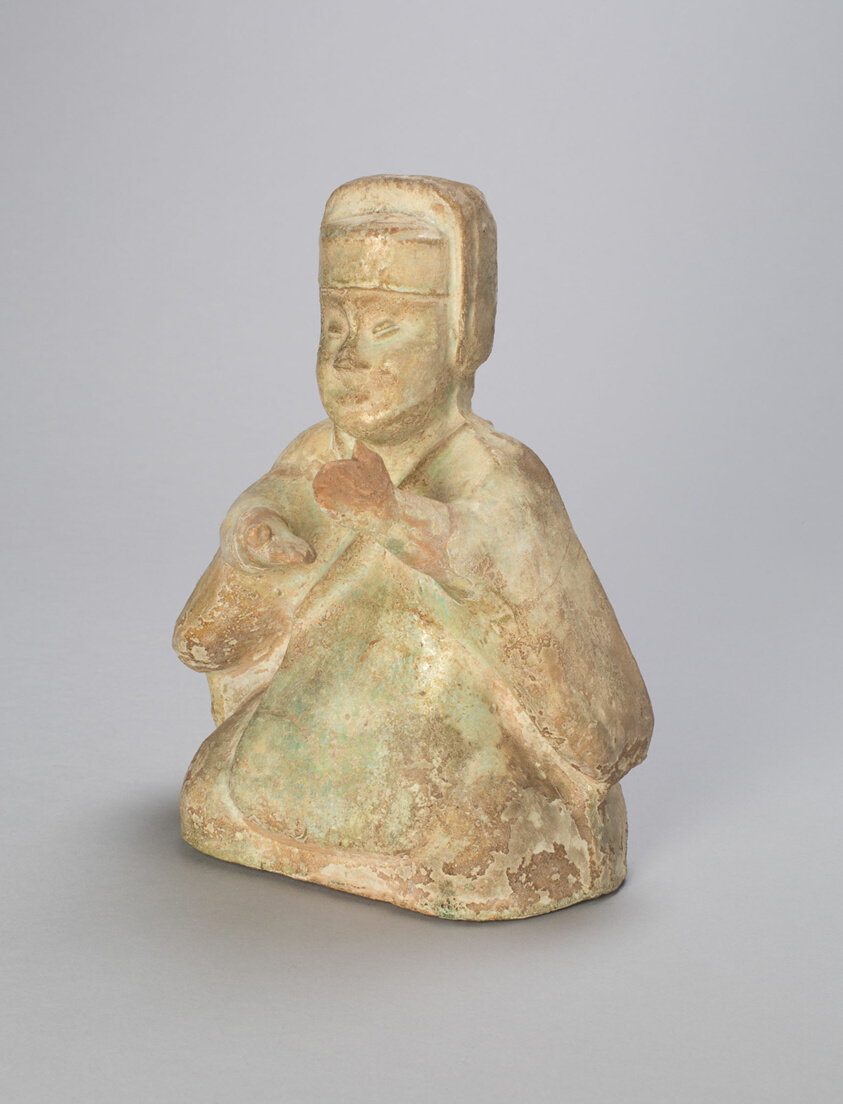
Board Game Player
Art Institute of Chicago
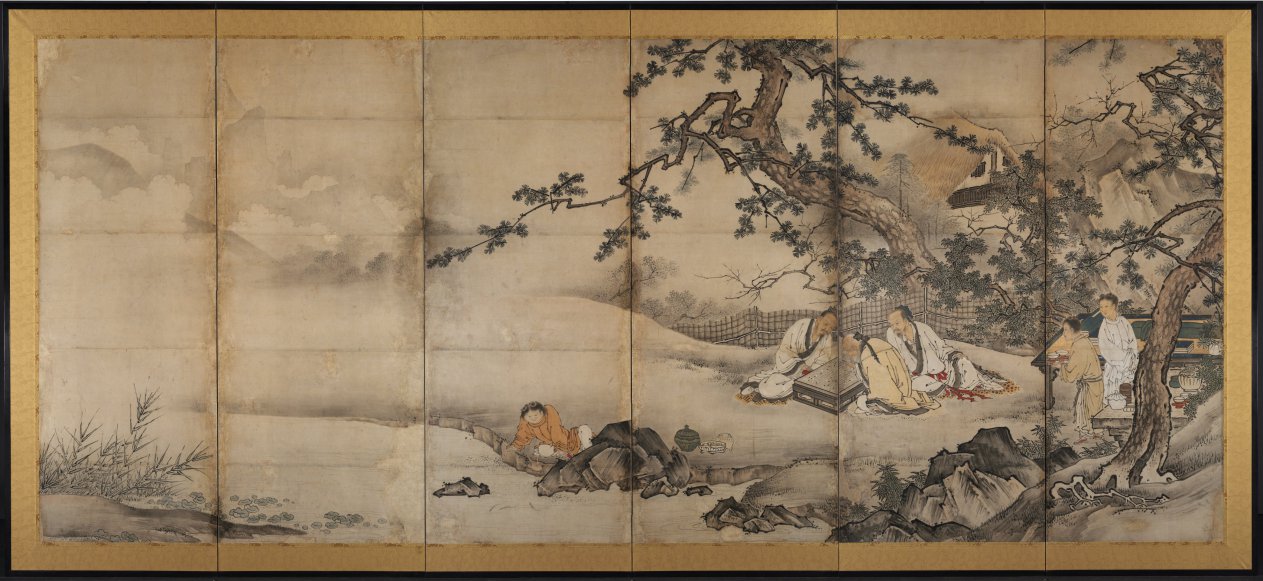
The Four Accomplishments
Cleveland Museum of Art
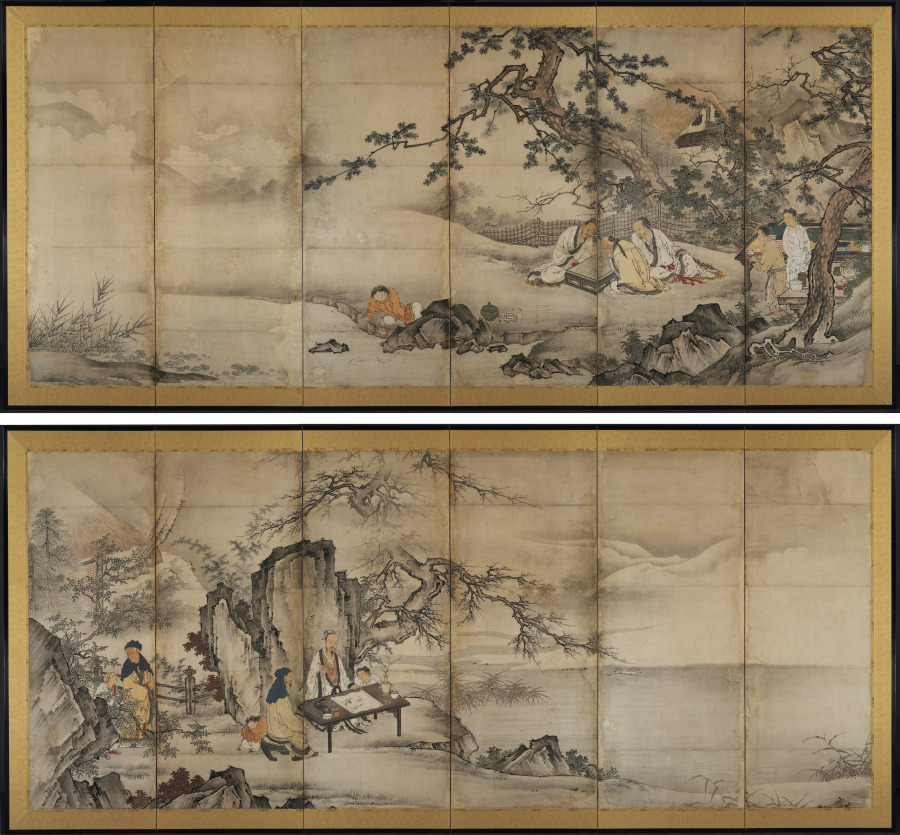
The Four Accomplishments
Cleveland Museum of Art

Games Table
Minneapolis Institute of Art

Zither (qin)
Minneapolis Institute of Art
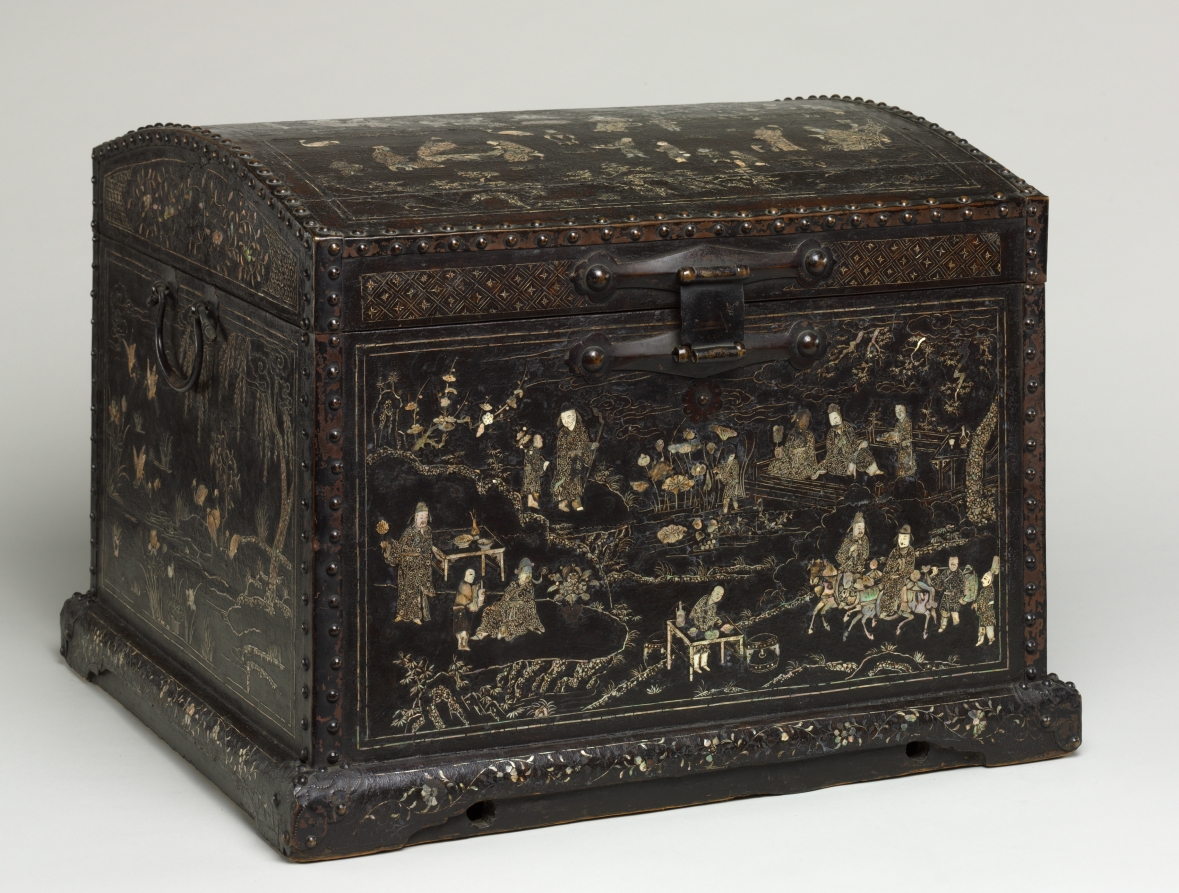
Chest for Storing Garments
Cleveland Museum of Art