
Minneapolis Institute of Art
Chess Board
China
- Date
- late 17th–early 18th century
- Medium
- Huang-hua-li hardwood and ivory
- Department
- Asian Art
- Institution
- Minneapolis Institute of Art
Although board games were used in China as early as the Shang dynasty (about 1600-1027 BCE), it is likely that Chinese chess was invented in north India during the sixth century and spread to China and the West along trade routes. This huanghuali board is inlaid with silver on one side for the game of xiangqi, or elephant chess. The thirty-two ivory markers are differentiated by a single inscribed character, colored in red or black. Chinese paintings and illustrated books show scenes of scholars playing the games of chess and weiqi (go) outdoors. This board folds up, making it convenient to transport and use outside. Asia
The authoritative record is held by Minneapolis Institute of Art. LinkedCulture surfaces this object and its connections; it does not alter institutional metadata.
Related across collections
Semantically similar works from Minneapolis Institute of Art and other institutions.

Game Board
Minneapolis Institute of Art
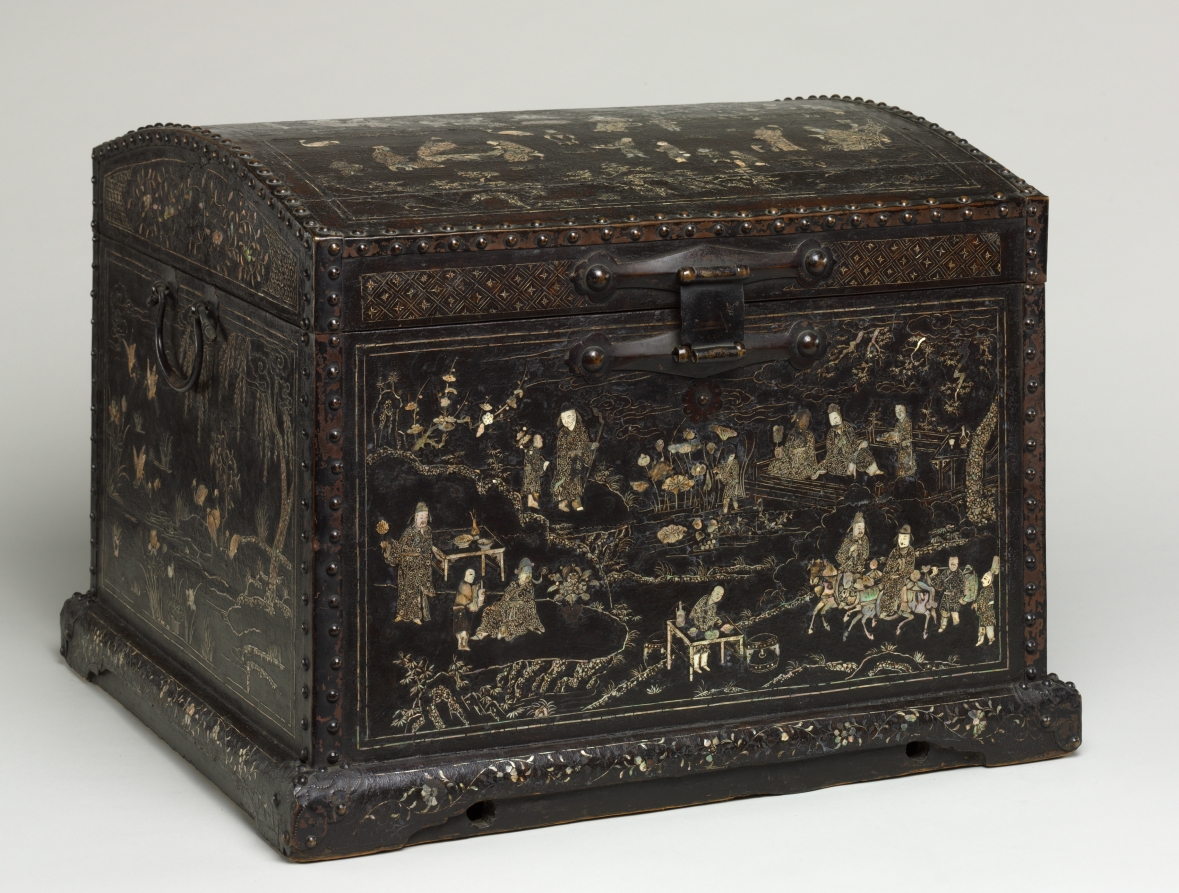
Chest for Storing Garments
Cleveland Museum of Art
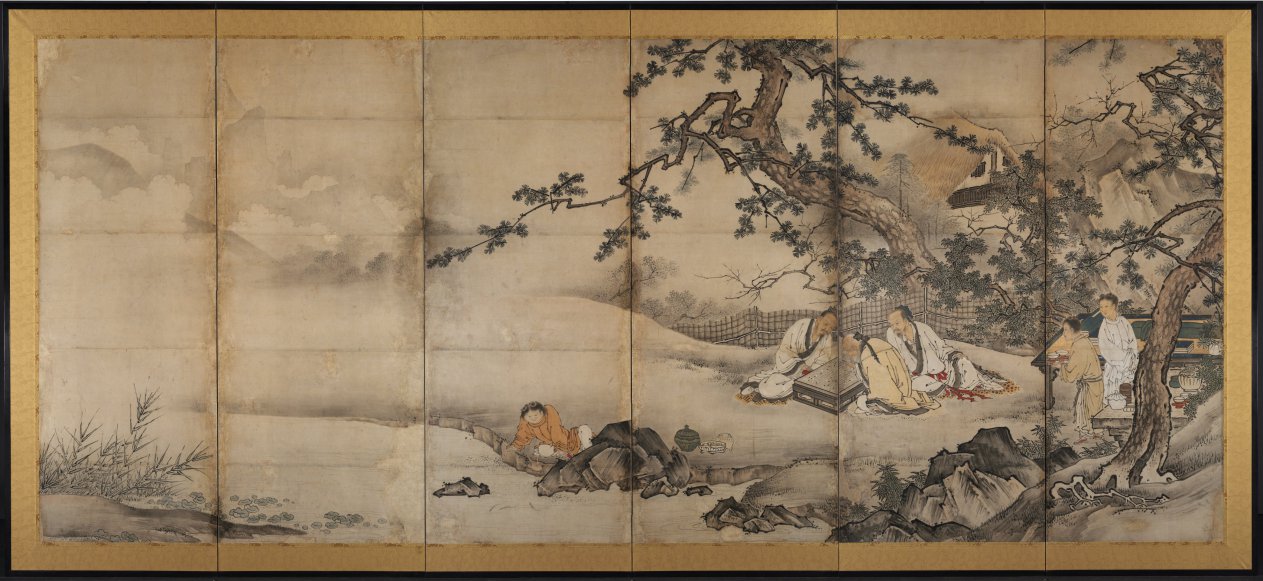
The Four Accomplishments
Cleveland Museum of Art

Scholars Playing Go under Pine Trees
Minneapolis Institute of Art
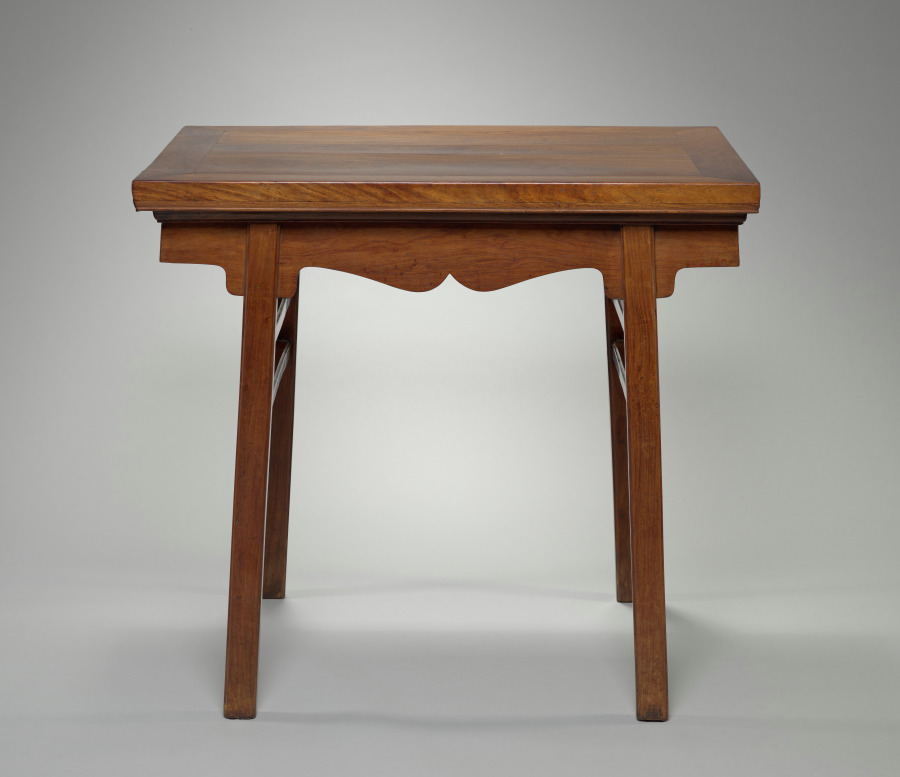
Game Table
Cleveland Museum of Art

Square Dish
Minneapolis Institute of Art
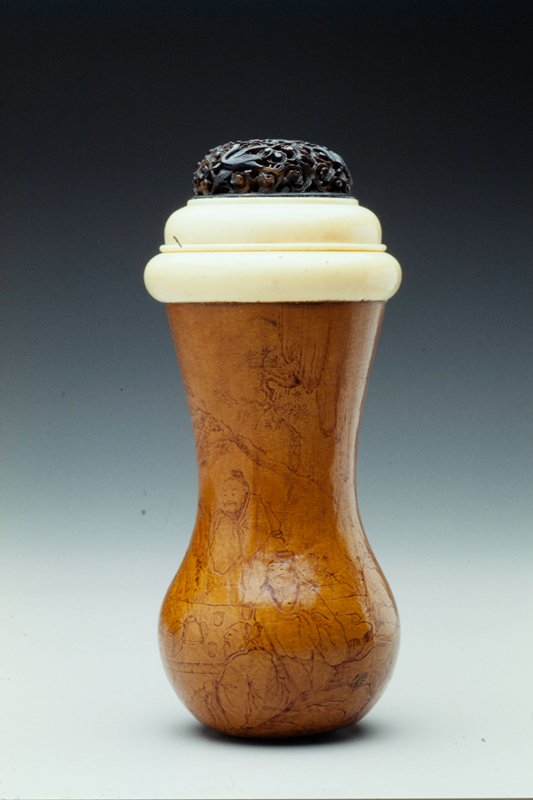
Cricket Container
Minneapolis Institute of Art

Court Ladies at Play
Minneapolis Institute of Art

Basketwork Box
Minneapolis Institute of Art
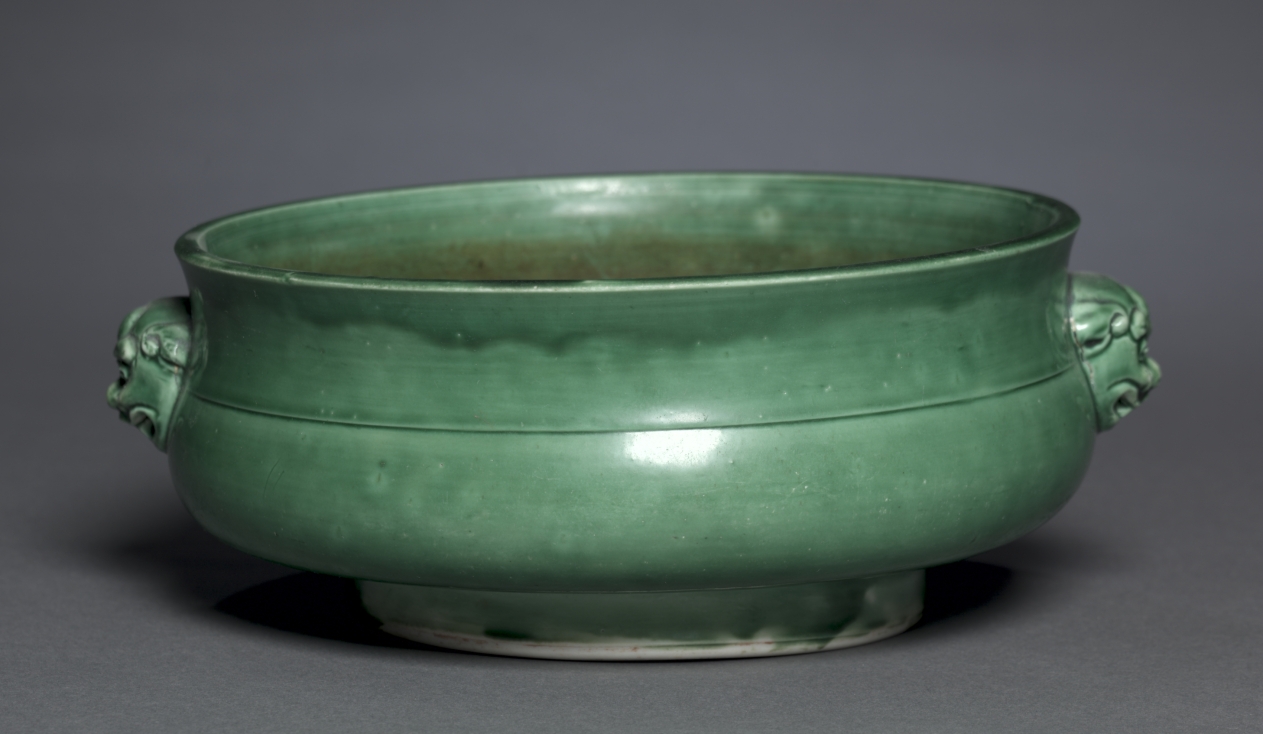
Bowl in Form of Archaic Gui
Cleveland Museum of Art

Lute table
Minneapolis Institute of Art
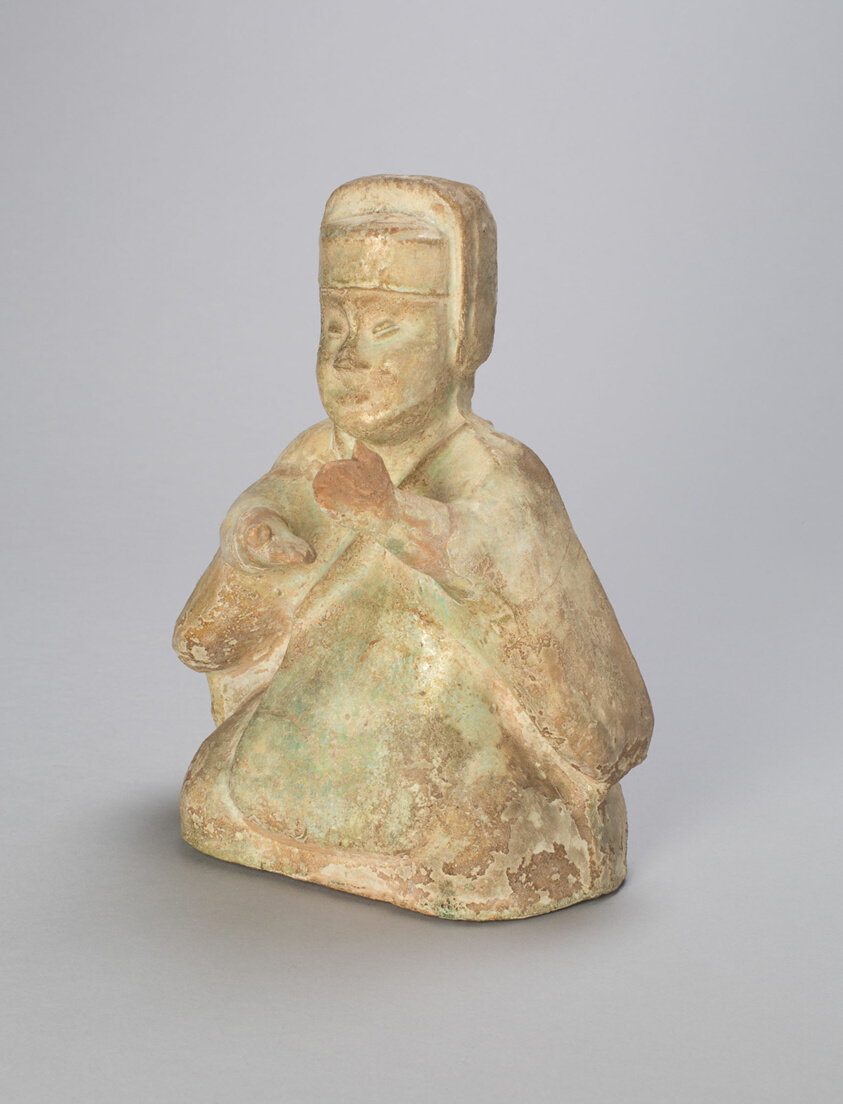
Board Game Player
Art Institute of Chicago