
Minneapolis Institute of Art
Tunic
Wari artist
- Date
- 600–1200
- Medium
- Cotton, camelid fiber
- Culture
- Wari
- Department
- Arts of the Americas
- Institution
- Minneapolis Institute of Art
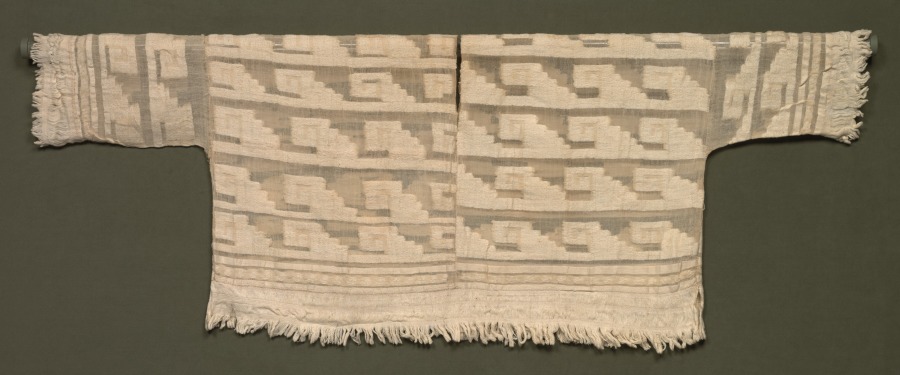
In ancient Andean cultures including the Wari empire, clothing communicated much more than style; a ceremonial tunic like this was an object of great prestige. Its production required the cooperation of a large community of skilled individuals. Because it took so long to create, multiple weavers would often collaborate on a single piece. On close inspection, variations in weavers’ individual styles can be seen in the weave structure as well as the interpretation of the repeating pattern. Before the weavers could begin their work, several other professionals were required. Agricultural specialists bred the animals and cultivated the cotton. Applied chemists created a variety of distinctive, long lasting dyes. And finally, highly skilled spinners made a thread so consistent that even today’s most advanced machinery cannot duplicate it. The finished product symbolized the convergence of both the natural and human world—and for the elite wearer, it signified the ability to command these resources. Peru, Americas
The authoritative record is held by Minneapolis Institute of Art. LinkedCulture surfaces this object and its connections; it does not alter institutional metadata.
Related across collections
Semantically similar works from Minneapolis Institute of Art and other institutions.
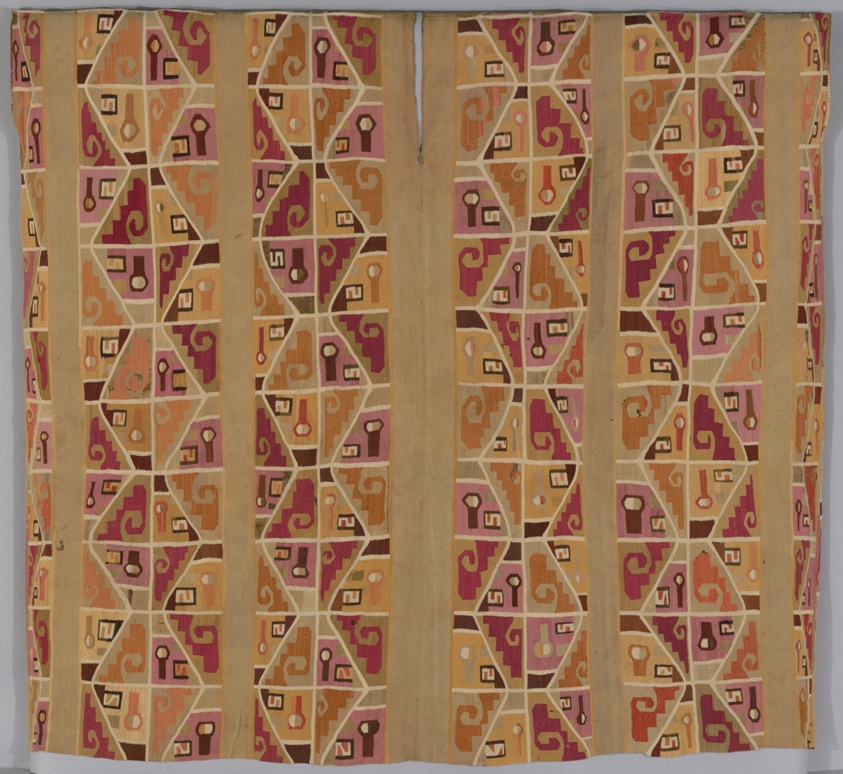
Tunic
Art Institute of Chicago
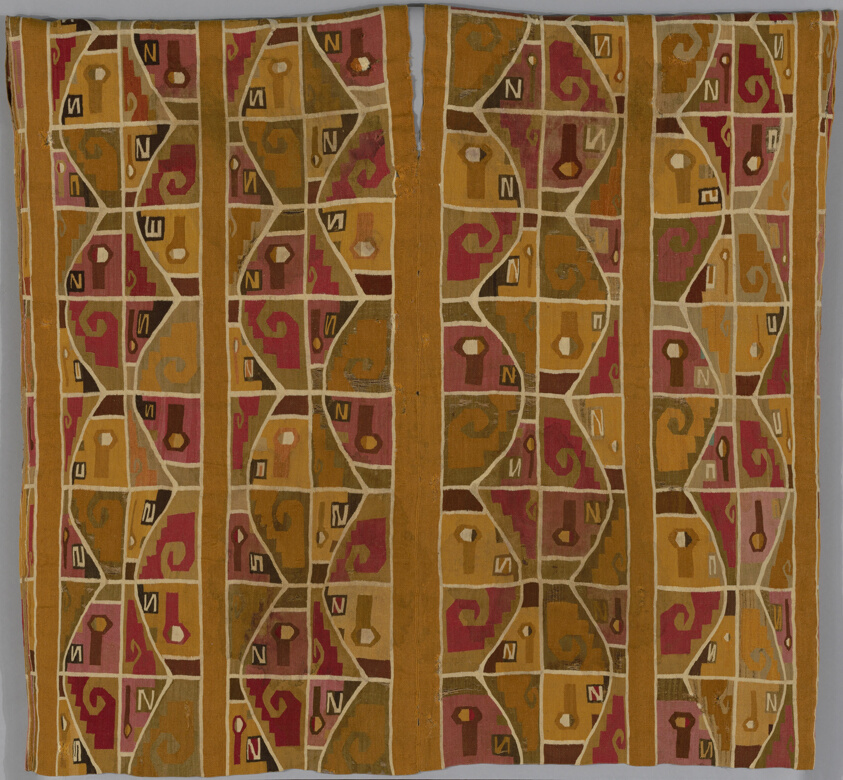
Tunic
Art Institute of Chicago
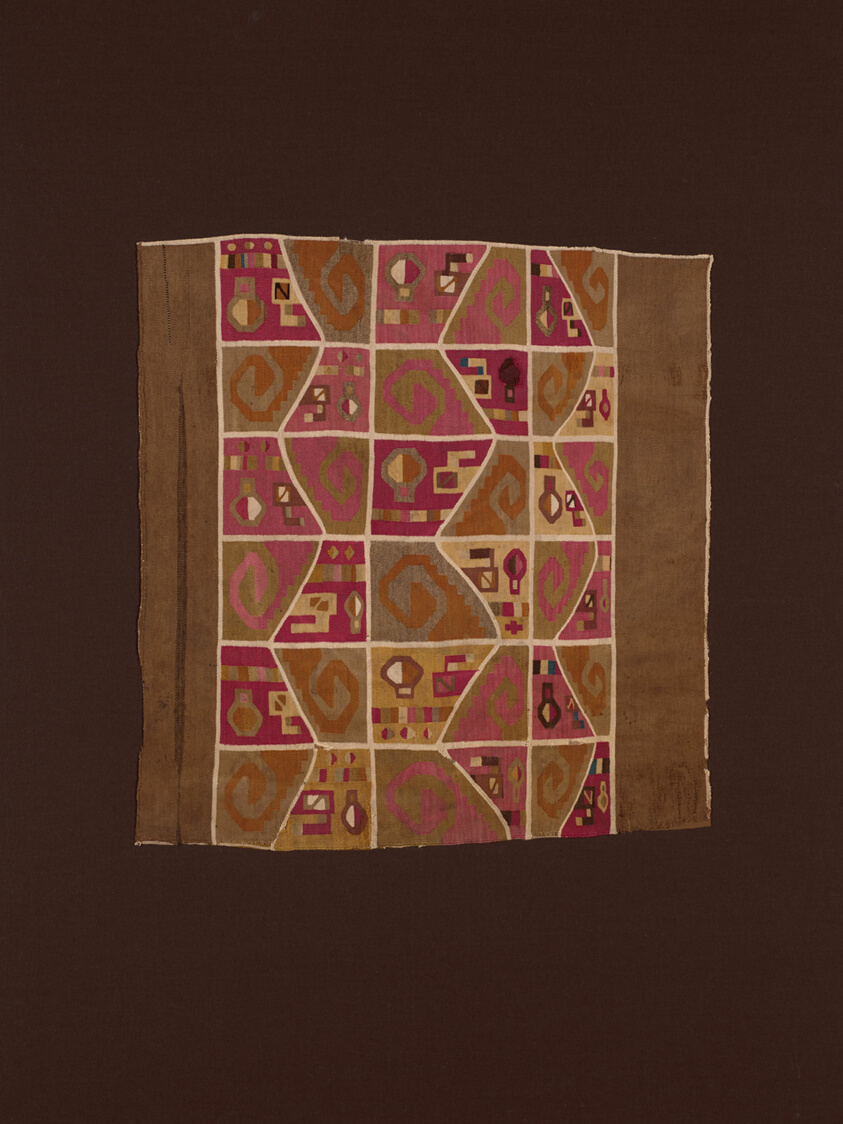
Tunic Fragment
Art Institute of Chicago
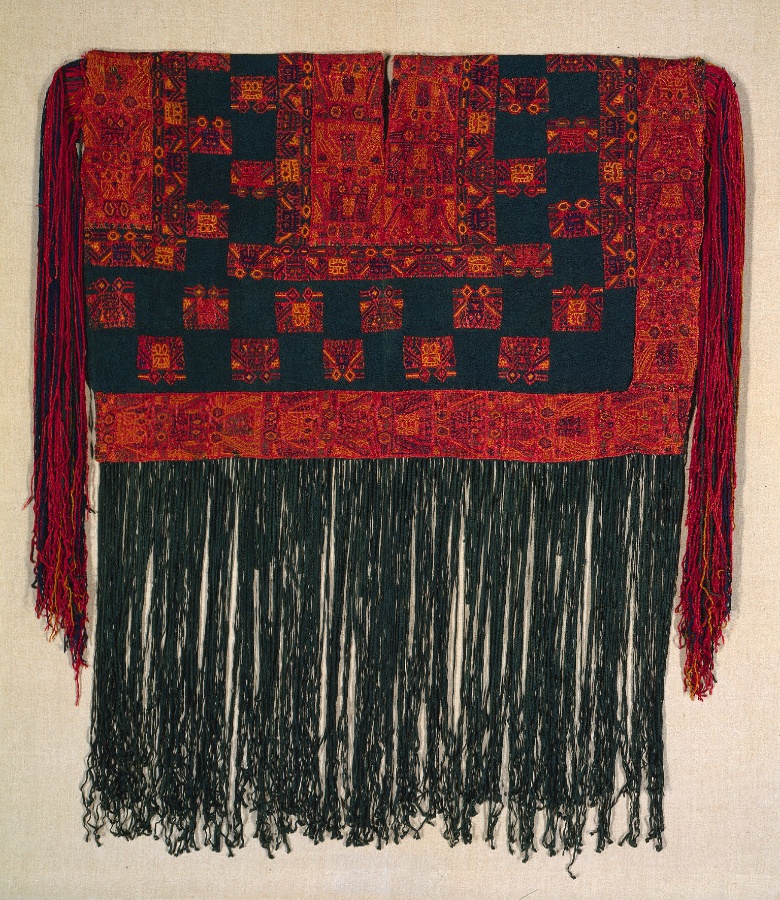
Tunic
Cleveland Museum of Art
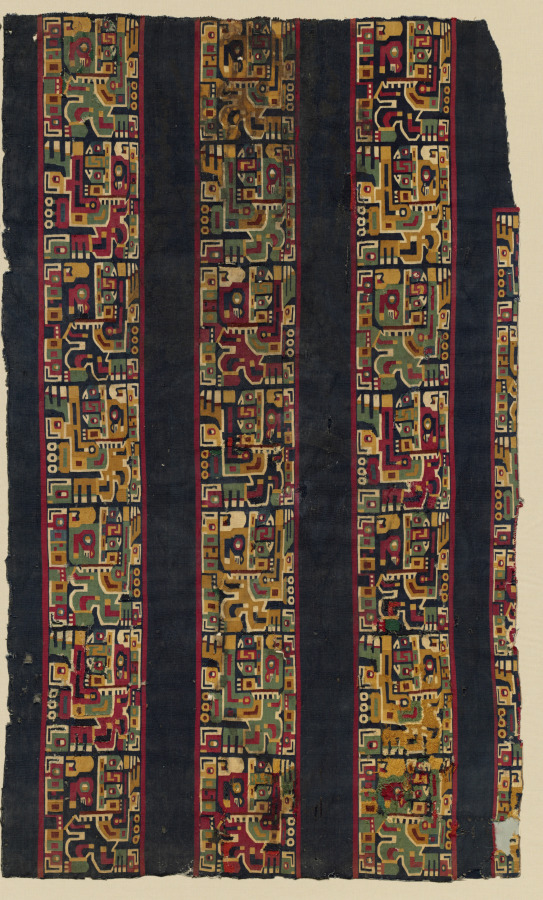
Half of a Sleeved Tunic
Cleveland Museum of Art
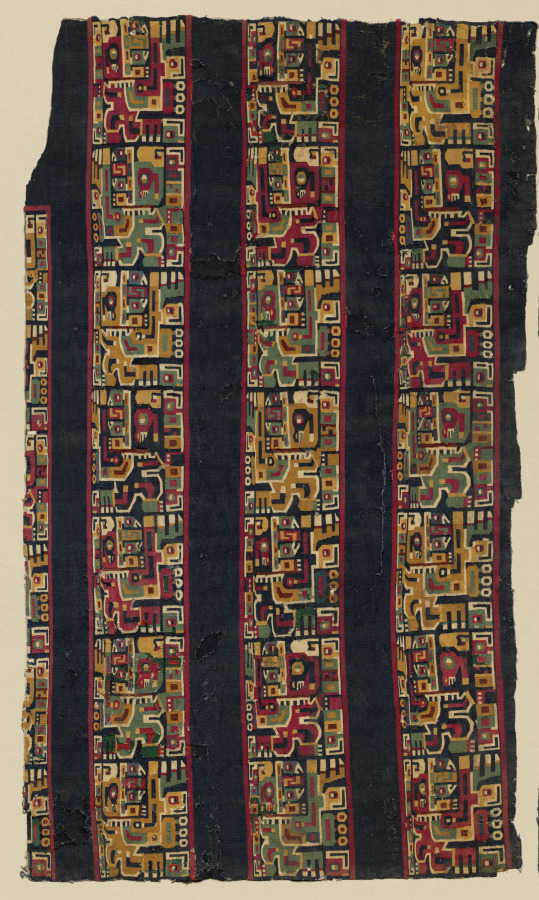
Half of a Sleeved Tunic
Cleveland Museum of Art
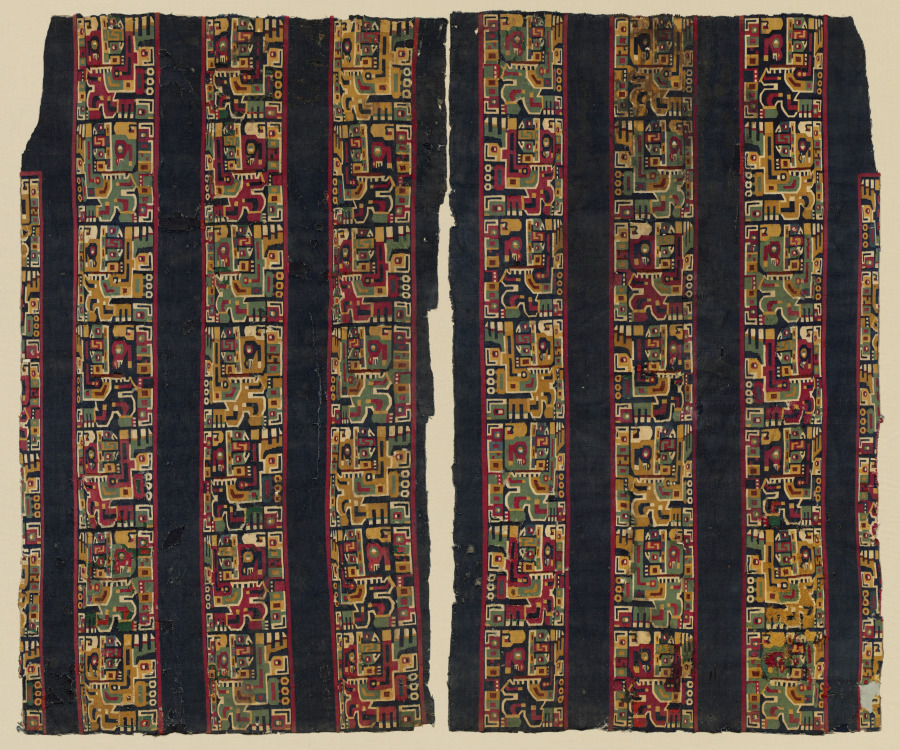
Tunic Fragments with Bird-Headed Creature
Cleveland Museum of Art
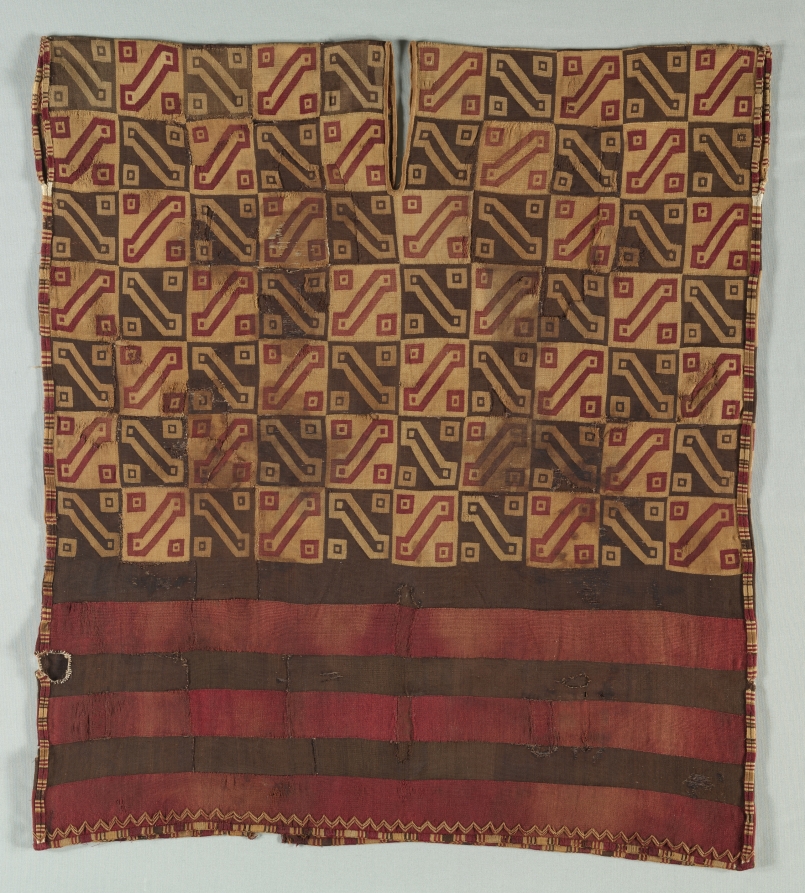
Tunic
Cleveland Museum of Art
Tunic
Cleveland Museum of Art
Tunic
Art Institute of Chicago
Tunic
Art Institute of Chicago
Tunic with Profile Animal and Human Heads
Cleveland Museum of Art