
Art Institute of Chicago
Length of Velvet
Bukhara, Uzbekistan
- Date
- 1875/1900
- Medium
- Silk, twill weave with supplementary warp forming cut velvet; pile warp-dyed (ikat)
- Culture
- Uzbekistan
- Department
- Textiles
- Institution
- Art Institute of Chicago
The tiger-stripe pattern of this velvet is not traditional to Uzbekistan. It may have been inspired by Russian or East Asian designs; in the late nineteenth century imported luxury goods from these regions influenced local design. The technique of dyeing the warp before weaving is called ikat. Creating a velvet in this manner requires a significant amount of planning and skill on the part of the silk thread dyers and the weavers. The production of silk velvet ikat was a specialty of the highly skilled weavers in Bukhara between the late 1860s and about 1910. The luxurious fabric was fashioned into women's robes as dowry items intended for special occasions such as weddings and funerals.
The authoritative record is held by Art Institute of Chicago. LinkedCulture surfaces this object and its connections; it does not alter institutional metadata.
Linked open data
Authority identifiers that link this record into the wider web of cultural data — stable references you can follow to the source.
- Object type
- AAT300014063
Related across collections
Semantically similar works from Art Institute of Chicago and other institutions.

Portion of a Loom Length
Art Institute of Chicago
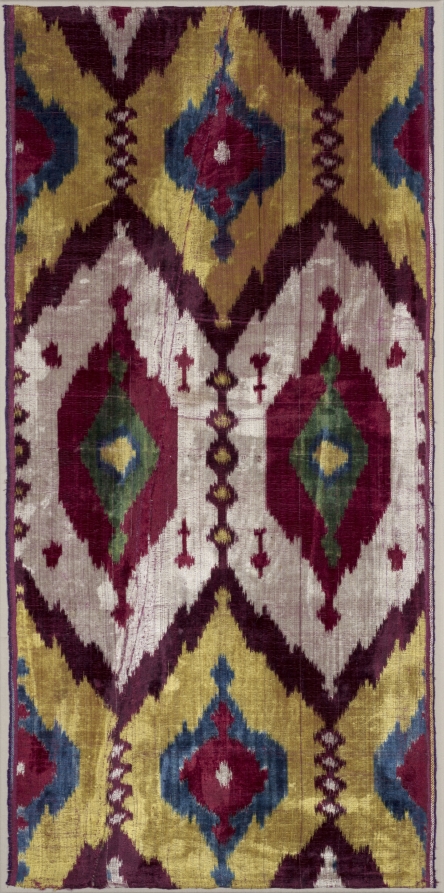
Length of silk velvet ikat
Cleveland Museum of Art
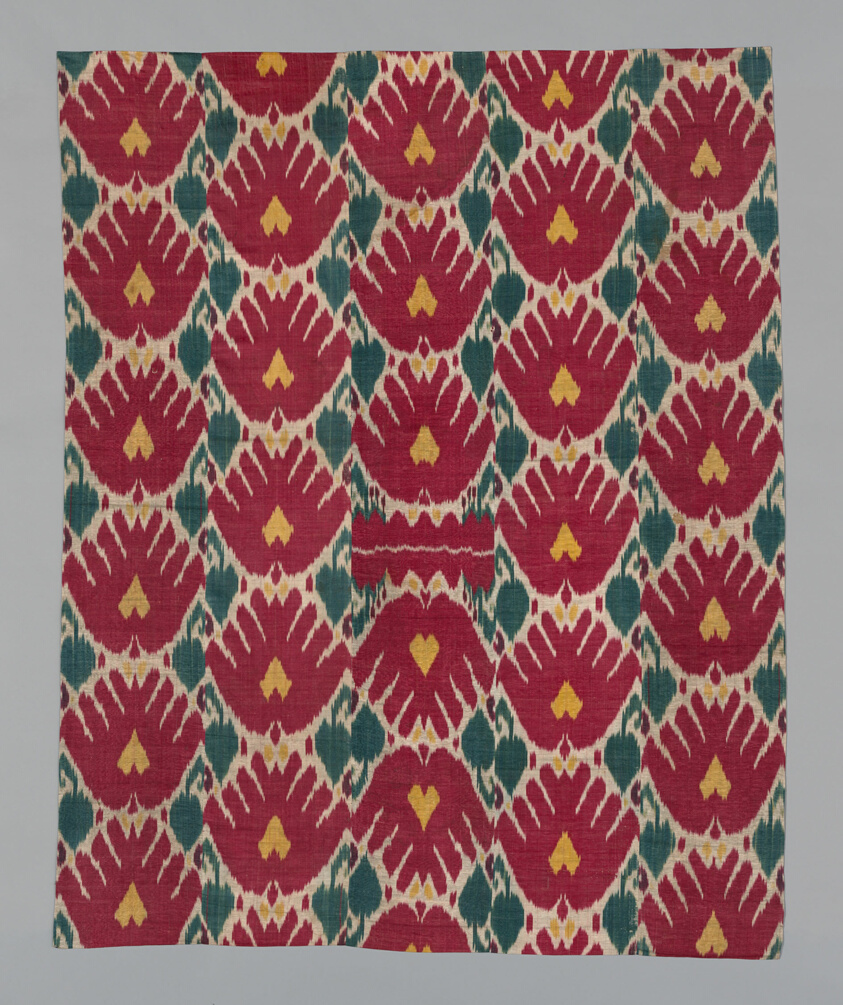
Wall Hanging Composed of Five Panels
Art Institute of Chicago
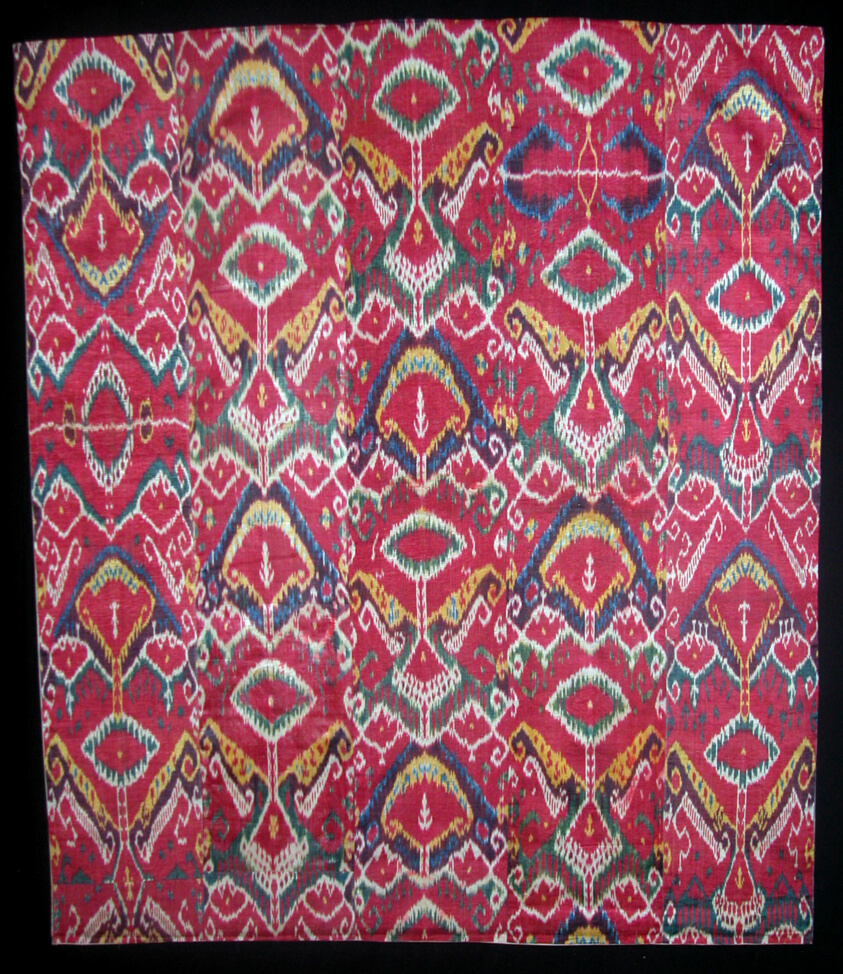
Wall Hanging
Art Institute of Chicago
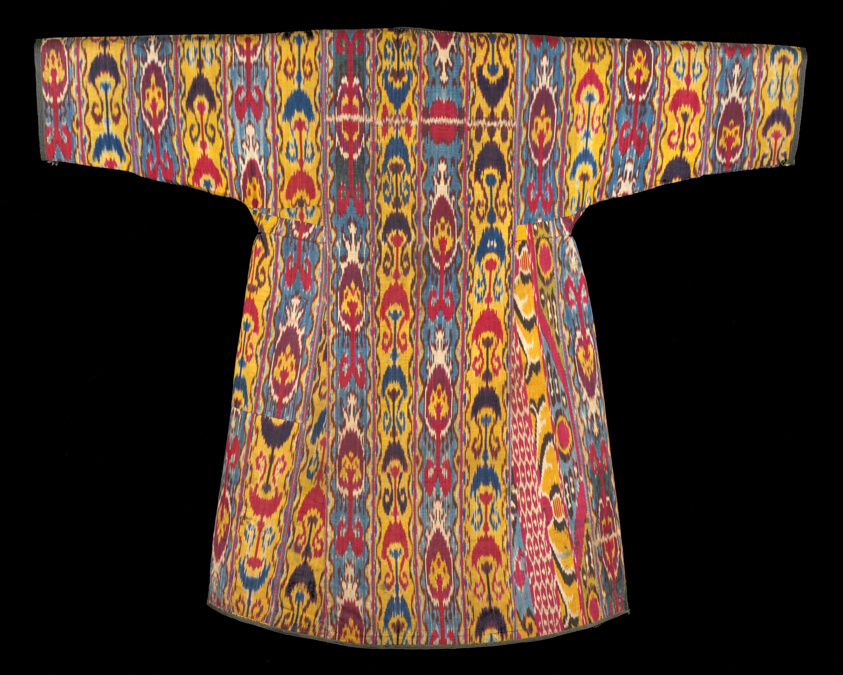
Woman's Robe
Art Institute of Chicago
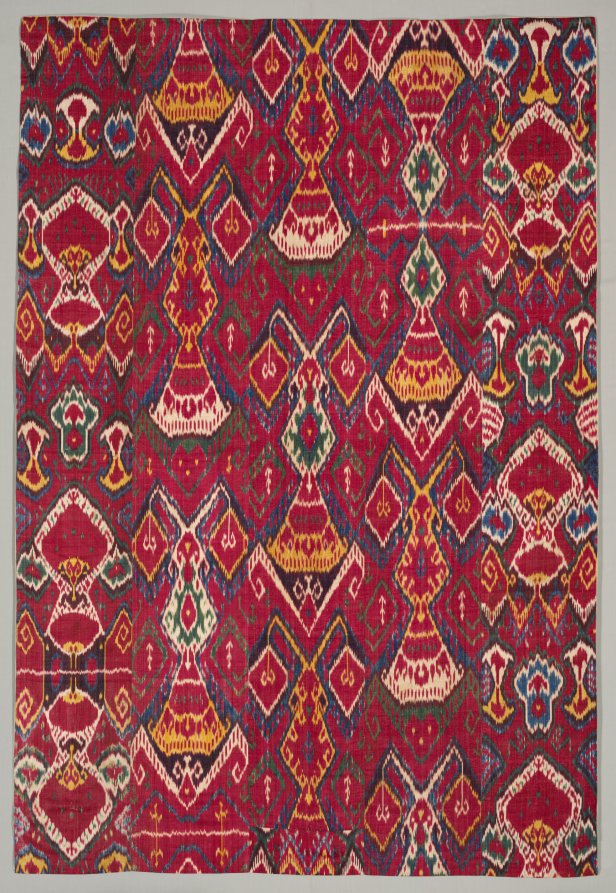
Wall Hanging (pardah)
Cleveland Museum of Art

Woman's robe (munisak)
Minneapolis Institute of Art
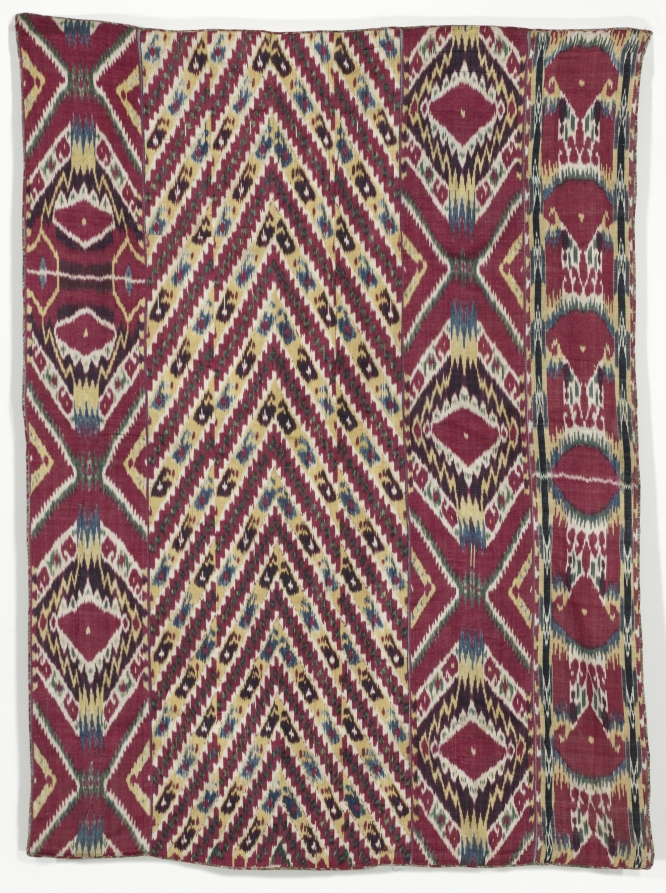
Wall hanging (pardah)
Cleveland Museum of Art
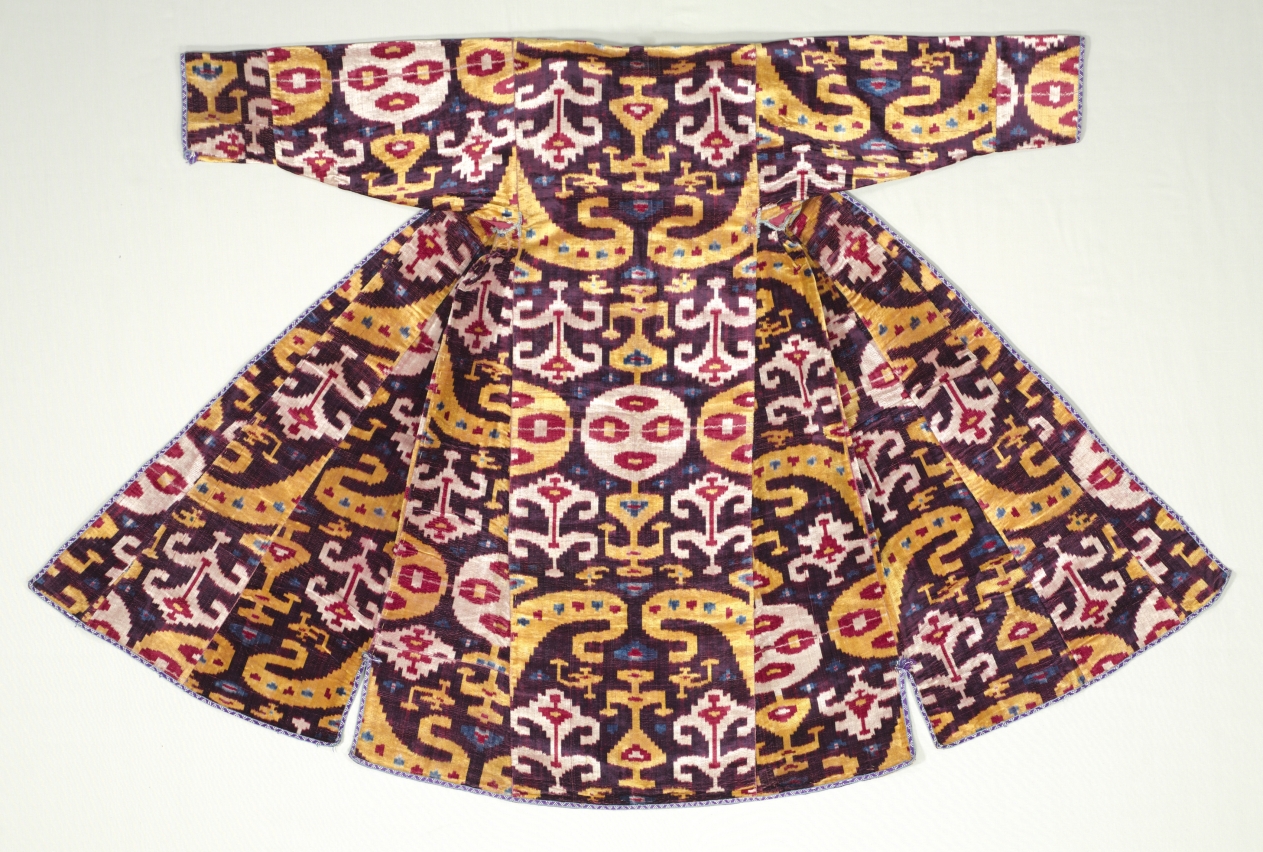
Woman’s Robe (munisak)
Cleveland Museum of Art
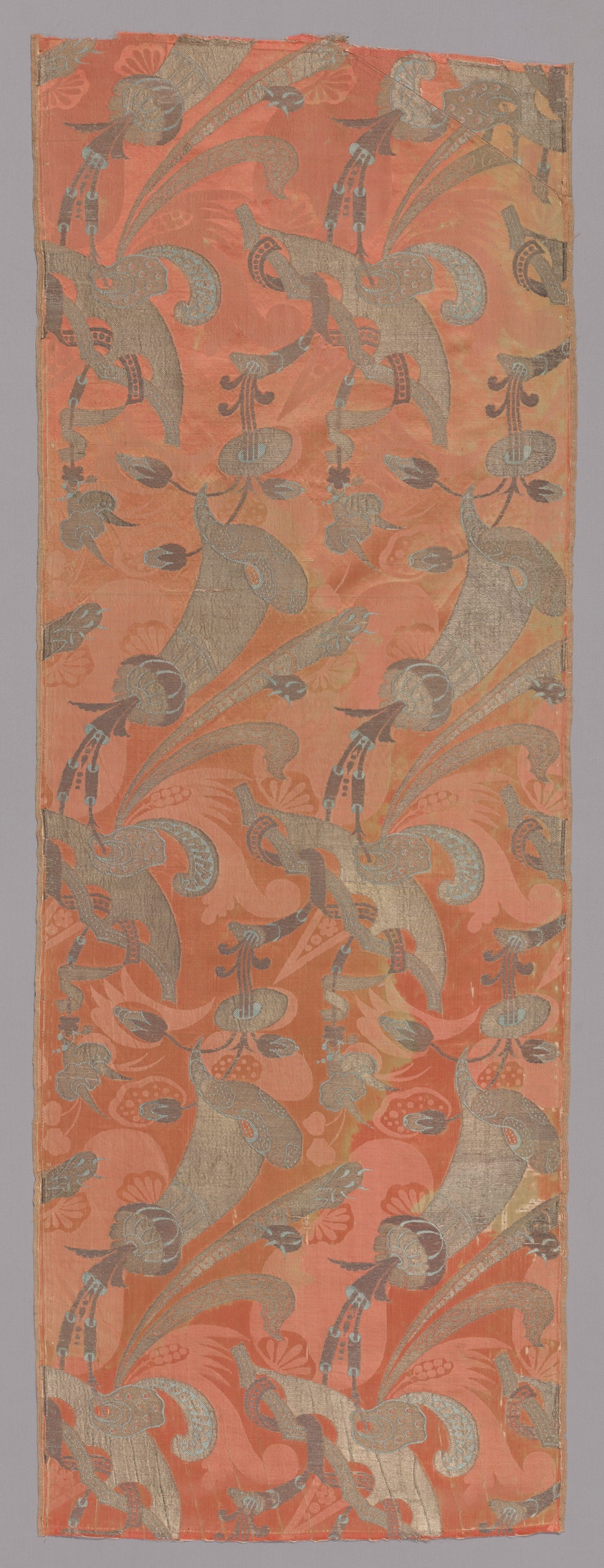
Length of Woven Silk
Art Institute of Chicago

Textile fragment
Minneapolis Institute of Art

Ikat panel
Minneapolis Institute of Art