Art Institute of Chicago
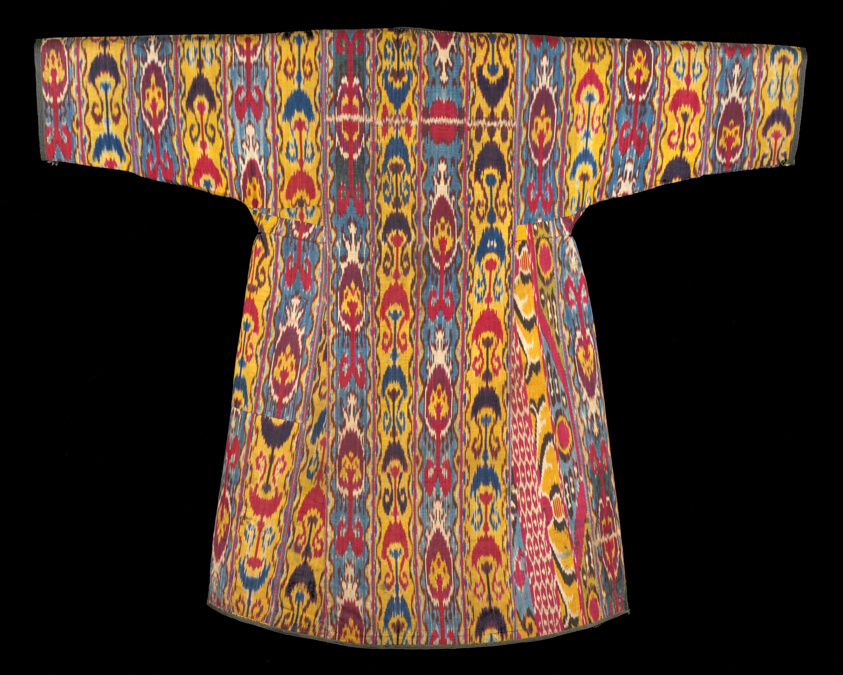
Woman's Robe
Bukhara, Uzbekistan
- Date
- 1840/60
- Medium
- Silk and cotton, plain weave; warp-resist-dyed (ikat); edged with silk twined embroidery
- Culture
- Uzbekistan
- Department
- Textiles
- Institution
- Art Institute of Chicago
This woman’s robe exemplifies the long tradition of ikat production in Central Asia, specifically, in Bukhara, Uzbekistan, once an active center along the ancient Silk Road. Among the many uses of ikats was their role as a component of a woman’s dowry. A woman would have worn this robe at weddings and other special occasions, and at her funeral it would have been draped over her bier. The choice of fabric was determined by a woman’s age and status. In general, young women wore bright colors and large patterns, while older women dressed in more sober hues. Most women wore garments made of inexpensive native cotton fabrics, but wealthy women owned robes made of silk and cotton-wefted ikat fabric. Ikat is an ancient technique involving precise and repeated tying (binding) and dyeing of threads or yarns before they are woven. The warp threads are dyed, while the weft threads usually remain solid in color. These threads intersect at right angles during the weaving process; the results are complex patterns in dazzling color combinations that produce a slightly blurred visual effect known by the Persian word abr (“cloud”).
The authoritative record is held by Art Institute of Chicago. LinkedCulture surfaces this object and its connections; it does not alter institutional metadata.
Linked open data
Authority identifiers that link this record into the wider web of cultural data — stable references you can follow to the source.
- Object type
- AAT300209261
Related across collections
Semantically similar works from Art Institute of Chicago and other institutions.
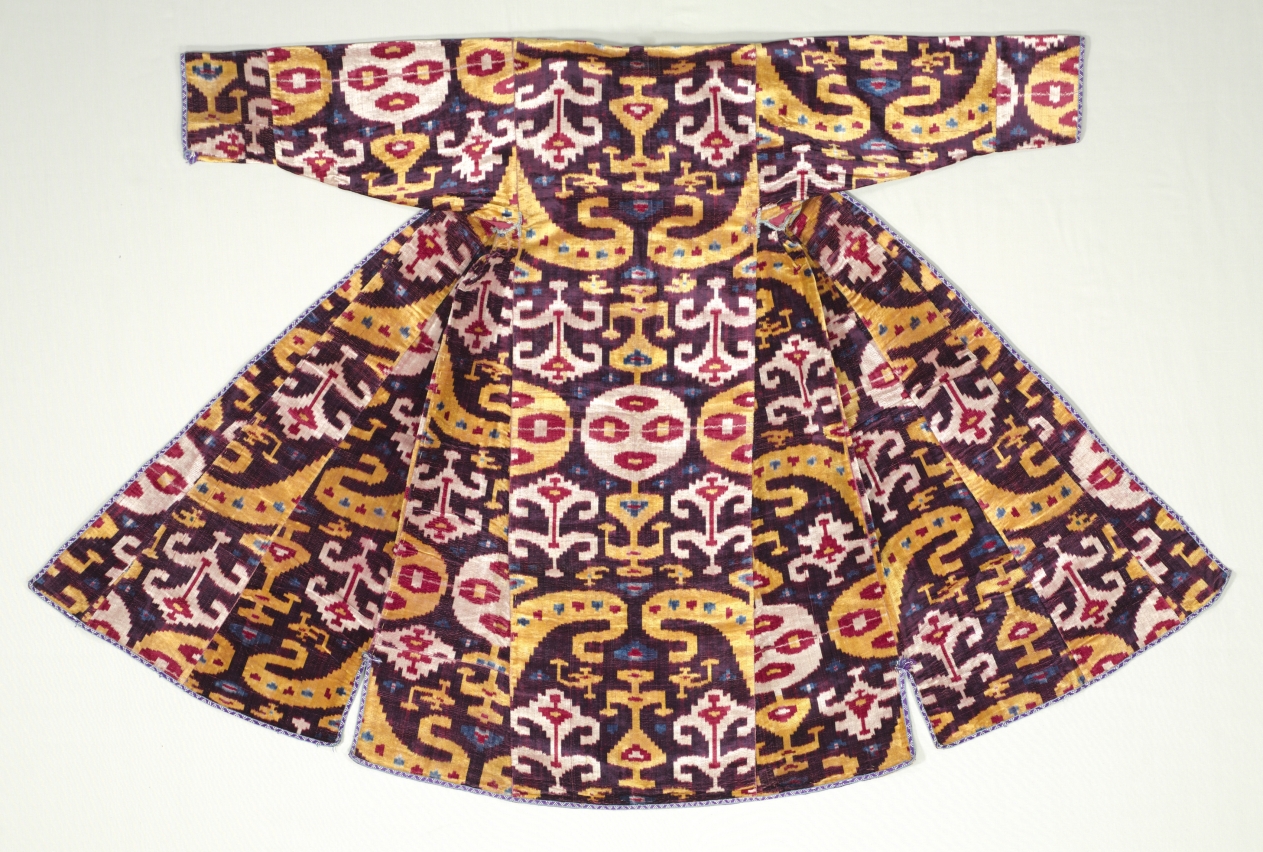
Woman’s Robe (munisak)
Cleveland Museum of Art

Woman's robe (munisak)
Minneapolis Institute of Art

Portion of a Loom Length
Art Institute of Chicago

Length of Velvet
Art Institute of Chicago
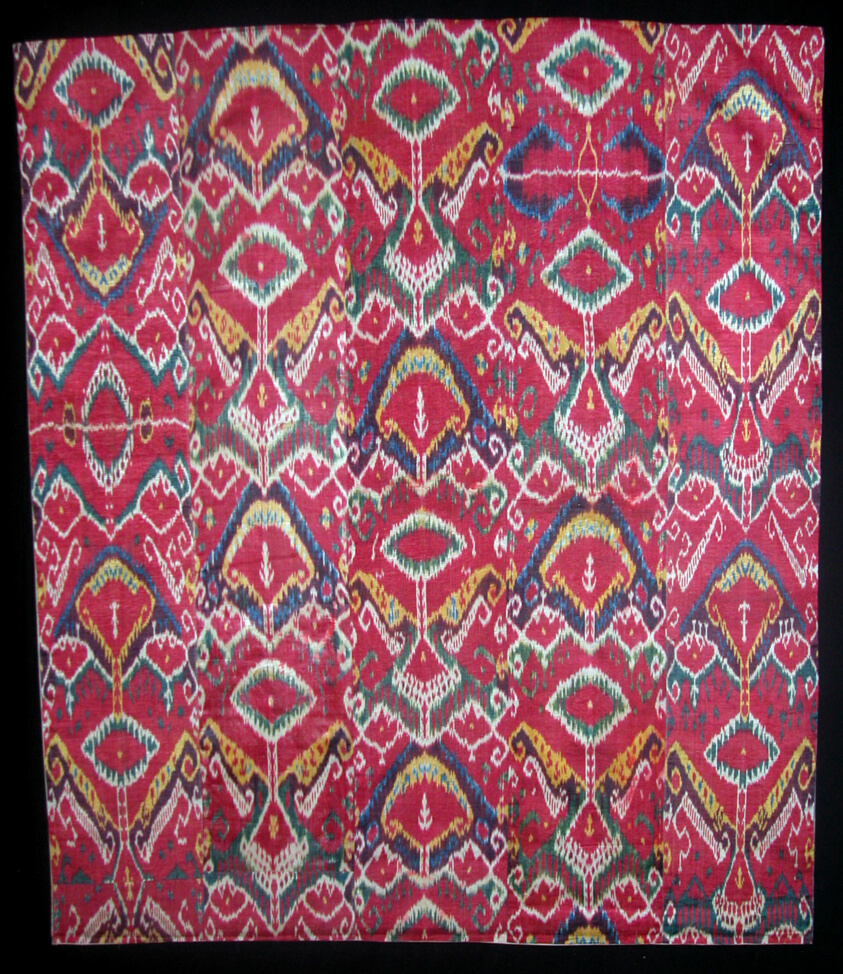
Wall Hanging
Art Institute of Chicago
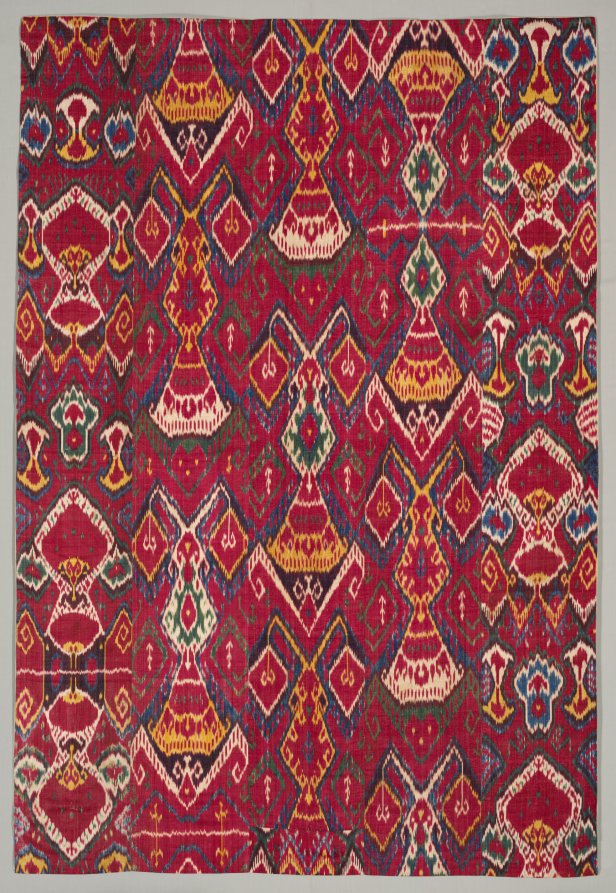
Wall Hanging (pardah)
Cleveland Museum of Art

Woman's coat
Minneapolis Institute of Art
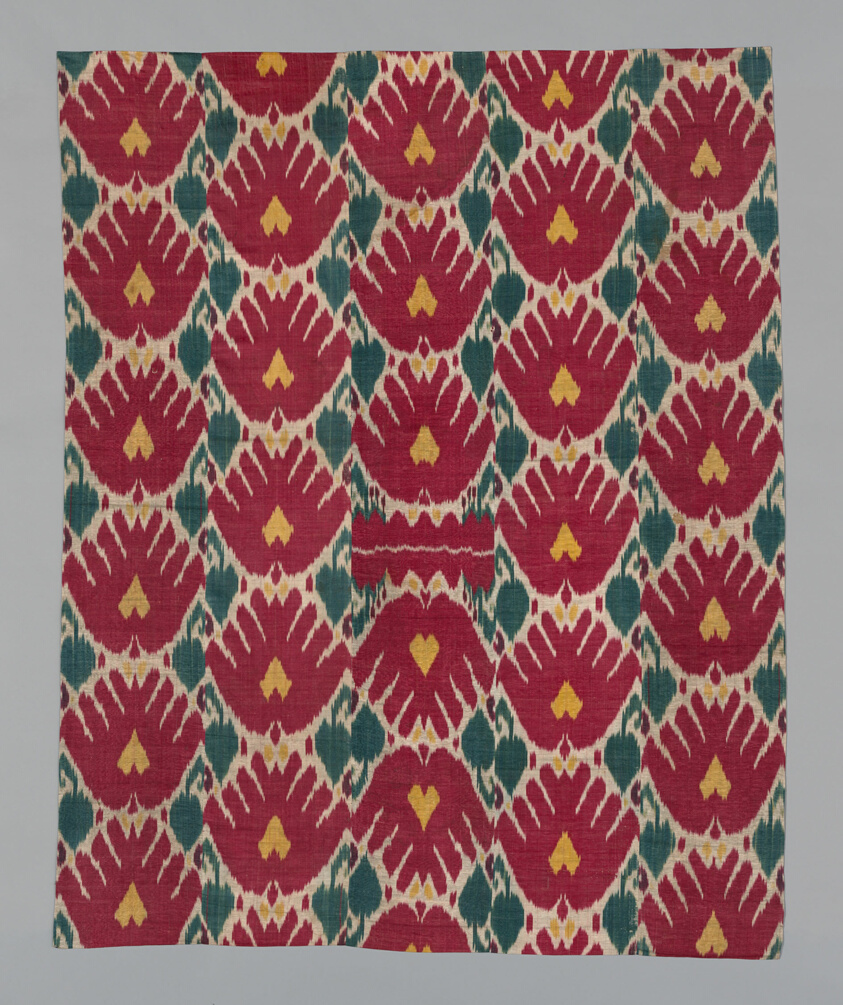
Wall Hanging Composed of Five Panels
Art Institute of Chicago
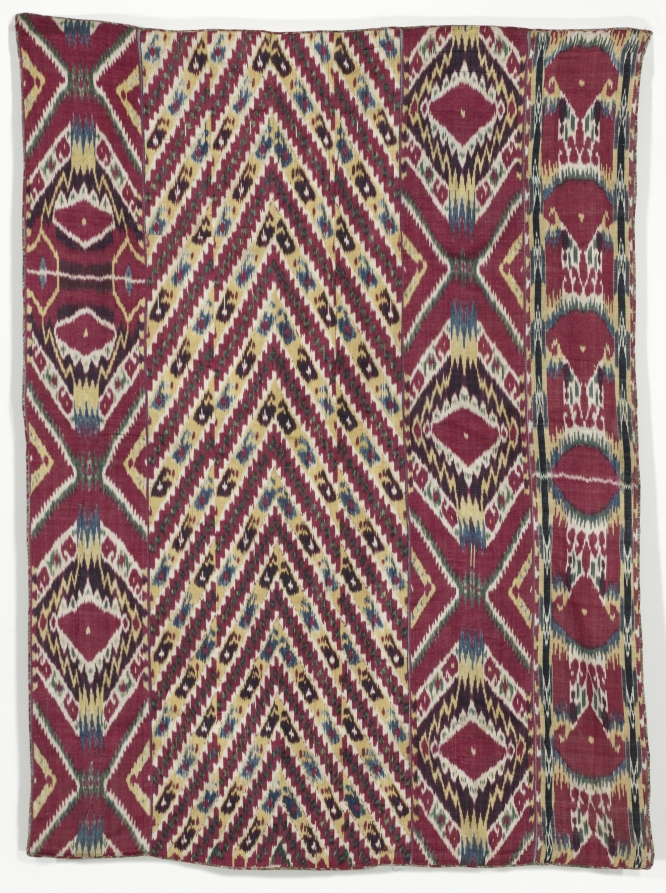
Wall hanging (pardah)
Cleveland Museum of Art
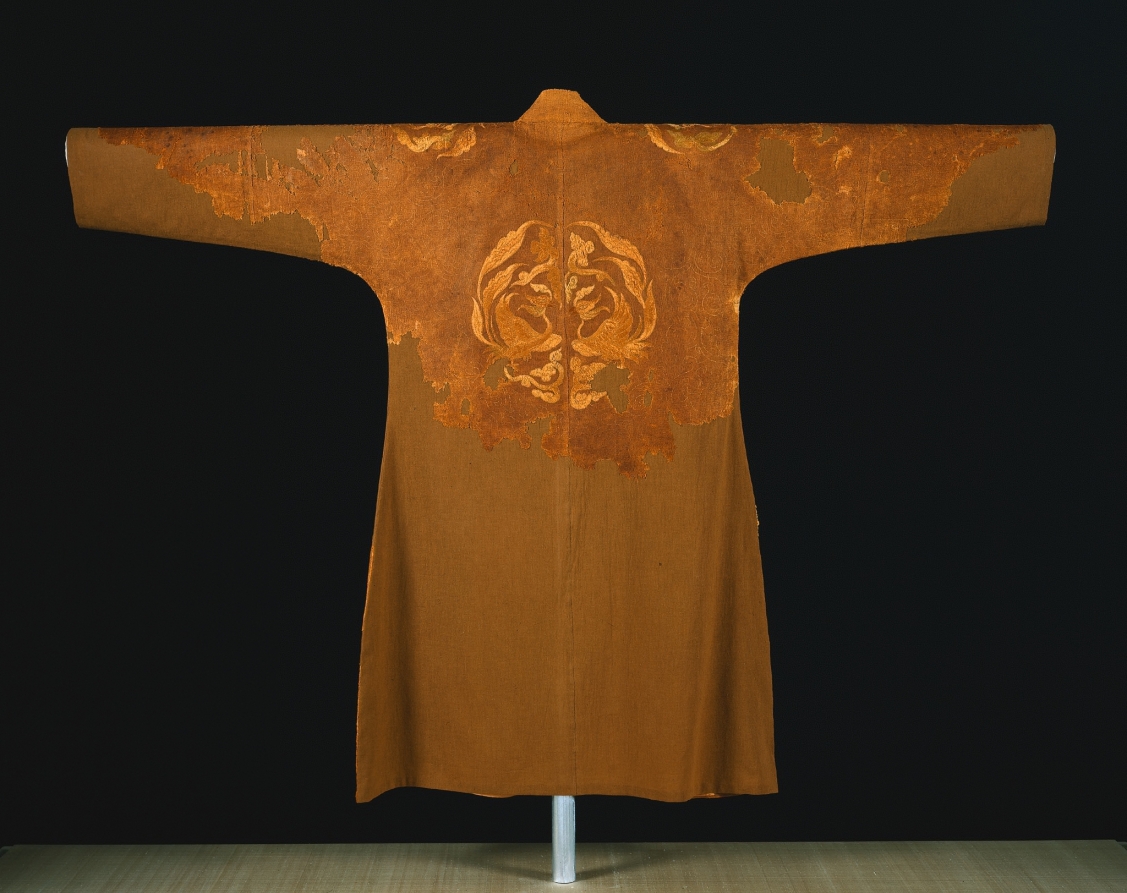
Woman's Robe
Cleveland Museum of Art
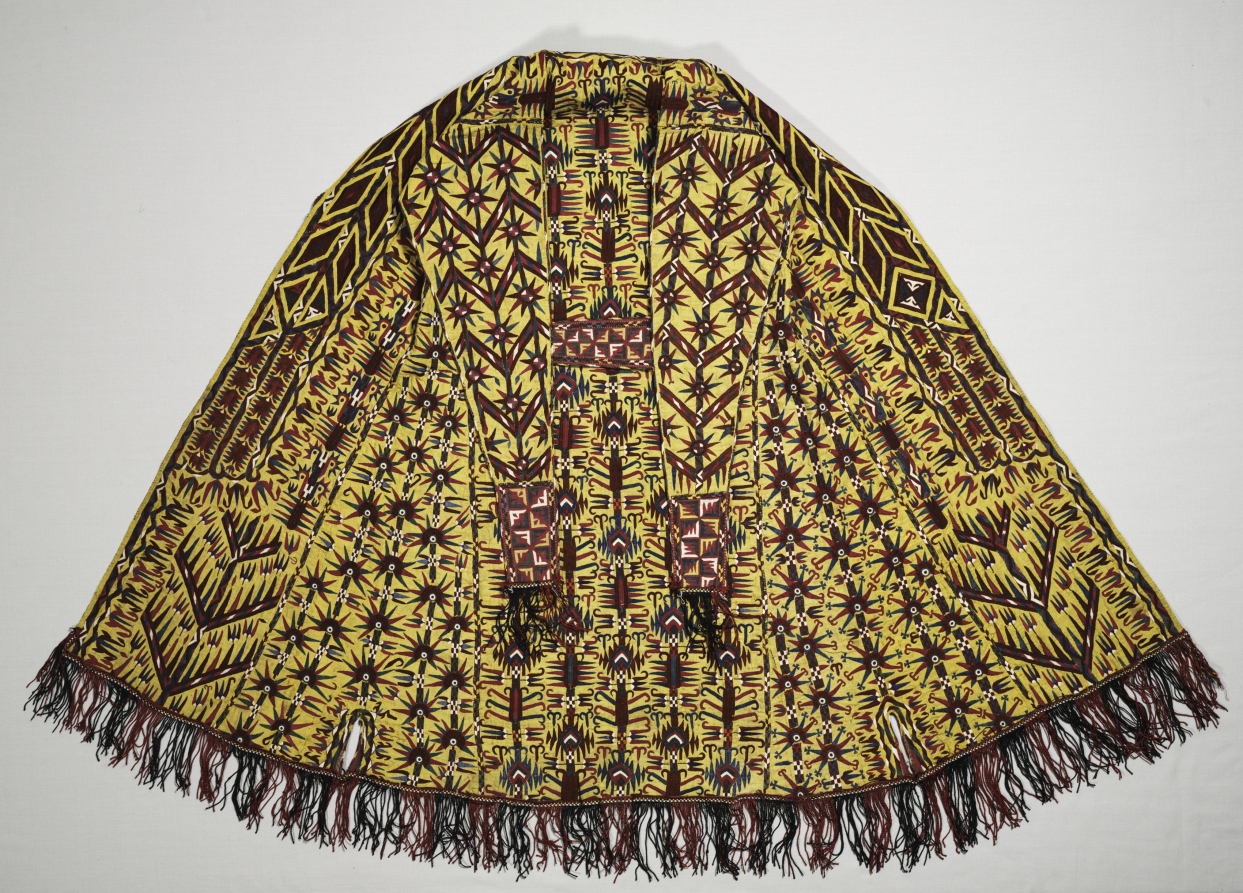
Woman’s Mantle (Chyrpy)
Cleveland Museum of Art

Woman's robe (champan)
Minneapolis Institute of Art