Art Institute of Chicago
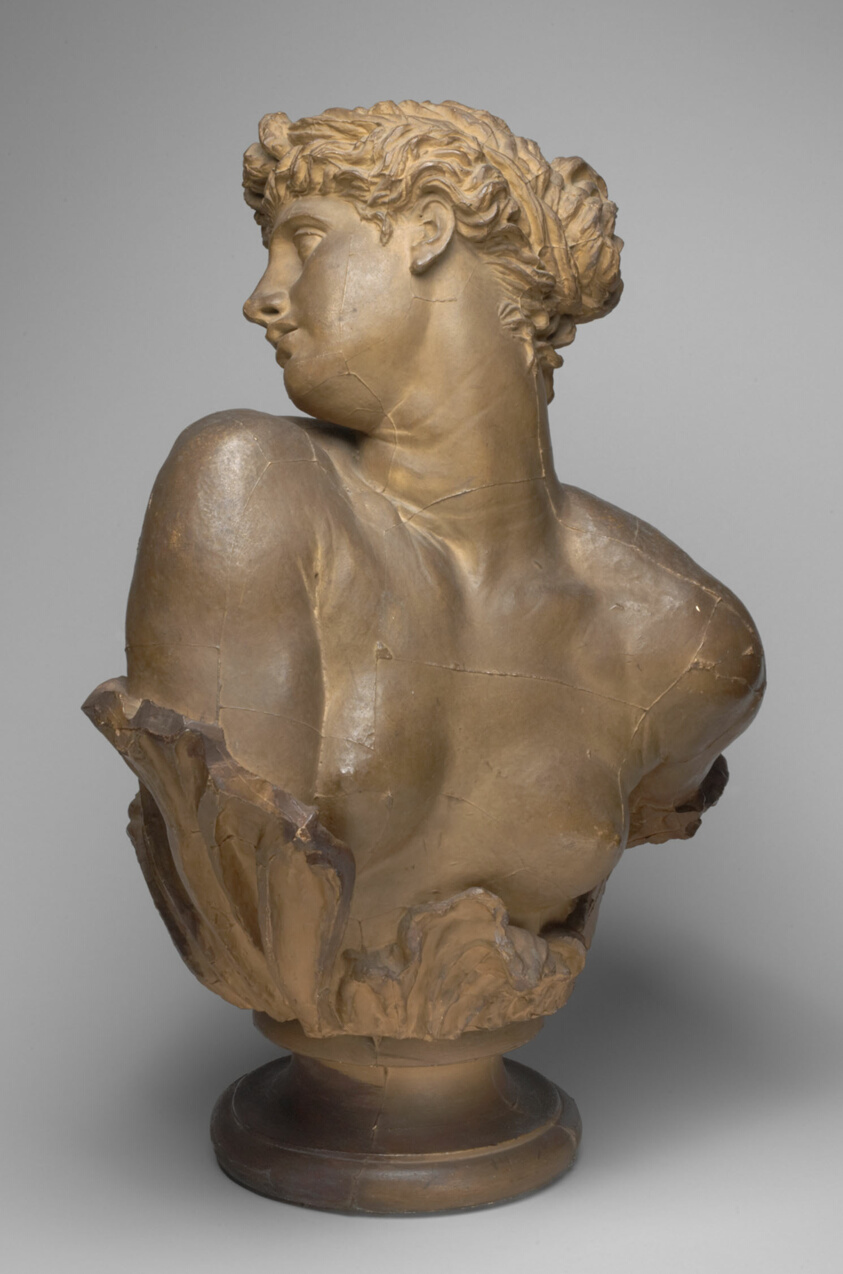
Clytie
George Frederick Watts (English, 1817–1904)
- Date
- 1868
- Medium
- Plaster
- Culture
- England
- Department
- Painting and Sculpture of Europe
- Institution
- Art Institute of Chicago
Clytie, a Greek water nymph, was turned into a sunflower by the gods. The Victorian sculptor George Frederick Watts used this subject as a meditation on transformation, blending male and female elements in this bust, much as Michelangelo had done in his sculptures. Watts’s composite approach gives the work a powerful and experimental quality, which is enhanced by the presence of mold marks. Plaster casts were made from piece molds that left mold lines after casting. Normally these would have been smoothed away, but Watts chose to leave them here. The presence of these lines in the cast invites comparison with bronzes by Watts’s younger contemporary Auguste Rodin , in which mold lines are also preserved.
The authoritative record is held by Art Institute of Chicago. LinkedCulture surfaces this object and its connections; it does not alter institutional metadata.
Linked open data
Authority identifiers that link this record into the wider web of cultural data — stable references you can follow to the source.
- Object type
- AAT300301253
Related across collections
Semantically similar works from Art Institute of Chicago and other institutions.

Clytie
Minneapolis Institute of Art
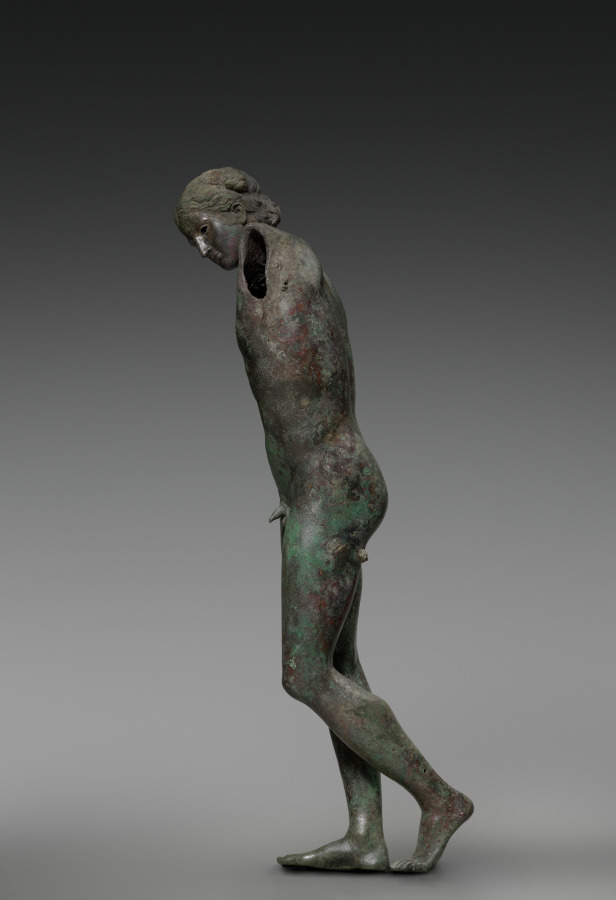
The Cleveland Apollo: Apollo Sauroktonos (Lizard-Slayer) or Apollo the Python-Slayer
Cleveland Museum of Art

Pan and Syrinx
Getty Museum
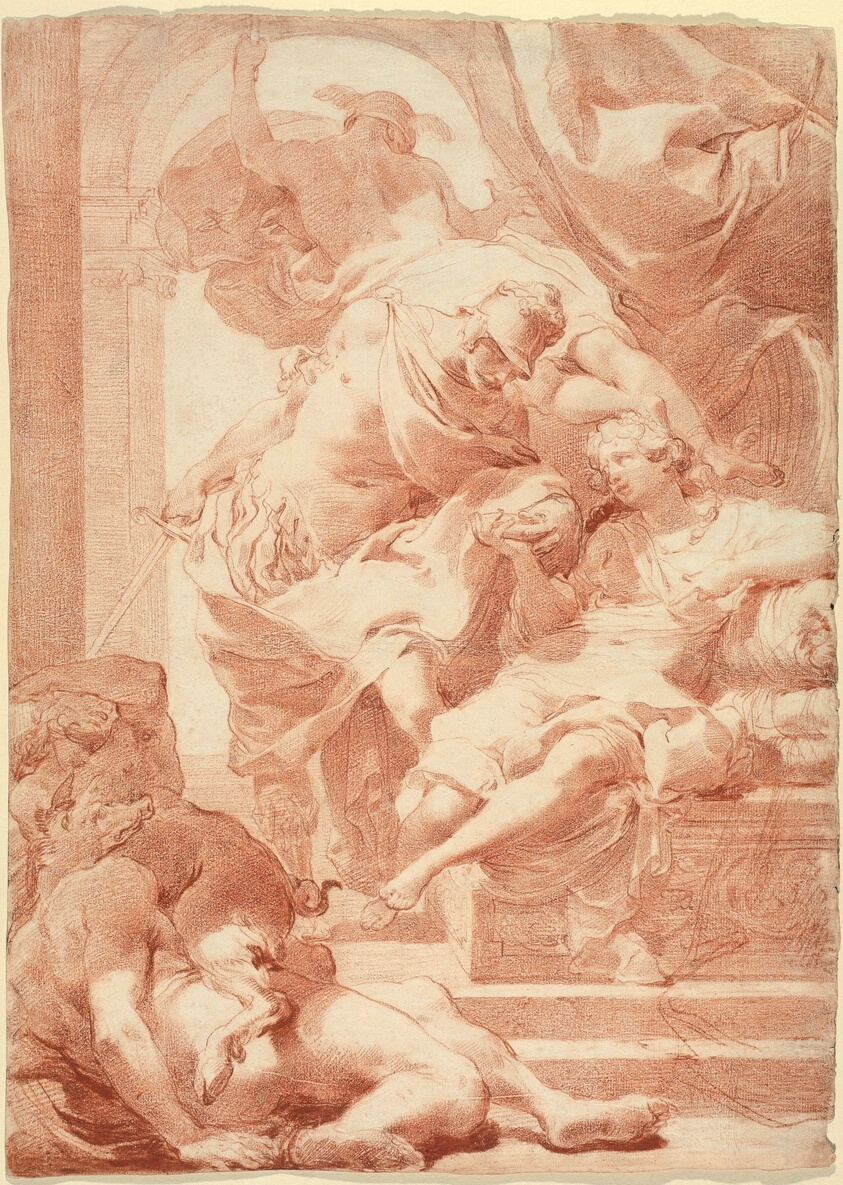
Ulysses Before Circe, Mercury Behind
Art Institute of Chicago

Diana and Her Nymphs Bathing
Getty Museum
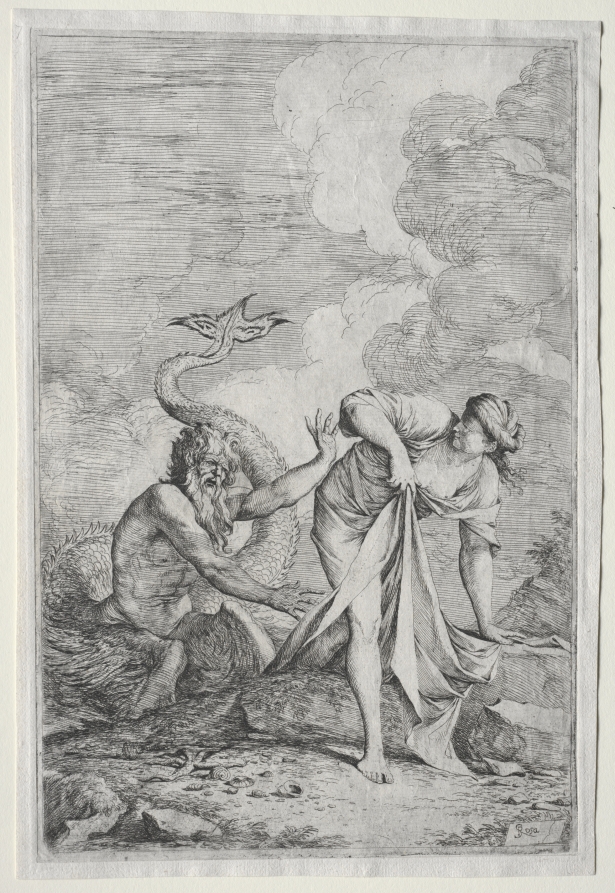
Glaucus and Scylla
Cleveland Museum of Art
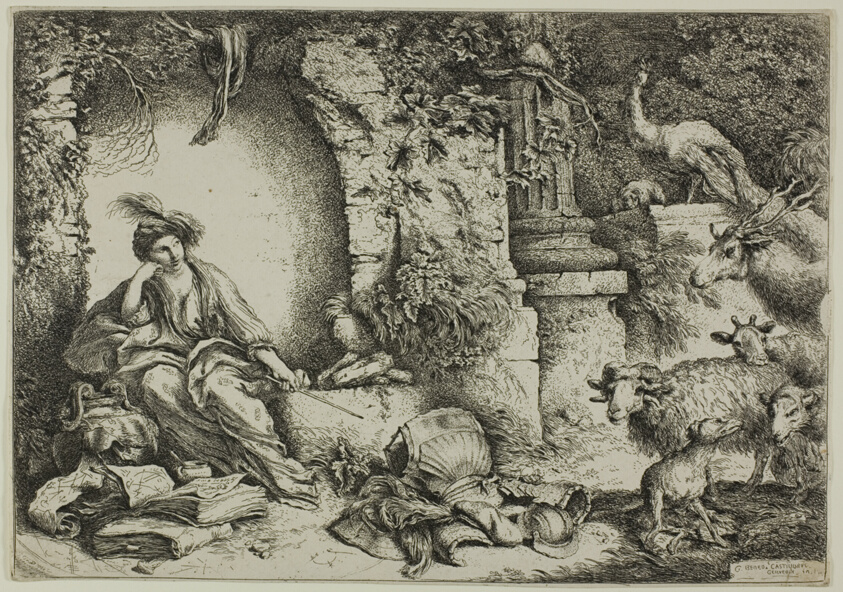
Circe with Companions of Ulysses Changed into Animals
Art Institute of Chicago

Leda and the Swan
Getty Museum
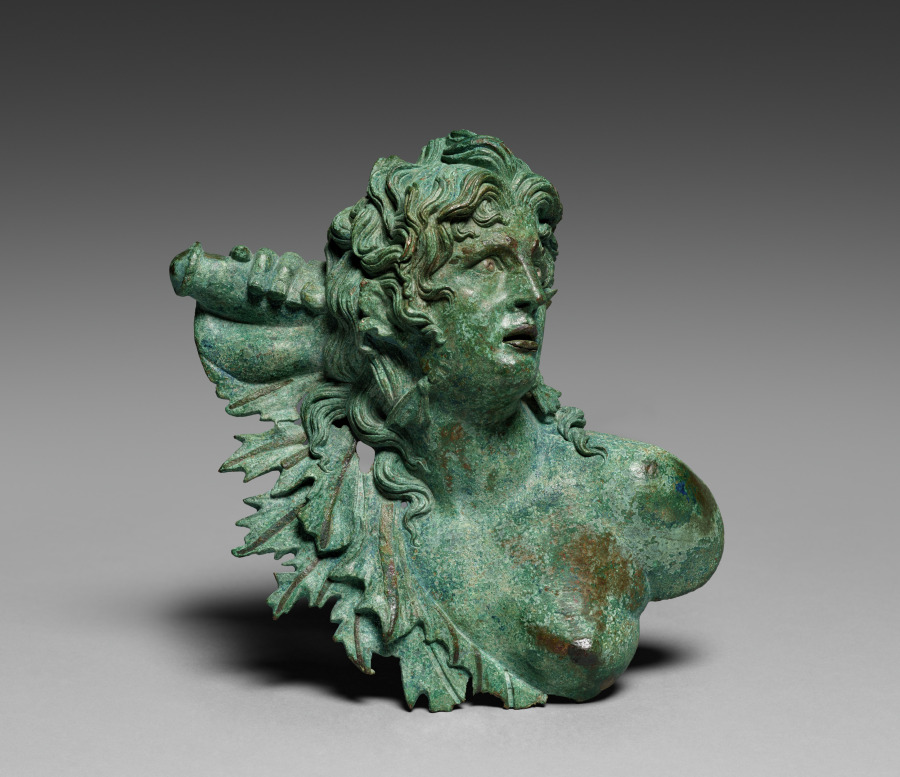
Tritoness or Scylla Relief Applique
Cleveland Museum of Art
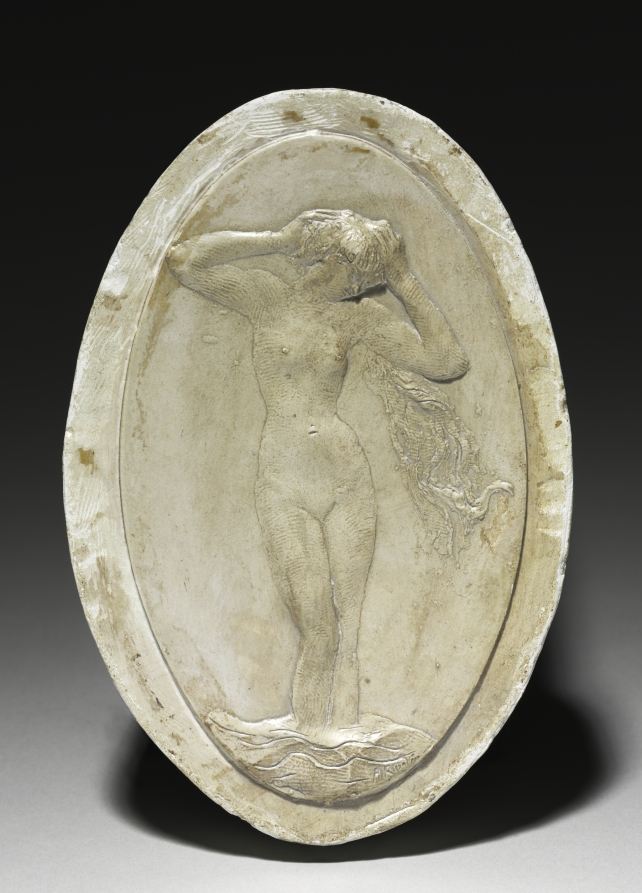
Vénus Astarté (Semitic goddess of fertility and love)
Cleveland Museum of Art

Medici Venus
Getty Museum
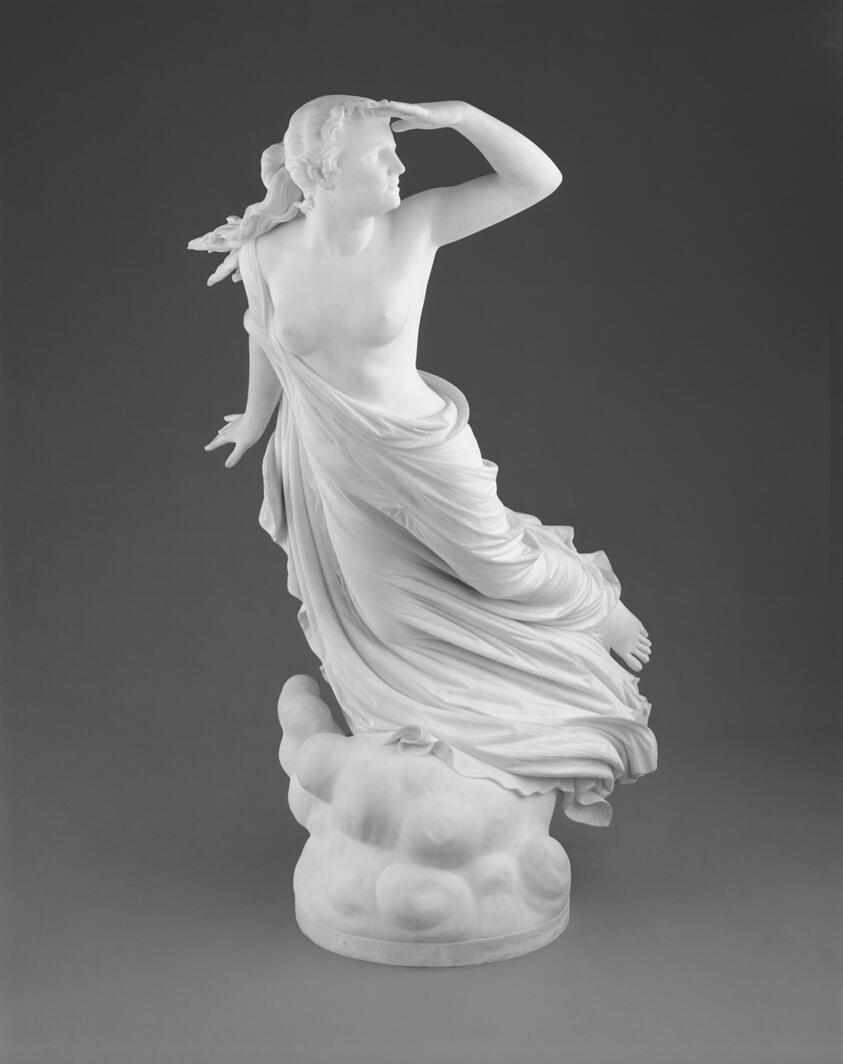
The Lost Pleiade
Art Institute of Chicago