
Minneapolis Institute of Art
Clytie
Sculptor: Hiram Powers
- Date
- c. 1868–70
- Medium
- Marble
- Department
- Arts of the Americas
- Institution
- Minneapolis Institute of Art
Hiram Powers's bust of the ancient Greek sea nymph Clytie was the artist's attempt to create a bust of ideal female beauty, a concept popular during the middle of the 19th century. Clytie, the daughter of the god of the sea, Oceanus, was so enamored with the sun god, Apollo, that every day she watched his course across the sky. Apollo took pity on her and transformed her into a heliotrope, or sunflower. Clytie became, therefore, the symbol of unwavering love. In rendering Clytie, Powers was directly inspired by a classical Roman bust in the British Museum thought to represent Antonia, mother of Germanicus and the Emperor Claudius. He would have seen reproductions of this bust in engravings as well as marble and porcelain copies which were widely circulated at the time. United States, Americas
The authoritative record is held by Minneapolis Institute of Art. LinkedCulture surfaces this object and its connections; it does not alter institutional metadata.
Related across collections
Semantically similar works from Minneapolis Institute of Art and other institutions.
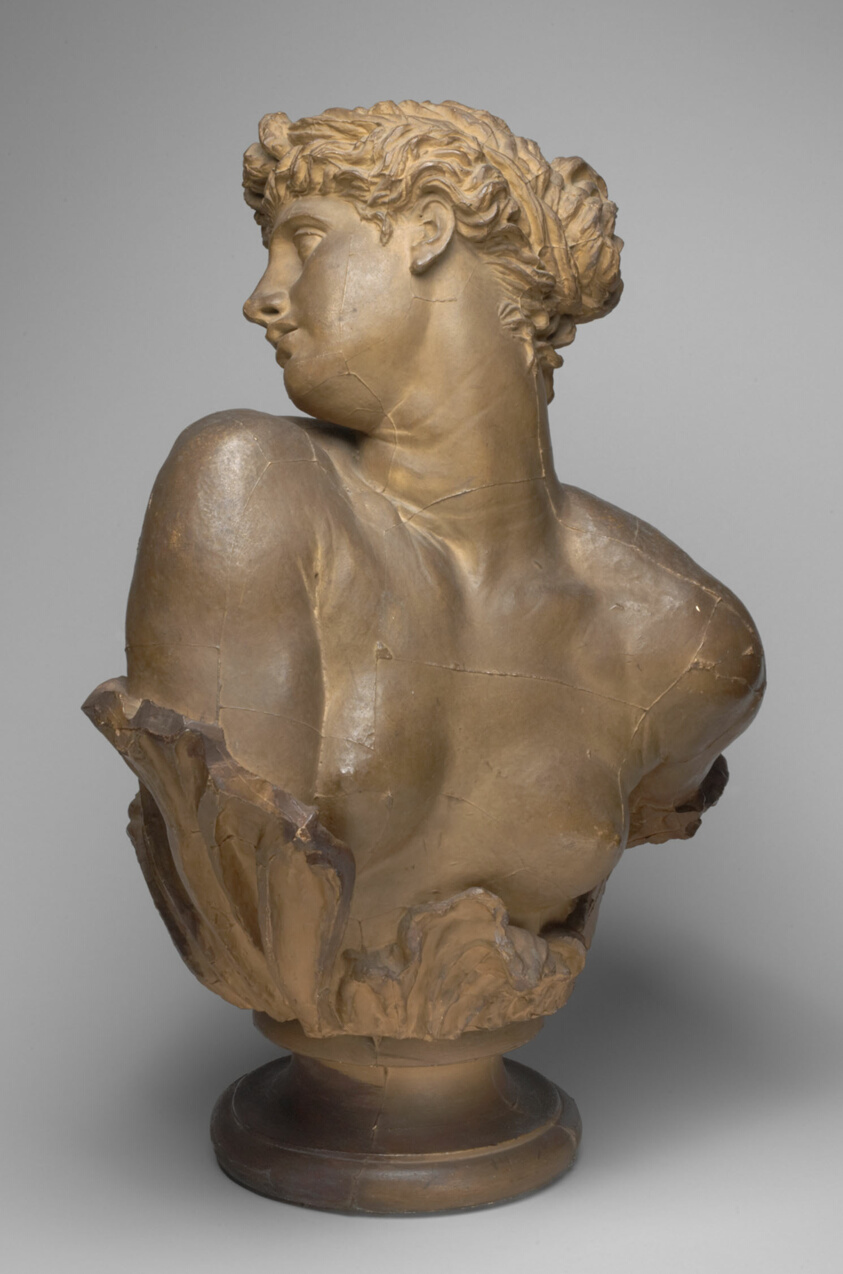
Clytie
Art Institute of Chicago
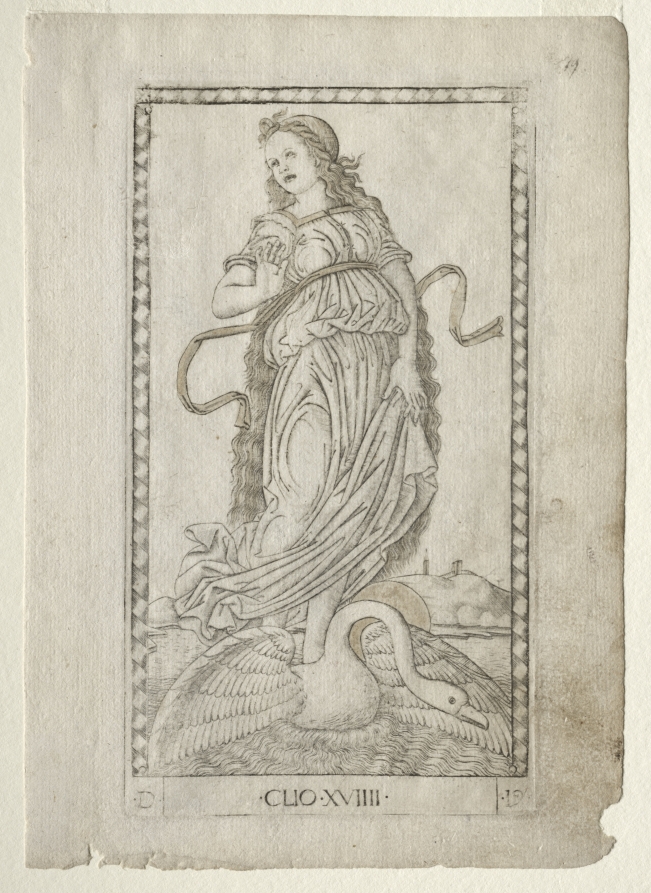
Clio (history) (from the Tarocchi series D: Apollo and the Muses, #19)
Cleveland Museum of Art
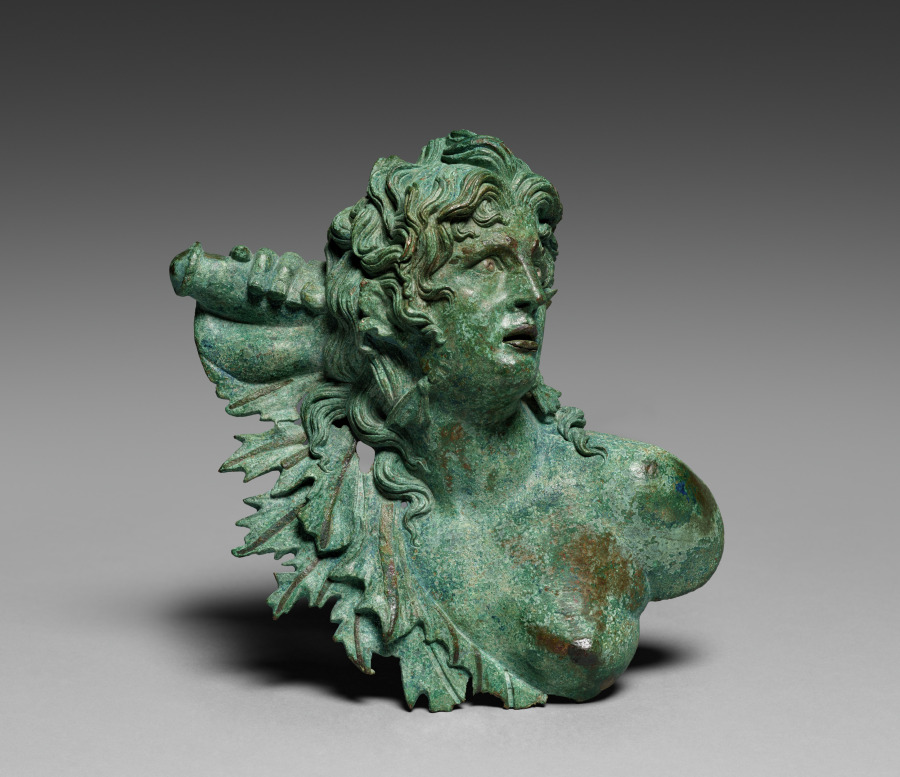
Tritoness or Scylla Relief Applique
Cleveland Museum of Art

Bust of the Greek Slave
Minneapolis Institute of Art

Apollo and the Muses
Minneapolis Institute of Art
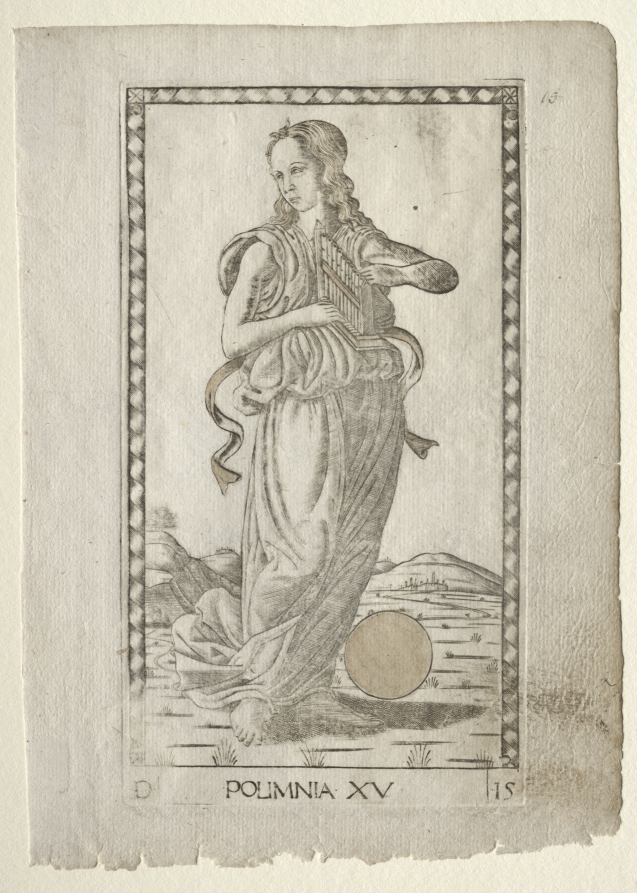
Polyhymnia (heroic hymns) (from the Tarocchi series D: Apollo and the Muses, #15)
Cleveland Museum of Art
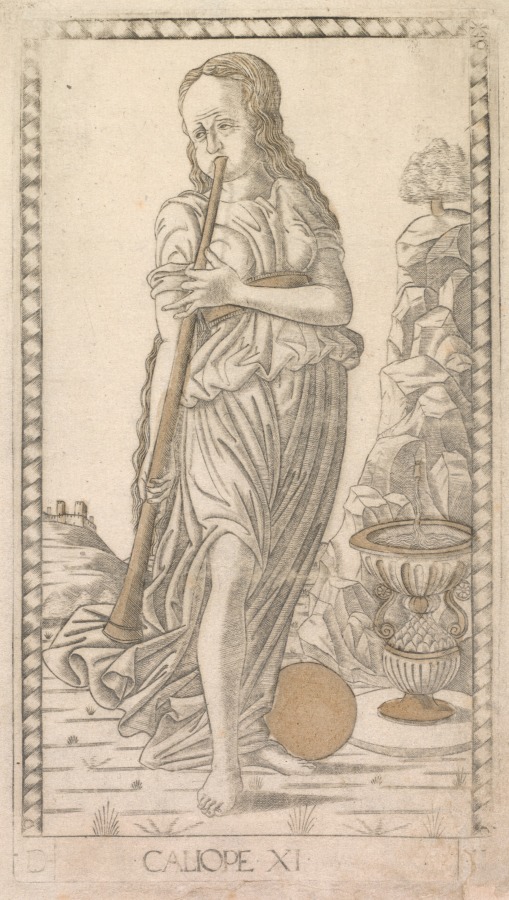
Calliope (from the Tarocchi series D: Apollo and the Muses, #11)
Cleveland Museum of Art
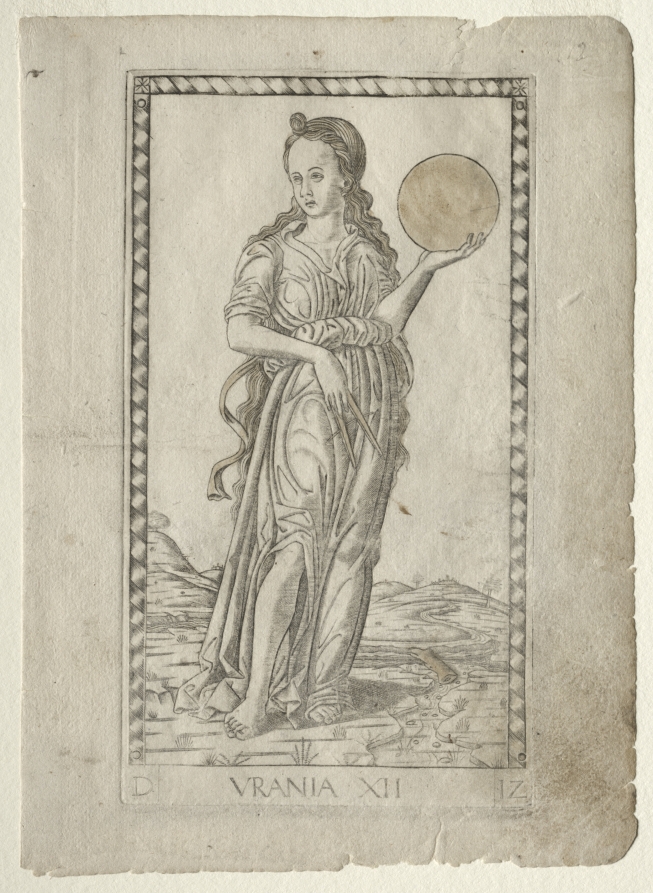
Urania (astronomy) (from the Tarocchi series D: Apollo and the Muses, #12)
Cleveland Museum of Art
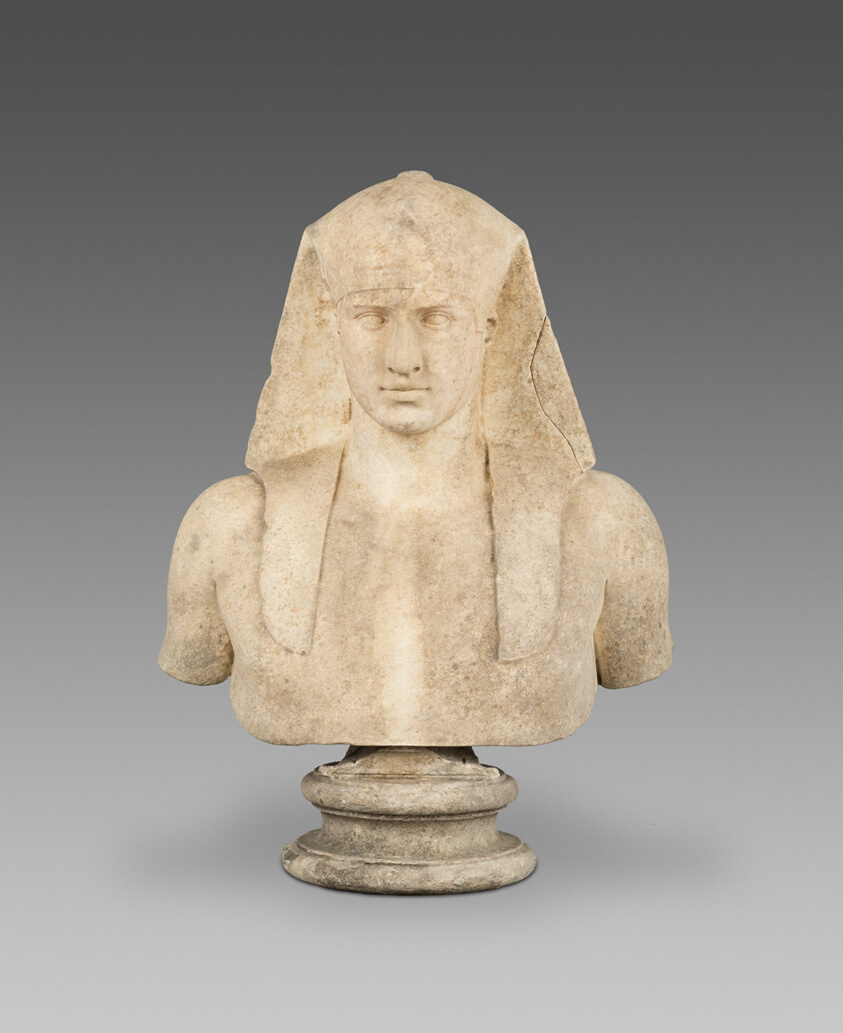
Portrait Bust of Antinous as Osiris
Art Institute of Chicago

Statuette of Venus (Venus de Clercq)
Getty Museum
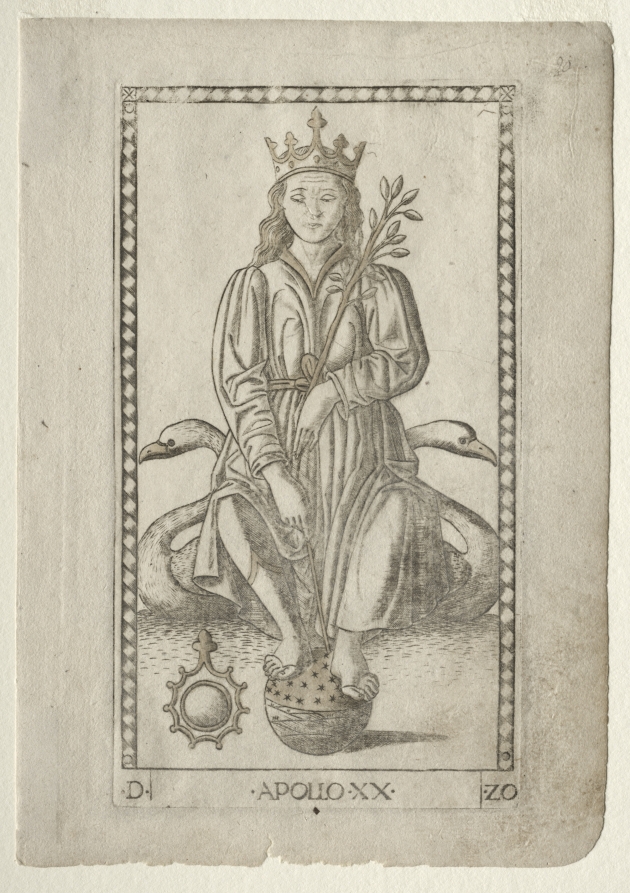
Apollo (from the Tarocchi, series D: Apollo and the Muses, #20)
Cleveland Museum of Art

Attic Red-Figure Squat Lekythos
Getty Museum