
Minneapolis Institute of Art
Bust of the Greek Slave
Sculptor: Hiram Powers
- Date
- after 1845–46
- Medium
- Marble
- Department
- Arts of the Americas
- Institution
- Minneapolis Institute of Art
After it was first unveiled in 1845, Hiram Powers’ marble sculpture The Greek Slave quickly became one of the most popular artworks in the United States. A life-size rendition of a nude woman in chains, the sculpture was inspired by the Greek War of Independence (1821–29), in which Greeks fought to liberate themselves from the ruling Ottoman Empire. This subject also resonated within debates about slavery in the United States. In the years leading up to the American Civil War (1861–65), antislavery groups adopted this sculpture as a symbol of their cause. The Greek Slave was so popular that Powers went on to create six full-size marble versions plus a number of smaller busts, including this one. Americas
The authoritative record is held by Minneapolis Institute of Art. LinkedCulture surfaces this object and its connections; it does not alter institutional metadata.
Related across collections
Semantically similar works from Minneapolis Institute of Art and other institutions.

"The Greek Slave," by Hiram Powers
Getty Museum
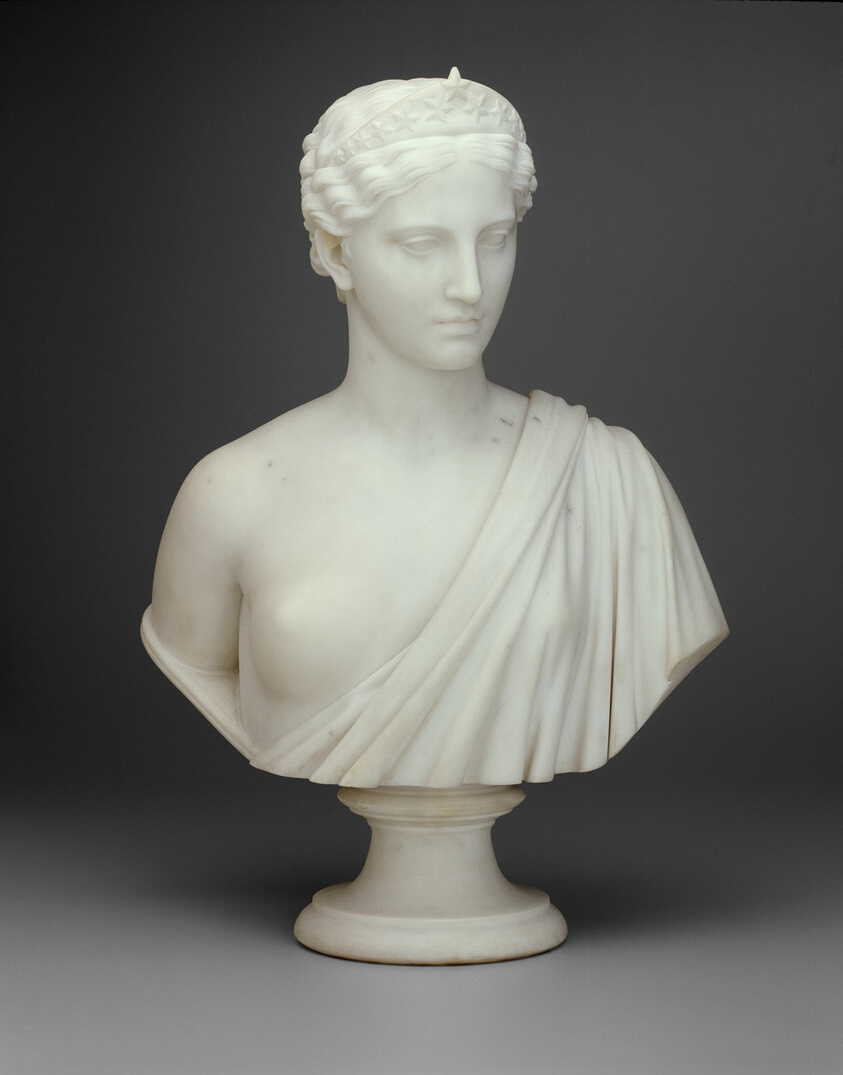
America
Art Institute of Chicago

Clytie
Minneapolis Institute of Art

Bust of George Washington
Minneapolis Institute of Art
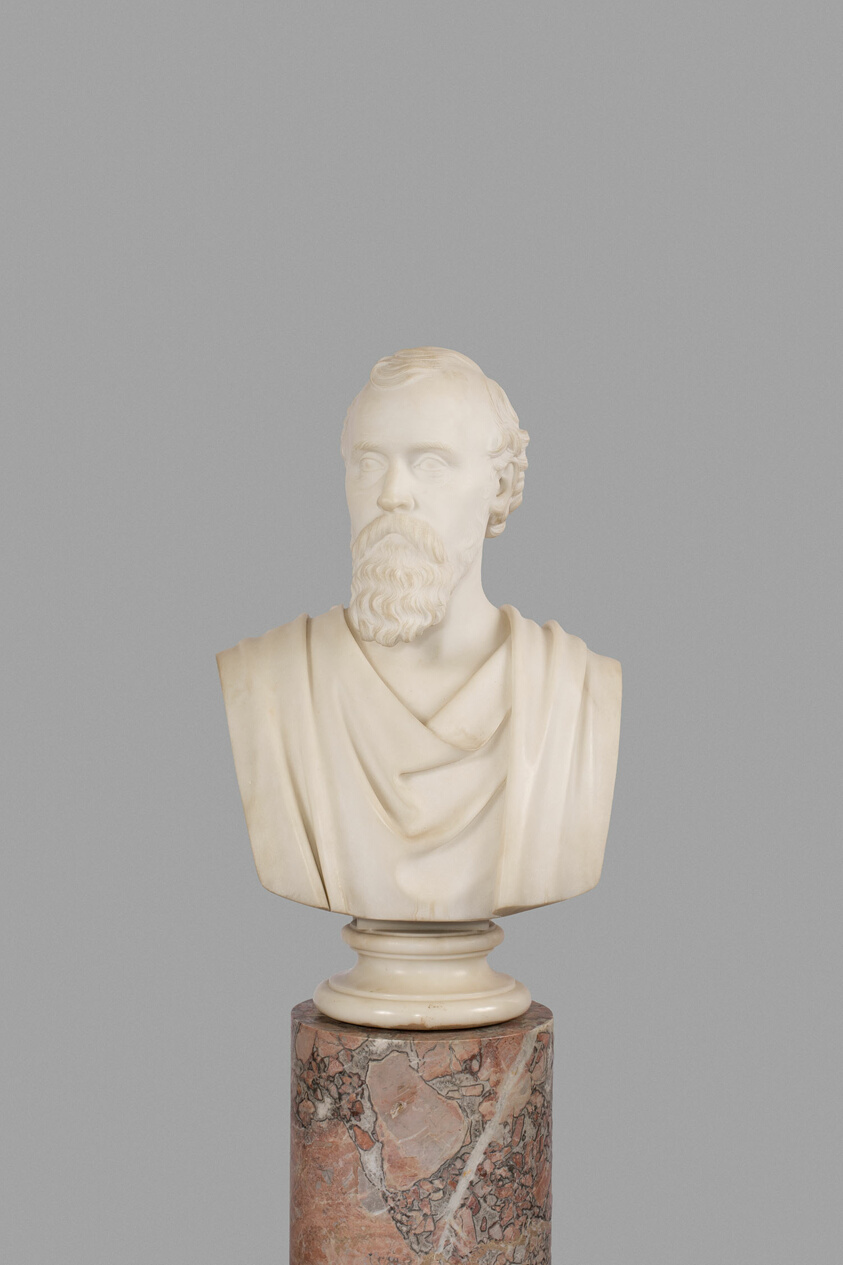
Mr. Potter Palmer
Art Institute of Chicago
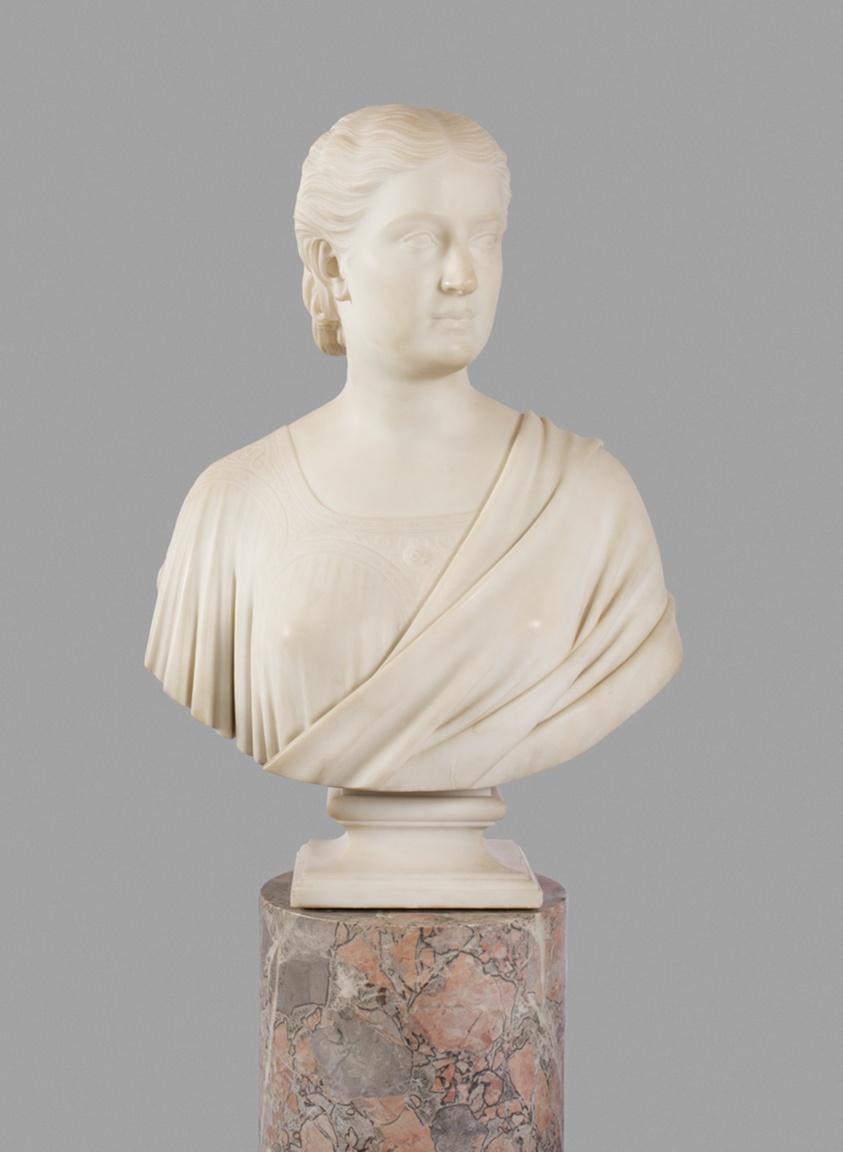
Mrs. Potter Palmer
Art Institute of Chicago

Statuette of Venus (Venus de Clercq)
Getty Museum

Portrait Bust of Henry Clay
Minneapolis Institute of Art
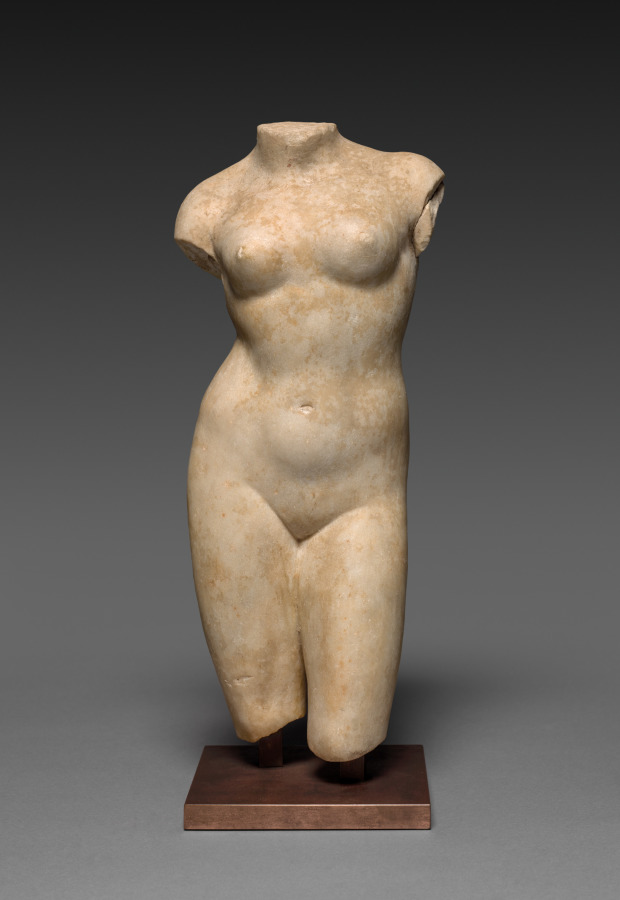
Torso of a Woman
Cleveland Museum of Art
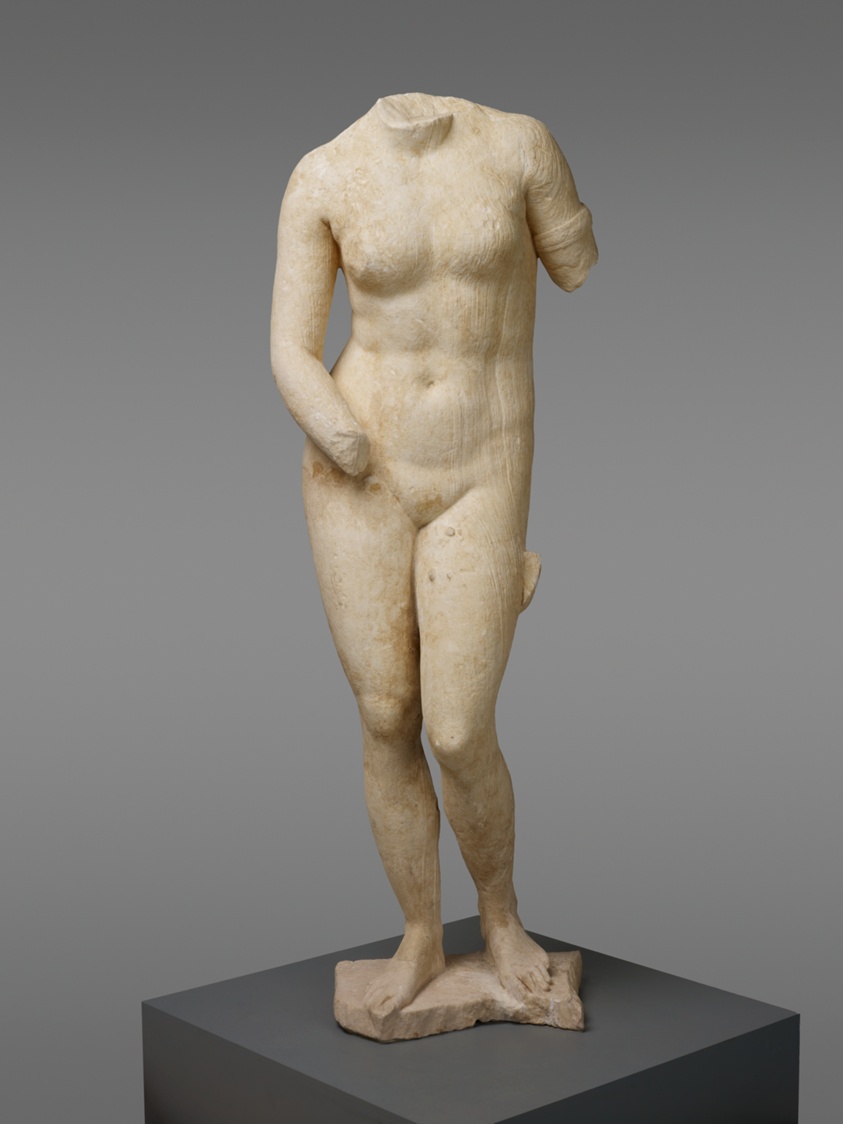
Statue of the Aphrodite of Knidos
Art Institute of Chicago

Bust of J. Paul Getty
Getty Museum
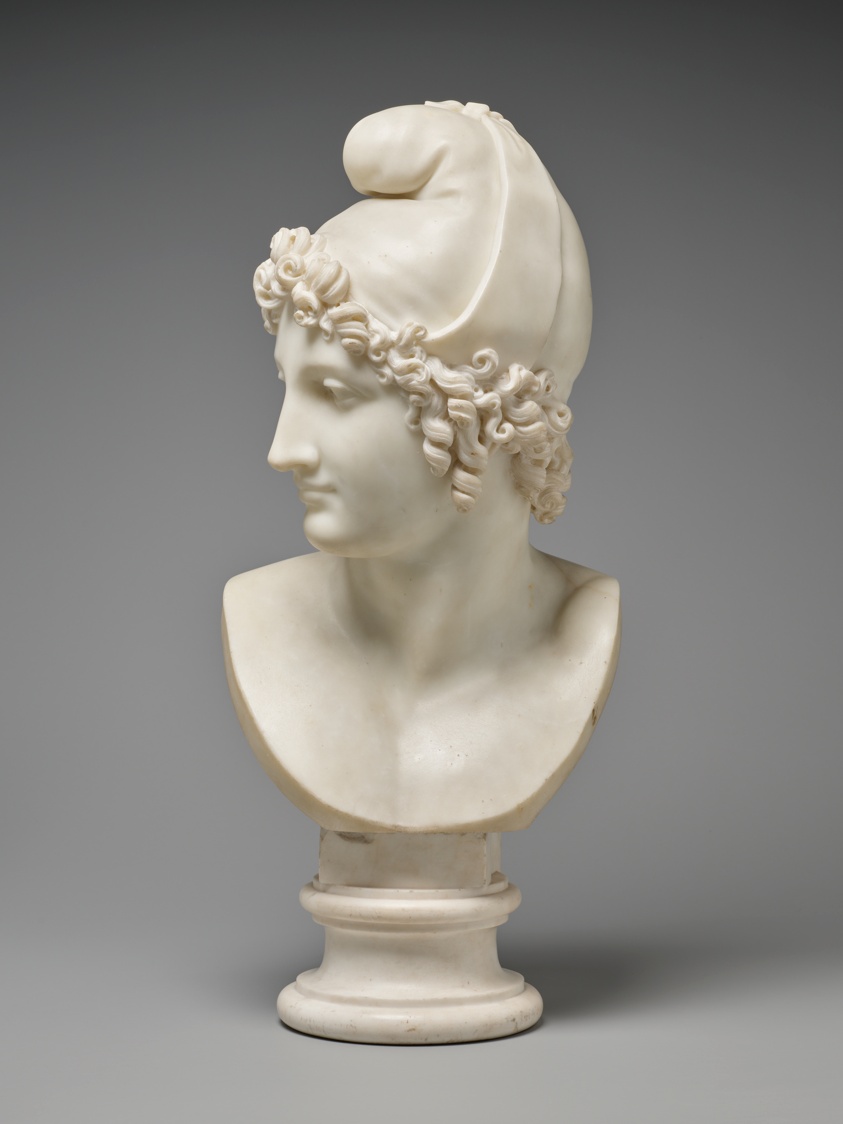
Bust of Paris
Art Institute of Chicago