Art Institute of Chicago
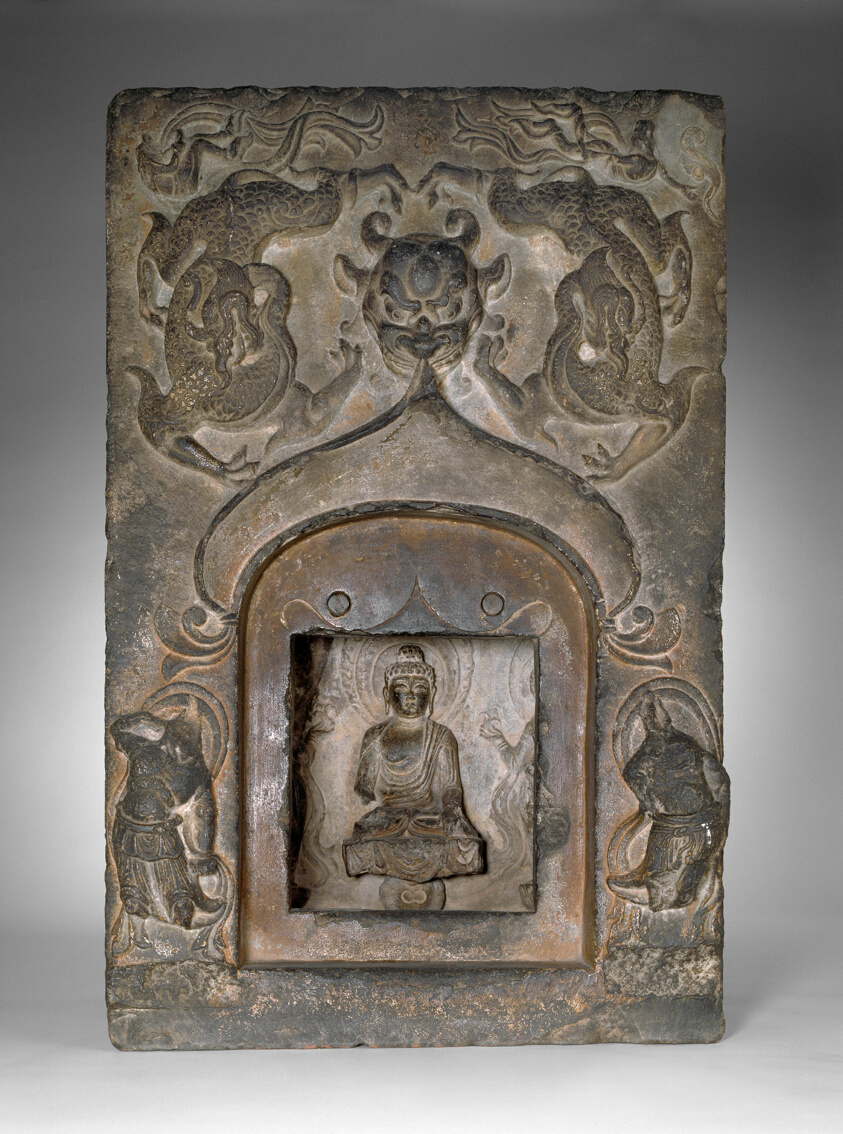
Section of a Buddhist Pagoda
ChinaLinkedCulture matchlcp-777a05c2acea
- Date
- Tang dynasty (A.D. 618–907), dated 724
- Medium
- Limestone
- Culture
- China
- Department
- Arts of Asia
- Institution
- Art Institute of Chicago
- Object ID
- 33997
From the Art Institute of Chicago record
These two stone slabs originally formed the first story of a miniature Buddhist pagoda, which was elevated on a tiered base. Many such pagodas, usually standing seven or nine stories tall, are preserved from the eighth century in northern China. Now separated for display, these slabs were once tightly aligned to form one chamber whose interior was visible only though a canopied doorway cut into the front slab. Dynamic guardians, flying apsaras (heavenly beings), writhing dragons, and an ogre mask protect this doorway, which opens into a sacred space. The Buddha, seated in the center, is flanked by two bodhisattvas (compassionate saintly beings) holding lotus flowers. The bodhisattvas' fluid postures, which echo those of sensual images from contemporary Indian art, distinguish many Buddhist sculptures of early-eighth-century China. A long inscription, carved into the left side of both slabs, states that the family of Jia Heida commissioned this pagoda in honorable devotion to his deceased parents. Replete with Buddhist metaphors and allusions to the Buddha s life, this text opens with a bleak perspective on the physical world and then praises both Buddhist teachings of spiritual redemption and secular values of Chinese filial devotion. The inscription closes with a prayer extolling Buddhist principles. The back of the rear slab is incised with images of two brothers, the bodhisattvas of medicine, who vow to heal the sick. The elder brother (left) holds a bowl containing a lotus flower, which symbolizes medicine; the younger brother (right) joins his hands in prayer. A small figure in the lower-left corner, who reaches out with one arm, as if pleading for medicine, may represent a faithful devotee. Inscriptions along the far-left and far-right edges identify the patron of these images as Konghui, a Buddhist nun. Inscriptions to the left of both brothers offer praise to the bodhisattvas.
The authoritative record is held by Art Institute of Chicago. LinkedCulture surfaces this object and its connections; it does not alter institutional metadata.
Get printable QR codesHide QR codes
Open QR codes for this object page and the museum record. They stay collapsed until needed.
Provenance & credit
As published by the source institution. Coverage varies — not every institution's open-data feed includes ownership history.
- Credit line
- Lucy Maud Buckingham Collection
Linked open data
Authority identifiers that link this record into the wider web of cultural data — stable references you can follow to the source.
- Object type
- AAT300190691
Related across collections
Semantically similar works from Art Institute of Chicago and other institutions.
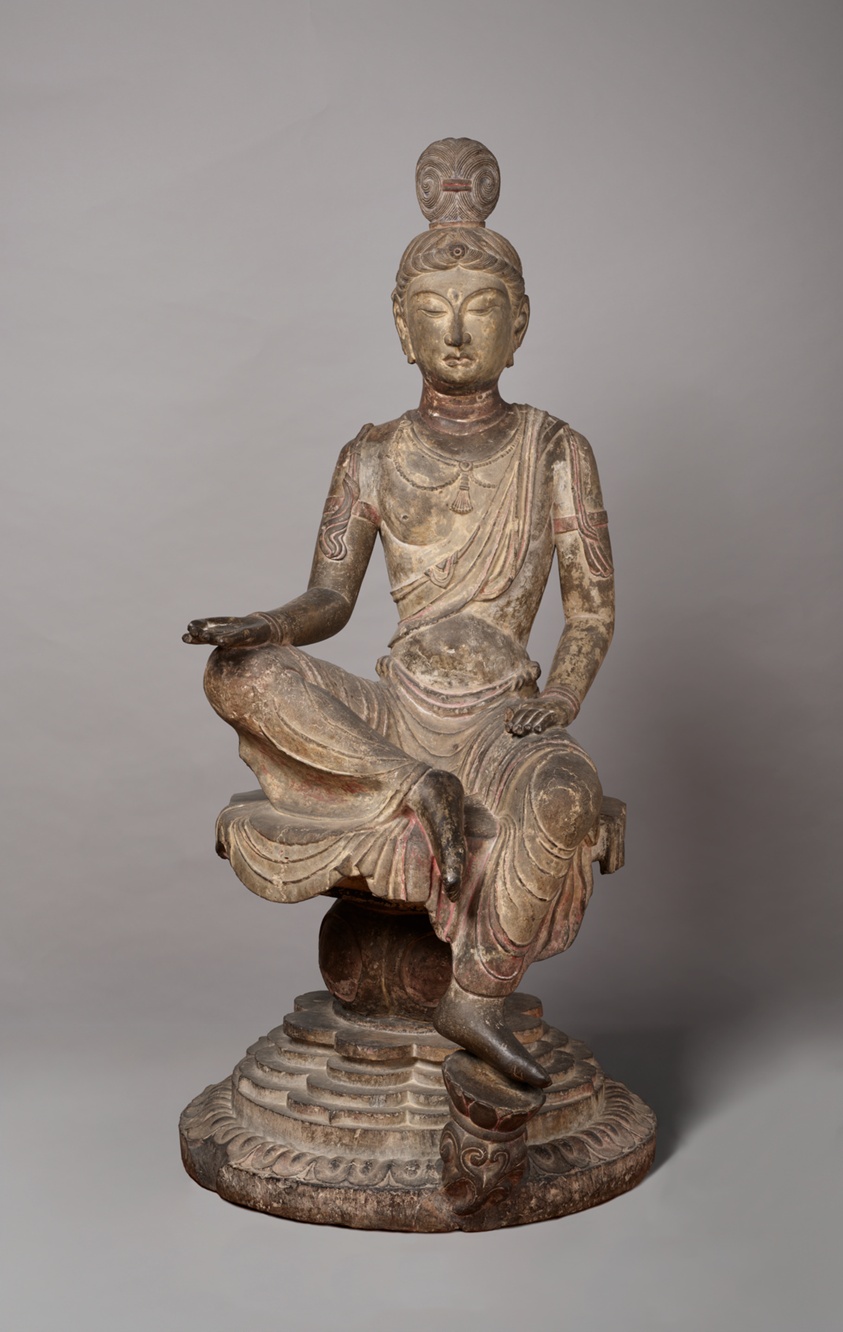
Bodhisattva
Art Institute of Chicago
#4453
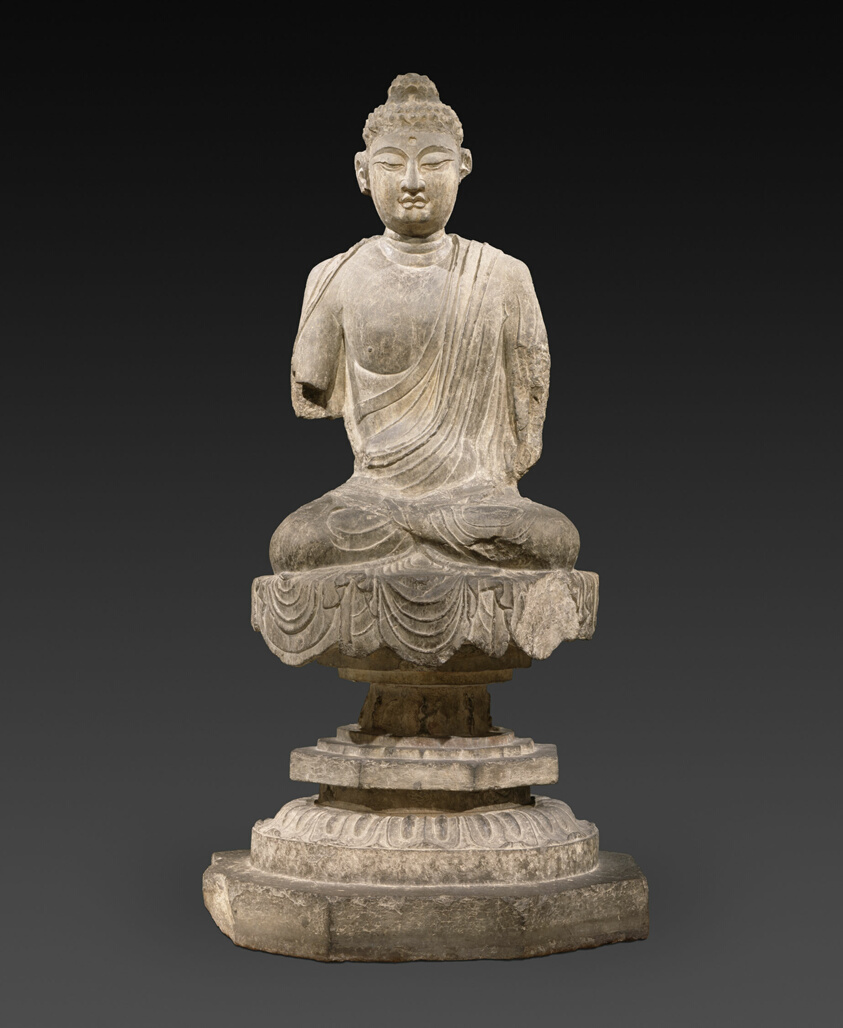
Buddha
Art Institute of Chicago
#86380

Flying Celestial (Apsara), from a set of Avalokiteshvara Bodhisattva and Flying Celestials
Minneapolis Institute of Art
#17462

Flying Celestial (Apsara), from a set of Avalokiteshvara Bodhisattva and Flying Celestials
Minneapolis Institute of Art
#17458
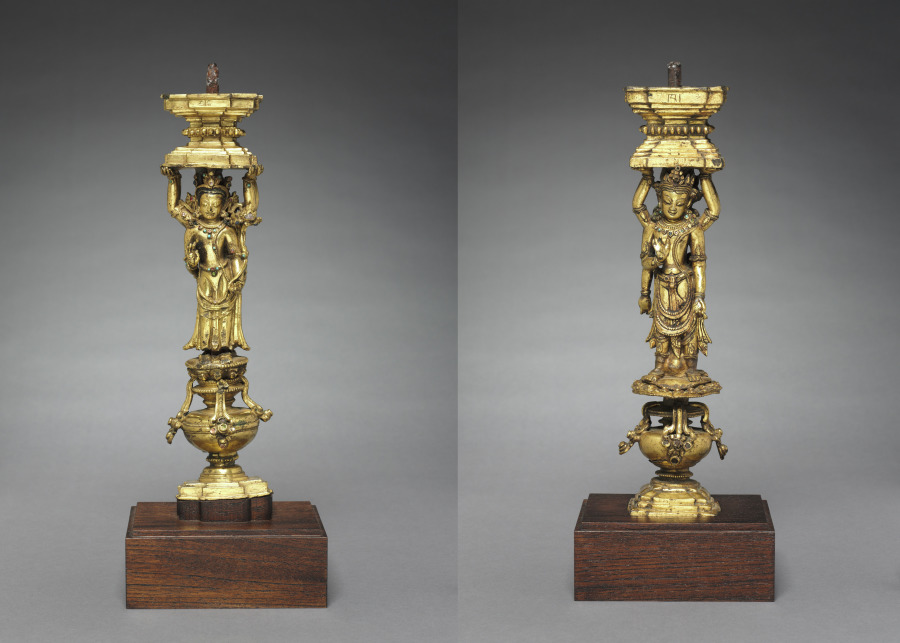
Supports with Addorsed Figures
Cleveland Museum of Art
#169262
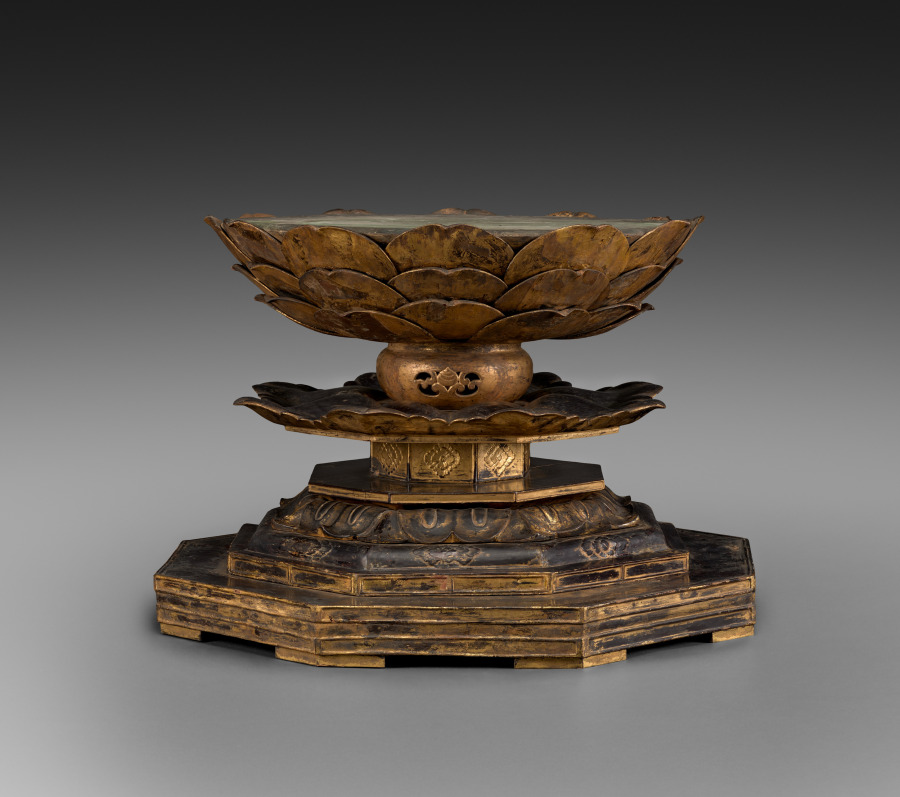
Seated Buddha (lotus pedestal)
Cleveland Museum of Art
#147591

Avalokiteshvara Bodhisattva (Guanyin), from a set of Avalokiteshvara Bodhisattva and Flying Celestials
Minneapolis Institute of Art
#807

Standing Bodhisattva
Minneapolis Institute of Art
#131

Pagoda
Minneapolis Institute of Art
#32415
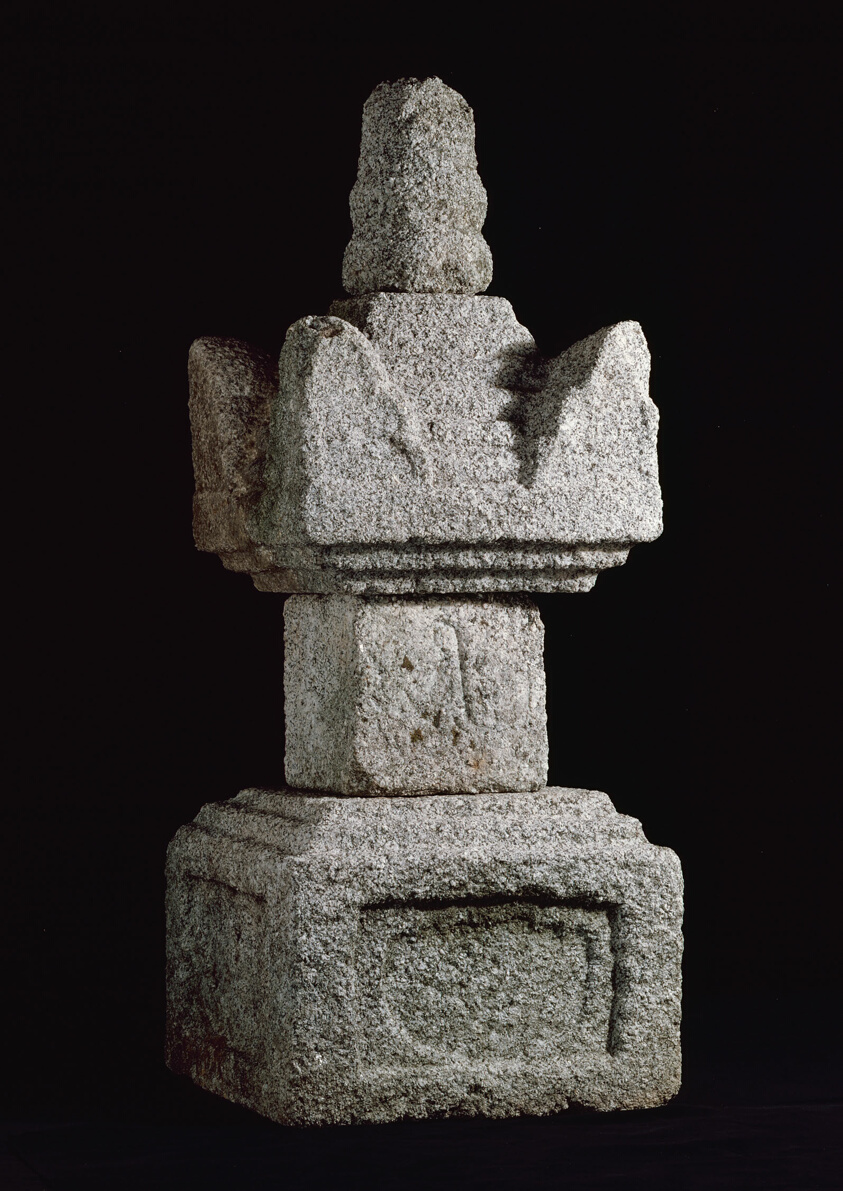
Buddhist Tower in Form of a Pagoda (Hokyointo)
Art Institute of Chicago
#71783

Pagoda with Darani sutra, from a set of One Million Pagodas
Minneapolis Institute of Art
#122278
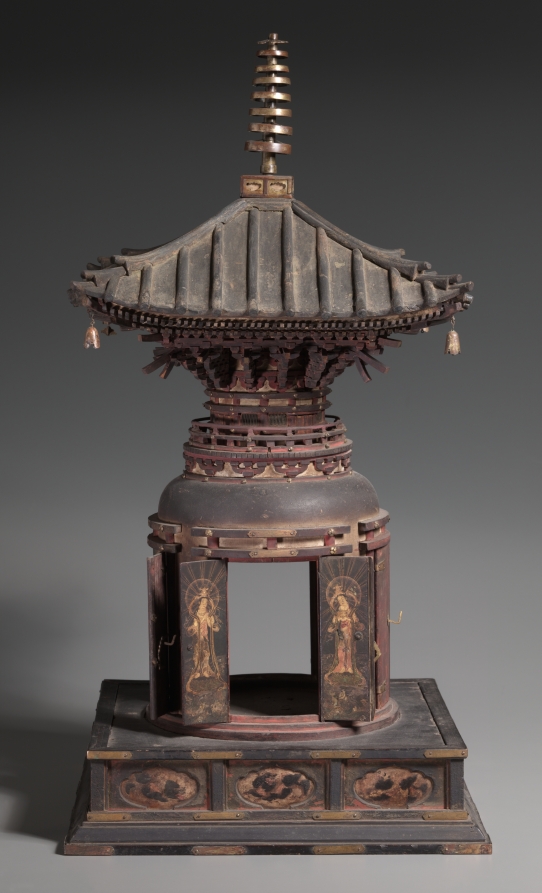
Many-Jeweled Stupa Reliquary (Tahōtō shari yōki)
Cleveland Museum of Art
#151052