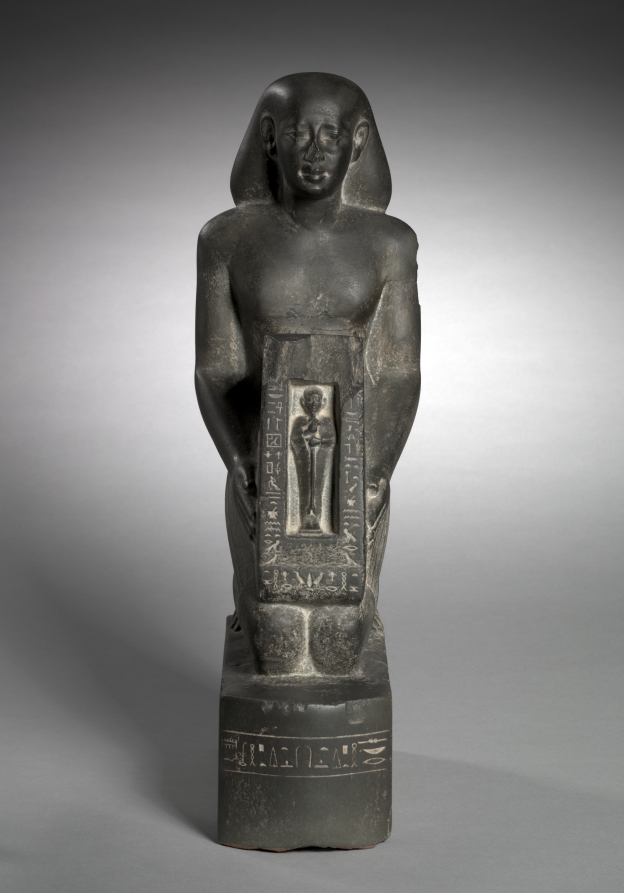
Cleveland Museum of Art
Naophorous Statue of the Finance Officer and Overseer of Fields, Horwedja
- Date
- 521–486 BCE
- Medium
- graywacke
- Culture
- Egypt, Late period (715–332 BCE), Dynasty 27, reign of Darius I (522–486 BCE)
- Department
- Egyptian and Ancient Near Eastern Art
- Institution
- Cleveland Museum of Art
Naophorous (naos.bearing) statues show the subject holding a naos, or shrine, containing an image of a deity, in this case the god Ptah of Memphis. These statues were very popular during the Late Period. Almost invariably they are of hard stone, made to last for eternity. As finance officer under Darius I, Horwedja was in a good position to afford such a monument. Darius I was the second Persian king to rule over Egypt and the only one who seems to have had a genuine appreciation of the country. Egypt prospered under his rule, and the arts flourished.
The authoritative record is held by Cleveland Museum of Art. LinkedCulture surfaces this object and its connections; it does not alter institutional metadata.
Related across collections
Semantically similar works from Cleveland Museum of Art and other institutions.
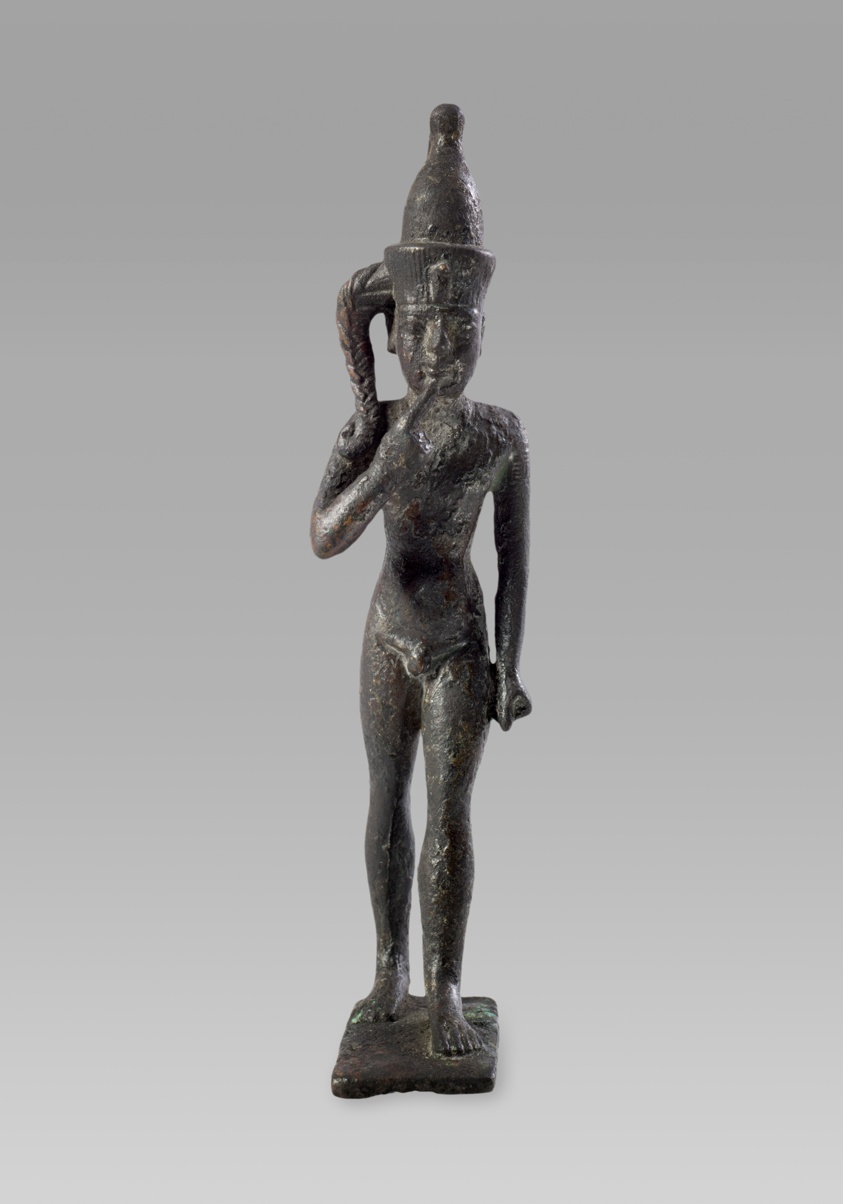
Statuette of Horus the Child (Harpokrates)
Art Institute of Chicago
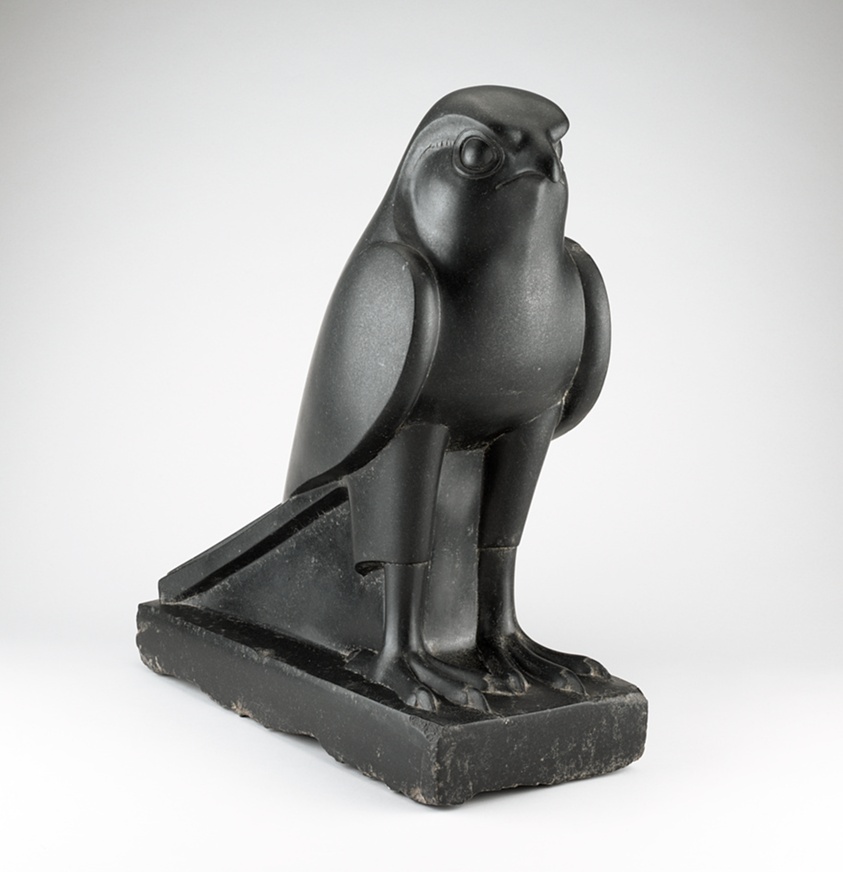
Statue of Horus
Art Institute of Chicago
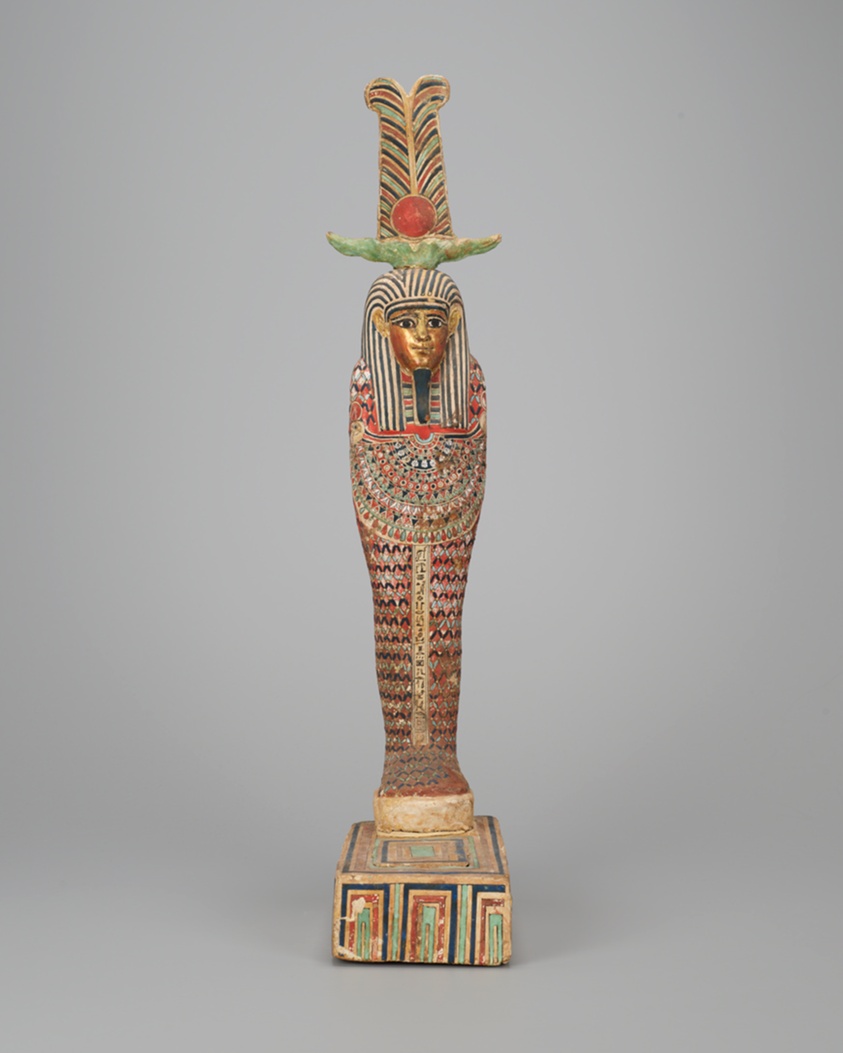
Statue of Ptah-Sokar-Osiris
Art Institute of Chicago

God Horus (Harpocrates)
Minneapolis Institute of Art
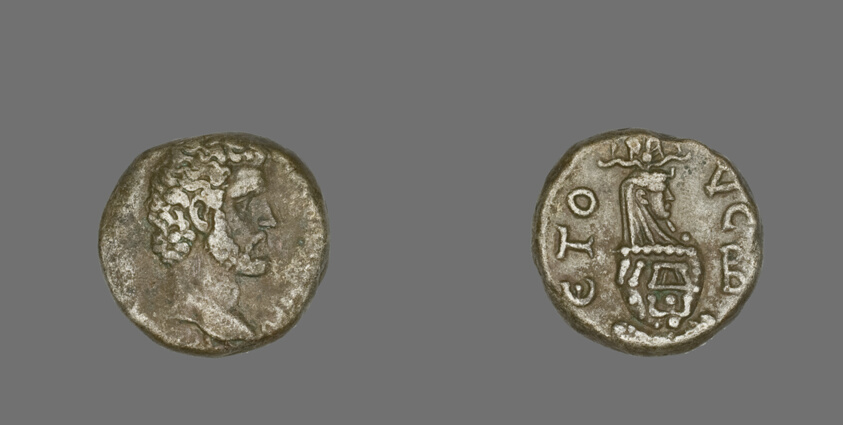
Coin Portraying Emperor Antoninus Pius
Art Institute of Chicago
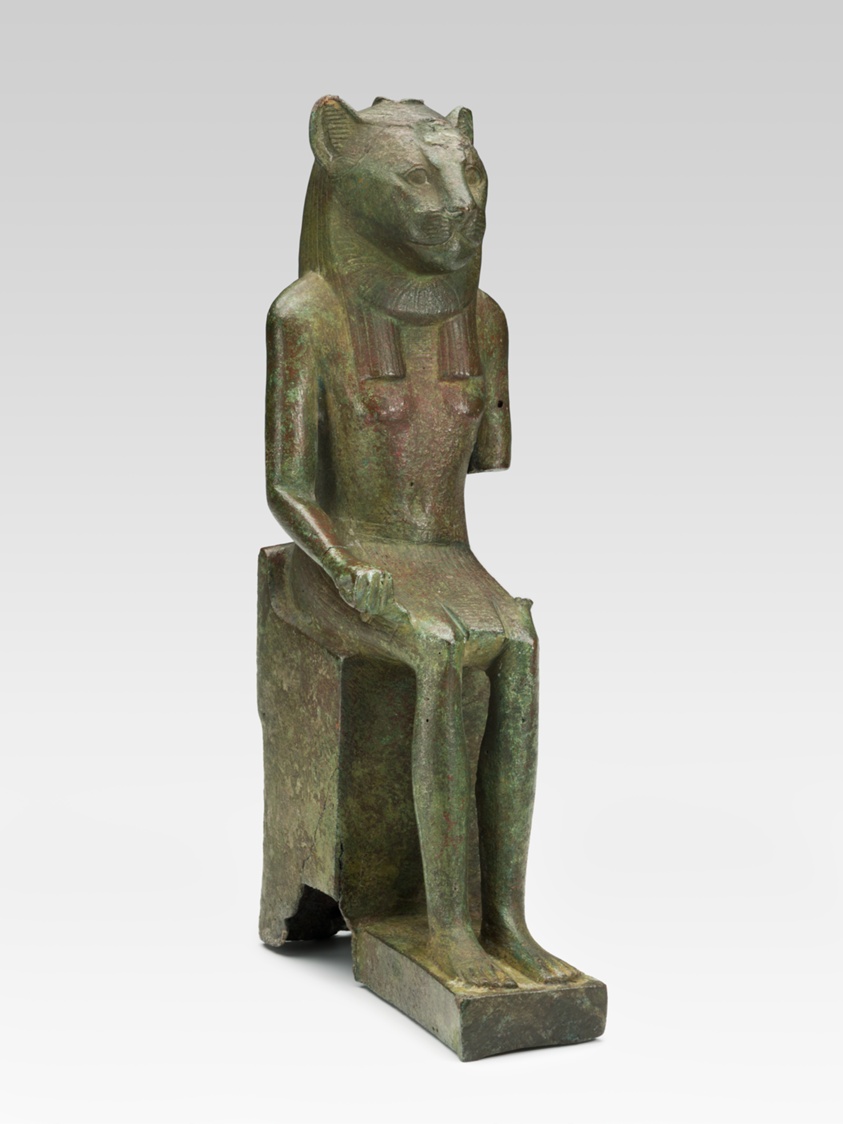
Statuette of a Lion-headed God, probably Horus of Buto
Art Institute of Chicago
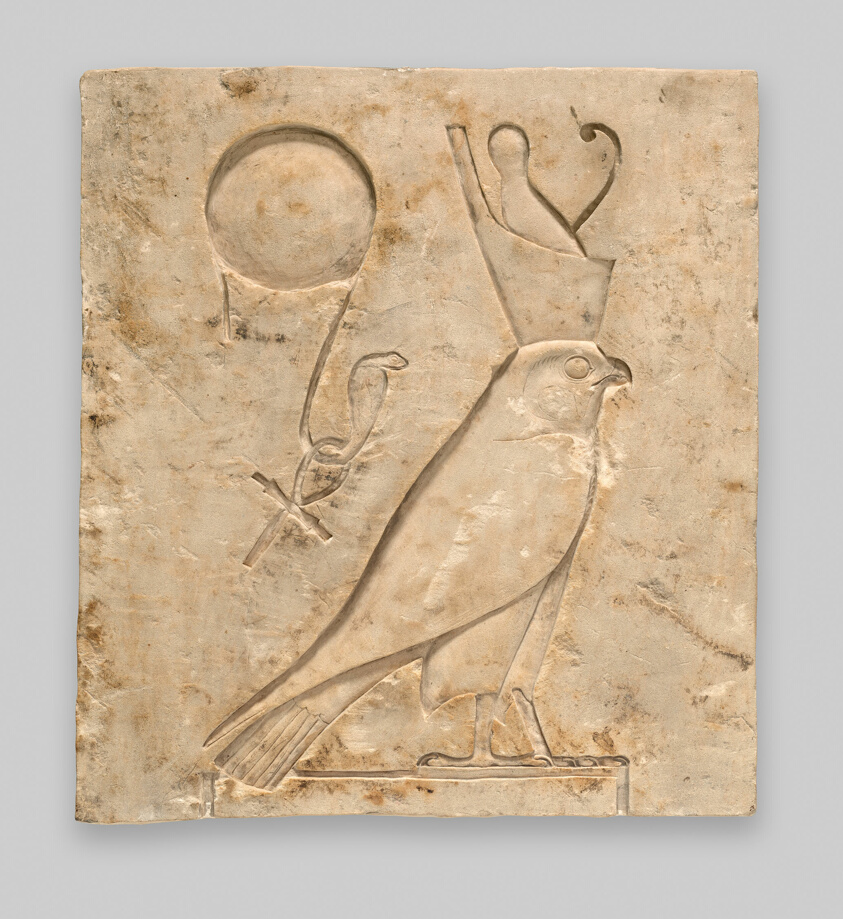
Relief Plaque Depicting the God Horus as a Falcon
Art Institute of Chicago

Statuette of the Goddess Isis Holding the God Horus
Art Institute of Chicago
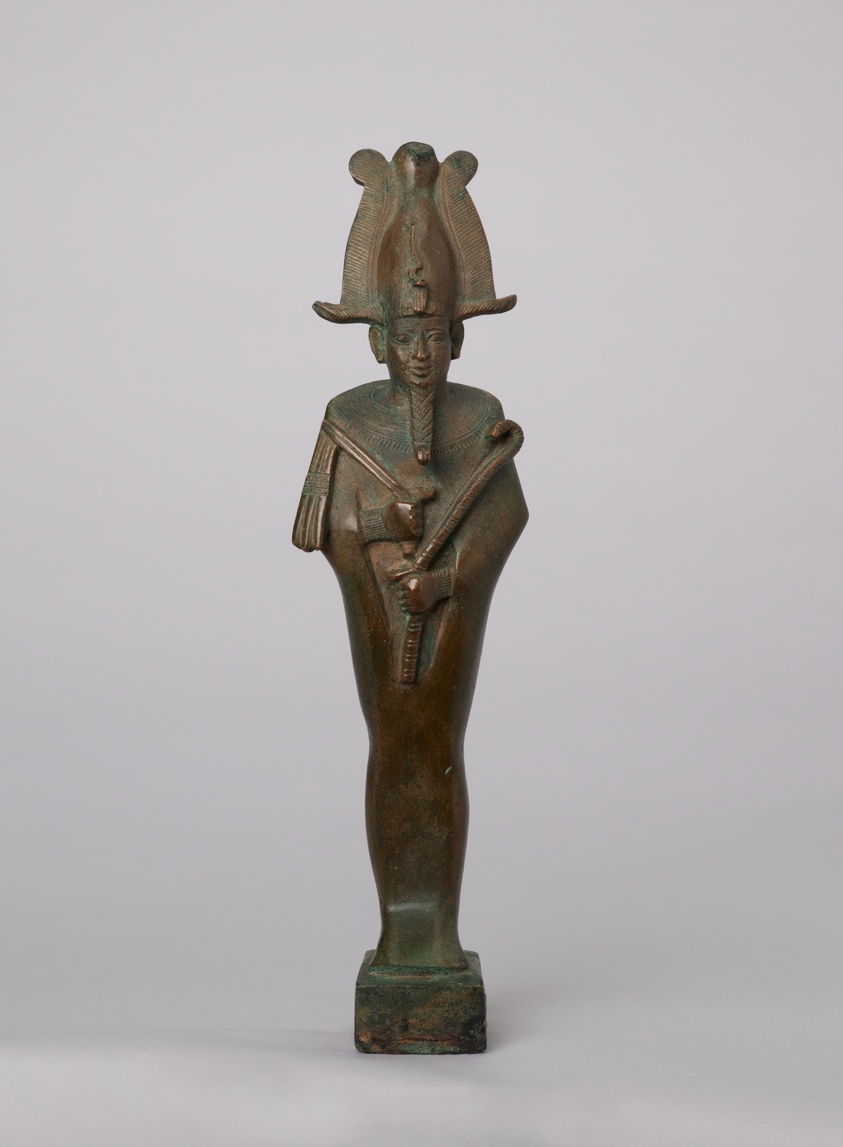
Statuette of Osiris
Art Institute of Chicago
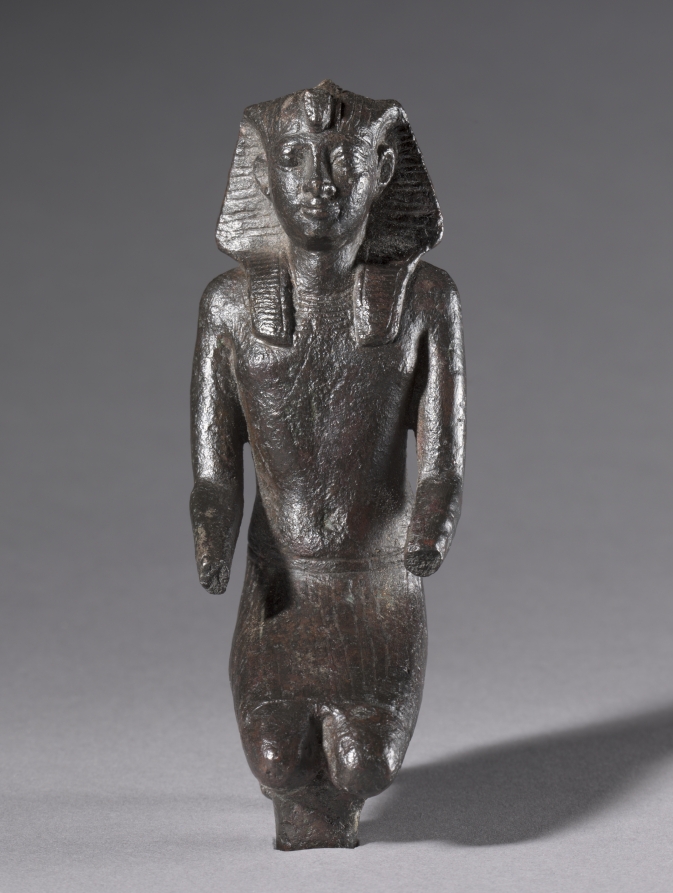
Statuette of Kneeling King
Cleveland Museum of Art
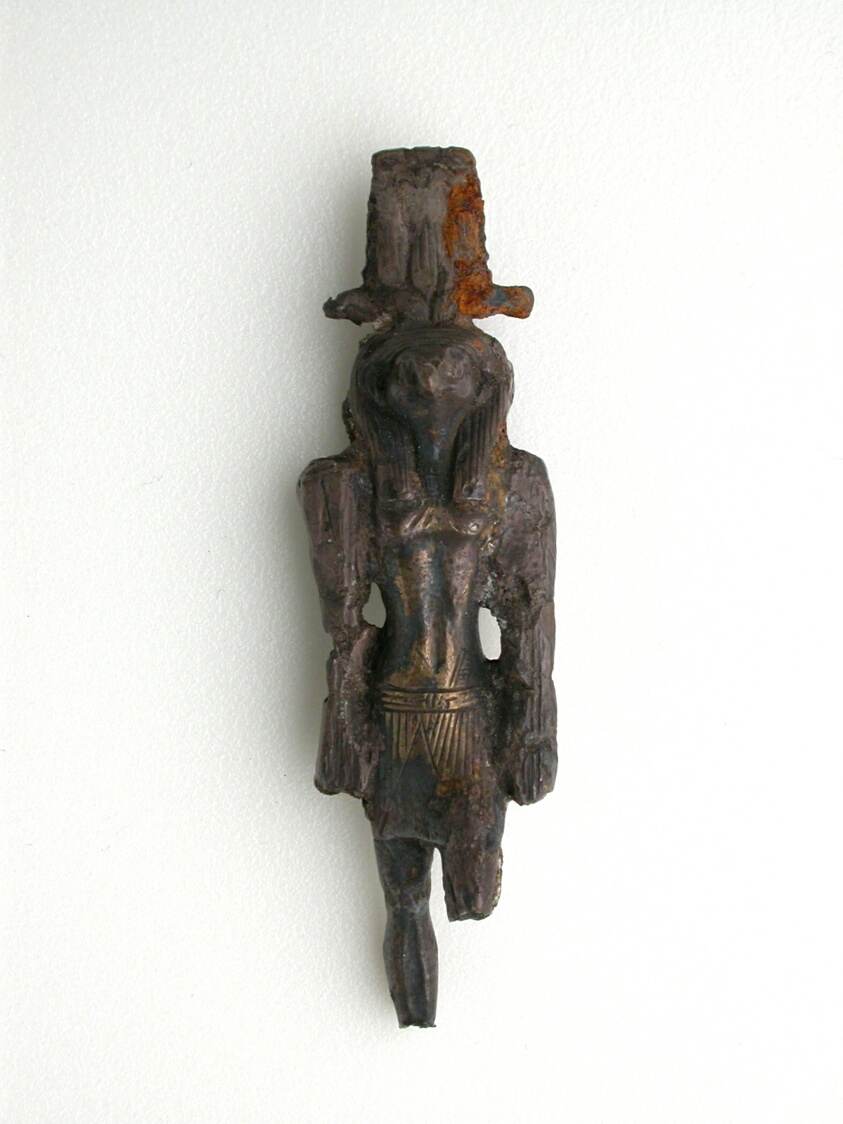
Statuette of the God Horus
Art Institute of Chicago
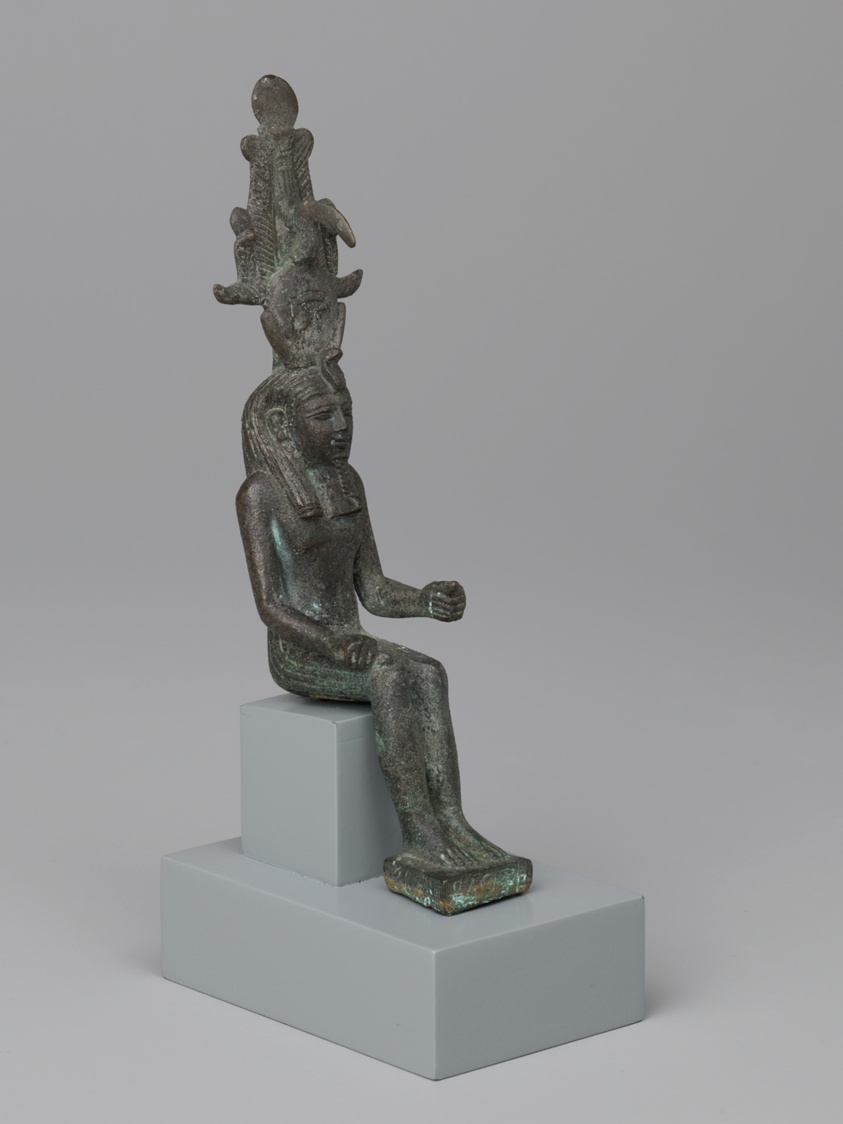
Statuette of Osiris-Iah
Art Institute of Chicago