Cleveland Museum of Art
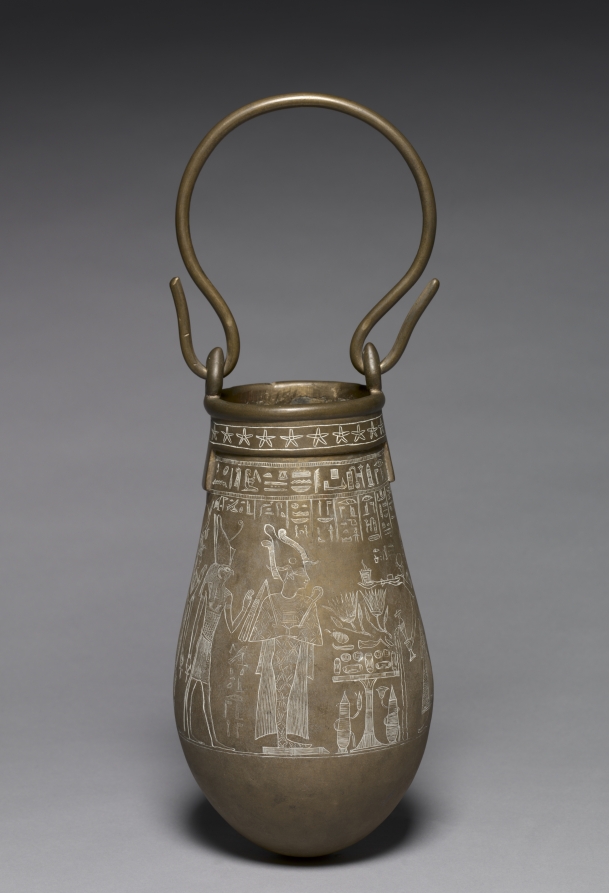
Decorated Situla
- Date
- 305–30 BCE
- Medium
- bronze
- Culture
- Egypt, Greco-Roman period (332 BCE–395 CE), Ptolemaic dynasty (305–30 BCE)
- Department
- Egyptian and Ancient Near Eastern Art
- Institution
- Cleveland Museum of Art
The situla was a deluxe ritual vessel that played an important role in Egyptian religious ceremonies. The two scenes on this situla exemplify the dual roles of a pious Egyptian in the afterlife: receiving offerings from his family on the one hand and making offerings to the gods on the other. On one side of the vessel the deceased, Padiamennebnesuttawy ("He who Amen, lord of Karnak, gives"), sits in a low chair accompanied by his pet dog. The vertical, cross-shaped sign preceding the animal is his name, Nefer, meaning "good one" or "beautiful one." On the right, the deceased's eldest son, Amenhotep, makes offerings of incense and water to his father. On the other side the deceased demonstrates his piety by making an offering of round loaves of bread, vegetables, and meat to the gods. Opposite him are the gods who are the recipients of his offerings—Osiris, god of the dead; Horus, son of Isis; and Isis herself—each of whom wears elaborate beaded and feathered garments.
The authoritative record is held by Cleveland Museum of Art. LinkedCulture surfaces this object and its connections; it does not alter institutional metadata.
Related across collections
Semantically similar works from Cleveland Museum of Art and other institutions.
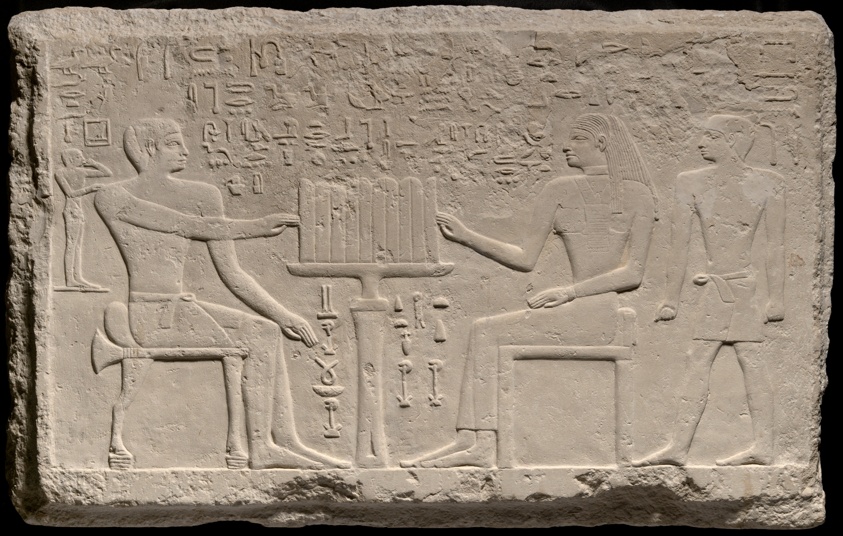
Stela of Tjenti and Nefret
Art Institute of Chicago
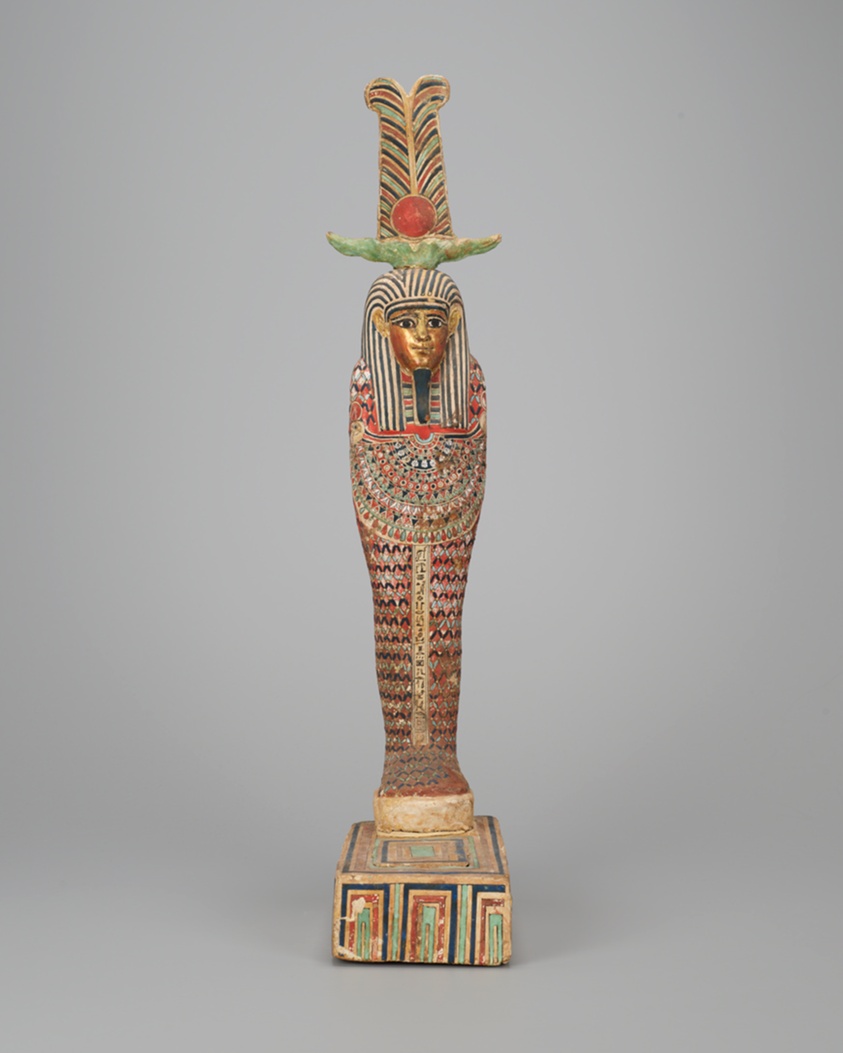
Statue of Ptah-Sokar-Osiris
Art Institute of Chicago
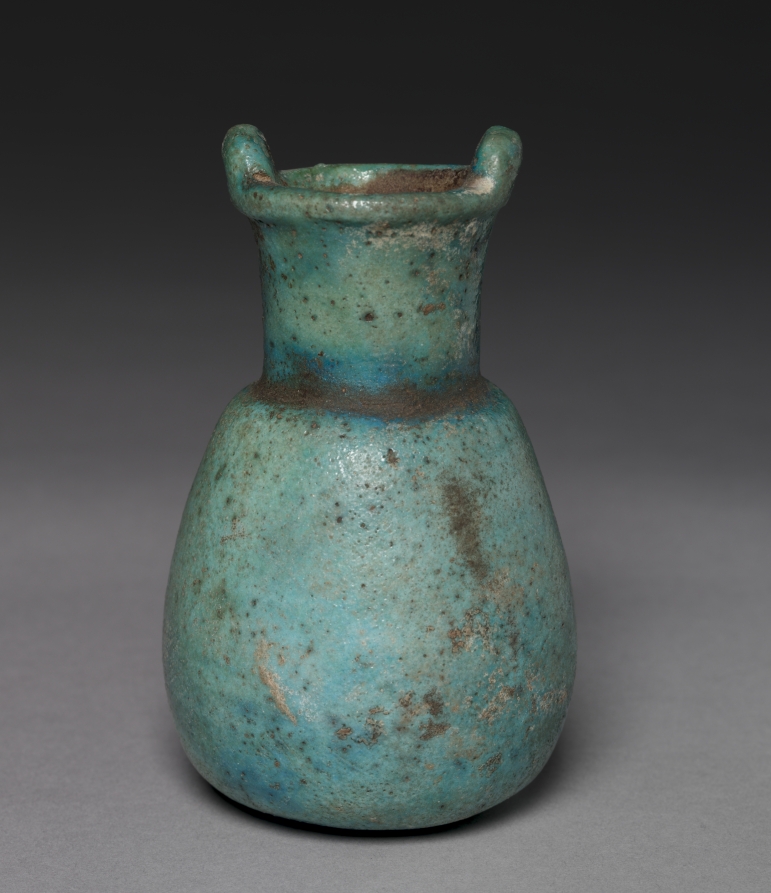
Situla
Cleveland Museum of Art
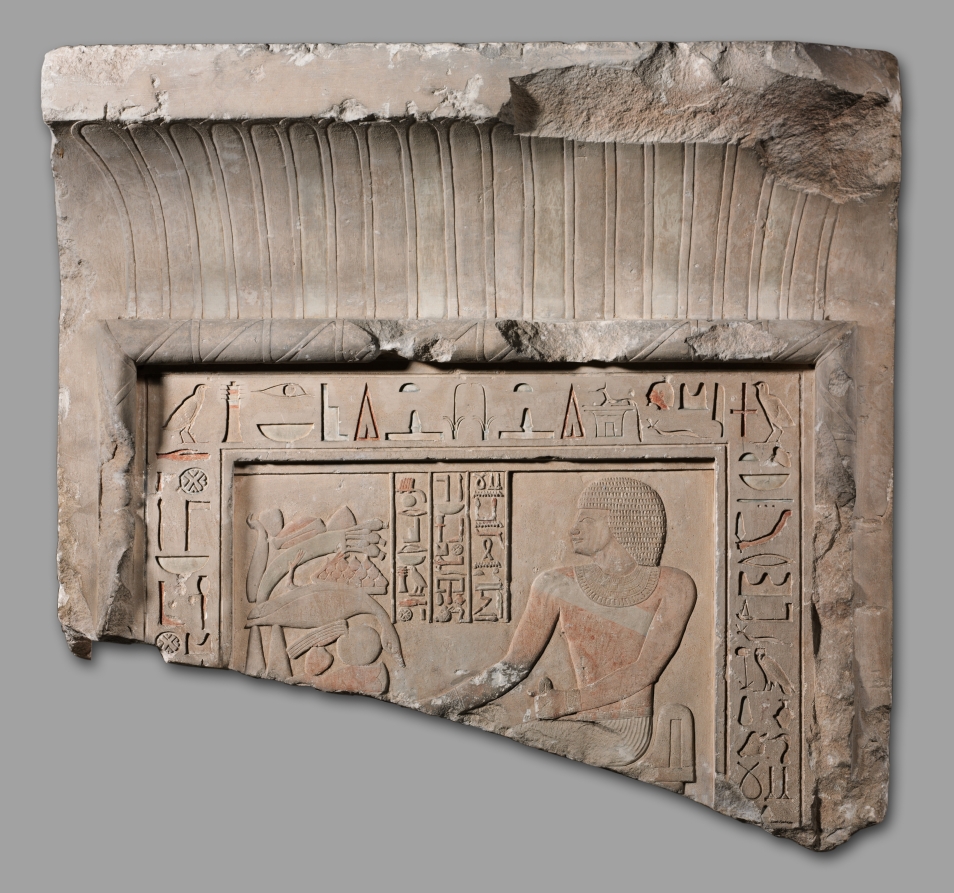
Stele of Shemai
Cleveland Museum of Art
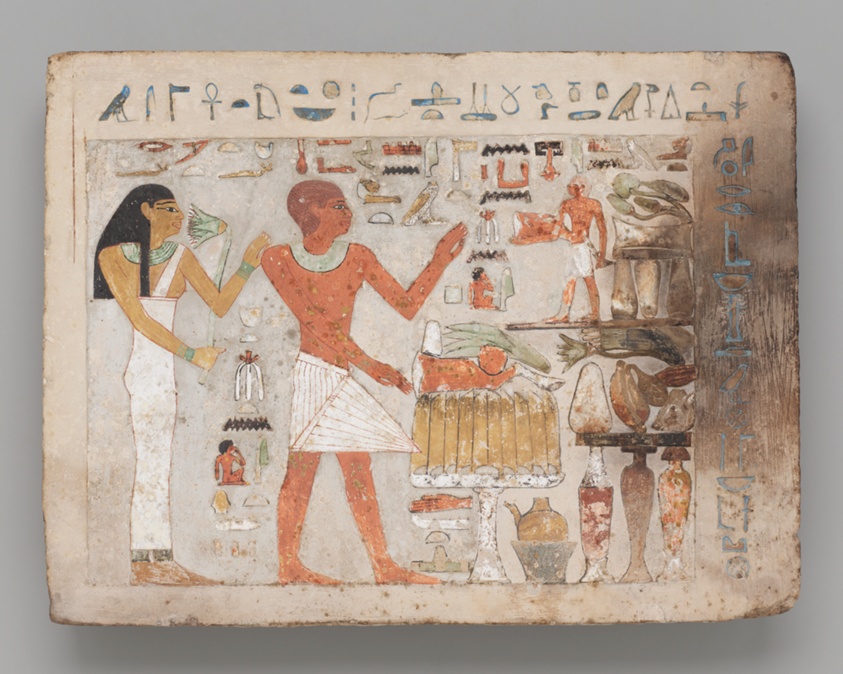
Stela of Amenemhat and Hemet
Art Institute of Chicago
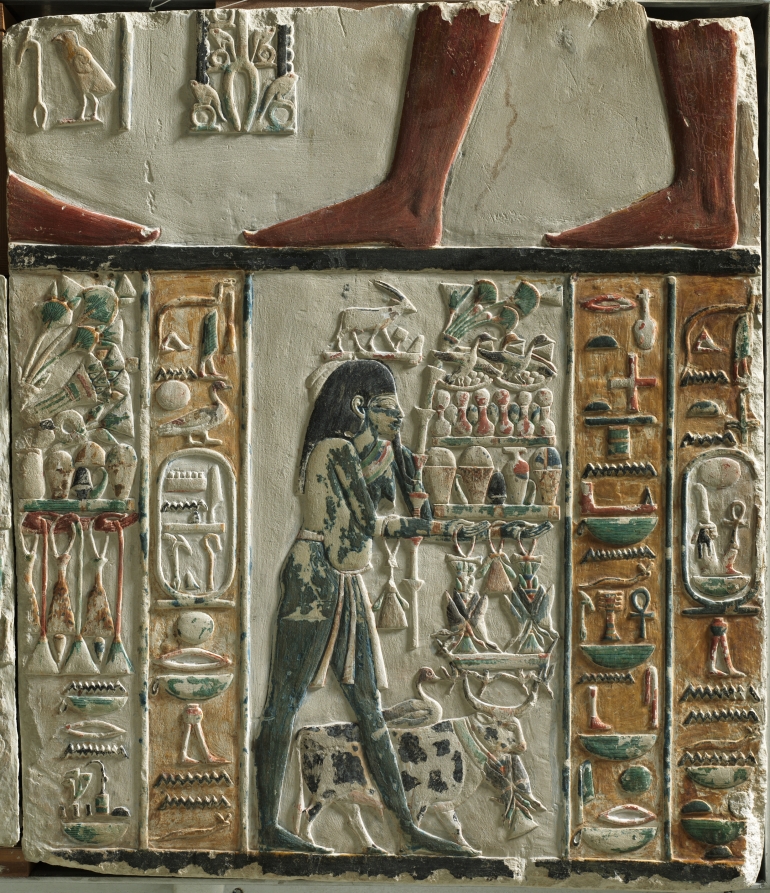
Nome Gods Bearing Offerings
Cleveland Museum of Art

Funerary papyrus
Minneapolis Institute of Art
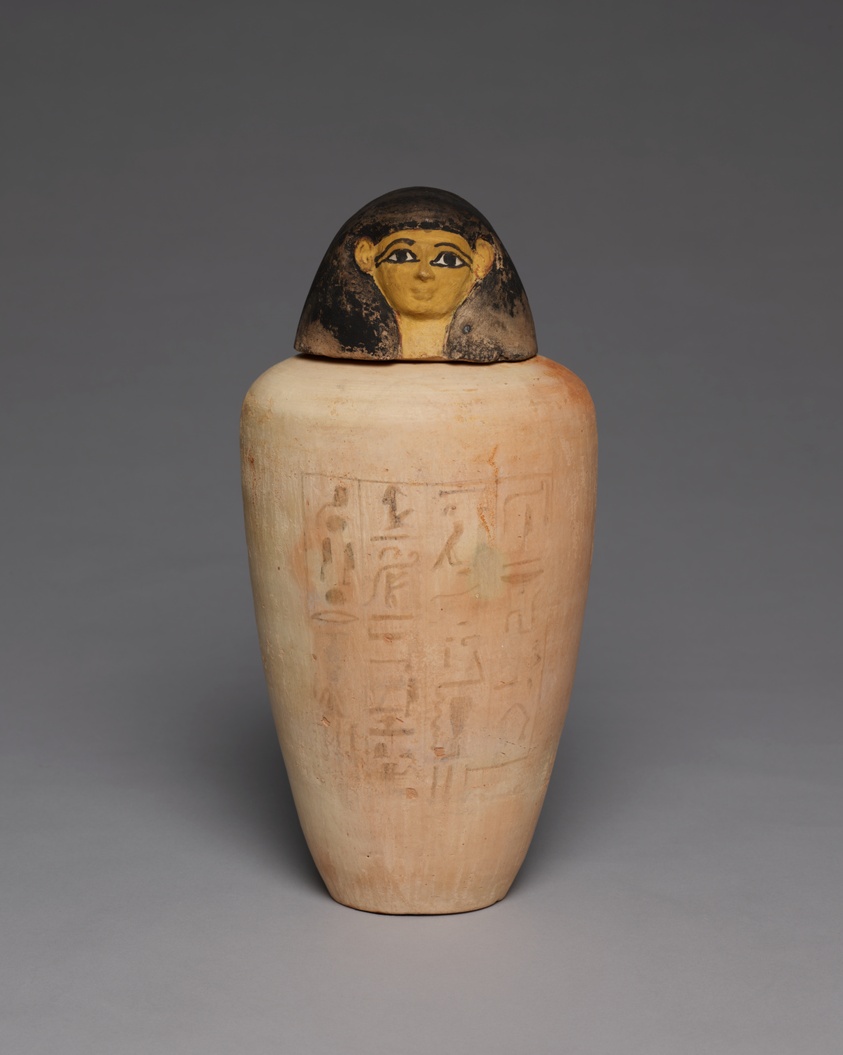
Canopic Jar of Amenhotep
Art Institute of Chicago
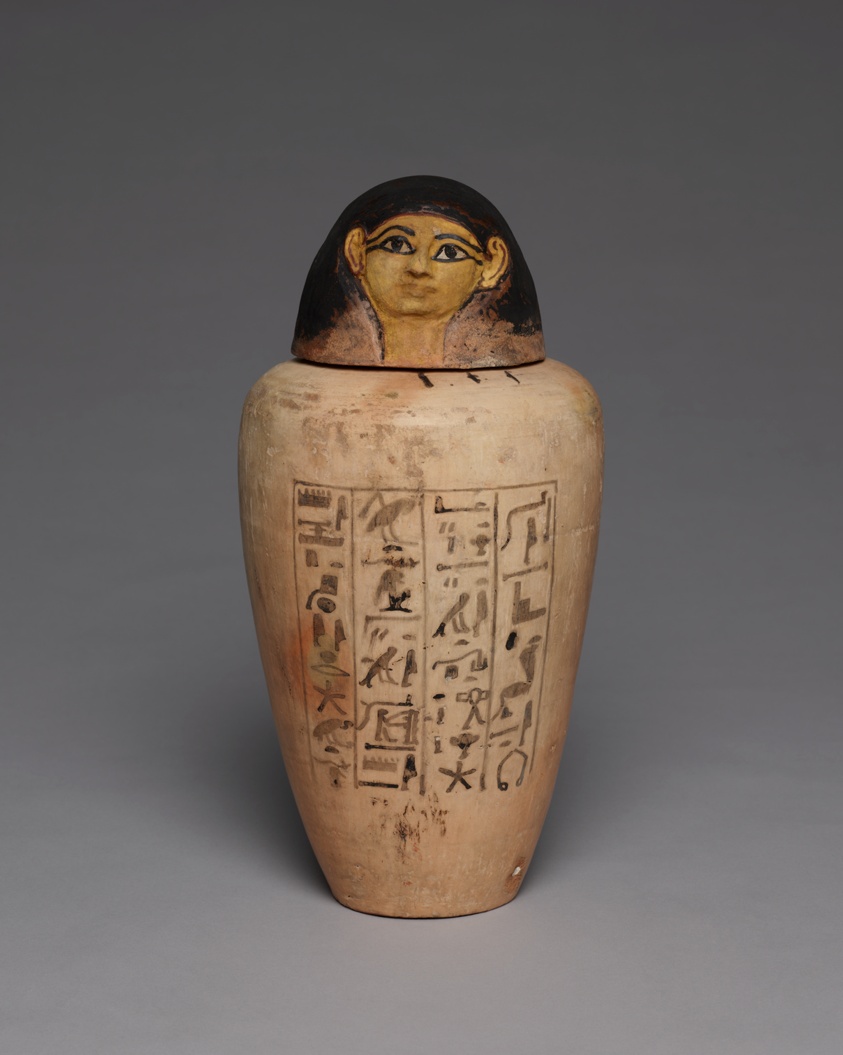
Canopic Jar of Amenhotep
Art Institute of Chicago
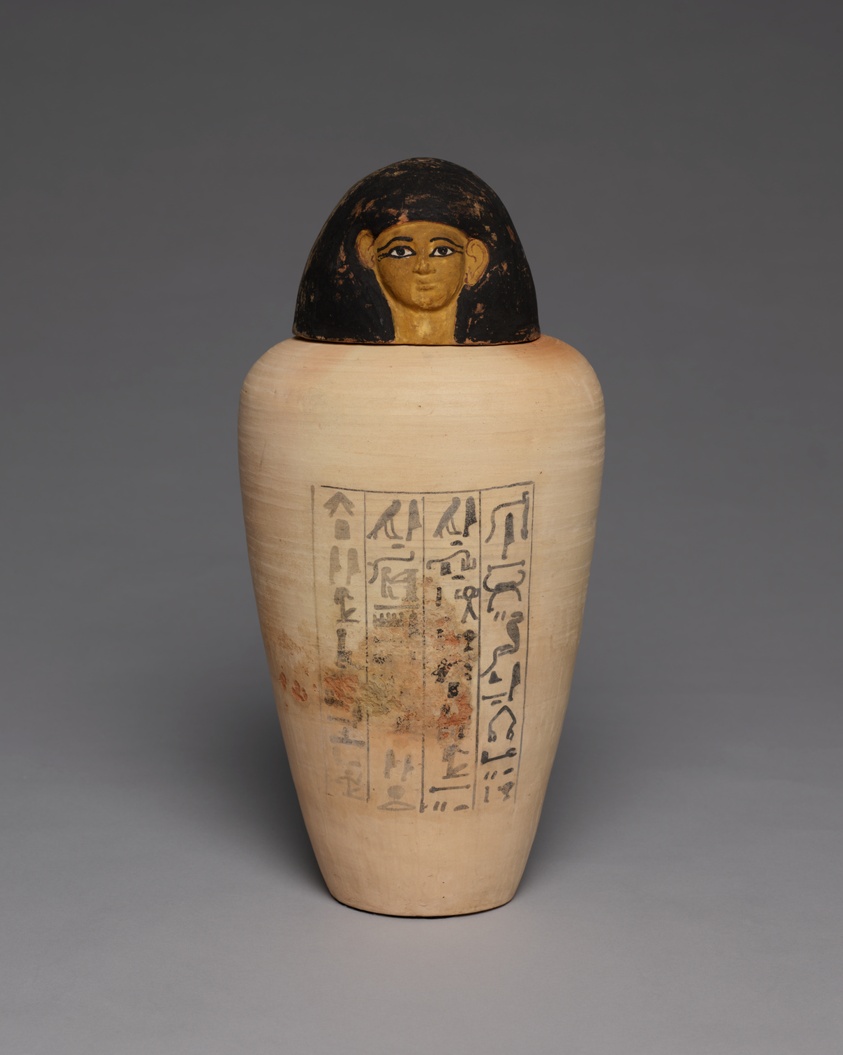
Canopic Jar of Amenhotep
Art Institute of Chicago
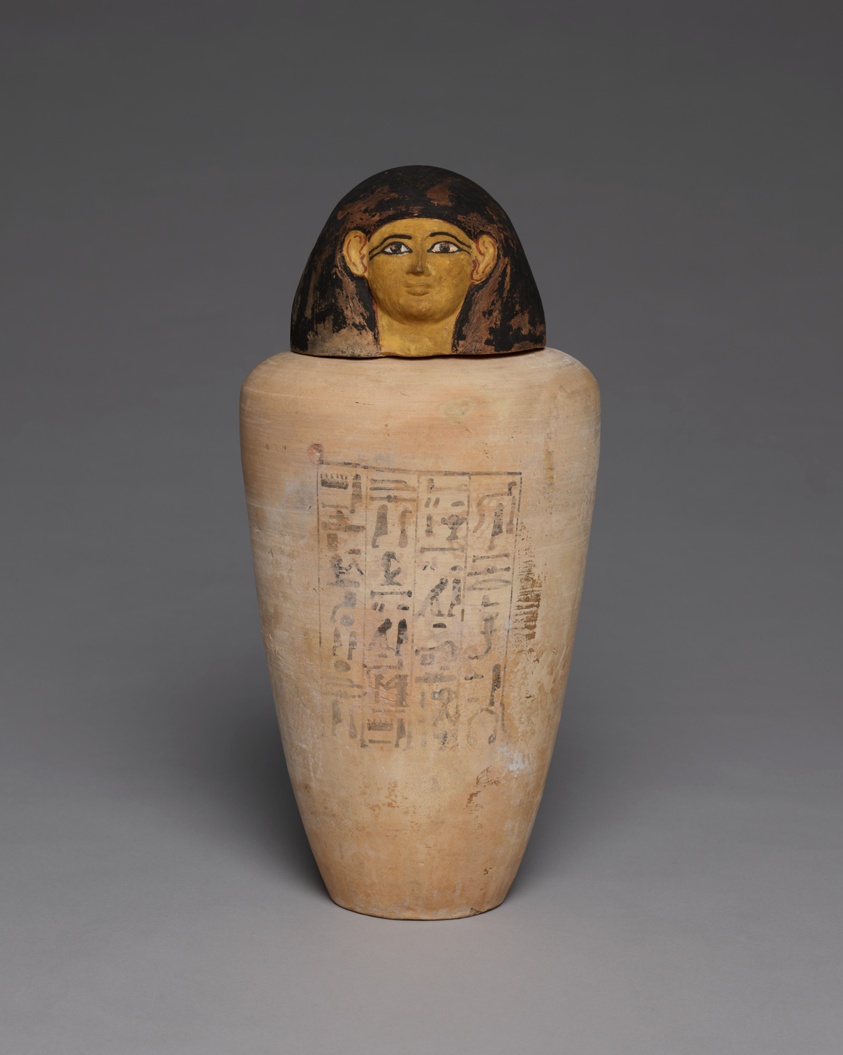
Canopic Jar of Amenhotep
Art Institute of Chicago

Gnathian Situla
Getty Museum