Cleveland Museum of Art
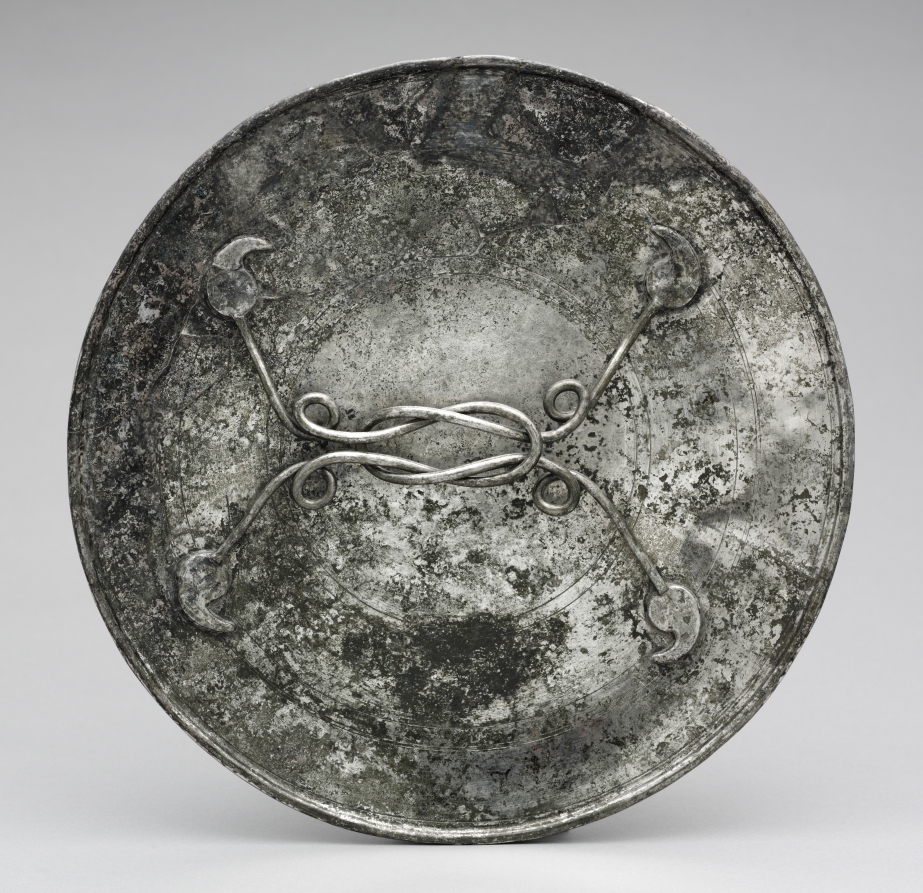
Mirror with a Handle in the Form of a Herakles Knot
- Date
- c. 280–400 CE
- Medium
- silver
- Culture
- Byzantium, Syria(?), Byzantine period
- Department
- Medieval Art
- Institution
- Cleveland Museum of Art
This type of mirror was introduced throughout the Roman Empire by the 2nd century and remained popular into the 3rd and 4th centuries. Similar examples have been found in Germany and Britain. The handle is made of two thick pieces of silver wire, intertwined to form a Herakles knot--a knot so complex that only someone as strong as Herakles could break it. In antiquity, knots of various kinds were believed to provide protection from harm.
The authoritative record is held by Cleveland Museum of Art. LinkedCulture surfaces this object and its connections; it does not alter institutional metadata.
Related across collections
Semantically similar works from Cleveland Museum of Art and other institutions.

Fragment of a Handle in the Shape of a Hercules Knot
Getty Museum
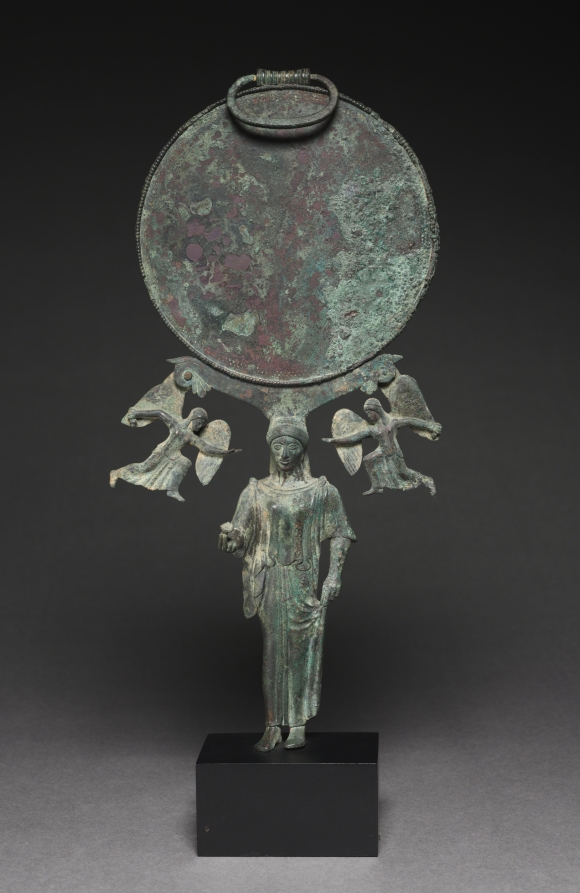
Mirror
Cleveland Museum of Art

Torque
Getty Museum
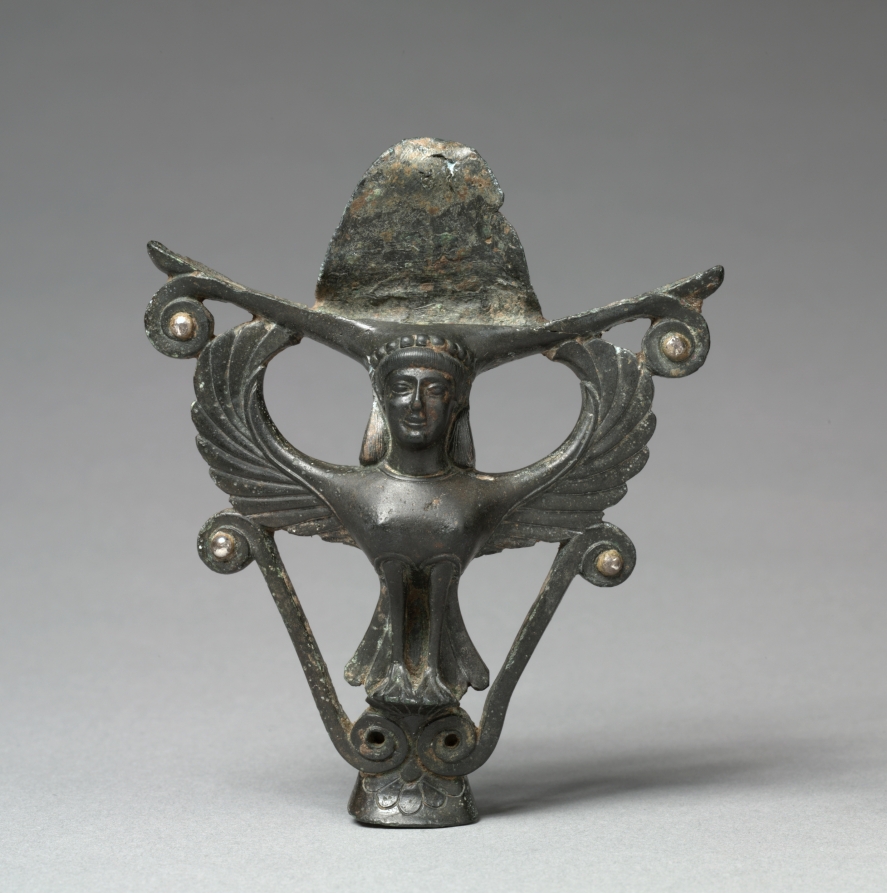
Mirror Support: Siren
Cleveland Museum of Art
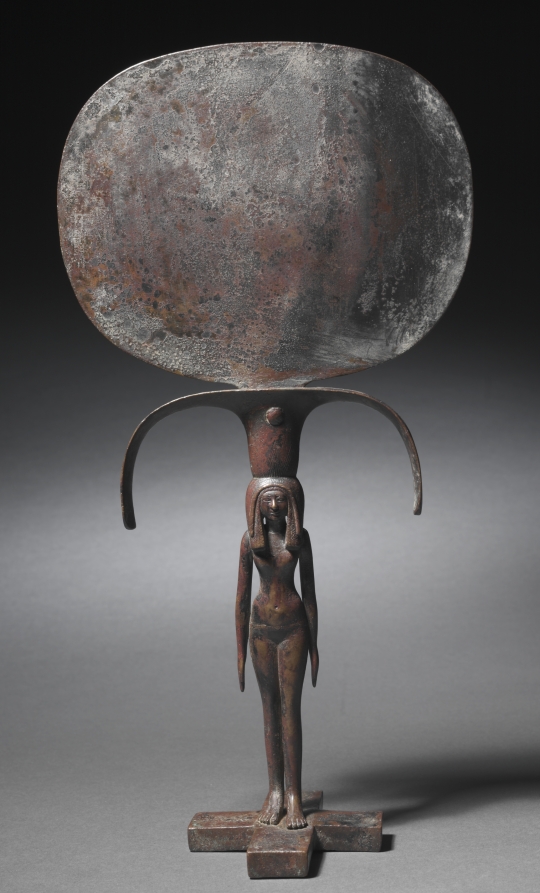
Caryatid Mirror
Cleveland Museum of Art

Handle with Pan Heads
Getty Museum
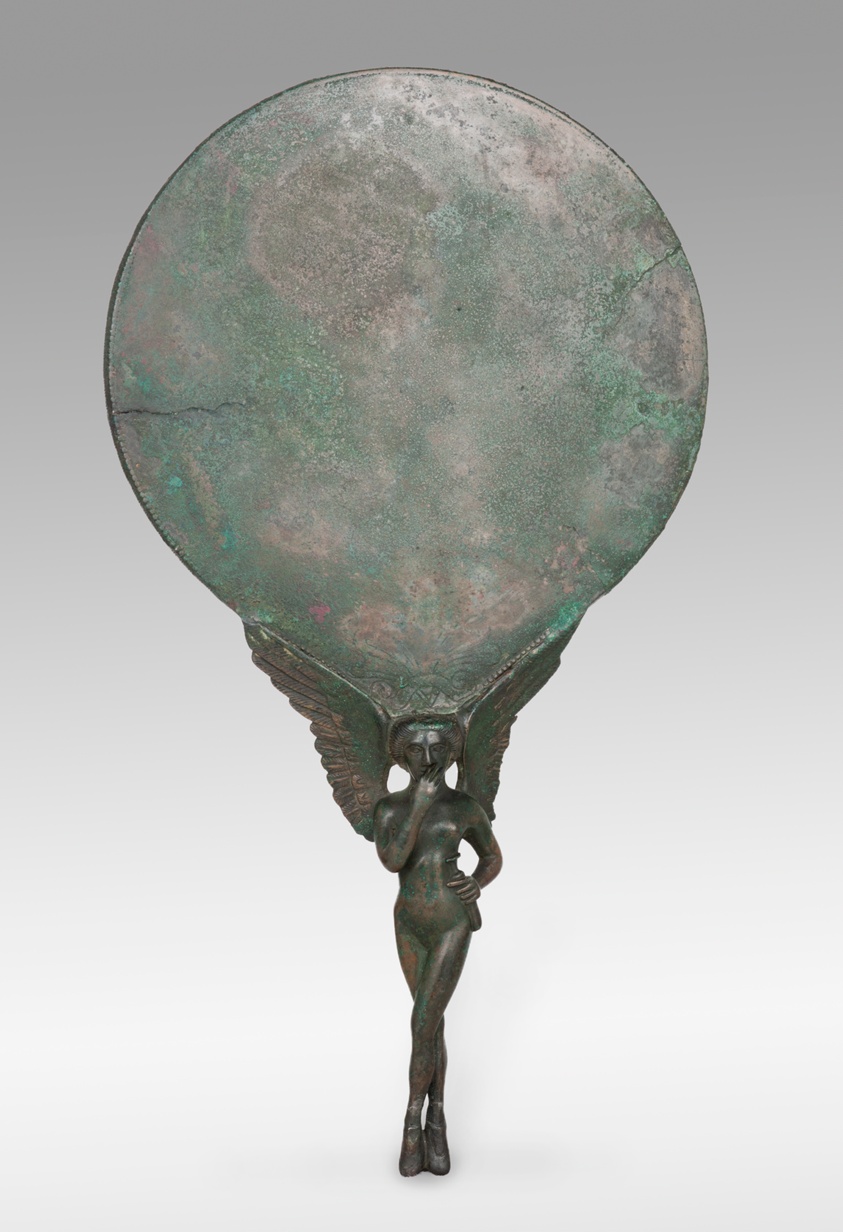
Mirror with a Handle in the Form of a Female Figure
Art Institute of Chicago
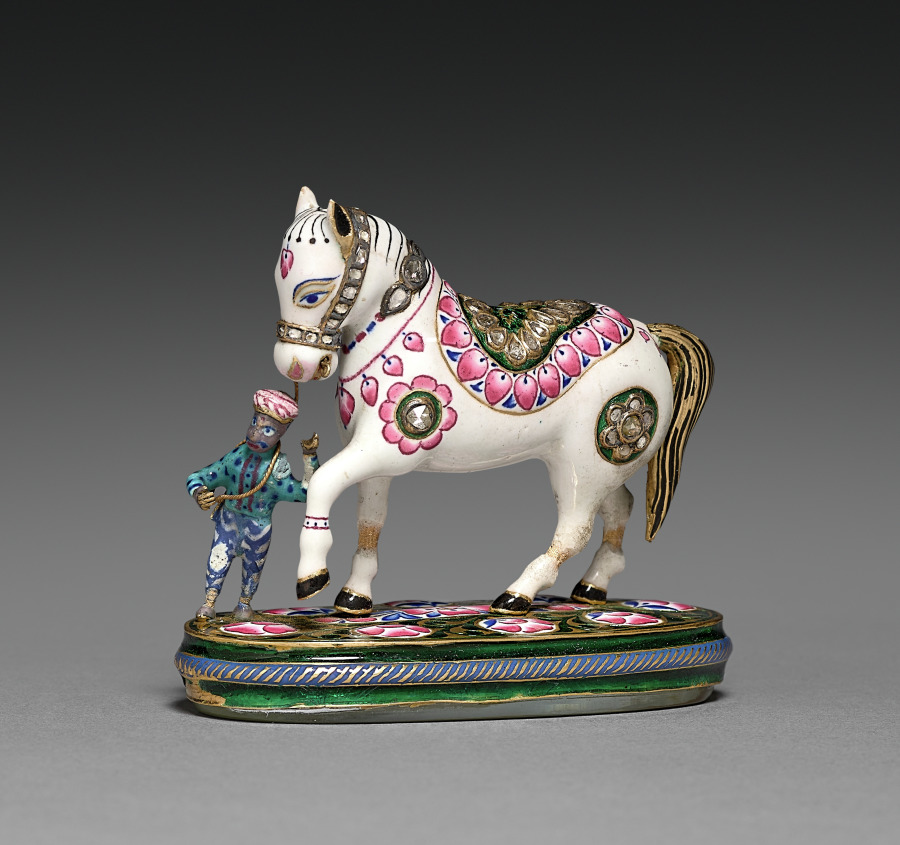
Ladies Hand Mirror with Horse as Handle
Cleveland Museum of Art
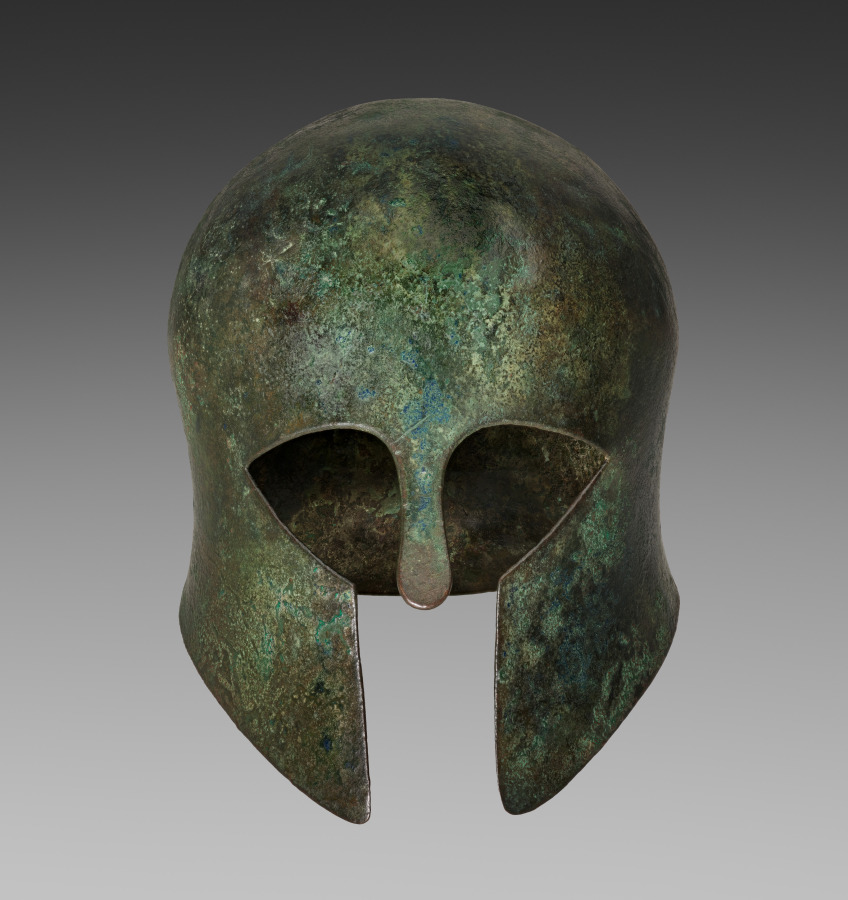
Corinthian Helmet
Cleveland Museum of Art
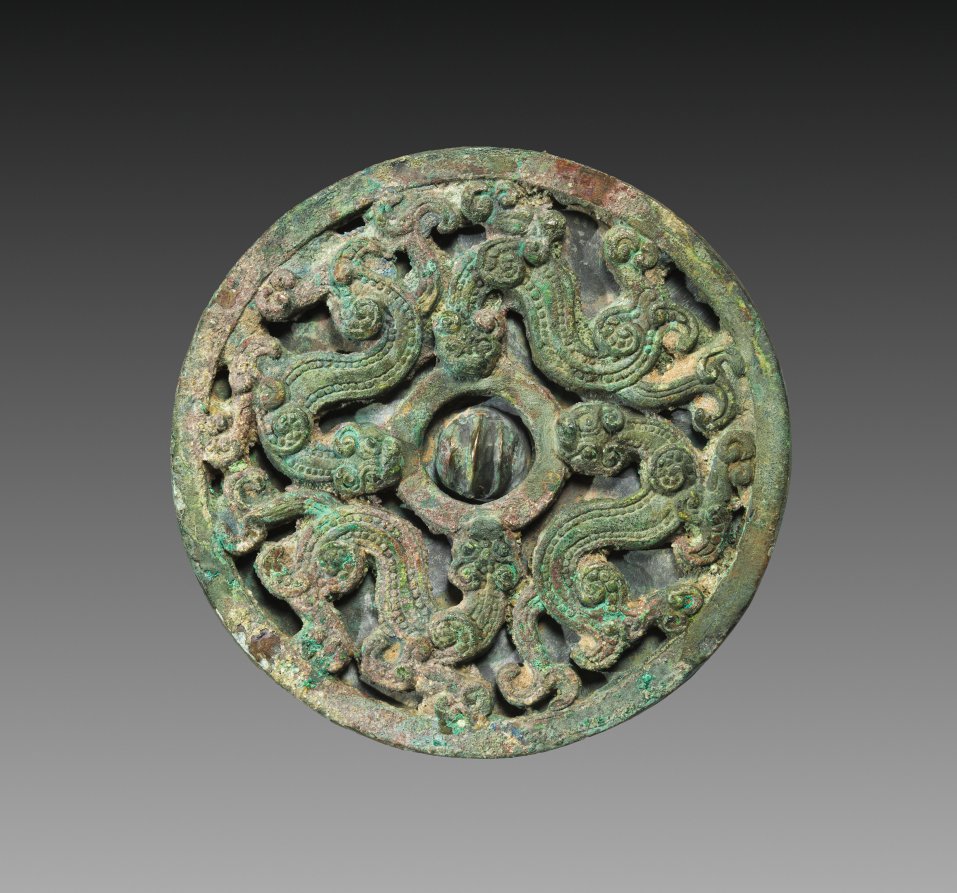
Double-tier Mirror
Cleveland Museum of Art
Mirror
Art Institute of Chicago
Mirror with Falcons
Cleveland Museum of Art