Cleveland Museum of Art
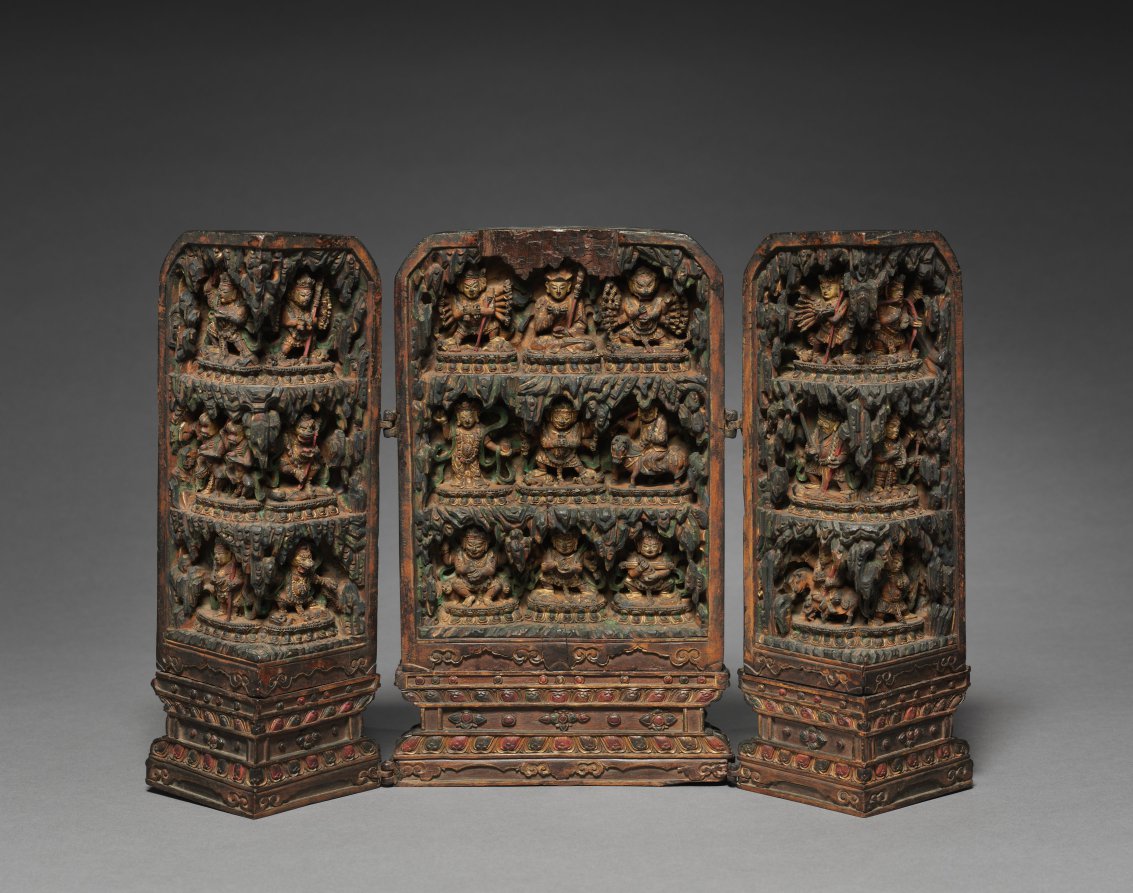
Portable Shrine
- Date
- c. 1500
- Medium
- wood with mineral pigments and metal
- Culture
- Tibet
- Department
- Indian and Southeast Asian Art
- Institution
- Cleveland Museum of Art
Carved from a solid section of a log, the shrine contains images of protectors of tantric Buddhism—a branch that developed in northern India and became prominent in the Himalayas by the 700s. The central figure in the top row is Padmasambhava (Indian, active in Tibet in the 740s), venerated as the founder of one of the four main Tibetan monastic orders. Incised on the exterior are images of protectors, mantras written in Tibetan script, and a sacred funerary monument called a stupa. Tantric practice emphasizes recitation of mantras that invoke the powers of compassion, wisdom, and protection. Tantric practice can be performed alone in any location; this shrine could be used by a traveling practitioner for meditation, visualization, prayer, and recitation of mantras.
The authoritative record is held by Cleveland Museum of Art. LinkedCulture surfaces this object and its connections; it does not alter institutional metadata.
Related across collections
Semantically similar works from Cleveland Museum of Art and other institutions.
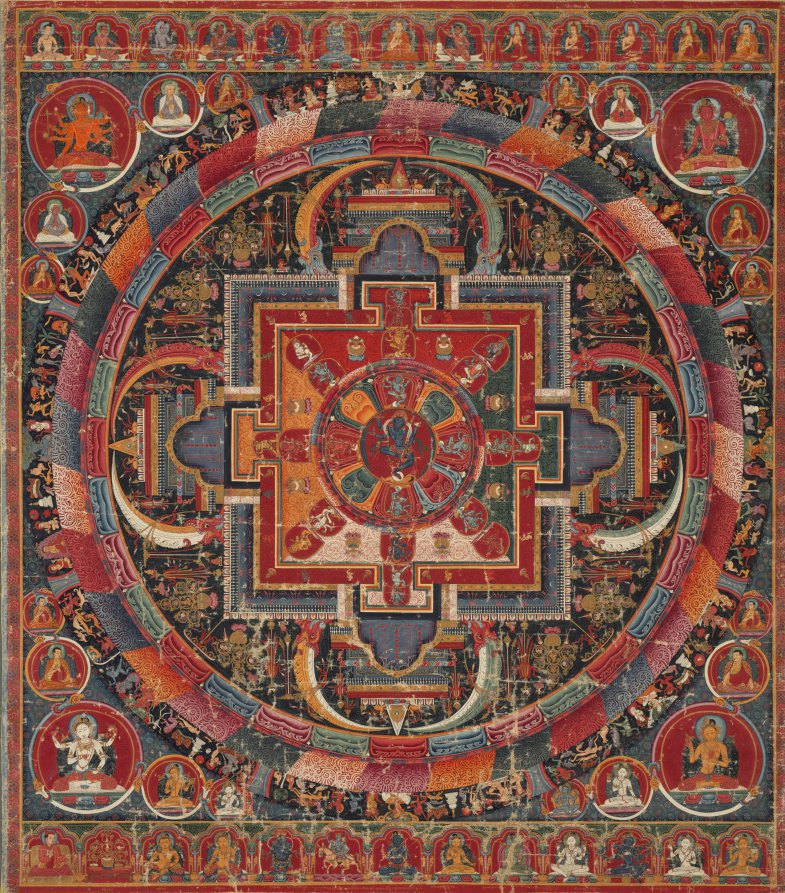
Twenty-three Deity Nairatma Mandala
Cleveland Museum of Art

Painted Banner (Thangka) of Shantarakshita (725-788 CE), an Indian Buddhist Scholar, Included with a Seven Thangka Set of the Sixteen Arhats (Elders)
Art Institute of Chicago

Thangka of an eleven-headed Avalokiteshvara
Minneapolis Institute of Art
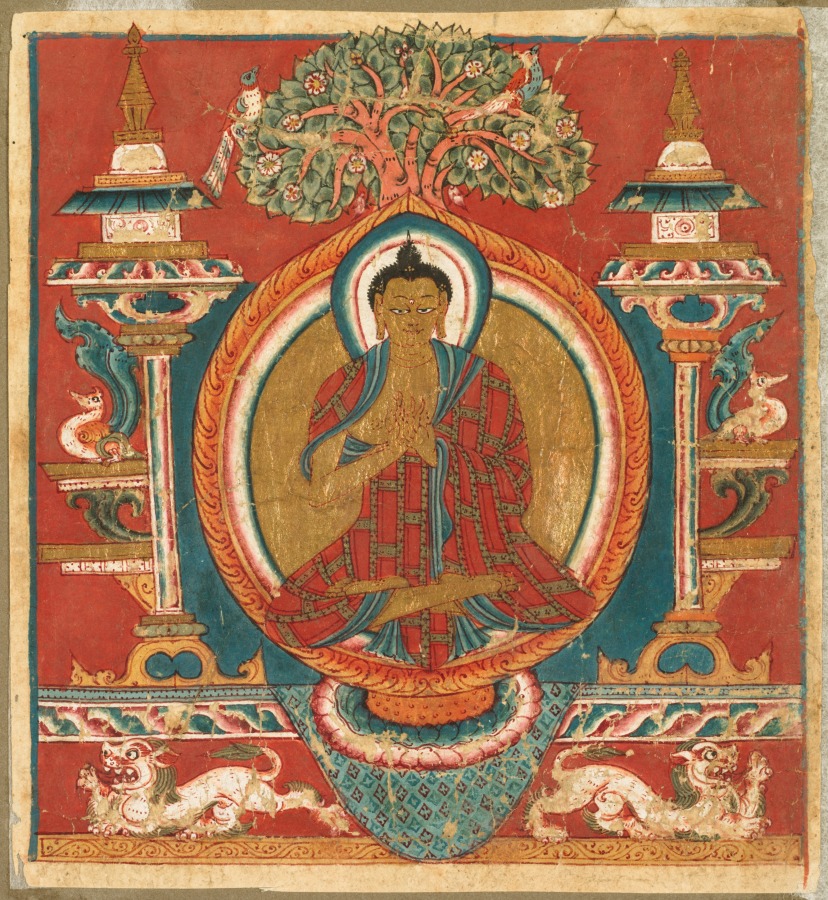
Votive initiation card (tsakali) with preaching Buddha Shakyamuni
Cleveland Museum of Art
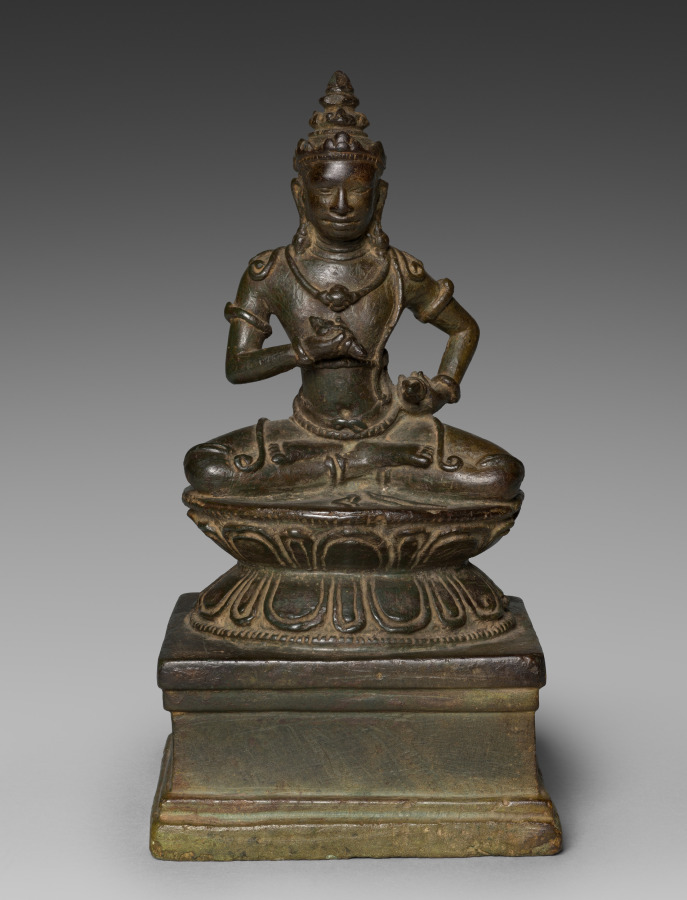
Vajrasattva
Cleveland Museum of Art
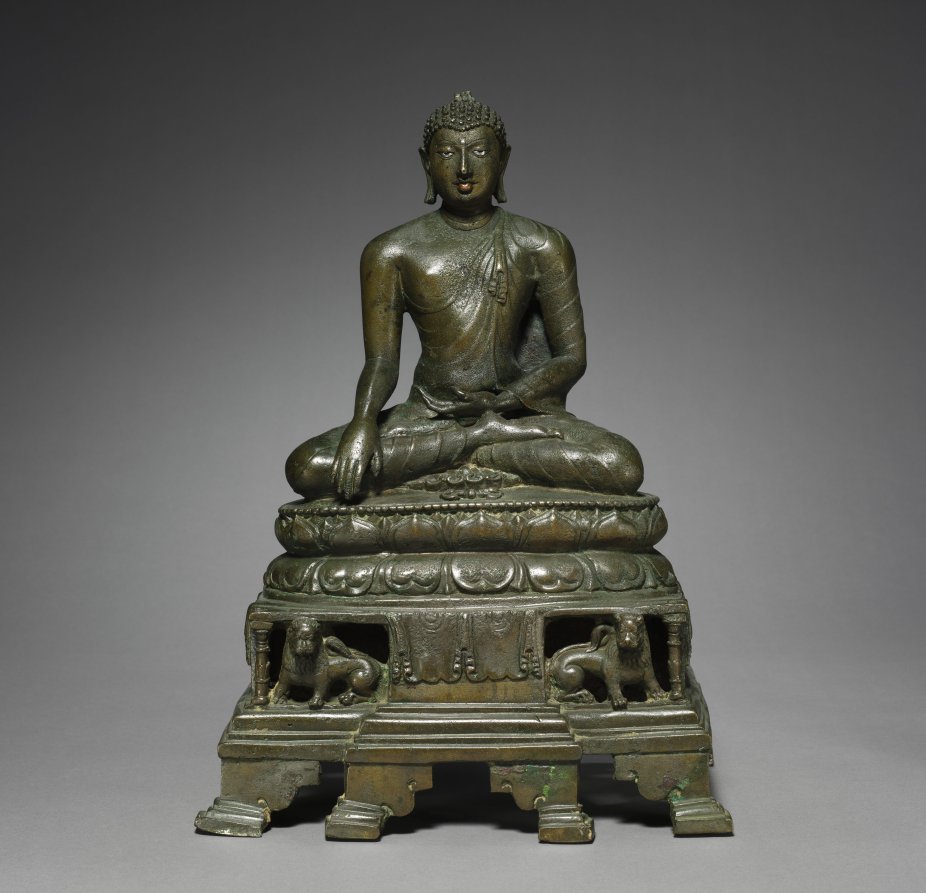
Akshobhya: the Buddha of the East
Cleveland Museum of Art
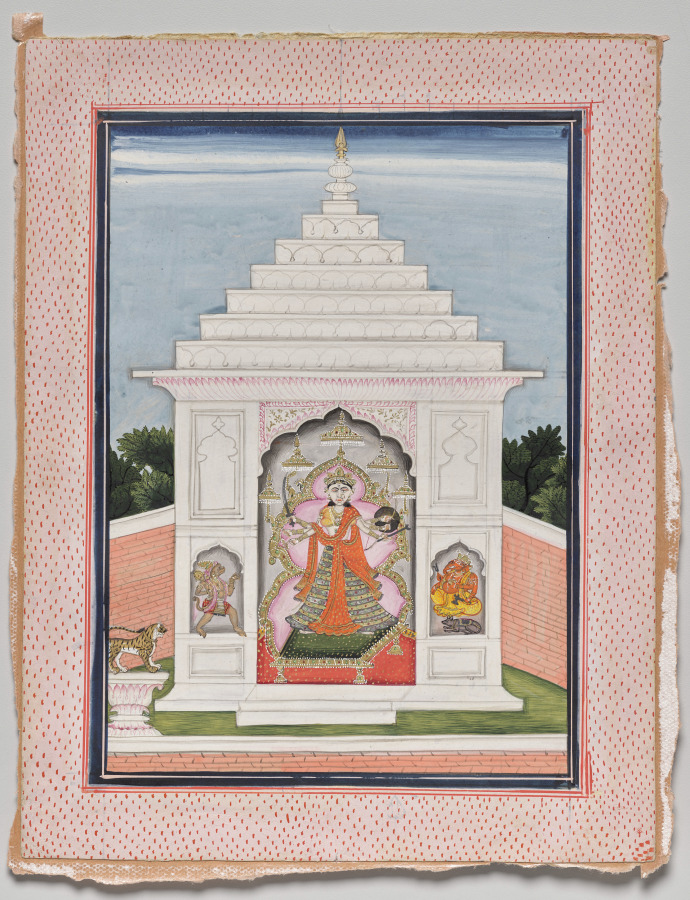
Devi Shrine
Cleveland Museum of Art
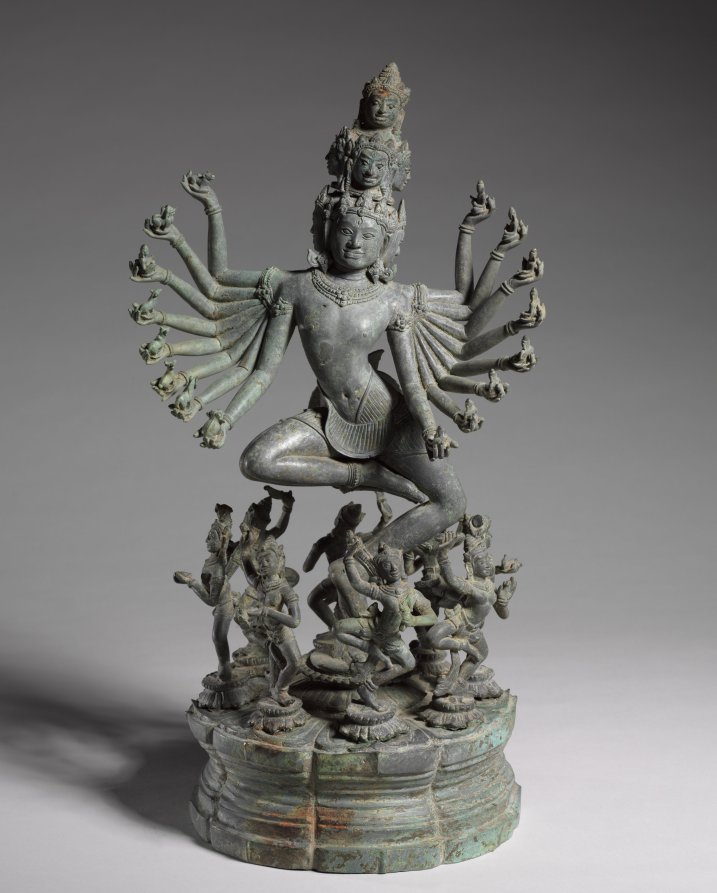
Hevajra
Cleveland Museum of Art
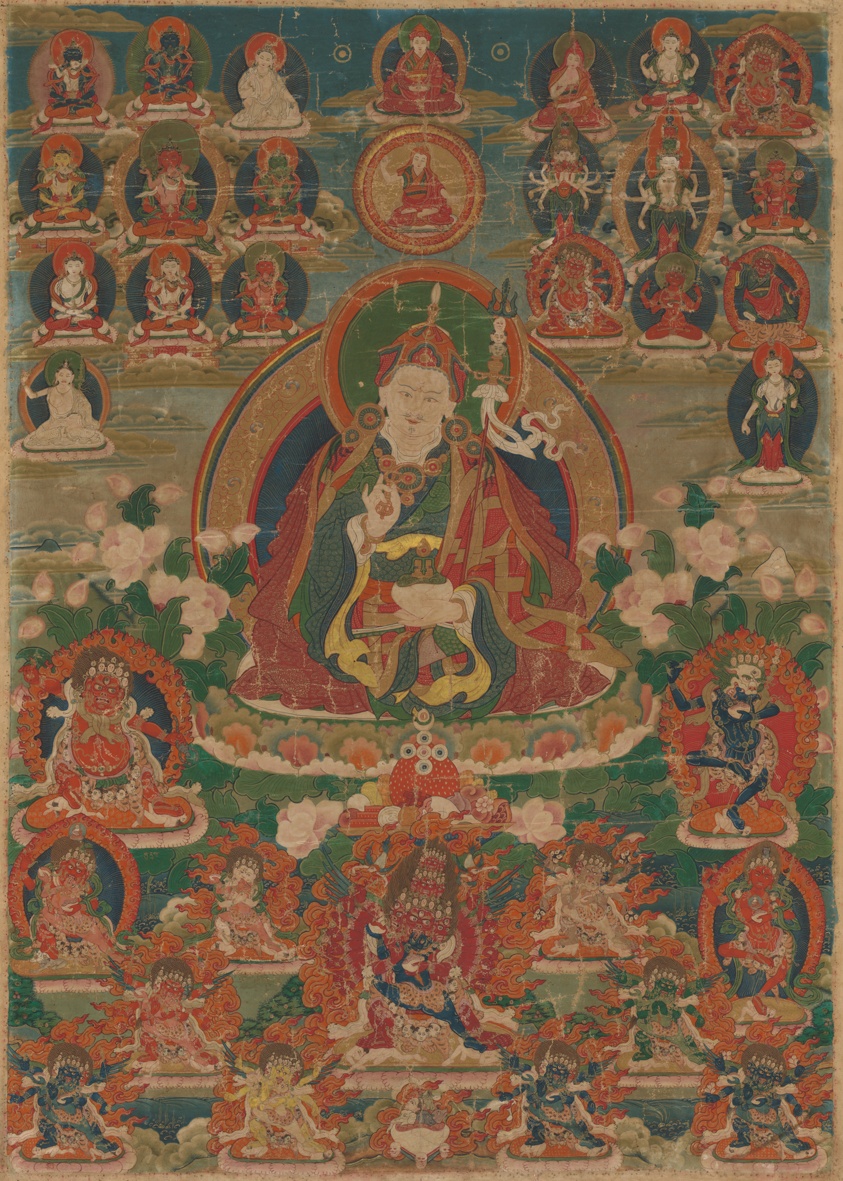
Painted Banner (Thangka) of Sage Guru Padmasambhava Seated Holding a Thunderbolt (Vajra) and Skull Cup (Kapala)
Art Institute of Chicago

Chorten
Minneapolis Institute of Art
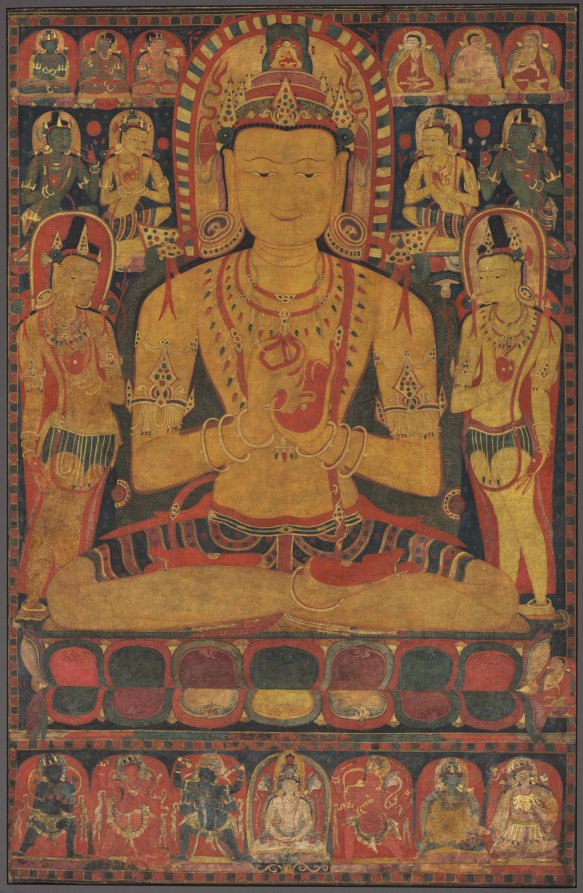
Tantric Buddha Vairochana as Vajrasattva
Cleveland Museum of Art
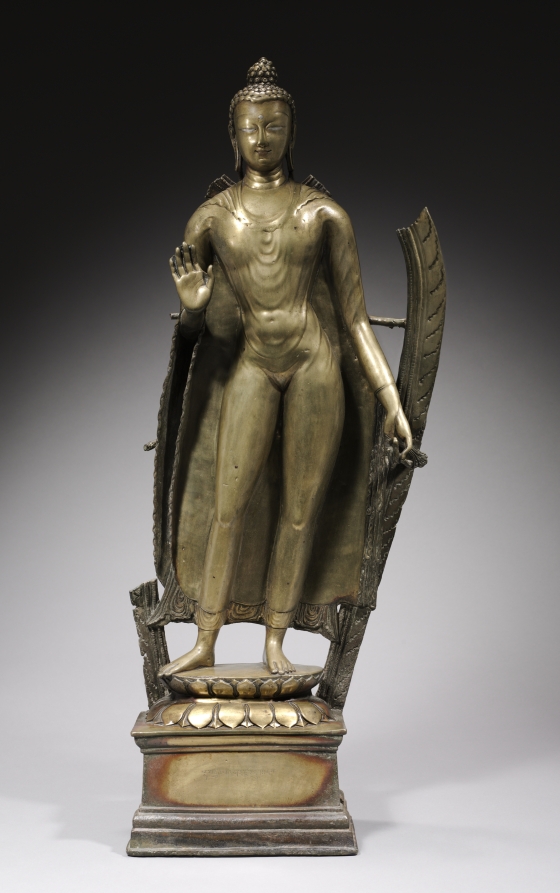
Standing Buddha
Cleveland Museum of Art