Cleveland Museum of Art
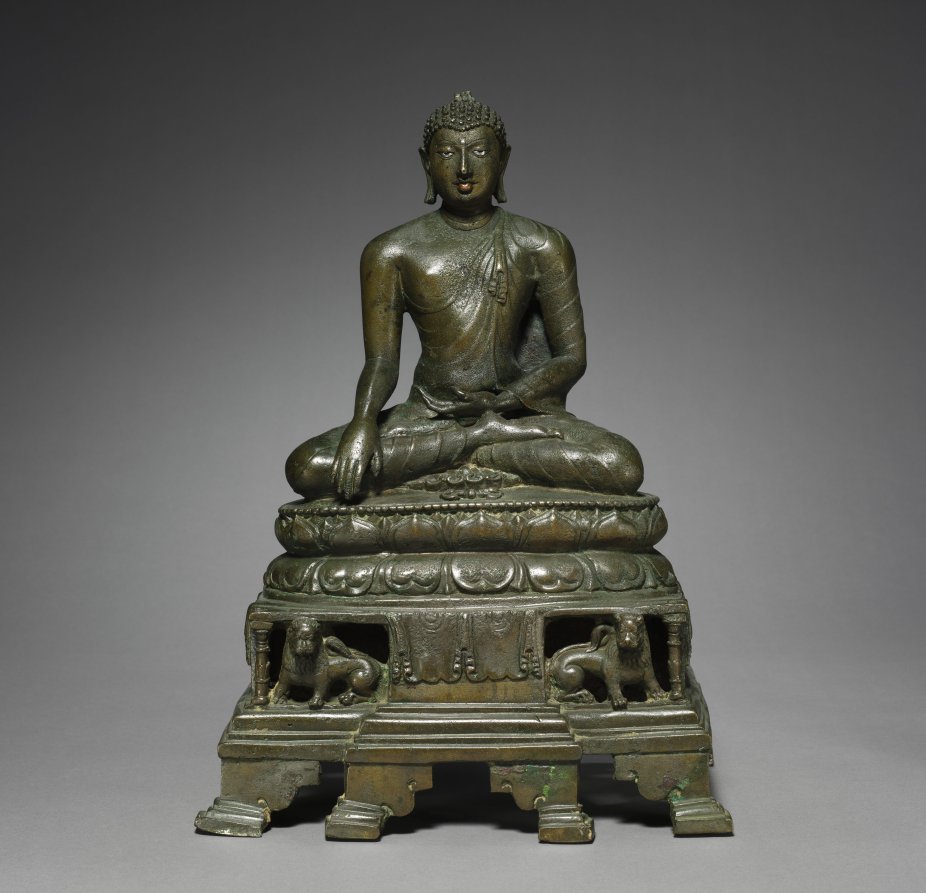
Akshobhya: the Buddha of the East
- Date
- late 800s
- Medium
- bronze with silver and copper inlay
- Culture
- Northeast India, Bihar, Kurkihar, Pala period
- Department
- Indian and Southeast Asian Art
- Institution
- Cleveland Museum of Art
Made during the Pala period (750-1134) when tantric imagery was first emerging in northeastern India, this sculpture is from a cache that yielded some of the most masterful works of the north Indian bronze tradition. From this region, Tantra spread to Southeast Asia. The double-headed thunderbolt, or vajra, placed on top of the pedestal in front of the figure indicates that this is a tantric image. His hand gestures identify him as one of the Five Cosmic Buddhas, each of whom is associated with a cardinal direction of space: north, south, east, west, and center. The Buddha Akshobhya is especially invoked to eradicate the harmful emotion of anger.
The authoritative record is held by Cleveland Museum of Art. LinkedCulture surfaces this object and its connections; it does not alter institutional metadata.
Related across collections
Semantically similar works from Cleveland Museum of Art and other institutions.
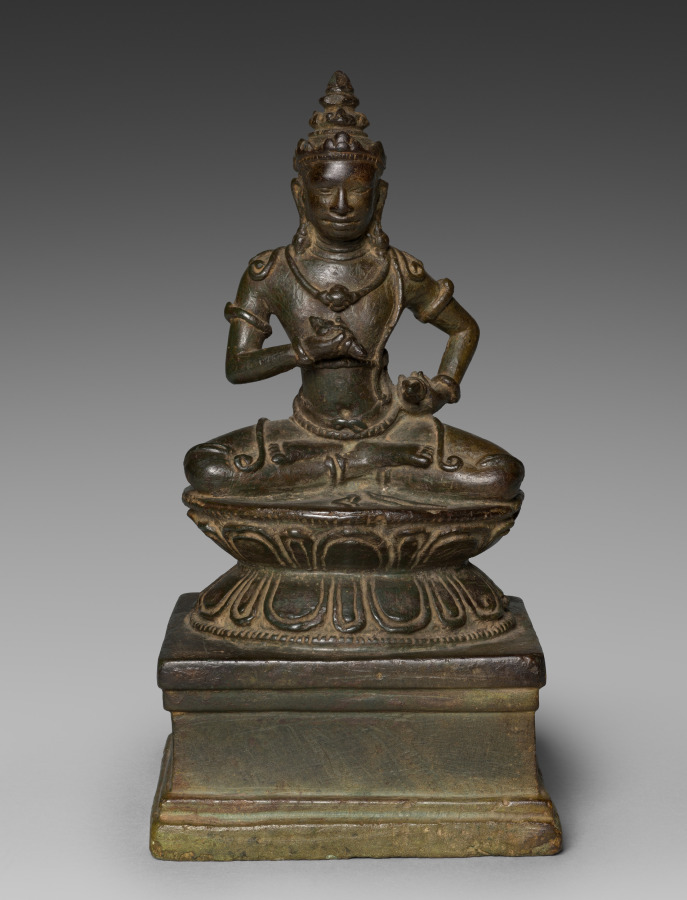
Vajrasattva
Cleveland Museum of Art
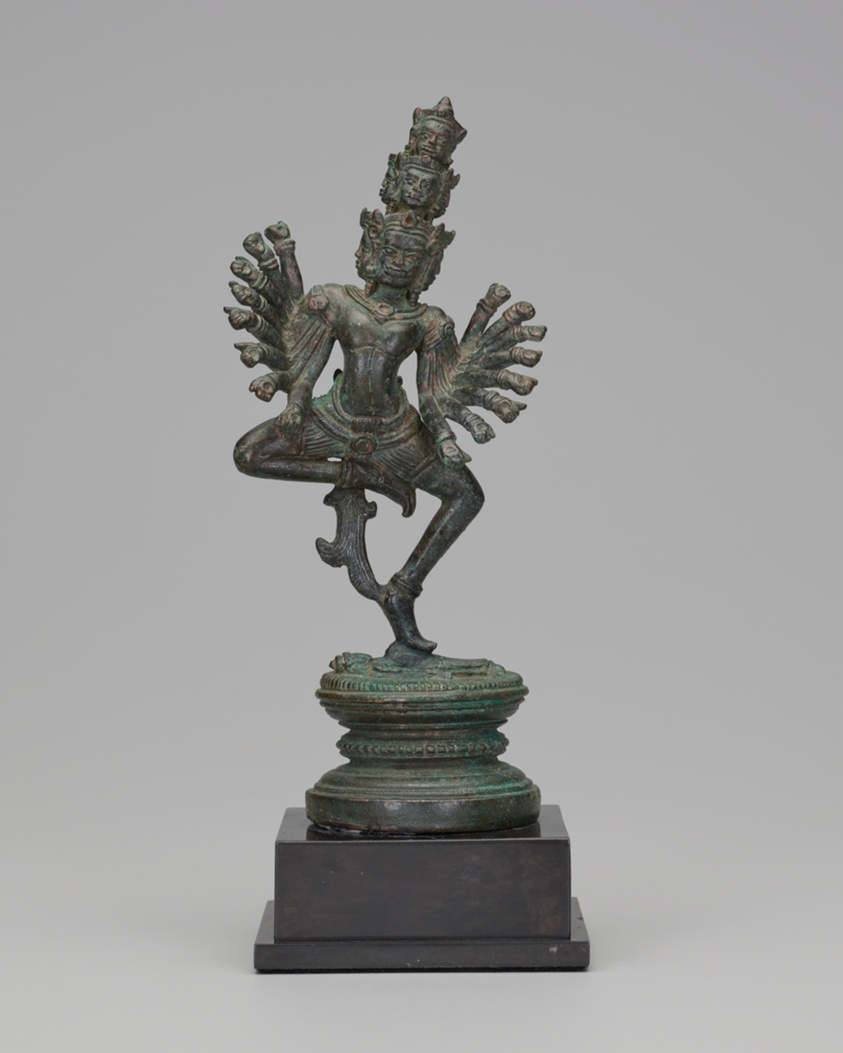
Dancing Hevajra (<em>Ardhaparyanka</em>)
Art Institute of Chicago

Lotus-Enthroned Buddha Akshobhya, the Transcendent Buddha
The Metropolitan Museum of Art

Ratnasambhava, Akshobhya, Vairochana with attendants, Amitabha, and Amoghasiddhi, Top cover, from a Manuscript of the Perfection of Wisdom in Eight Thousand Lines (Ashtasahasrika Prajnaparamita-sutra)
Cleveland Museum of Art
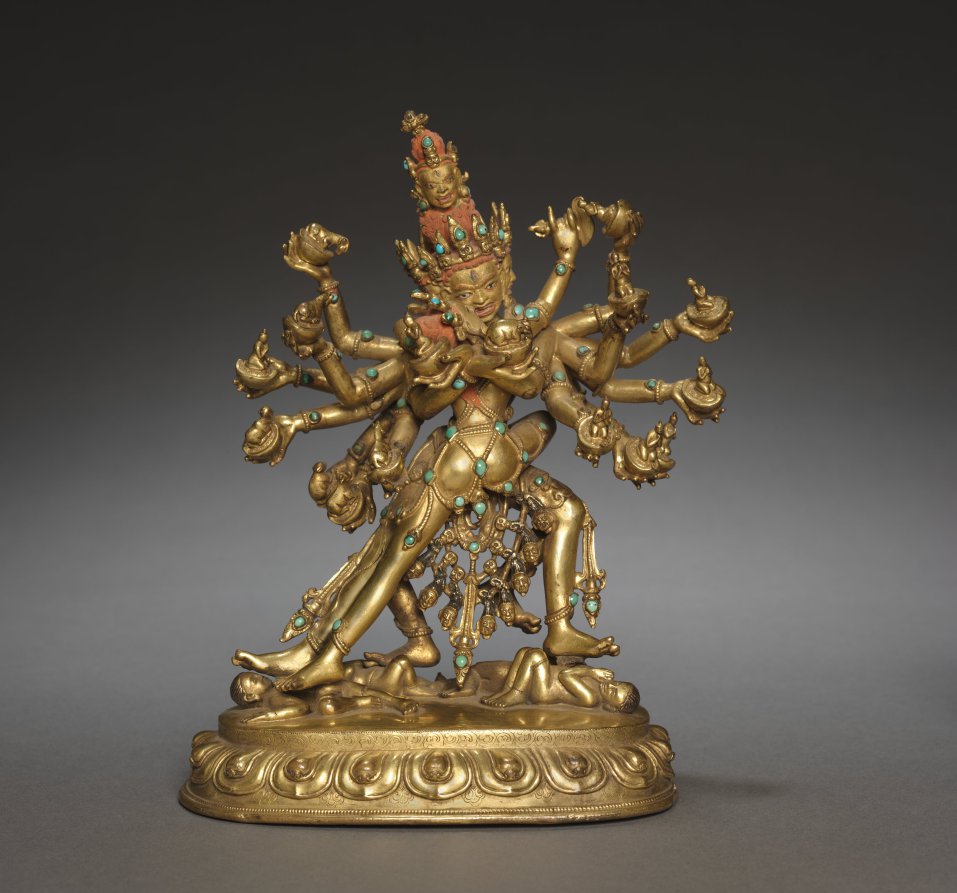
Hevajra and Consort
Cleveland Museum of Art
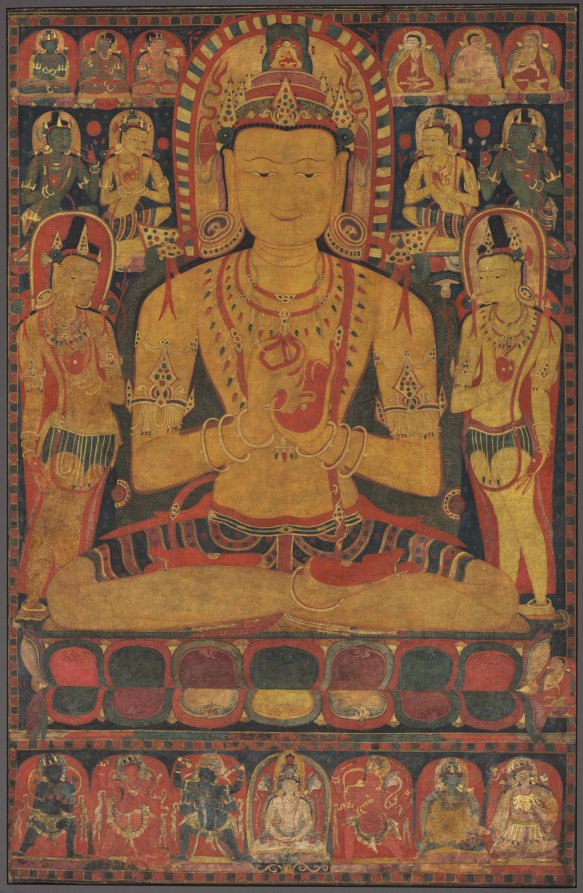
Tantric Buddha Vairochana as Vajrasattva
Cleveland Museum of Art
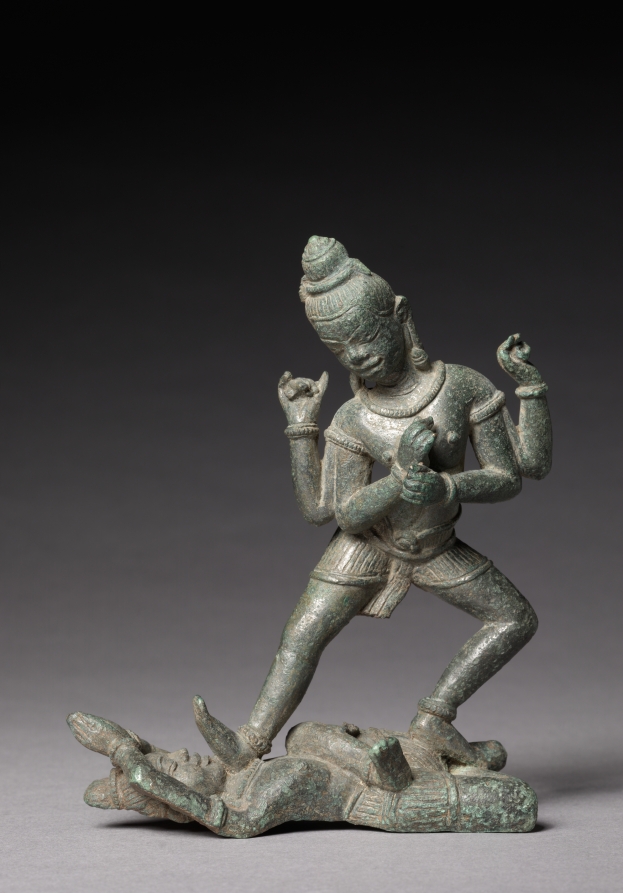
Shamvara
Cleveland Museum of Art
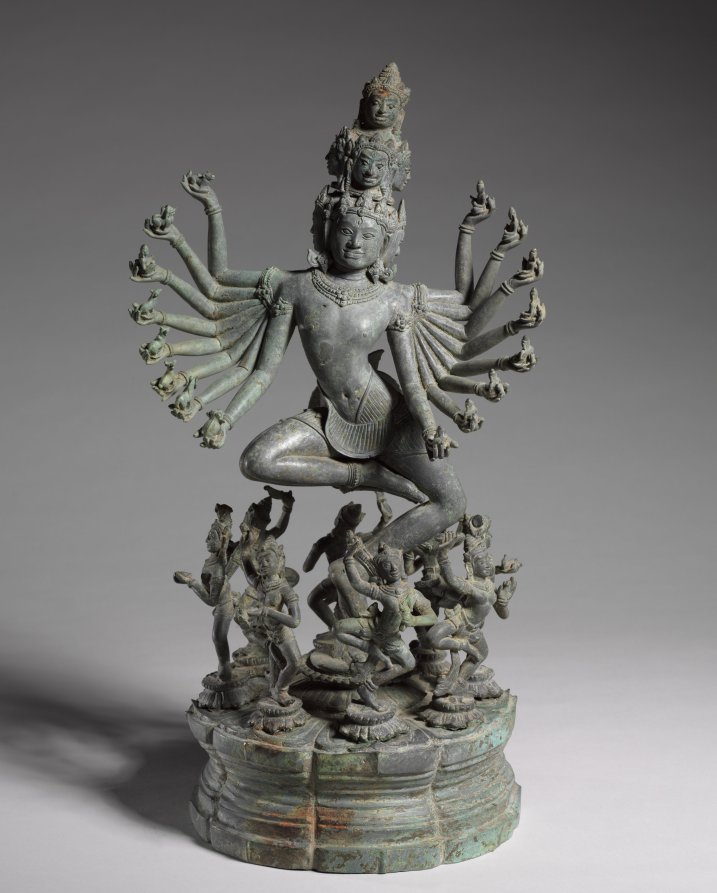
Hevajra
Cleveland Museum of Art
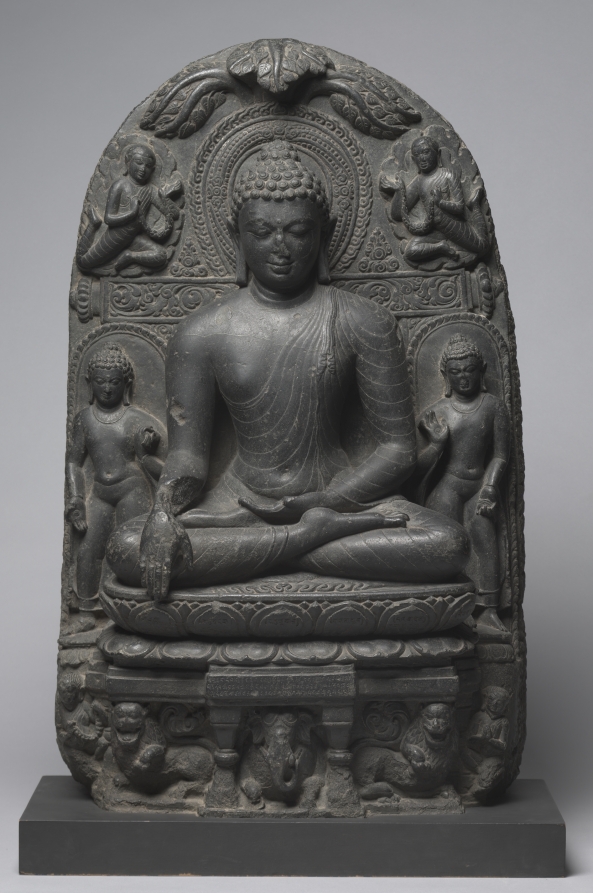
Buddha Calling on Earth to Witness
Cleveland Museum of Art
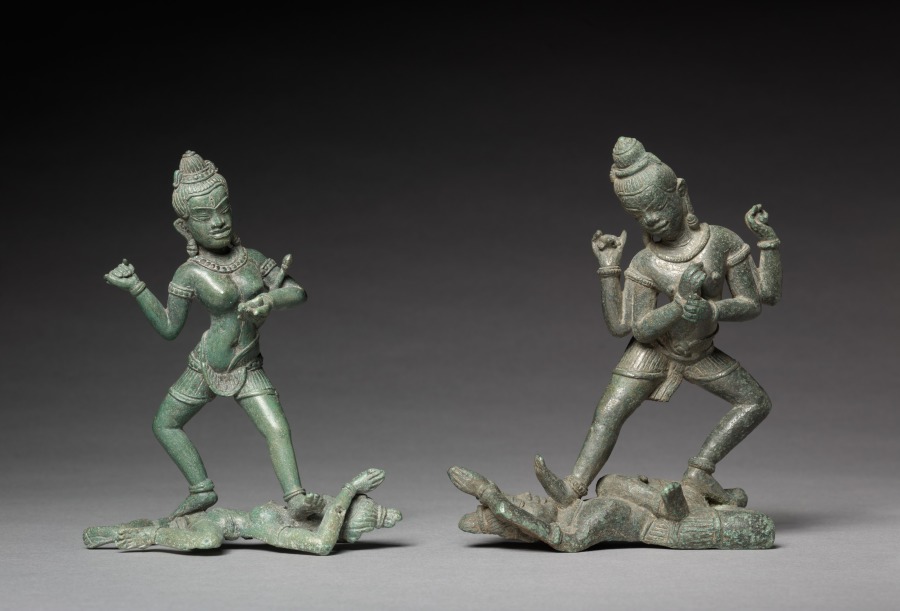
Shamvara and A Dakini
Cleveland Museum of Art
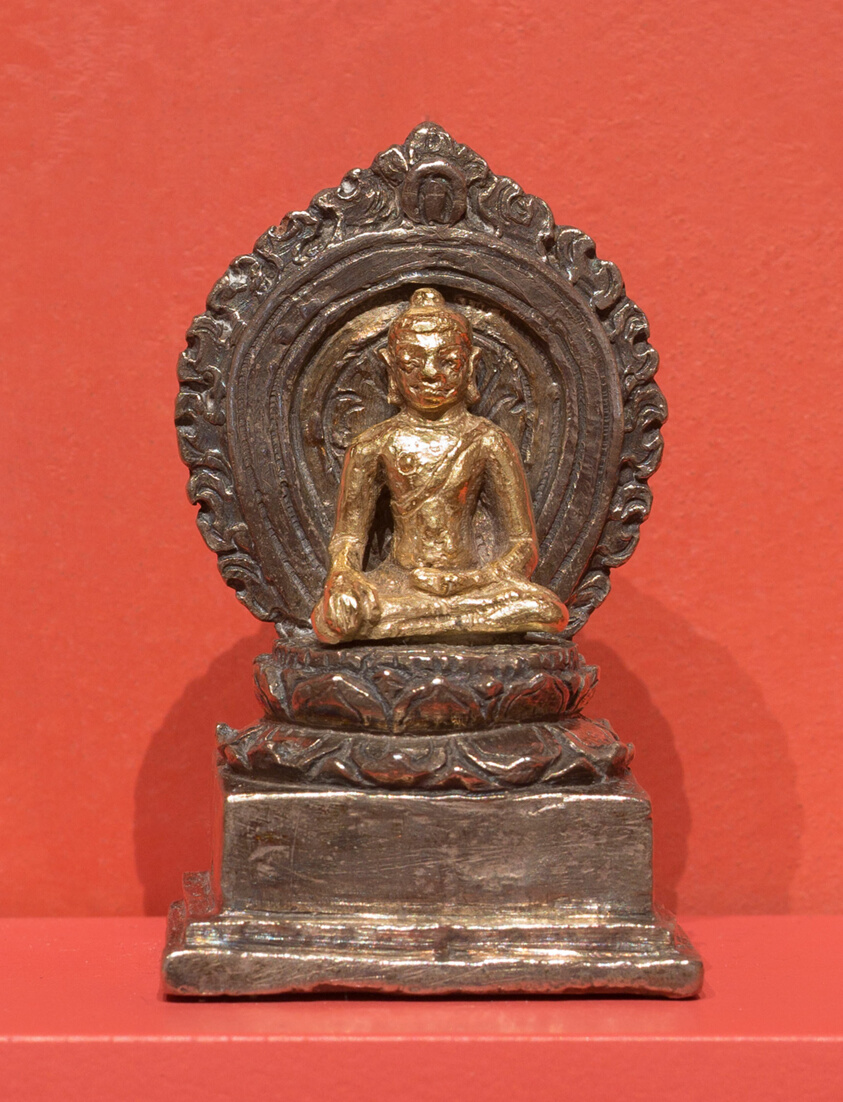
Transcendent Buddha Akshobhya
Art Institute of Chicago
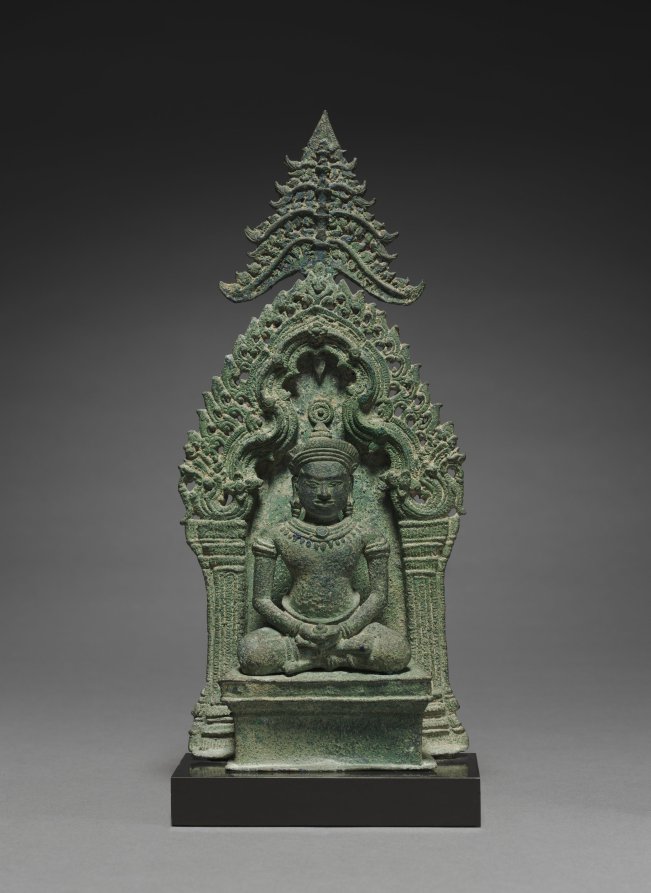
Altarpiece with Buddha Enthroned
Cleveland Museum of Art