Cleveland Museum of Art
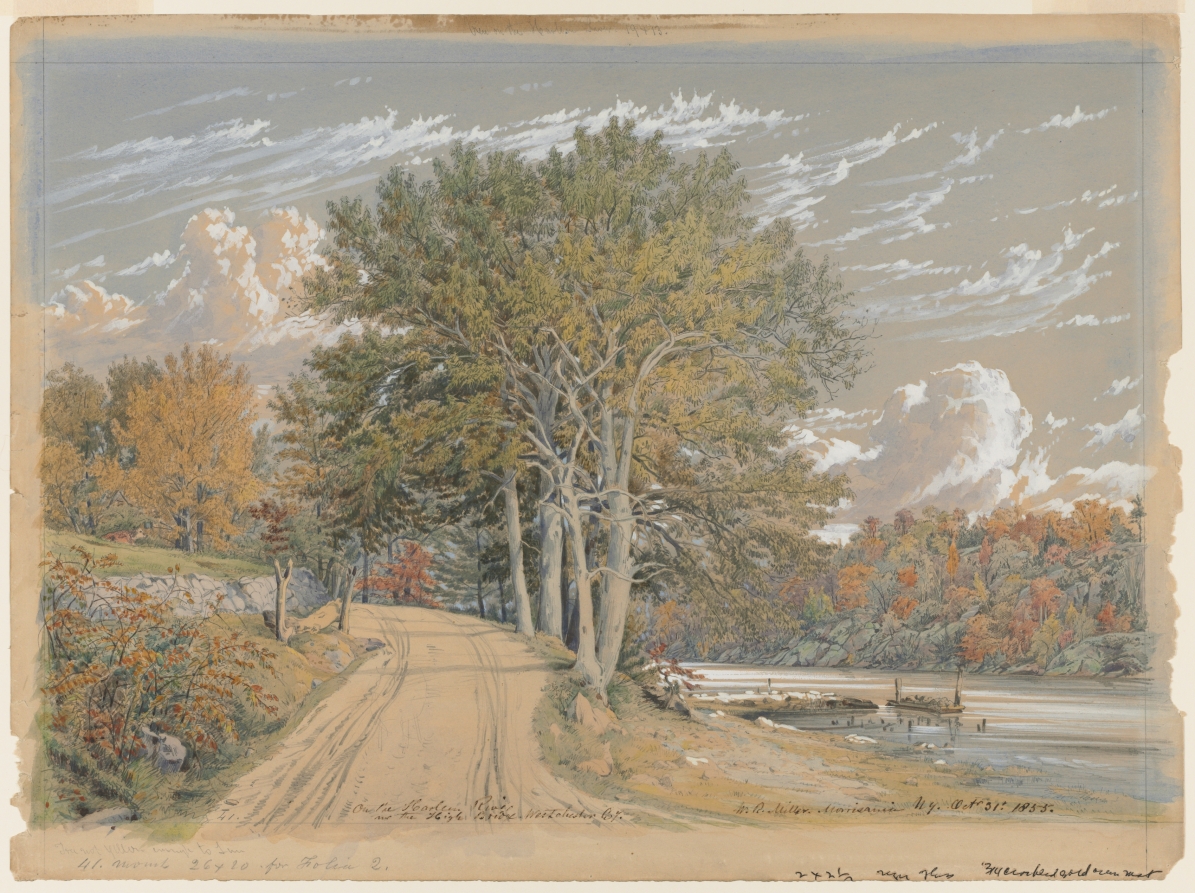
On the Harlem River
William Rickarby Miller
- Date
- 1855
- Medium
- watercolor with gouache, over graphite, framing lines in graphite
- Culture
- America
- Department
- Drawings
- Institution
- Cleveland Museum of Art
When William Rickarby Miller arrived in America from England in 1845, he found watercolor painting in a dismal state—“a branch of Painting scarcely at all cultivated here.” Nonetheless, Miller made his living producing watercolors for print publications, depicting picturesque American woodlands with the staid British technique of his training. In On the Harlem River, Miller overlays delicate graphite line work with tints of luminous watercolor and dense gouache, capturing the color and light effects of a crisp autumn day. His meticulous transcription of individual leaves, branches, and stones displays his technical finesse, as well as his interest in documenting the particularities of nature. He shared this preoccupation with the Hudson River School, a mid-century American landscape painting movement whose members used detailed, on-site drawings of natural subjects as aids in making oil paintings. Miller’s great innovation was to marry the Hudson River manner to the medium of watercolor, anticipating the landscapes of American watercolorists in the decades to follow. The tall trees at the center of Miller’s composition appear to be American sycamores, deciduous trees with creamy bark and spiky round fruit that grow in moist soil near streams and riverbanks.
The authoritative record is held by Cleveland Museum of Art. LinkedCulture surfaces this object and its connections; it does not alter institutional metadata.
Related across collections
Semantically similar works from Cleveland Museum of Art and other institutions.
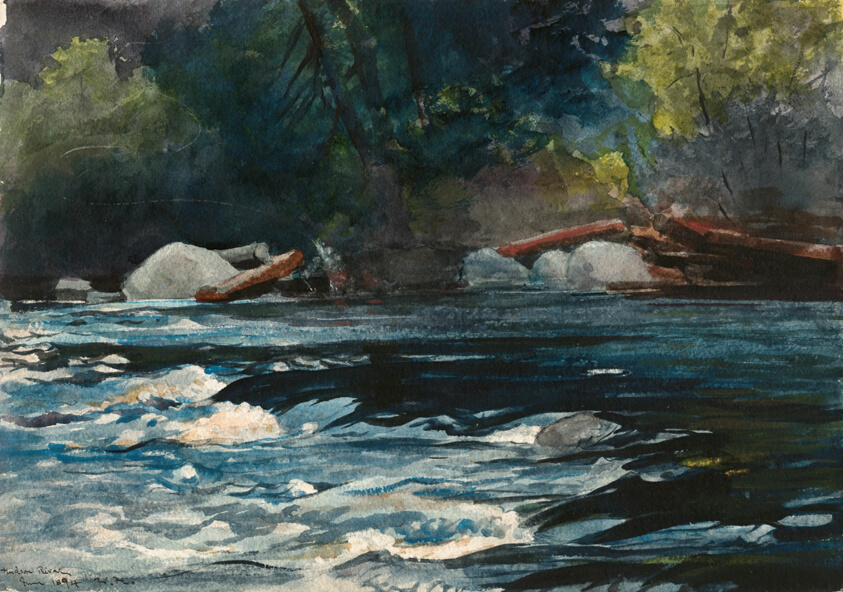
The Rapids, Hudson River, Adirondacks
Art Institute of Chicago
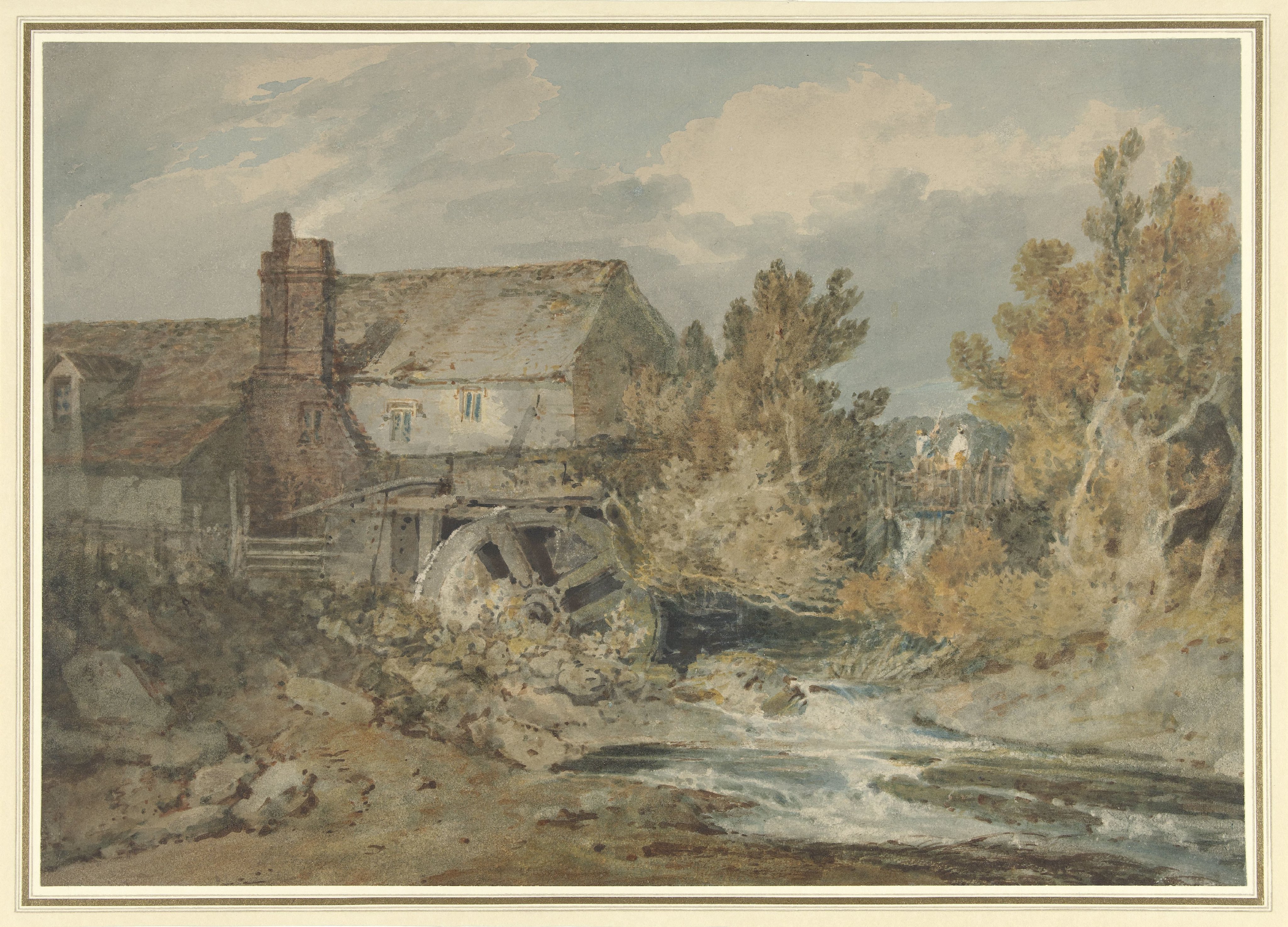
Watermill near a Flowing Brook
Rijksmuseum

The Parasol
Minneapolis Institute of Art
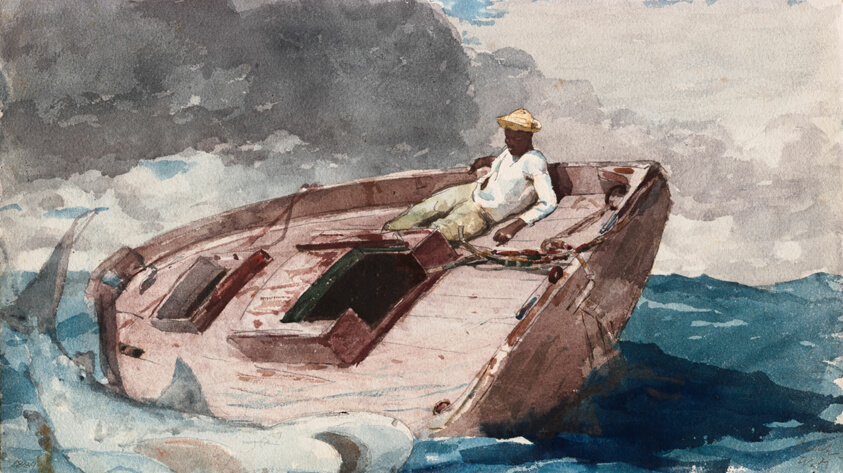
The Gulf Stream
Art Institute of Chicago

Preston Ponds, Adirondacks
Minneapolis Institute of Art

Hudson River Landscape
Minneapolis Institute of Art
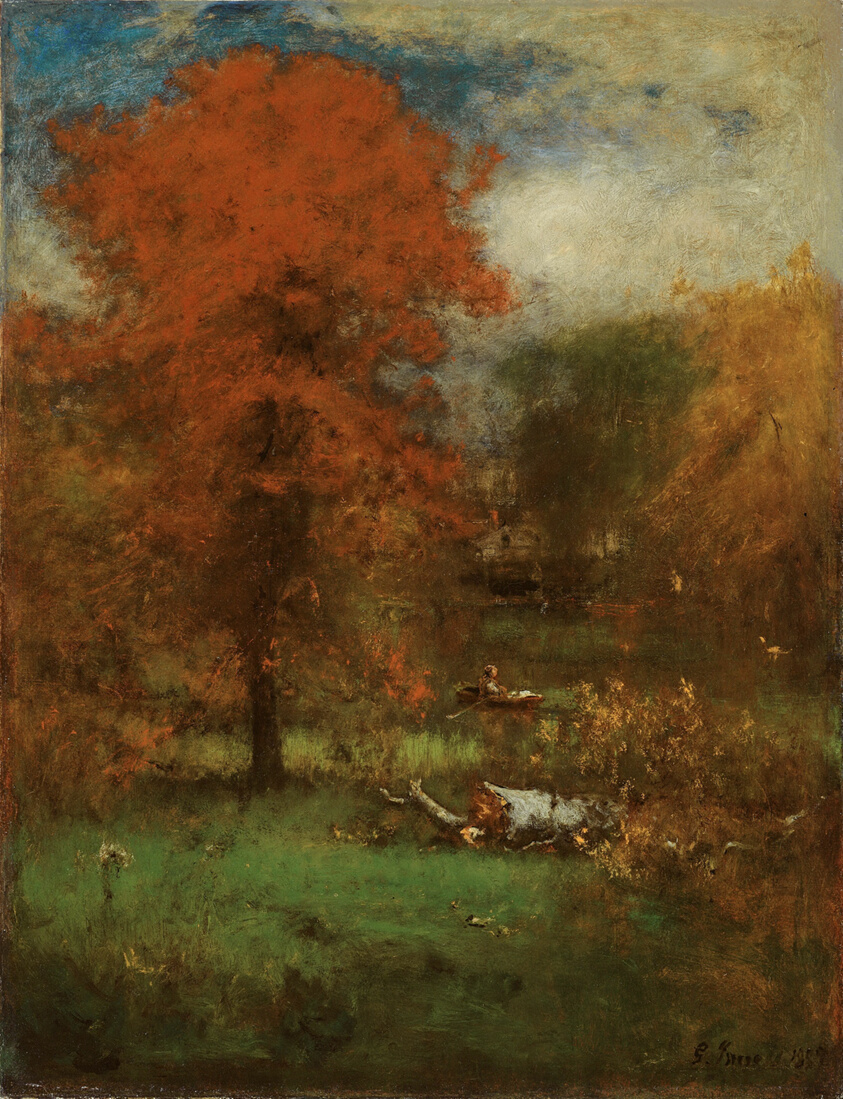
The Mill Pond
Art Institute of Chicago

The Mill Stream, Montclair, New Jersey
Minneapolis Institute of Art
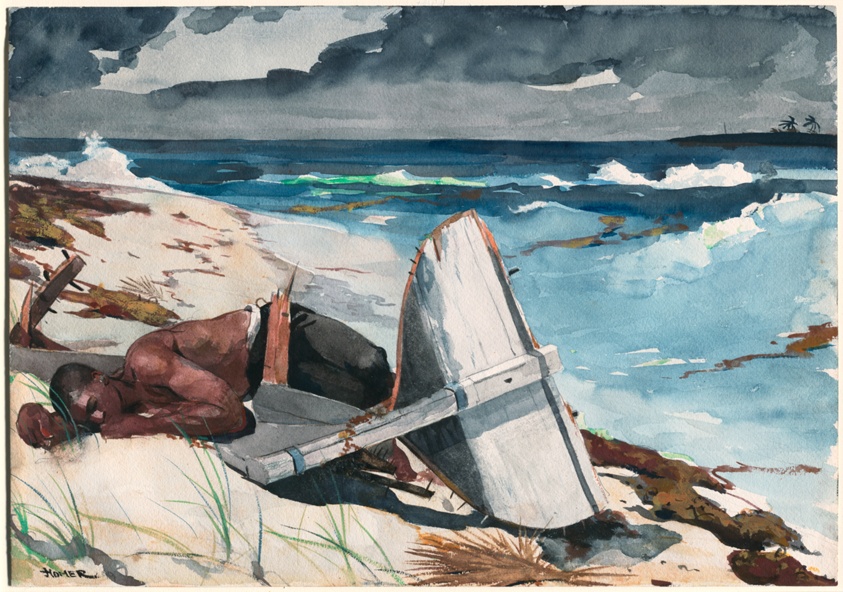
After the Hurricane, Bahamas
Art Institute of Chicago

Landscape
Minneapolis Institute of Art

Quiet Seascape
Minneapolis Institute of Art
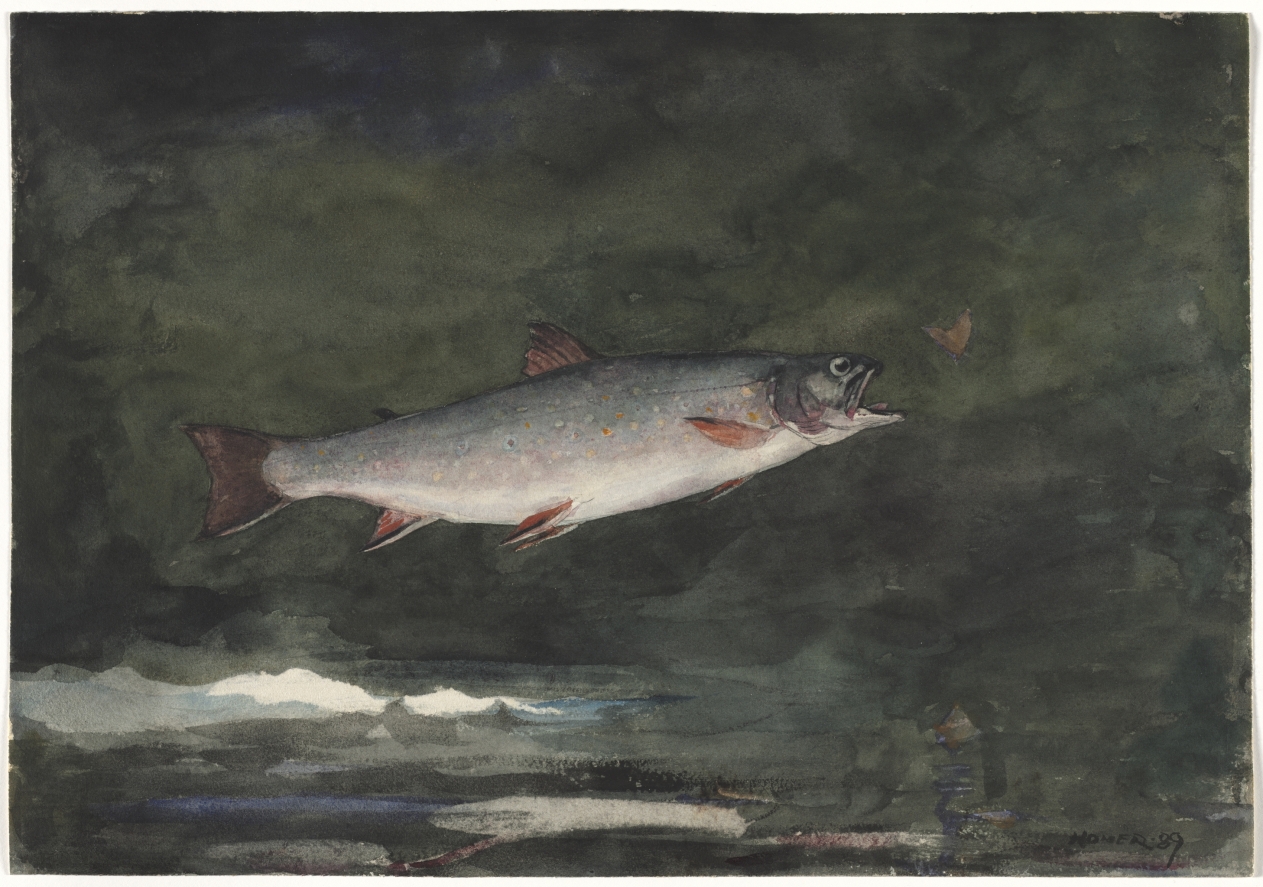
Leaping Trout
Cleveland Museum of Art