Cleveland Museum of Art
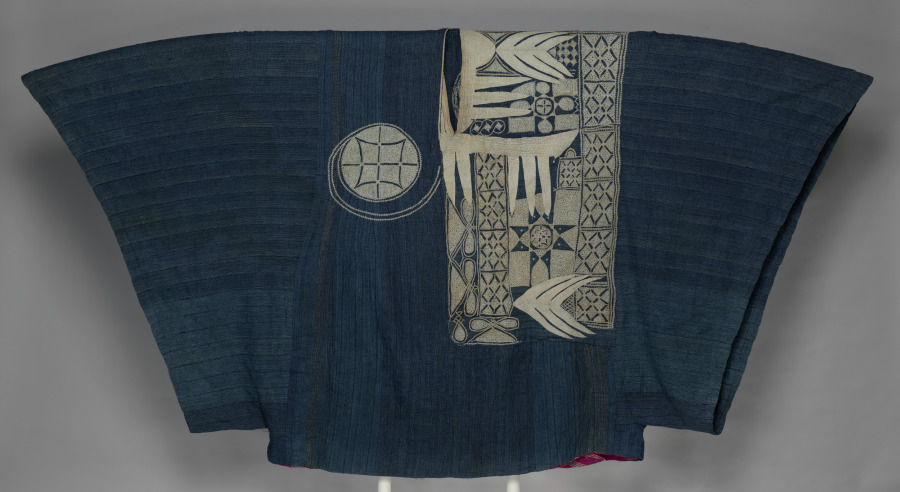
Prestige robe (riga)
- Date
- late 1800s–by 1910
- Medium
- Cotton, silk, and indigo
- Culture
- Africa, West Africa, Nigeria, probably Hausa-style or Nupe-style weavers and embroiders
- Department
- African Art
- Institution
- Cleveland Museum of Art
Elite Nigerian men wore voluminous status garments variously called riga (Hausa), agbádá (Yorùbá), boubou (French), or mbubb (Wolof). Punctuated with white silk, this strip-woven riga’s inky blue was achieved by repeatedly dipping threads into indigo dye before weaving them. Embroiderers were often skilled Arabic calligraphers; the motifs here once had protective Islamic symbolism. The front pocket features the pointed “eight knives” ( aska takwas ) and a leaf ( gambiya ) associated with the Nupe peoples. At back, a spiral leads the wearer toward God. Magenta silk imported via trans-Saharan routes lines the hem. Rigan historically held transcultural appeal; today, they are pan-Nigerian male national dress. Its owner's movements would have revealed a flash of magenta silk (an expensive trade good) along the hem of this riga , emphasizing his high status.
The authoritative record is held by Cleveland Museum of Art. LinkedCulture surfaces this object and its connections; it does not alter institutional metadata.
Related across collections
Semantically similar works from Cleveland Museum of Art and other institutions.
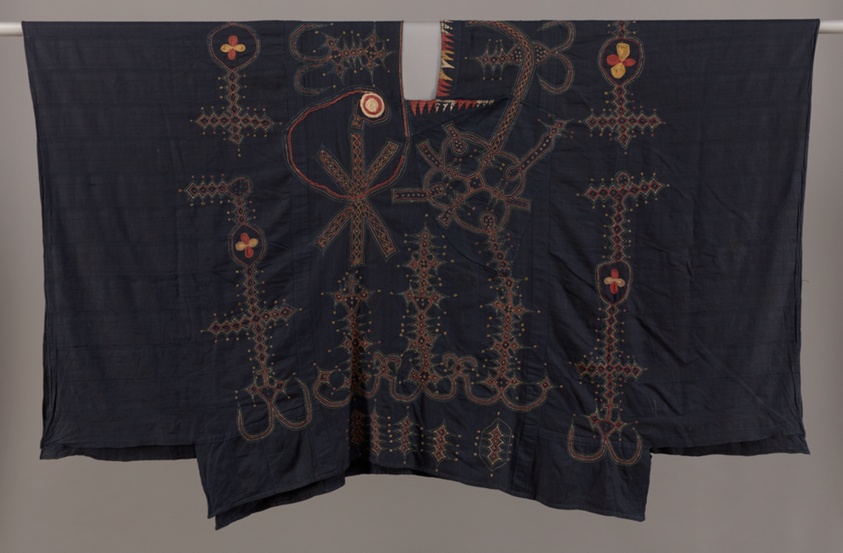
Robe (Boubou Lomasa)
Art Institute of Chicago
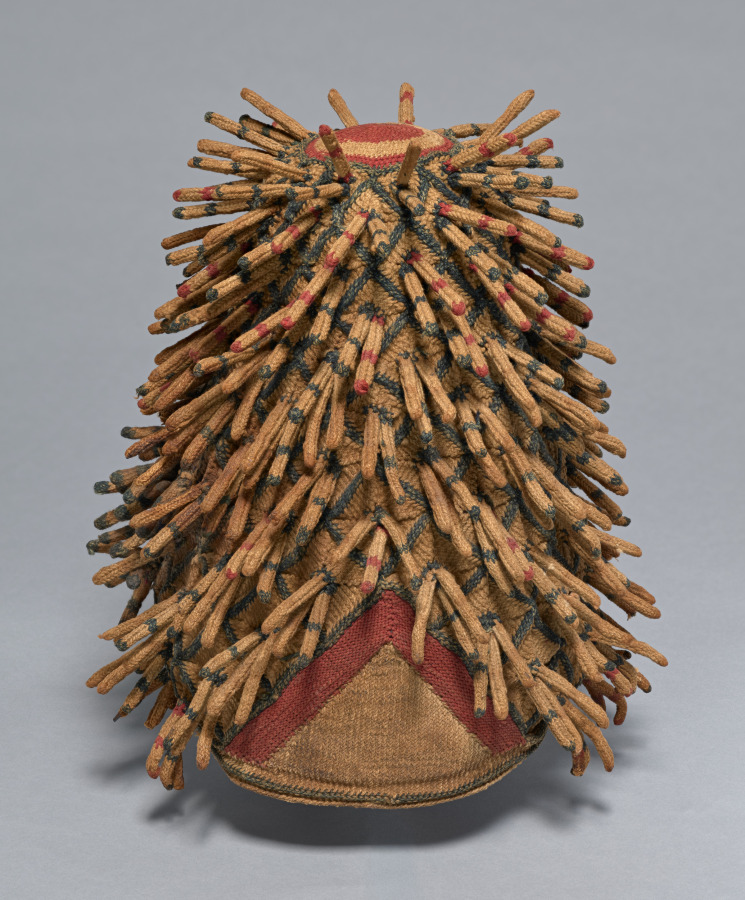
Prestige Headdress (Ashetu or shüötu)
Cleveland Museum of Art
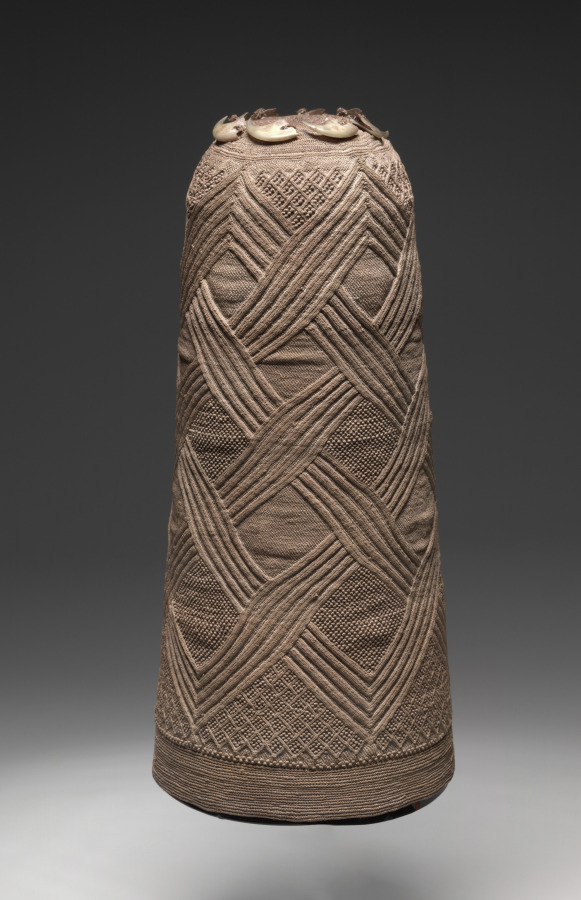
Prestige Cap (mpu ngola)
Cleveland Museum of Art
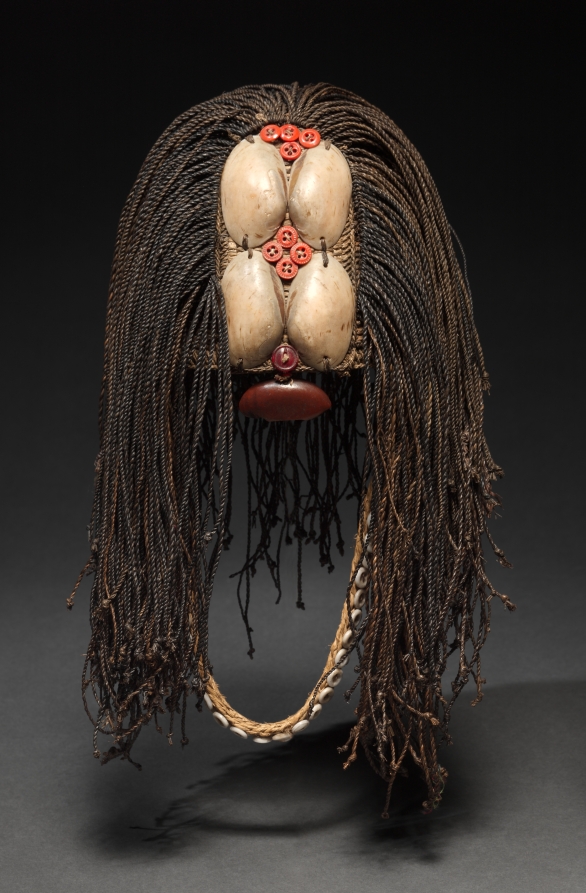
Man's Bwami Prestige Cap (sawamazembe)
Cleveland Museum of Art
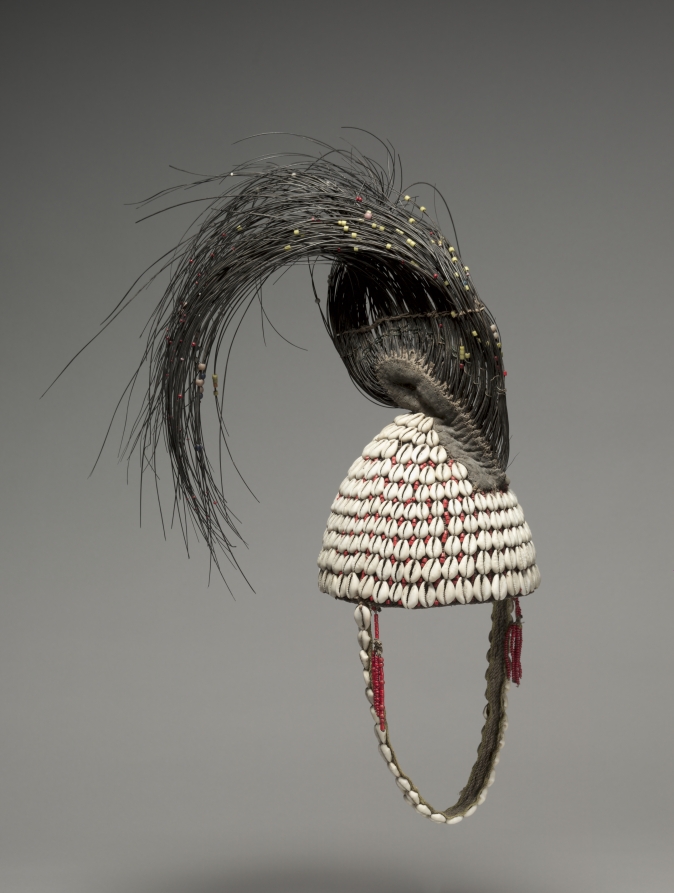
Bwami Prestige Cap (Mukuba or Nkumbu)
Cleveland Museum of Art

Man's tunic (chaoli)
Minneapolis Institute of Art

Headdress
Minneapolis Institute of Art

Shirt, one of a three piece outfit
Minneapolis Institute of Art

Man's cloth
Minneapolis Institute of Art

Hat
Minneapolis Institute of Art
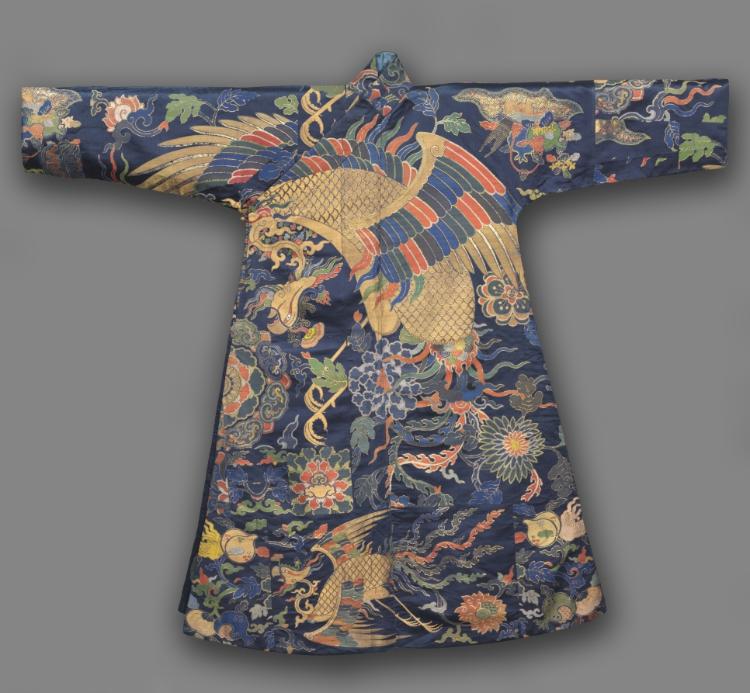
Tibetan Man's Robe, Chuba
Cleveland Museum of Art

Pants, one of a three piece outfit
Minneapolis Institute of Art