Art Institute of Chicago
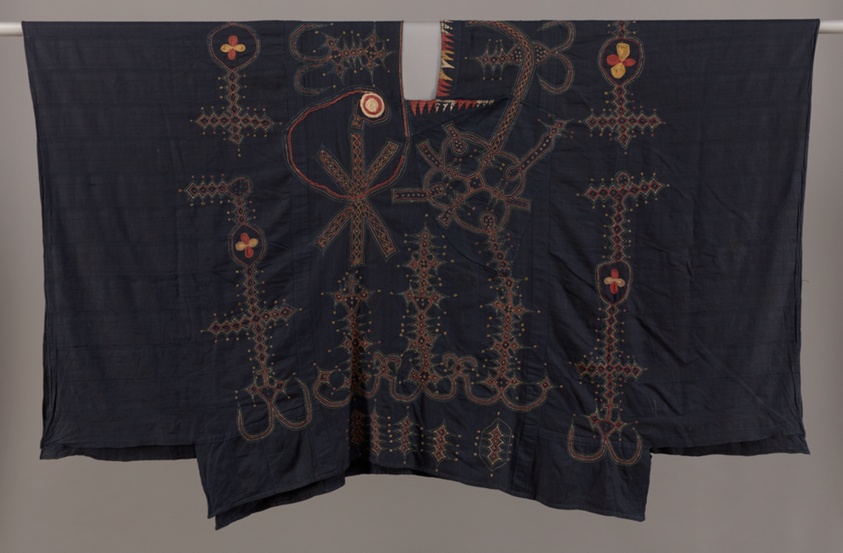
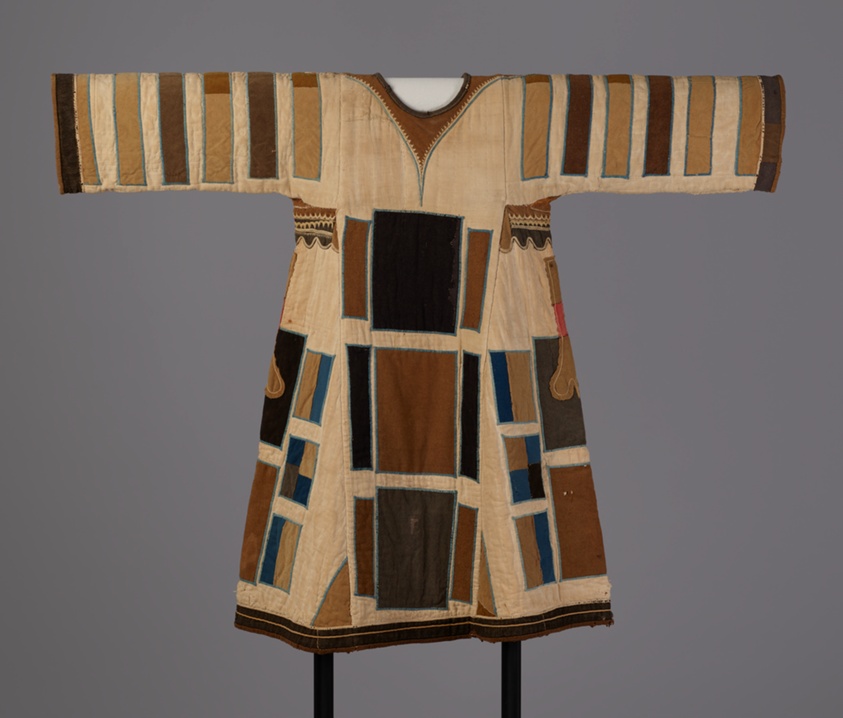
Robe (Boubou Lomasa)
Soninke
- Date
- Late 19th century
- Medium
- Handspun cotton, indigo dye; polychrome silk and cotton; strip weave, hand embroidery
- Culture
- Senegal
- Department
- Arts of Africa
- Institution
- Art Institute of Chicago
This type of robe was worn by chiefs, dignitaries, emirs, and other high-ranking men in 19th-century West Africa. It marked the wearer’s standing and prestige, and also identified him as a Muslim. The talismanic motifs were typically designed and stitched by Qur’anic scholars who found inspiration in Arabic texts. Soninke women no longer practice these embroidery styles and indigo-dyeing techniques, which impacted the weaving traditions of a vast region north and south of the Sahara.
The authoritative record is held by Art Institute of Chicago. LinkedCulture surfaces this object and its connections; it does not alter institutional metadata.
Linked open data
Authority identifiers that link this record into the wider web of cultural data — stable references you can follow to the source.
- Object type
- AAT300014063
Related across collections
Semantically similar works from Art Institute of Chicago and other institutions.

Man's tunic (chaoli)
Minneapolis Institute of Art
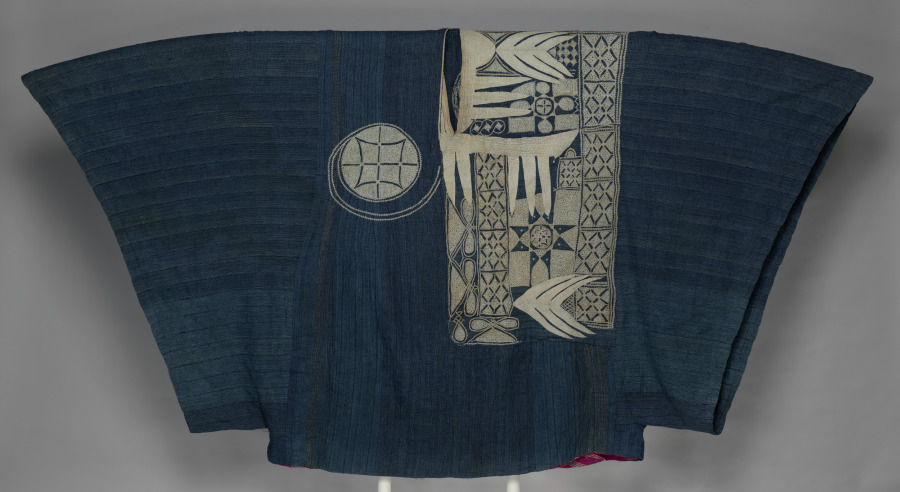
Prestige robe (riga)
Cleveland Museum of Art
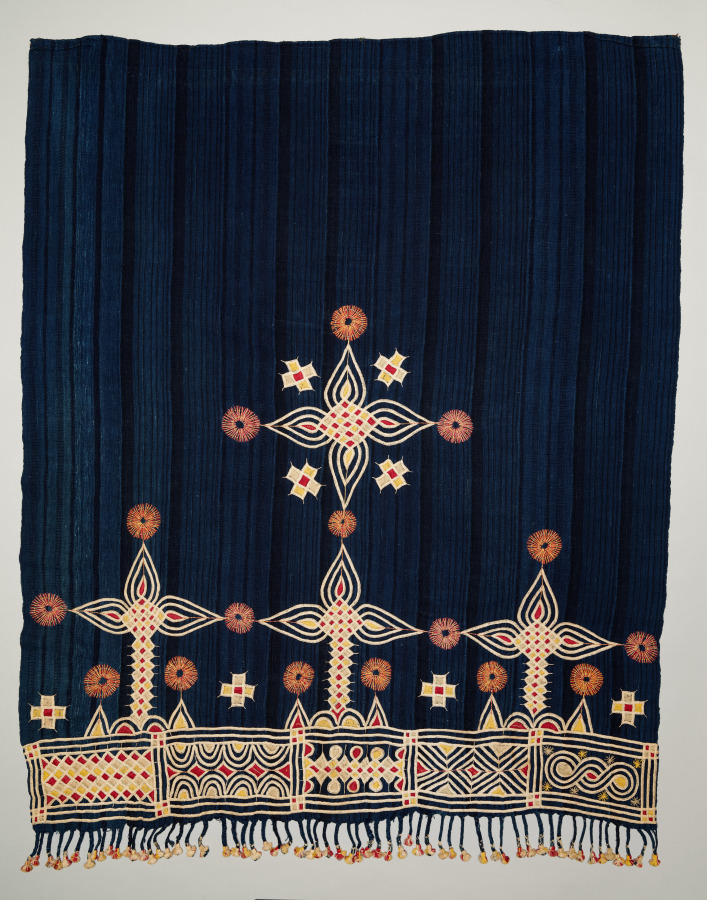
Woman's Shawl or Head Covering
Cleveland Museum of Art
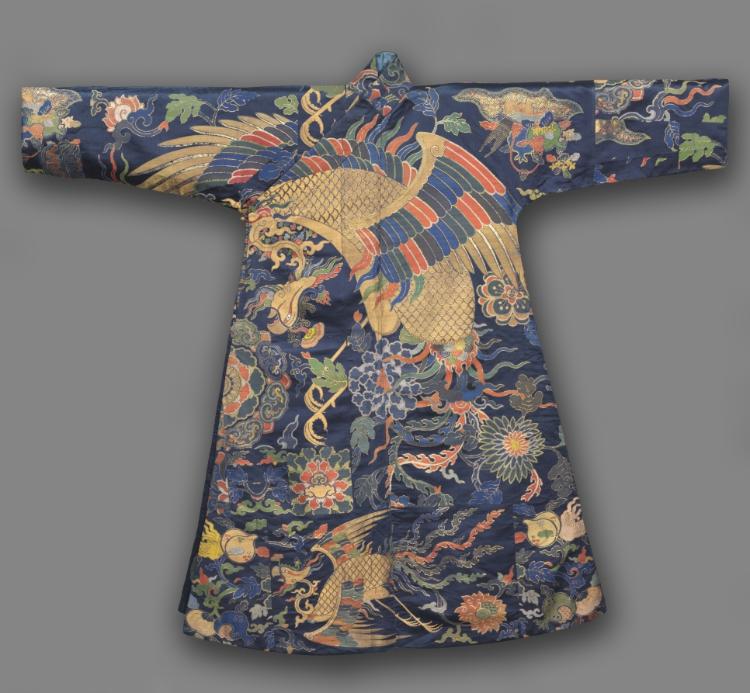
Tibetan Man's Robe, Chuba
Cleveland Museum of Art
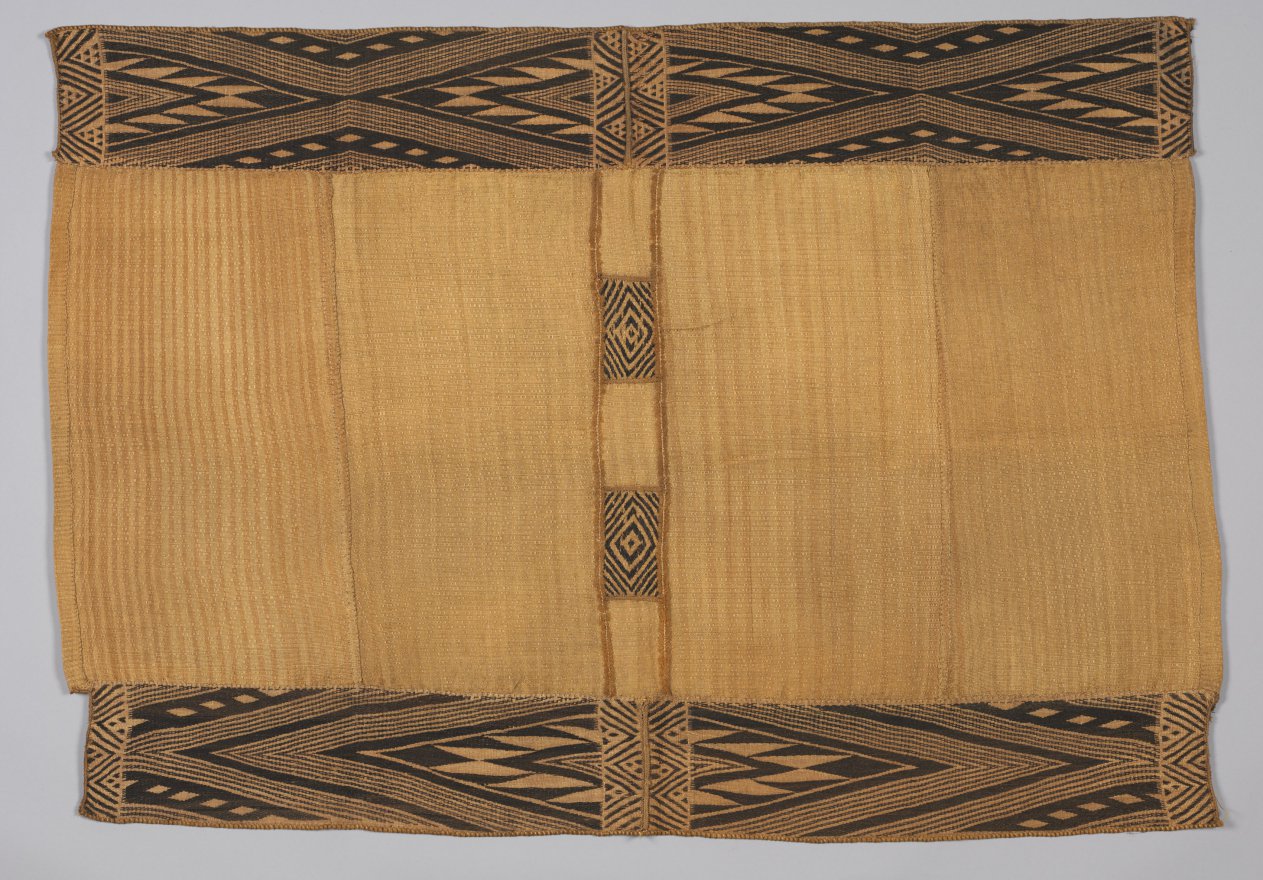
Woman's Skirt
Cleveland Museum of Art
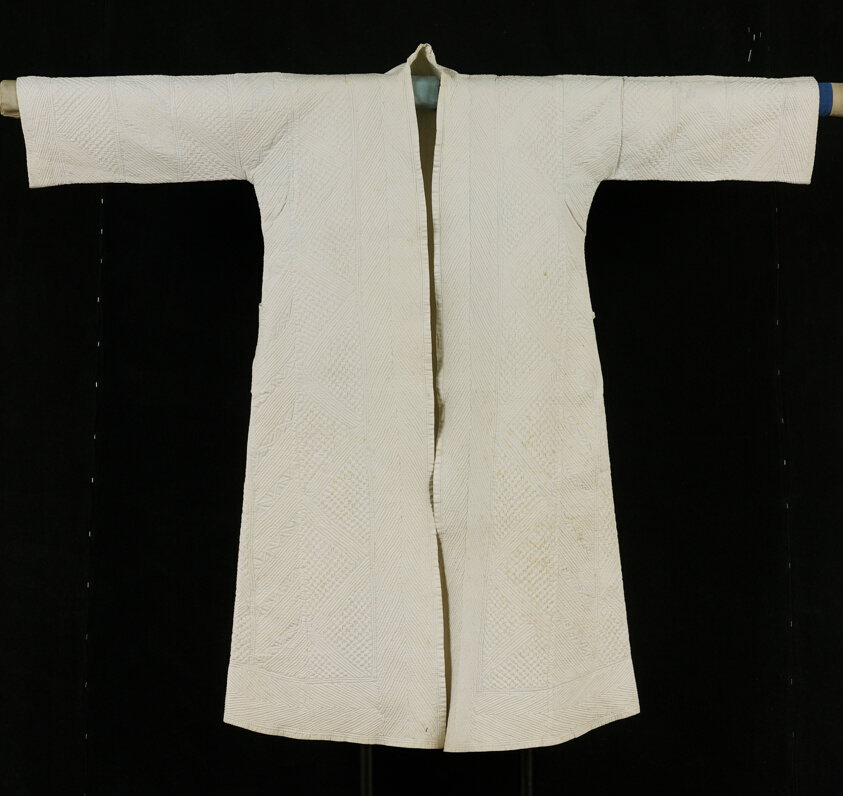
Robe
Art Institute of Chicago

Cape (Handira)
Minneapolis Institute of Art

Tunic
Minneapolis Institute of Art
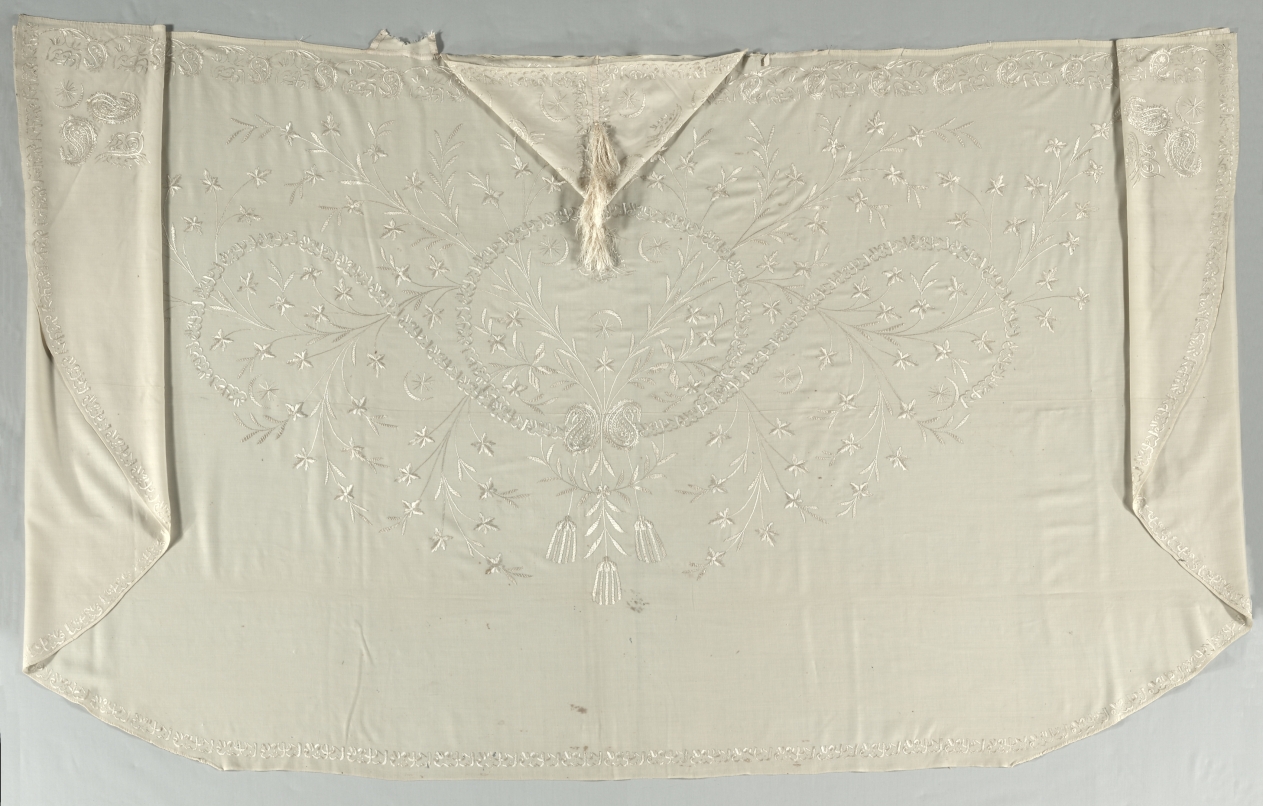
Embroidered Robe
Cleveland Museum of Art
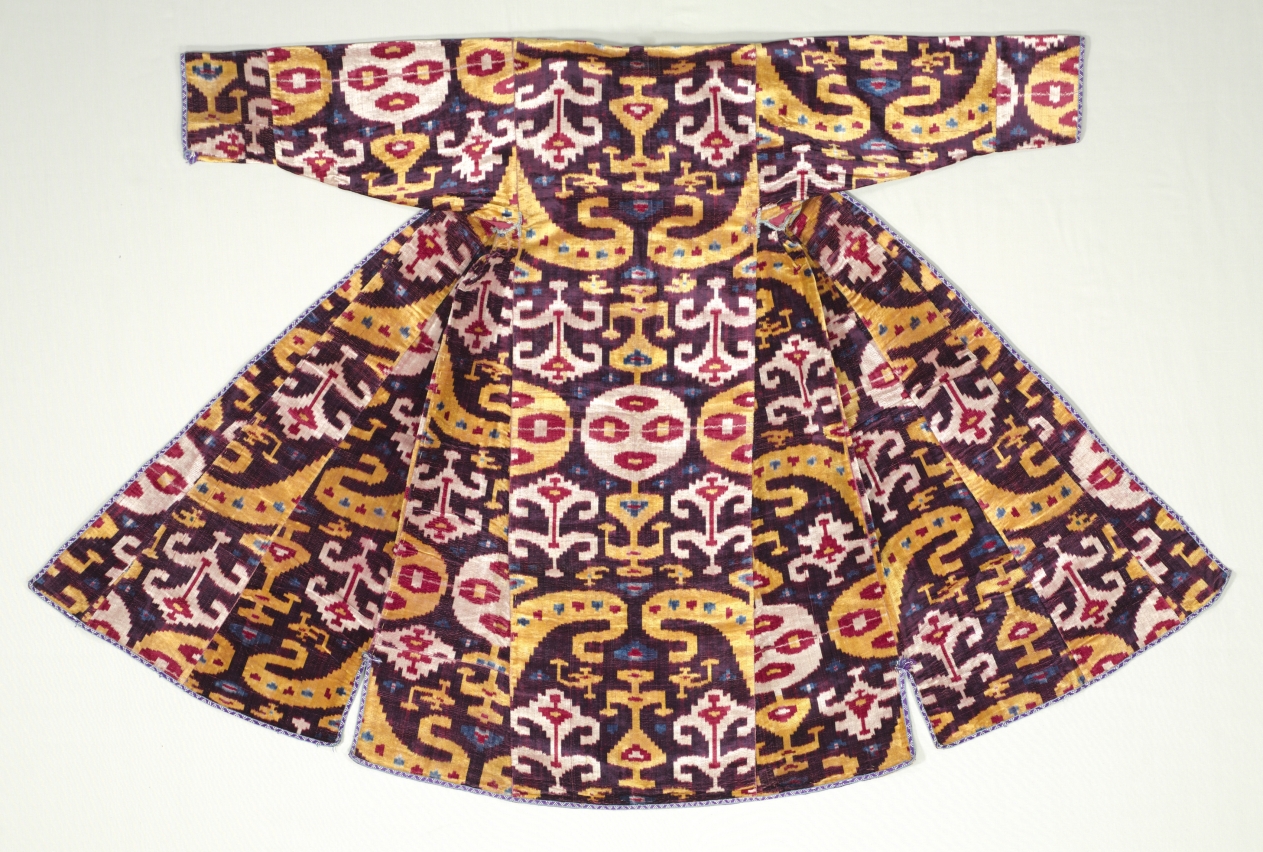
Woman’s Robe (munisak)
Cleveland Museum of Art
Tunic (Jibbeh)
Art Institute of Chicago
Furnishing textile
Cleveland Museum of Art