Cleveland Museum of Art
Buddhist Surplice (Kesa)
- Date
- early 1900s
- Medium
- silk with supplementary weft, brocaded; metal thread
- Culture
- Japan, Meiji period (1868–1912)
- Department
- Textiles
- Institution
- Cleveland Museum of Art
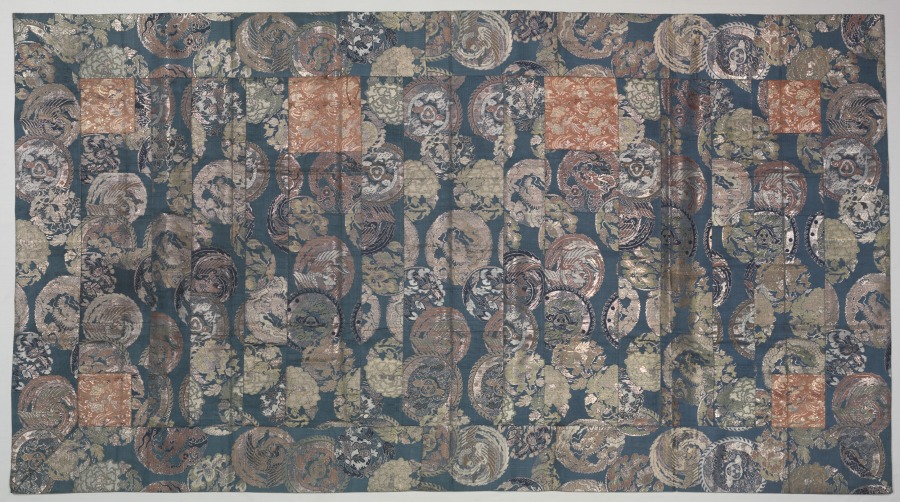
The kesa is a Buddhist monk’s vestment worn folded and draped over one shoulder, and fastened over the chest. In keeping with the austere conditions of monastic life, kesa were traditionally fashioned from remainders of donated garments sewn together into a series of columns. The wider, central column symbolizes the Buddha. The orange squares with a phoenix and flower pattern in each corner represent the deities who guard the four directions, while the two at the top on either side of the central column symbolize attendant bodhisattvas, or the Nio, guardians who protect the Buddhist Law. This kesa is sewn from a textile with bold roundels with dragon and phoenix motifs.
The authoritative record is held by Cleveland Museum of Art. LinkedCulture surfaces this object and its connections; it does not alter institutional metadata.
Related across collections
Semantically similar works from Cleveland Museum of Art and other institutions.
Buddhist Surplice (Kesa)
Cleveland Museum of Art

Buddhist priest's robe (kesa)
Minneapolis Institute of Art
Buddhist Vestment (Kesa)
Cleveland Museum of Art

Buddhist priest’s robe with design of chrysanthemums and peonies
Minneapolis Institute of Art

Buddhist priest's robe (kesa)
Minneapolis Institute of Art
Buddhist Vestment (Kesa)
Cleveland Museum of Art
Buddhist Vestment (Kesa)
Cleveland Museum of Art
Buddhist Vestment (Kesa)
Cleveland Museum of Art
Buddhist Vestment (Kesa)
Cleveland Museum of Art
Buddhist Vestment (Kesa)
Cleveland Museum of Art
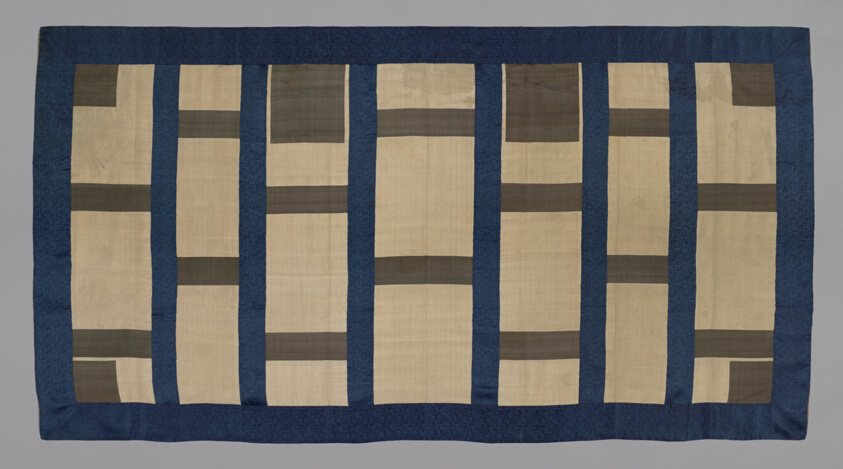
Kesa
Art Institute of Chicago
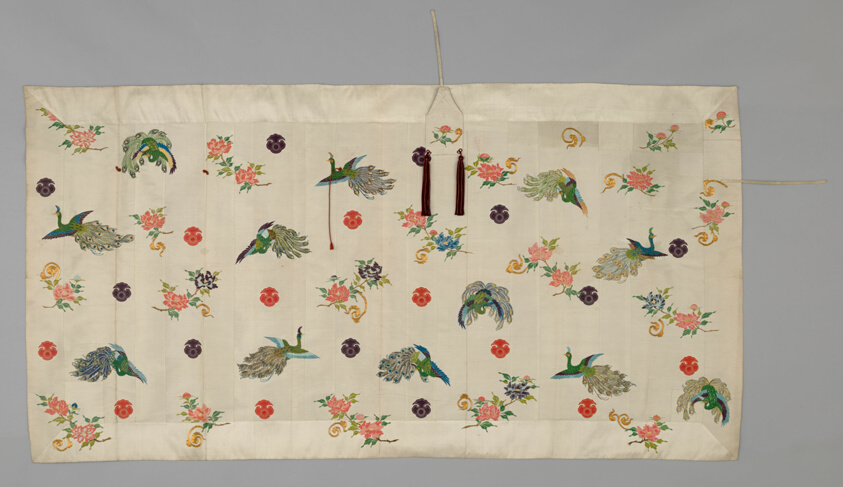
Kesa
Art Institute of Chicago