Art Institute of Chicago
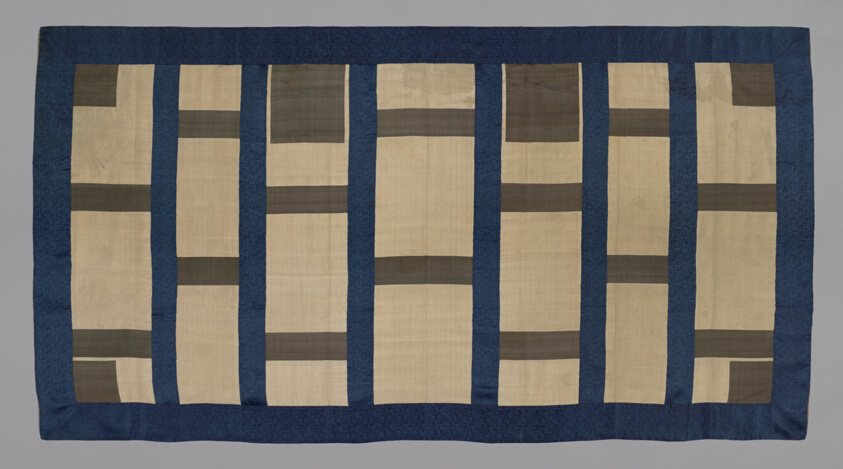
Kesa
Japan
- Date
- Early or mid–19th century, Late Edo period (1789–1868)
- Medium
- Silk, satin damask and plain weaves
- Culture
- Japan
- Department
- Textiles
- Institution
- Art Institute of Chicago
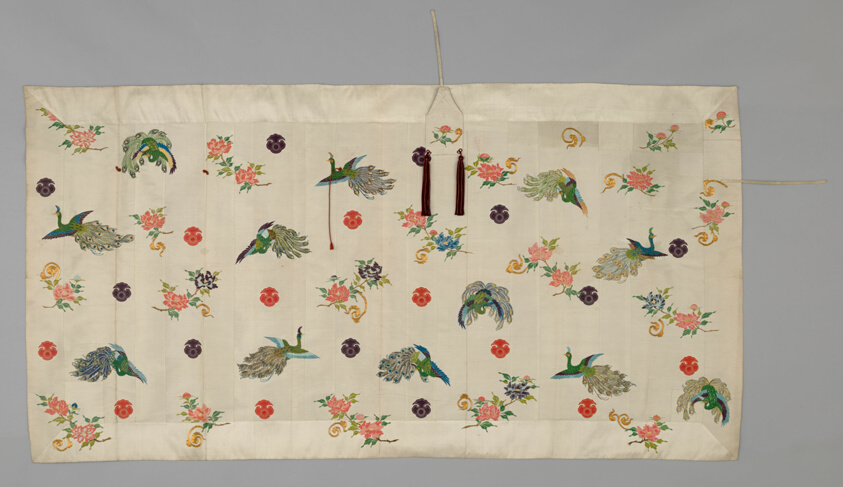
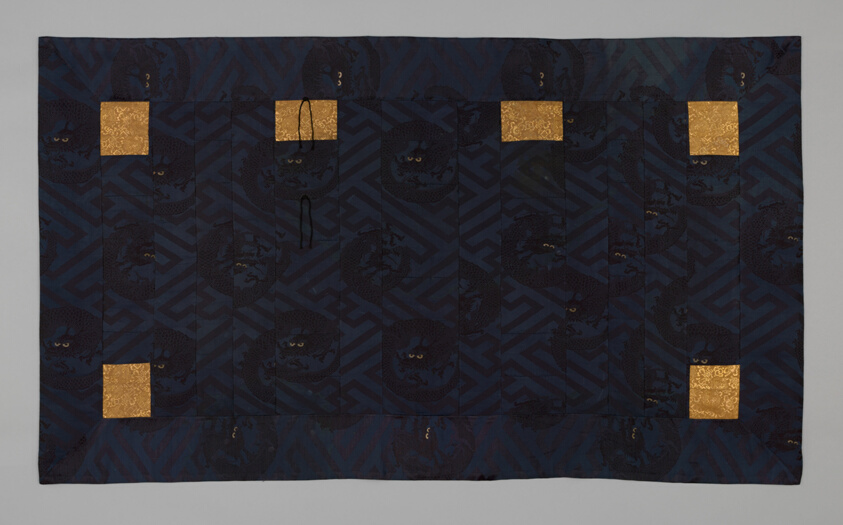
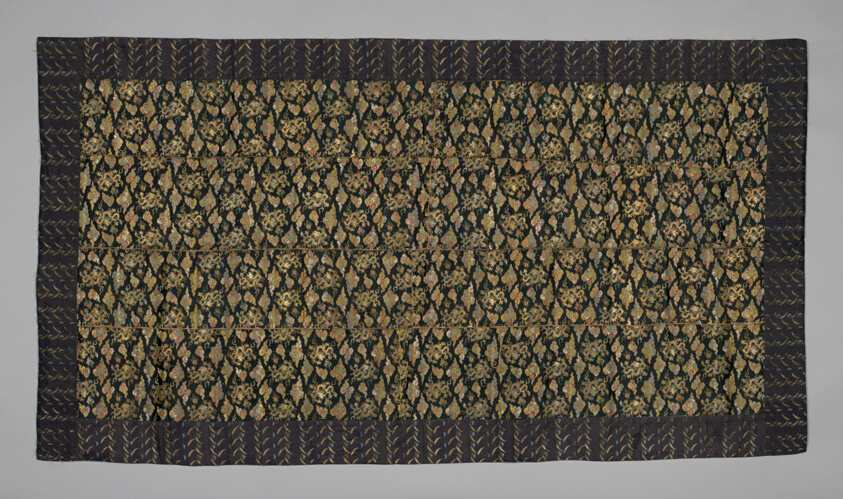
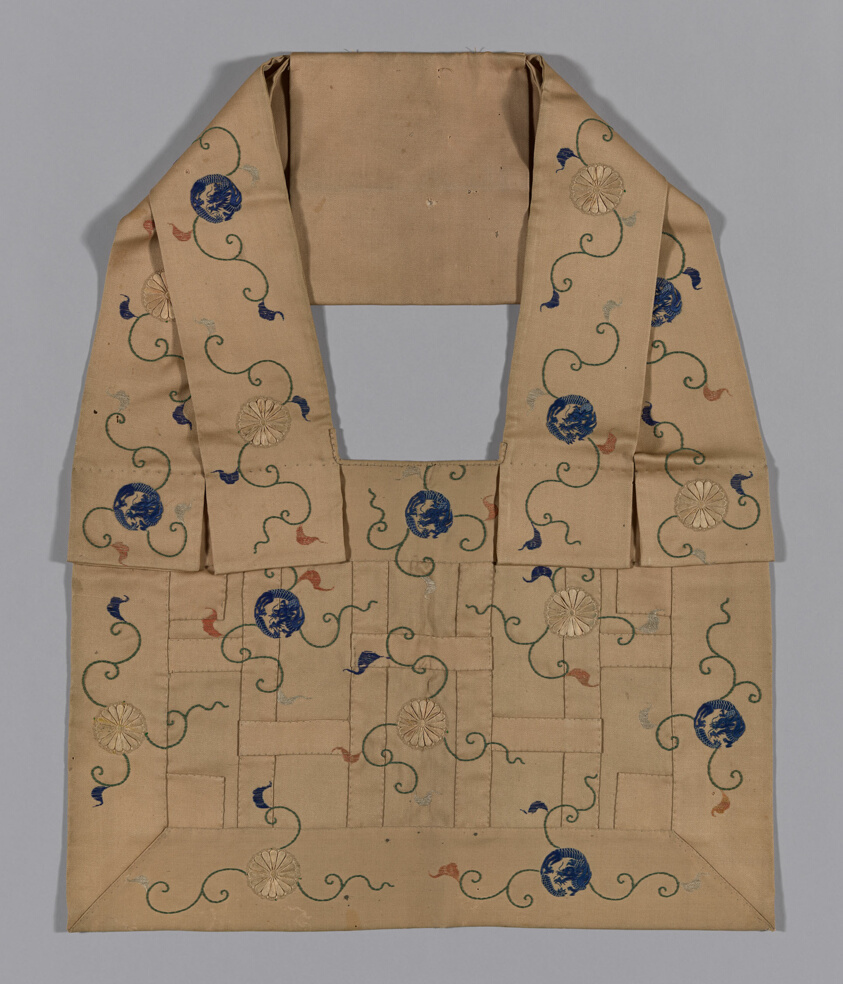
Three sectsShingon, Shin, and Tendaifavored the use of this particular type of kesa. Two or three fabrics were typically employed, none with the colorful patterning that tends to be preferred by collectors. The blue damask fabric used in the borders and column dividers, patterned (in one color) with floral motifs, may be Chinese in origin or it may be of Japanese manufacture made in the Chinese style. The kesa is accompanied by its matching stole, or ohi , which was draped over the wearer's tight shoulder as a complement to the kesa covering the left.
The authoritative record is held by Art Institute of Chicago. LinkedCulture surfaces this object and its connections; it does not alter institutional metadata.
Related across collections
Semantically similar works from Art Institute of Chicago and other institutions.
Kesa
Art Institute of Chicago
Kesa
Art Institute of Chicago
Kesa
Art Institute of Chicago
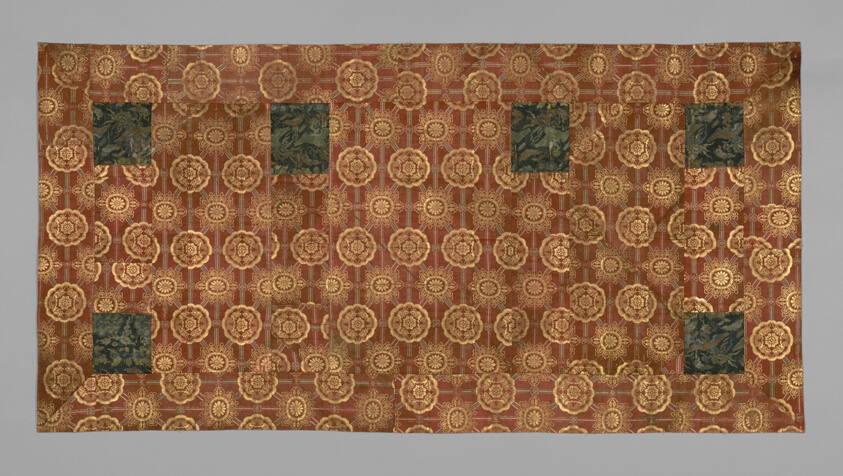
Kesa
Art Institute of Chicago
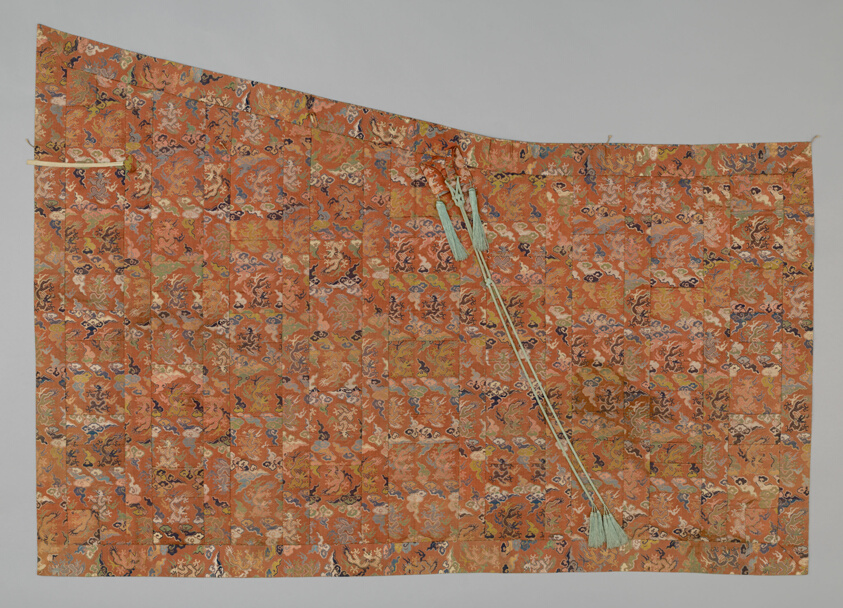
Kesa
Art Institute of Chicago
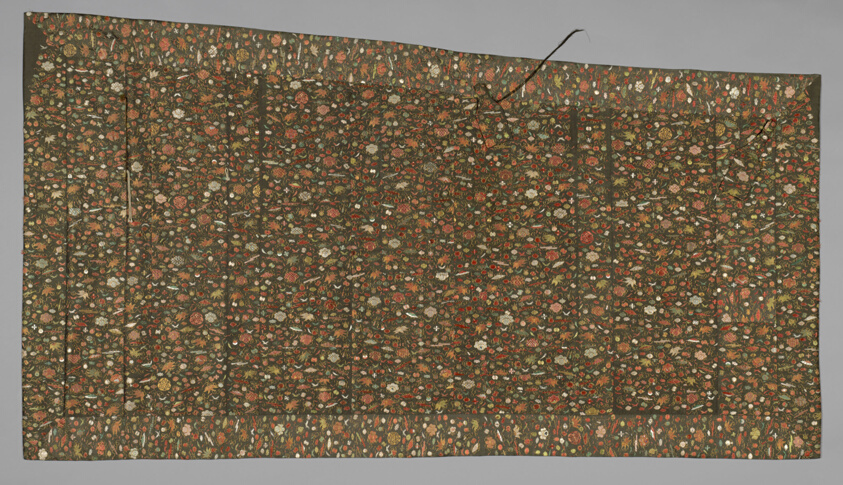
Kesa
Art Institute of Chicago

Buddhist priest's robe (kesa)
Minneapolis Institute of Art
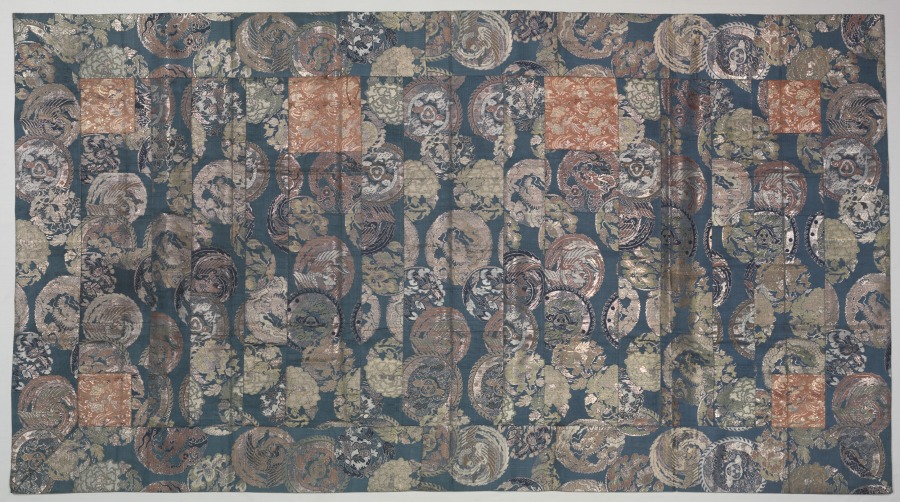
Buddhist Surplice (Kesa)
Cleveland Museum of Art
Kesa
Art Institute of Chicago
Kesa
Art Institute of Chicago
Kesa
Art Institute of Chicago
Kesa
Art Institute of Chicago