Art Institute of Chicago
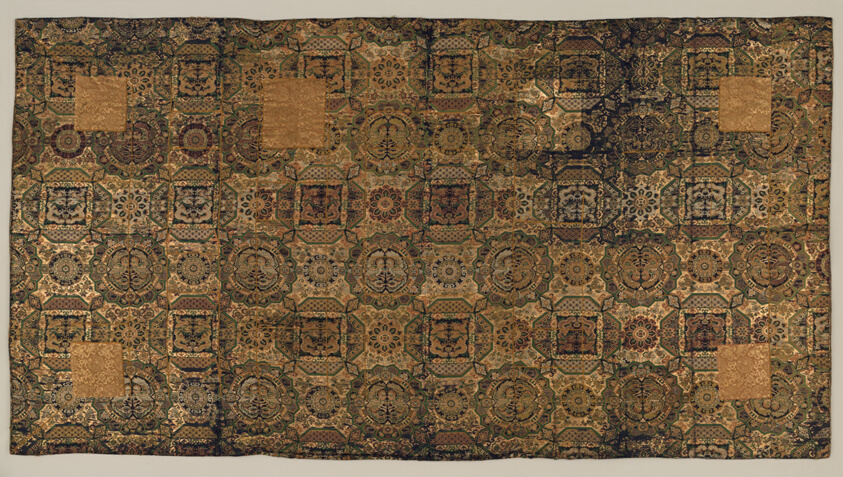
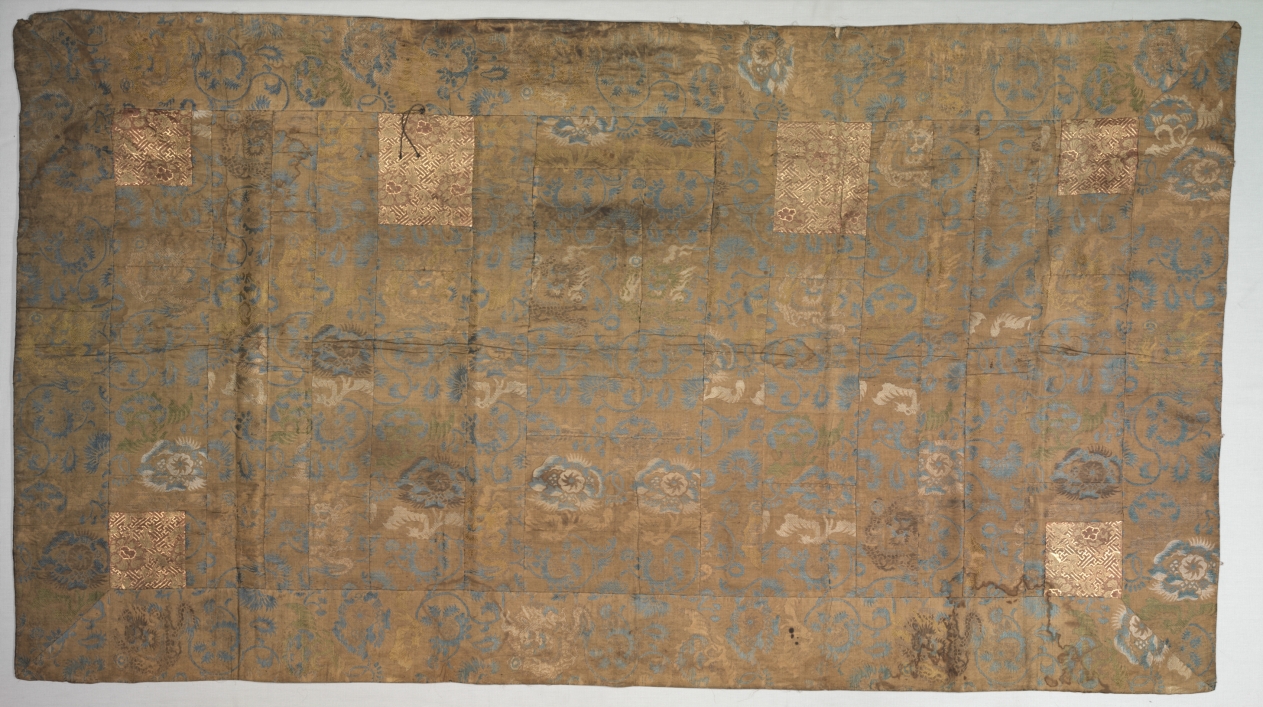
Kesa
Japan
- Date
- 18th century, Edo period (1615–1868)
- Medium
- Silk and gilt-paper strip; twill weave with secondary binding warps and supplementary patterning wefts, with couched plied silk
- Culture
- Japan
- Department
- Textiles
- Institution
- Art Institute of Chicago
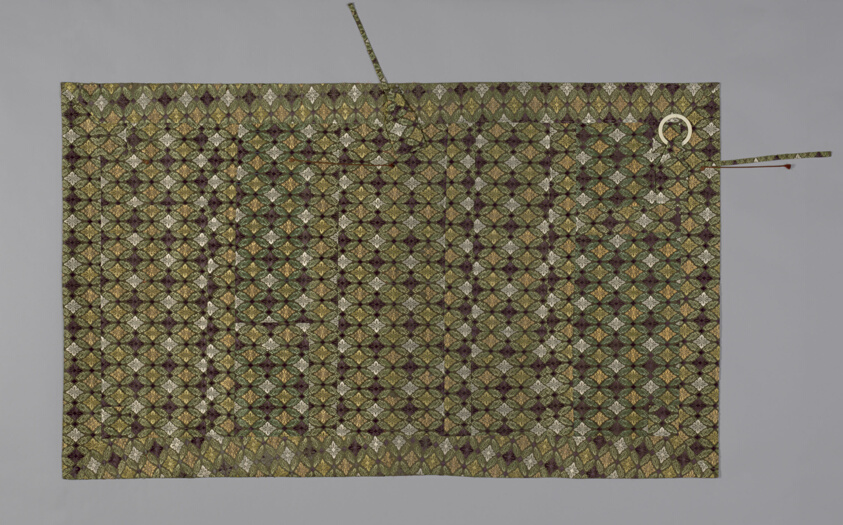
During the kesa's early history, the design of the garment was highly codified, based upon the standards and practices of individual sects. But during the Edo period, when Japan essentially closed its borders and artists looked inward for inspiration, innovations were introduced that challenged this rigid tradition. The columns of patches universal to kesas were now occasionally inferred by motifs that created the desired impression, such as lines drawn on the surface of the uncut fabric or, as here, the addition of cording, now incomplete owing to wear.
The authoritative record is held by Art Institute of Chicago. LinkedCulture surfaces this object and its connections; it does not alter institutional metadata.
Related across collections
Semantically similar works from Art Institute of Chicago and other institutions.
Kesa
Art Institute of Chicago
Kesa
Art Institute of Chicago
Kesa
Art Institute of Chicago
Kesa
Art Institute of Chicago
Kesa
Art Institute of Chicago
Kesa
Art Institute of Chicago
Buddhist Vestment (Kesa)
Cleveland Museum of Art
Kesa
Art Institute of Chicago
Kesa
Art Institute of Chicago
Kesa
Art Institute of Chicago
Kesa
Art Institute of Chicago
Buddhist Vestment (Kesa)
Cleveland Museum of Art