Art Institute of Chicago
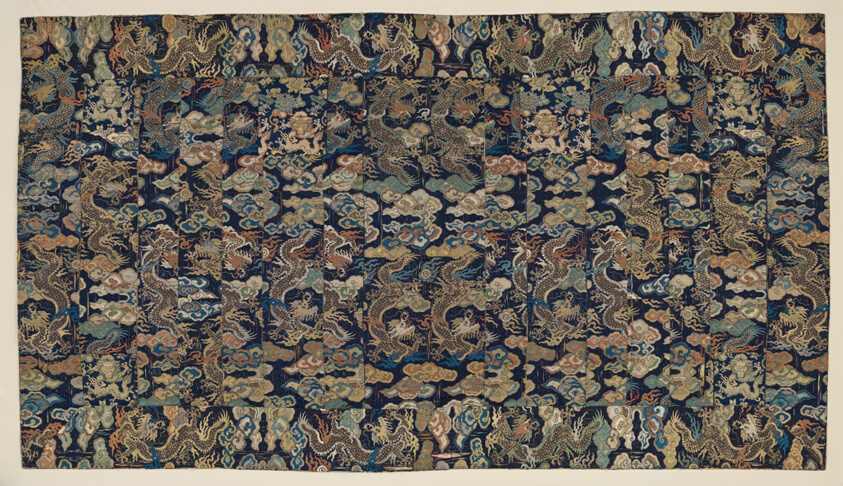
Kesa
Japan
- Date
- 1650/1700, Edo period (1615–1868)
- Medium
- Silk and gilt-paper strip; twill weave with secondary binding warp and supplementary patterning wefts
- Culture
- Japan
- Department
- Textiles
- Institution
- Art Institute of Chicago
Given that Buddhism was introduced into Japan from China, and many Japanese priests and monks visited China as part of their training, it is understandable that the influence of China continued to be felt in Japan for centuries. Even during the Edo period, when Japan was all but closed to the outside world, there was still a reverence for things Chinese, as exemplified by the use of treasured Chinese fabric, perhaps once part of a robe, in this striking kesa. The five-clawed dragon indicates Chinese imperial production.
The authoritative record is held by Art Institute of Chicago. LinkedCulture surfaces this object and its connections; it does not alter institutional metadata.
Linked open data
Authority identifiers that link this record into the wider web of cultural data — stable references you can follow to the source.
- Object type
- AAT300014063
Related across collections
Semantically similar works from Art Institute of Chicago and other institutions.
Kesa
Art Institute of Chicago
Kesa
Art Institute of Chicago
Buddhist Vestment (Kesa)
Cleveland Museum of Art
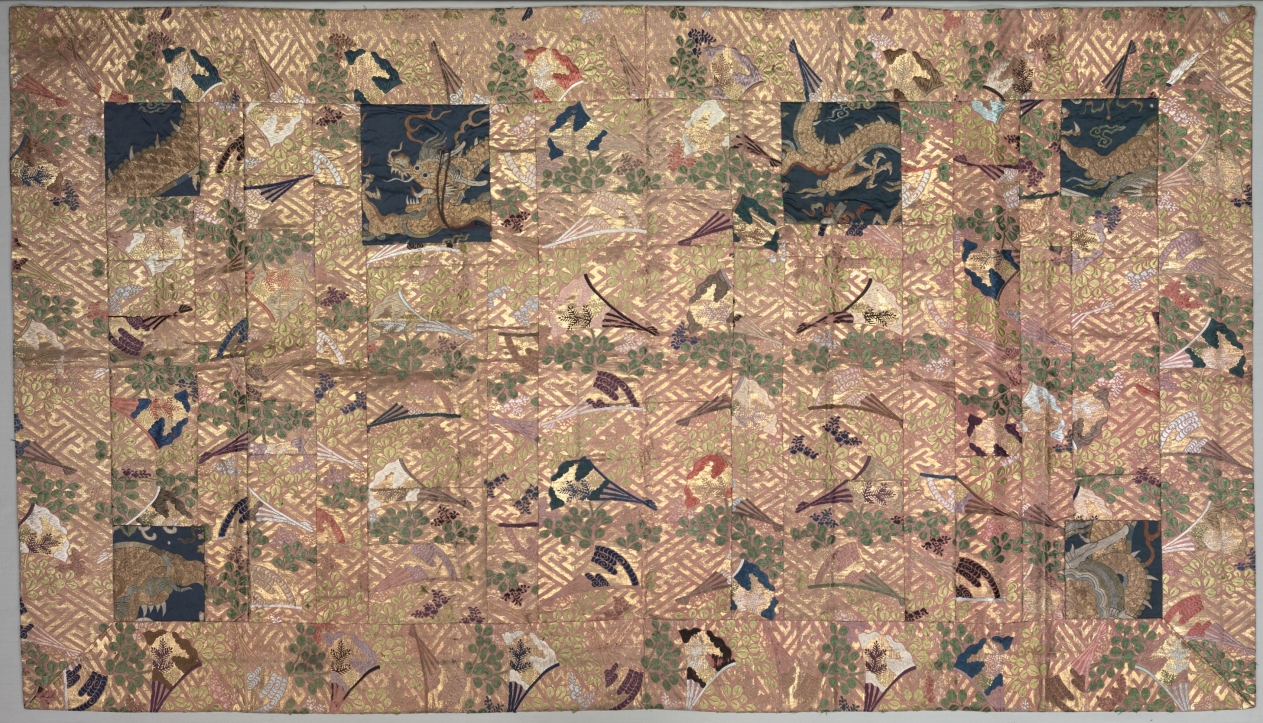
Buddhist Priest Robe (Kesa)
Cleveland Museum of Art

Buddhist priest’s robe with design of chrysanthemums and peonies
Minneapolis Institute of Art

Buddhist priest's robe (kesa)
Minneapolis Institute of Art
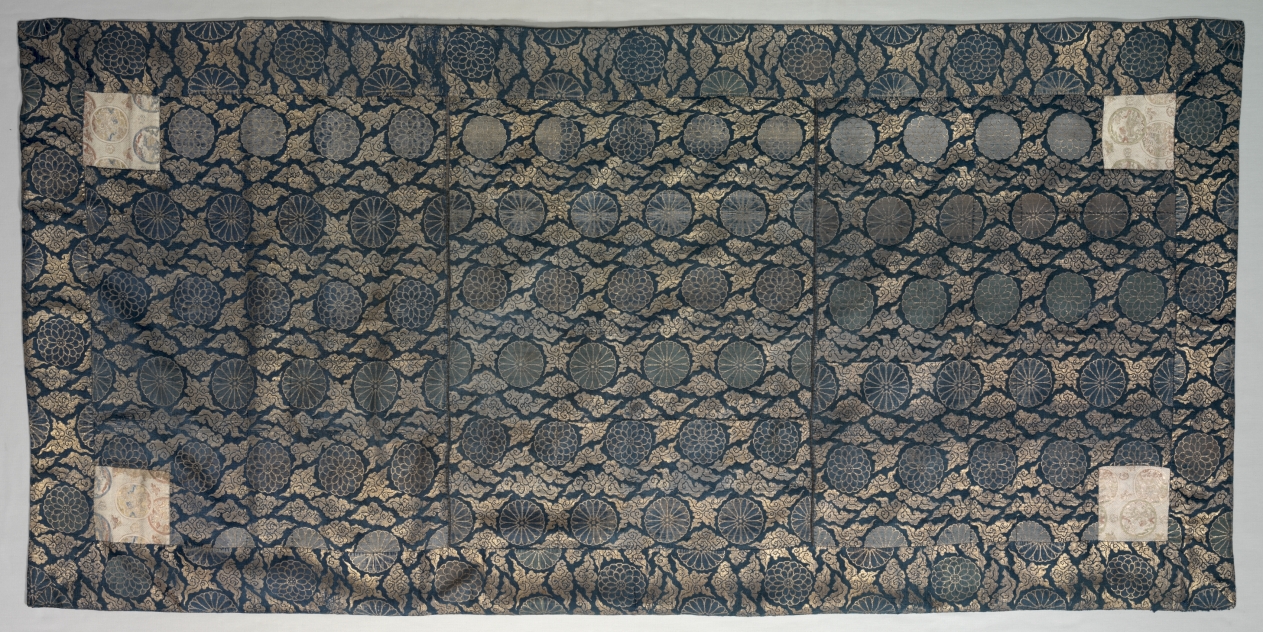
Buddhist Vestment (Kesa)
Cleveland Museum of Art
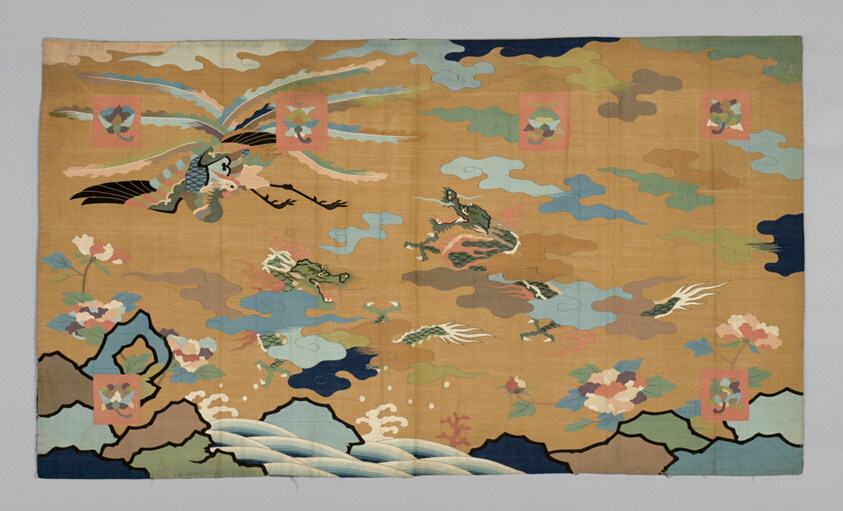
Kesa
Art Institute of Chicago
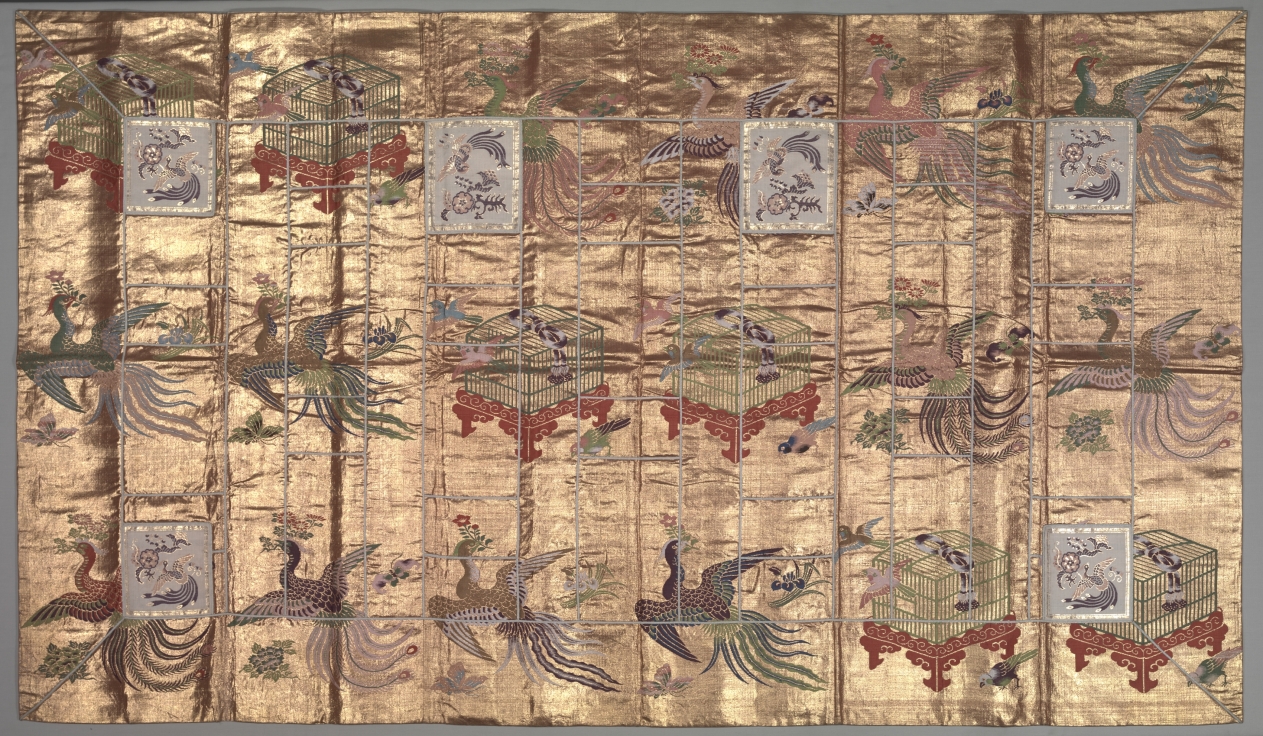
Buddhist Vestment (Kesa)
Cleveland Museum of Art
Buddhist Vestment (Kesa)
Cleveland Museum of Art
Kesa
Art Institute of Chicago
Kesa
Art Institute of Chicago