
Minneapolis Institute of Art
Dish
China
- Date
- early 15th century
- Medium
- Porcelaneous stoneware with celadon glaze
- Department
- Asian Art
- Institution
- Minneapolis Institute of Art
The Lung-ch'uan district in Chekiang province was an important center of celadon production from the Five Dynasties (907-960) through the Ming period (1368-1644). Celadon is merely a descriptive term applied to ceramic wares falling within a broad range of blue-green to gray-green colors. A chief glory of far eastern ceramics, celadon was eventually produced in Korea, Japan, Thailand and exported from China to India, Persia, Turkey, Egypt and Southeast Asia. Accordingly, a characteristic of many post-Sung Lung-ch'uan celadons is that they are large, heavily potted bowls and dishes such as this one, which could withstand the rigors of transit over great distances. This piece, exceptional in its scale and quality, typifies Ming taste in its opulent scrolled rim, incised floral decor and thick olive-green glaze.
The authoritative record is held by Minneapolis Institute of Art. LinkedCulture surfaces this object and its connections; it does not alter institutional metadata.
Related across collections
Semantically similar works from Minneapolis Institute of Art and other institutions.

Celadon Bowl
Minneapolis Institute of Art

Bowl
Minneapolis Institute of Art

Foliate Rim Bowl, one of a pair
Minneapolis Institute of Art

Foliate Rim Bowl, one of a pair
Minneapolis Institute of Art
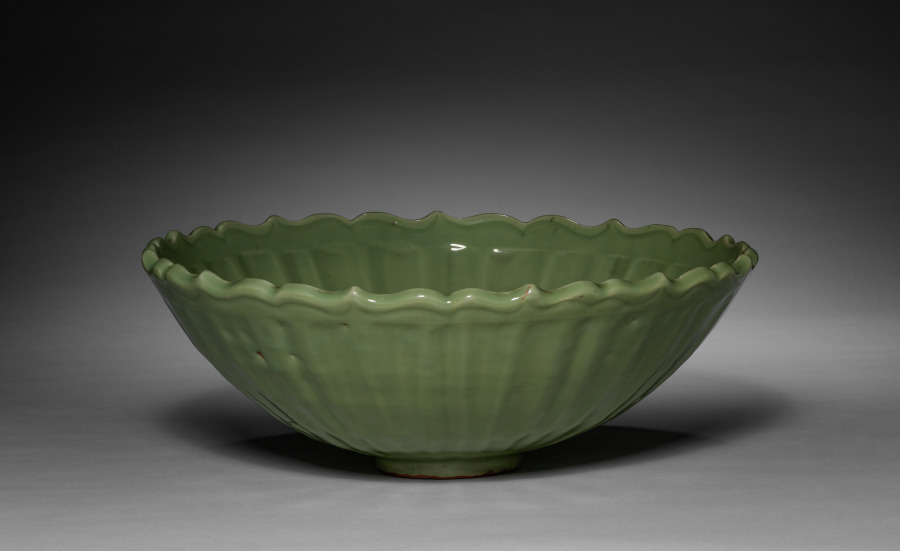
Large Bowl with Molded Decoration
Cleveland Museum of Art

Shallow bowl with double fish motif
Minneapolis Institute of Art
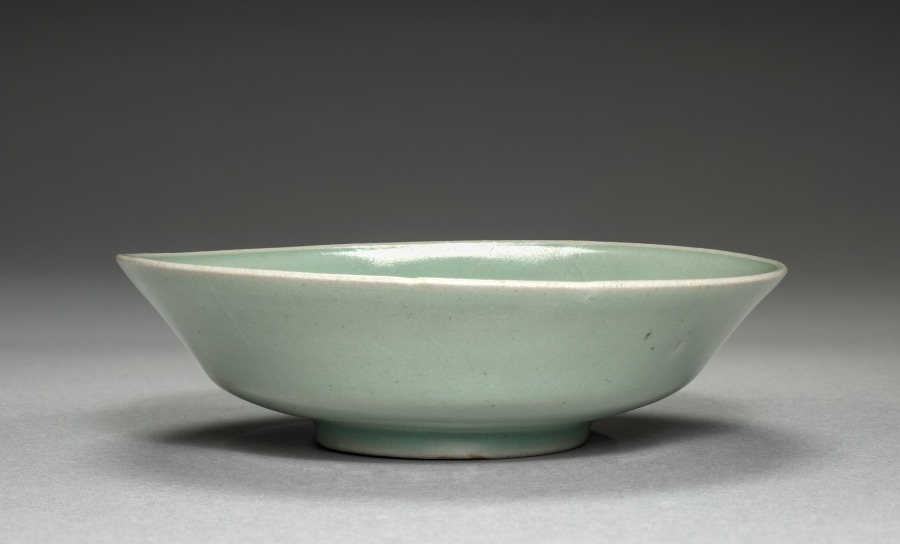
Dish
Cleveland Museum of Art

Celadon Vase, one of a pair
Minneapolis Institute of Art

Bowl with floral design
Minneapolis Institute of Art
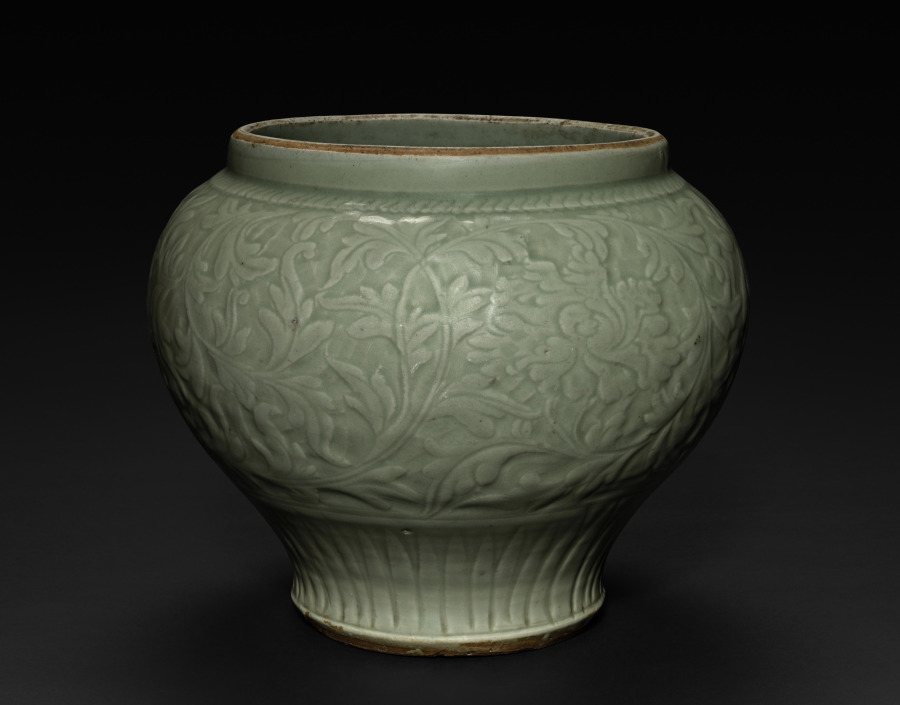
Jar: Celadon Ware
Cleveland Museum of Art

Ewer
Minneapolis Institute of Art

Vase
Minneapolis Institute of Art