
Minneapolis Institute of Art
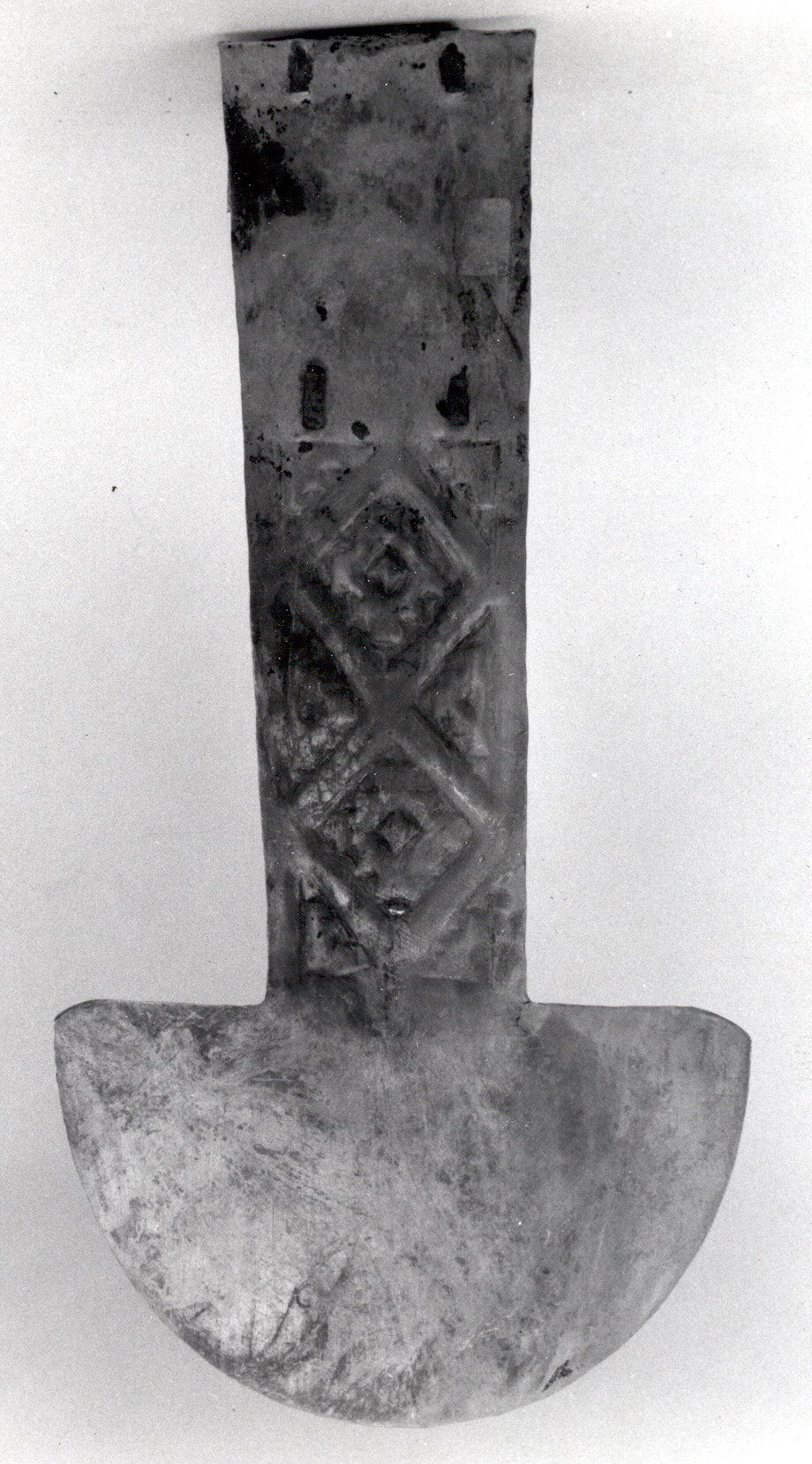
Knife
Lambayeque artist
- Date
- 8th–10th century
- Medium
- Bronze
- Culture
- Lambayeque
- Department
- Arts of the Americas
- Institution
- Minneapolis Institute of Art
A tumi is a knife with a flared, semicircular blade that was used in ceremonies throughout the ancient Andes. Lambayeque artists working in northwest Peru made especially dramatic and opulent examples for elite members of society. Lambayeque metalworkers were technologically advanced; they developed a unique type of bronze by alloying copper and arsenic, from which this blade was cast. Originally, this tumi was likely capped by an elaborate finial depicting an important Lambayeque deity, known as the Sicán Lord, executed in materials such as gold, silver, and turquoise Americas
The authoritative record is held by Minneapolis Institute of Art. LinkedCulture surfaces this object and its connections; it does not alter institutional metadata.
Related across collections
Semantically similar works from Minneapolis Institute of Art and other institutions.
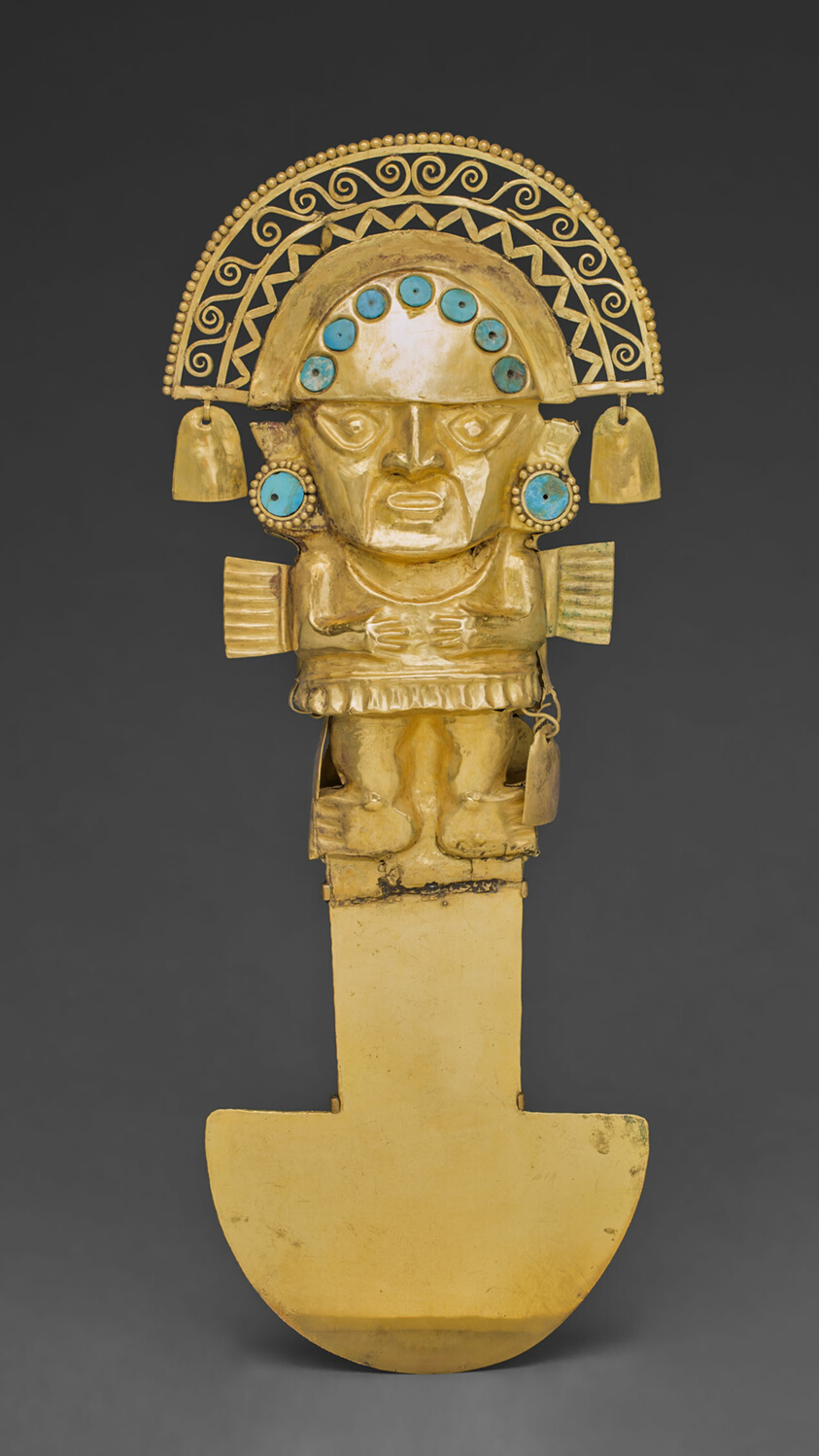
Ceremonial Knife (Tumi)
Art Institute of Chicago
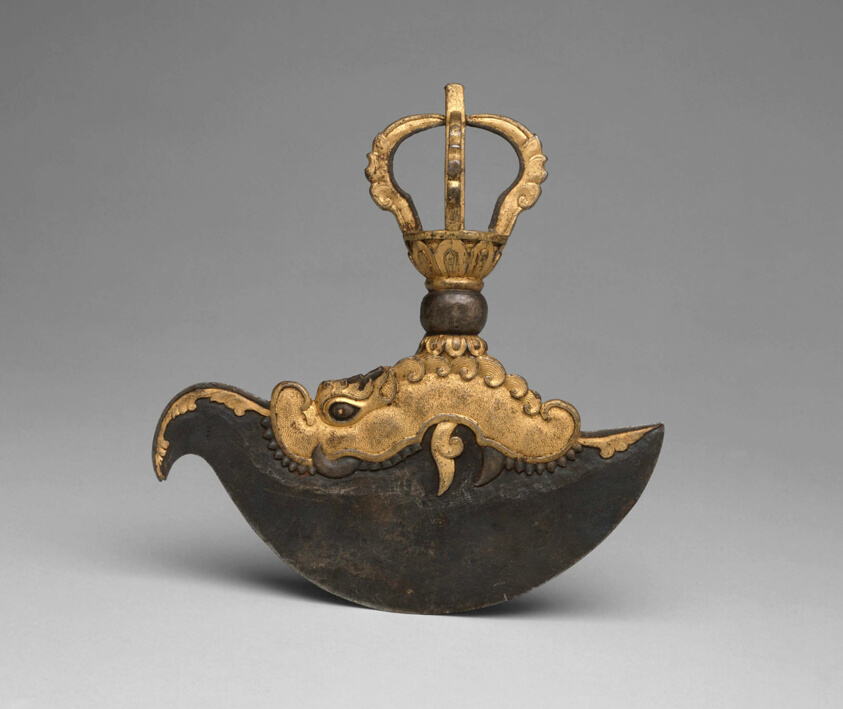
Ritual Flaying Knife (Kartrika)
Art Institute of Chicago

Fragment (Loincloth)
Art Institute of Chicago
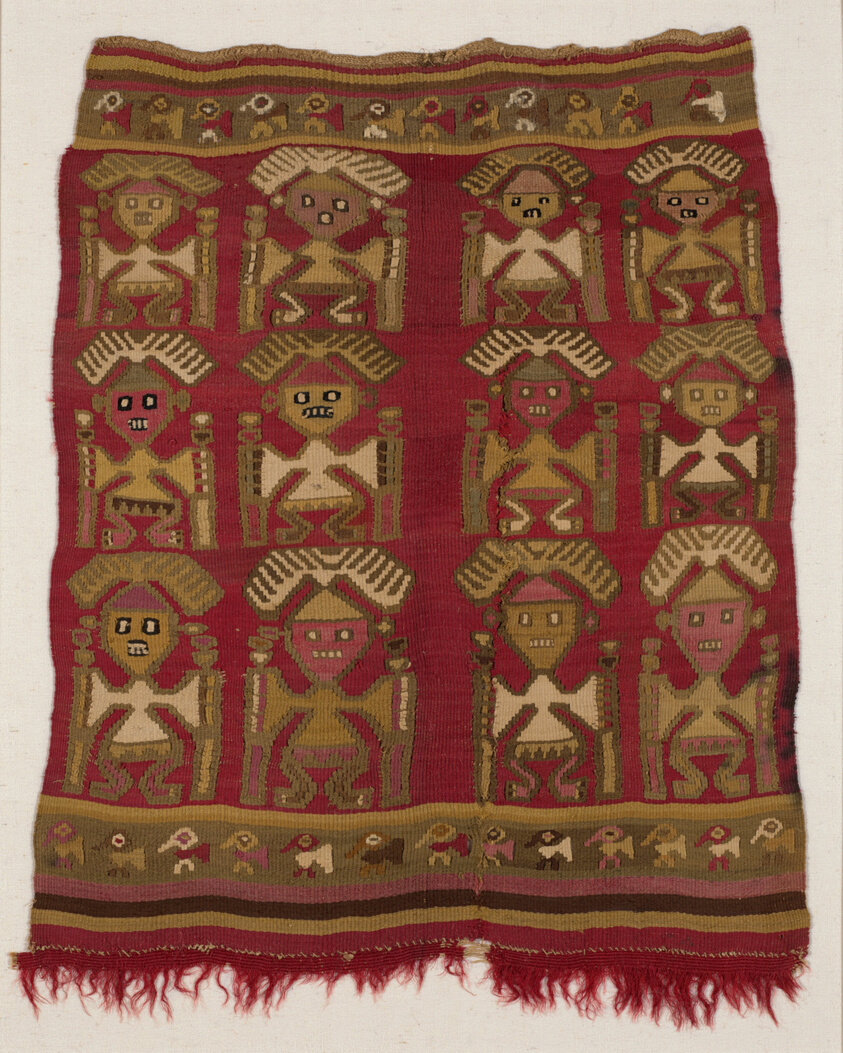
Fragment (Loincloth)
Art Institute of Chicago
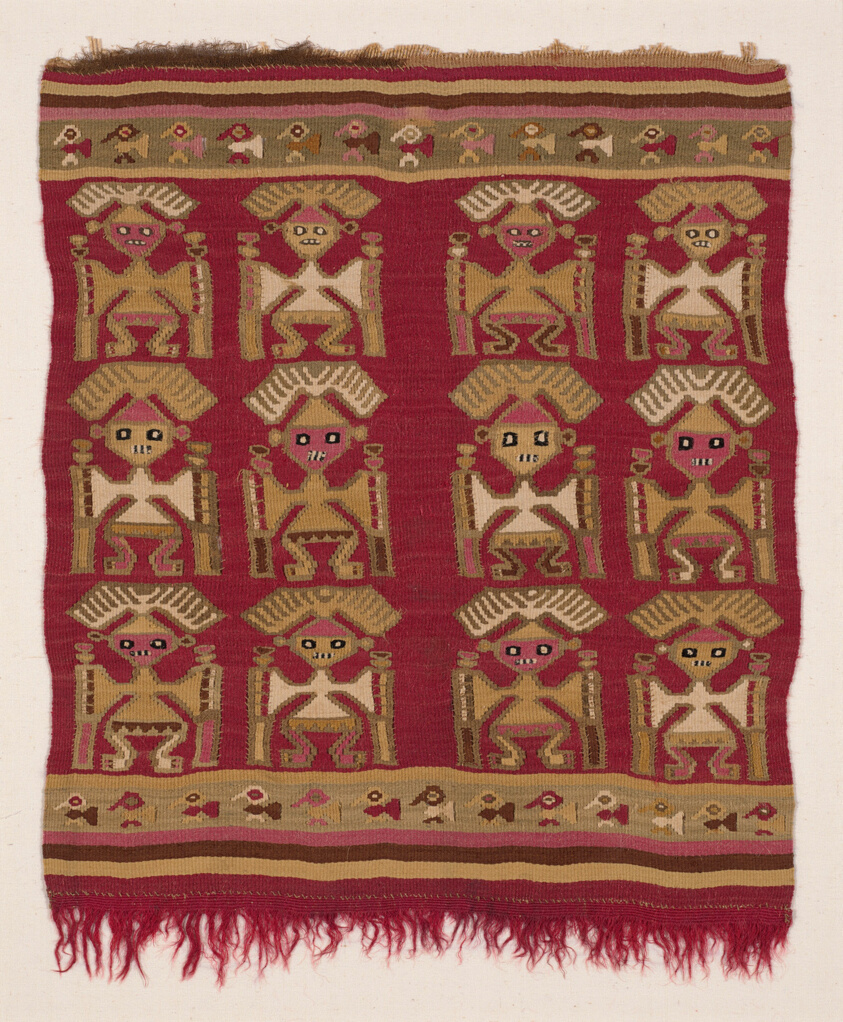
Fragment (Loincloth)
Art Institute of Chicago
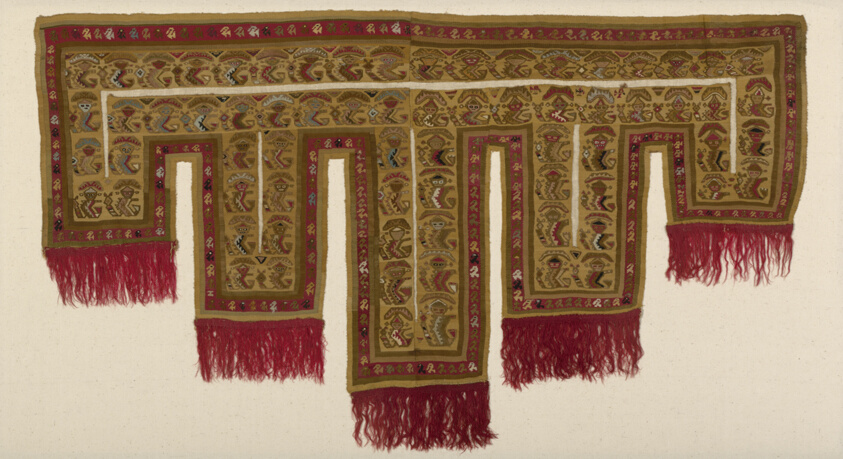
Loincloth Panel
Art Institute of Chicago
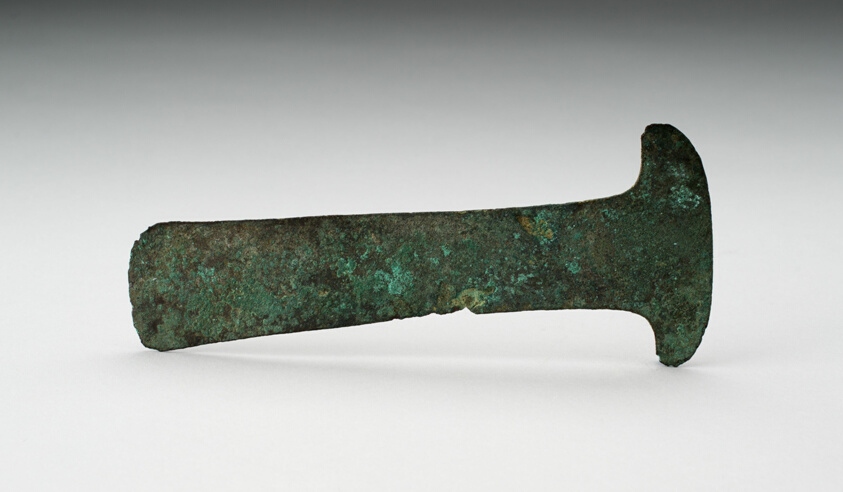
Ceremonial Knife (Tumi)
Art Institute of Chicago
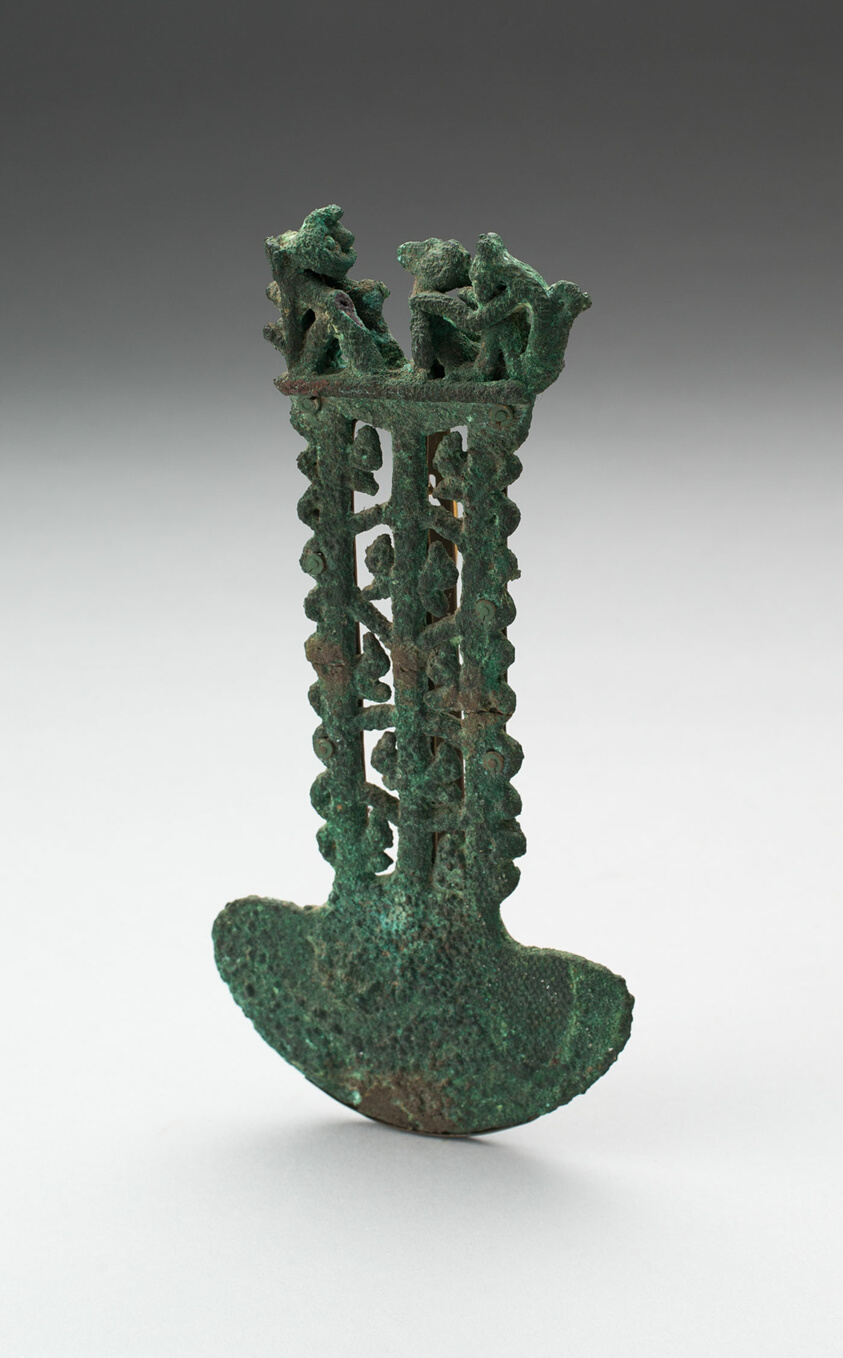
Ceremonial Knife (Tumi) With Figural Scene and Zoomorphic Figures
Art Institute of Chicago
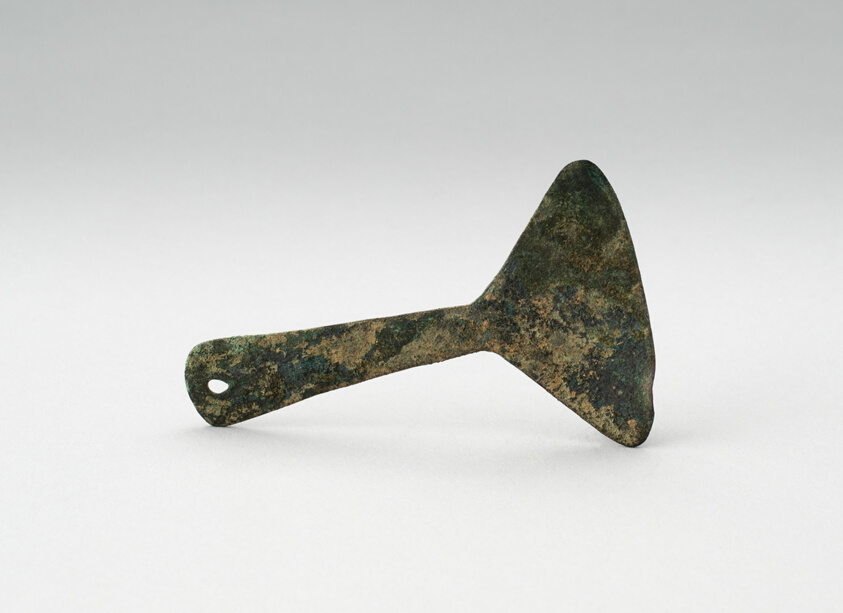
Ceremonial Knife (Tumi) or Pendant
Art Institute of Chicago

Knife (Tumi)
Minneapolis Institute of Art
Gold Tumi
The Metropolitan Museum of Art
Fragment
Art Institute of Chicago