Art Institute of Chicago
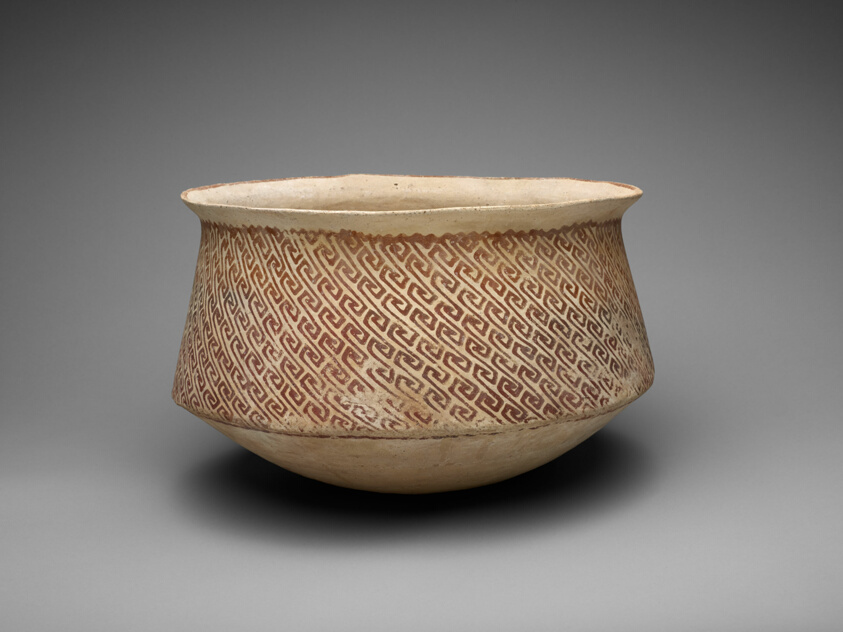
Shoulder Cauldron with Diagonal Basketry Pattern
Hohokam, Sacaton Red-on-buff
- Date
- 950–1150
- Medium
- Ceramic and pigment
- Culture
- Arizona
- Department
- Arts of the Americas
- Institution
- Art Institute of Chicago
Pottery making reached the Southwest from western Mexico. By A.D. 300, along the Gila and Salt rivers in the southern Arizona desert, the Hohokam people were building pithouse villages and irrigation canals, slowly changing their way of life from hunting and gathering to a more sedentary existence. They formed ceramic vessels by coiling clay rolls and finished them in the “paddle-and-anvil” technique, supporting the inside of a vessel with a smooth stone or fingers, while working the outer surface with a paddle. Red-painted linear designs appear to derive from older Southwestern basketry weaving; the diagonal pattern on this vessel is created by vertically linked, parallel lines of scrolls.
The authoritative record is held by Art Institute of Chicago. LinkedCulture surfaces this object and its connections; it does not alter institutional metadata.
Linked open data
Authority identifiers that link this record into the wider web of cultural data — stable references you can follow to the source.
- Object type
- AAT300386308
Related across collections
Semantically similar works from Art Institute of Chicago and other institutions.
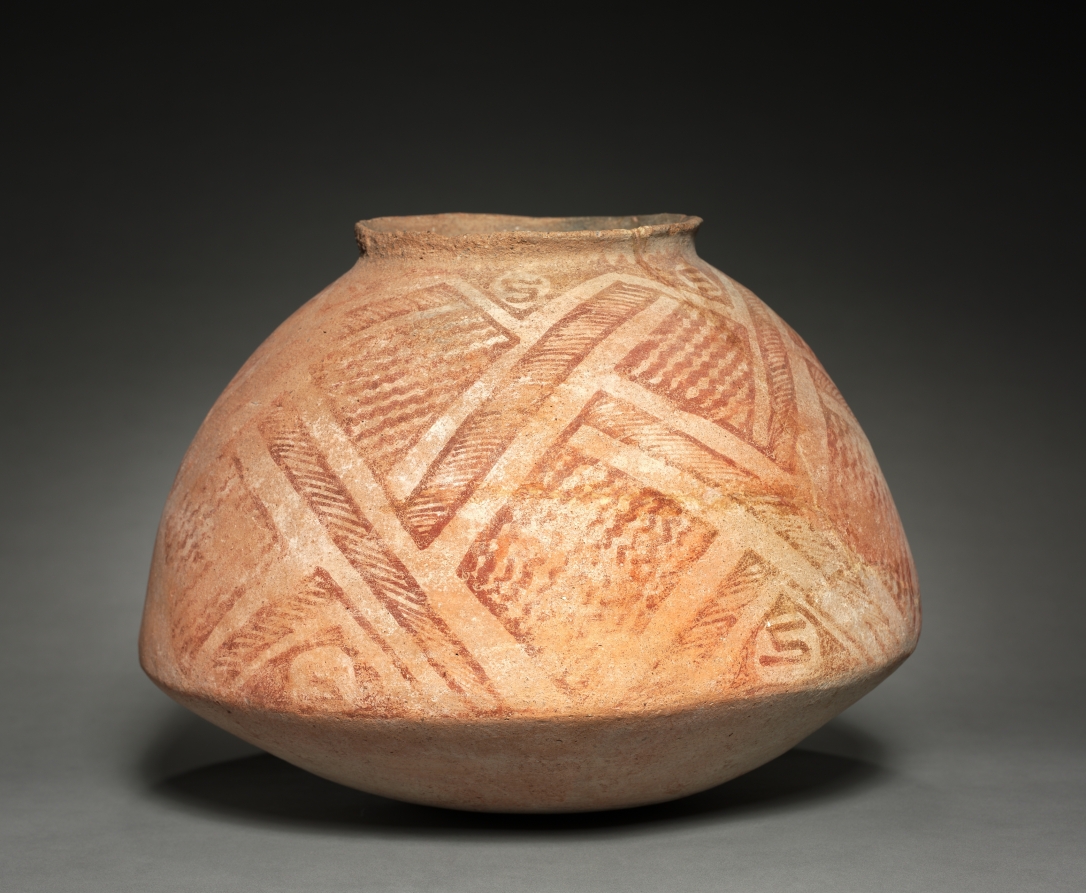
Large Storage Jar
Cleveland Museum of Art
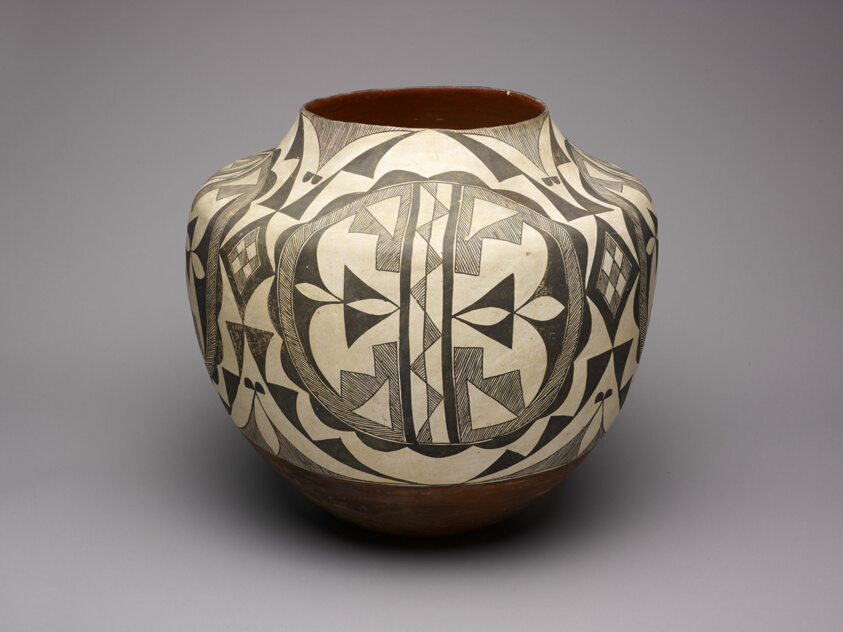
Vessel with Black-and-White Motifs
Art Institute of Chicago
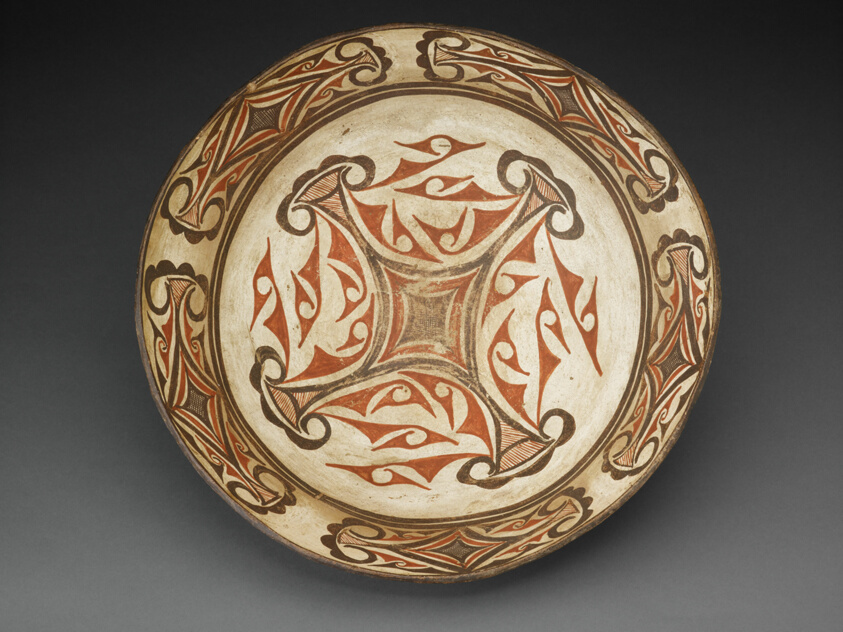
Polychrome Bowl
Art Institute of Chicago

Vessel
Minneapolis Institute of Art

Round Coiled Plaque
Minneapolis Institute of Art
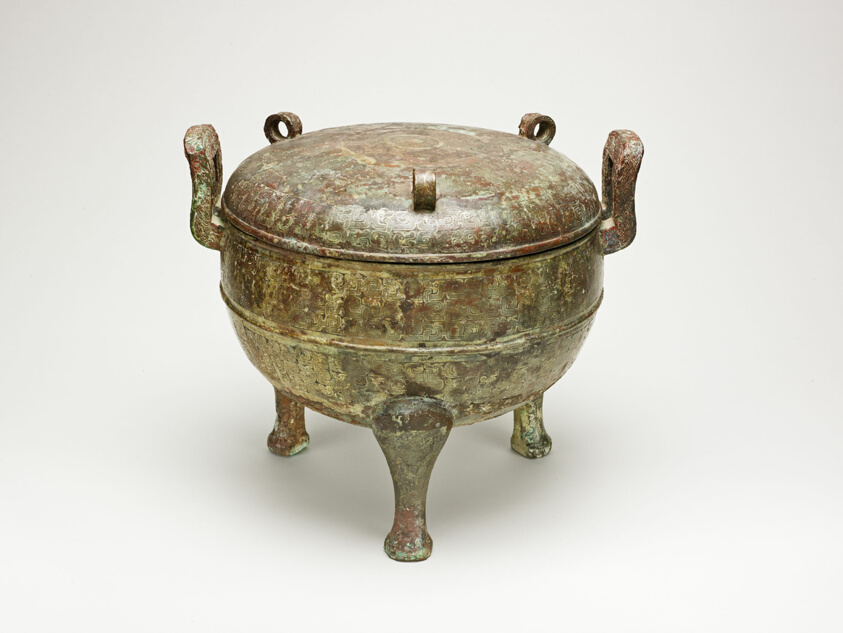
Tripod Caldron (Ding)
Art Institute of Chicago
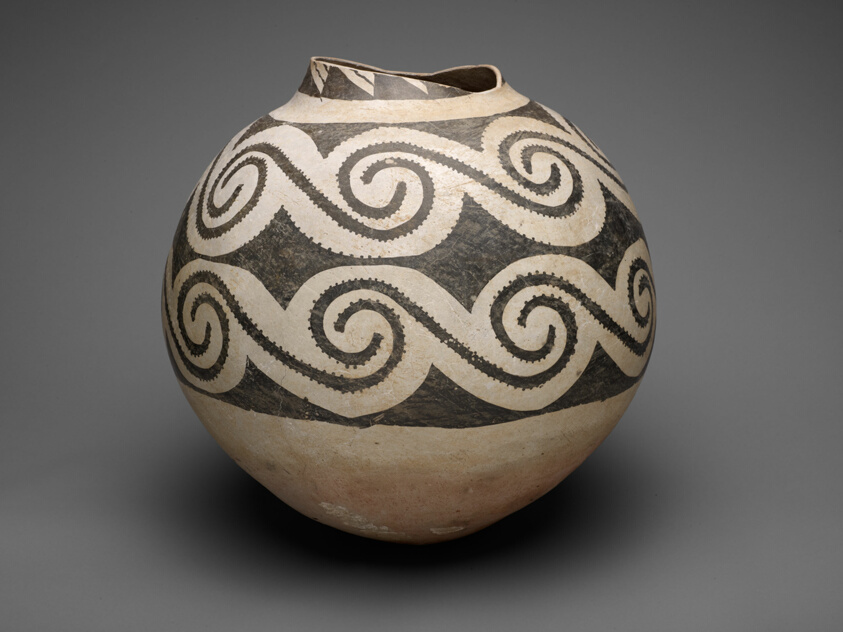
Storage Jar with Horizontal Bands of Interlocking Scrolls
Art Institute of Chicago

Bowl
Minneapolis Institute of Art

Pot (Olla)
Minneapolis Institute of Art
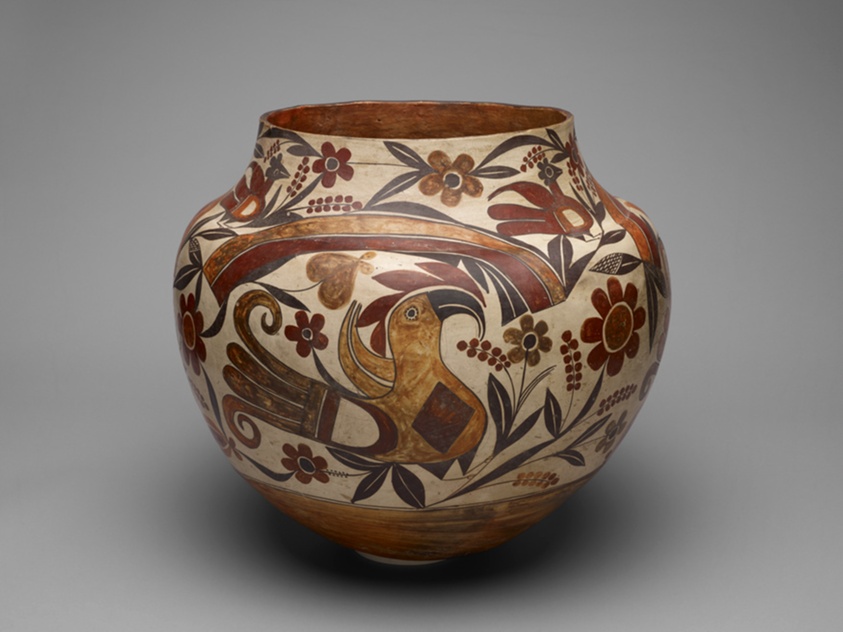
Parrot Olla
Art Institute of Chicago
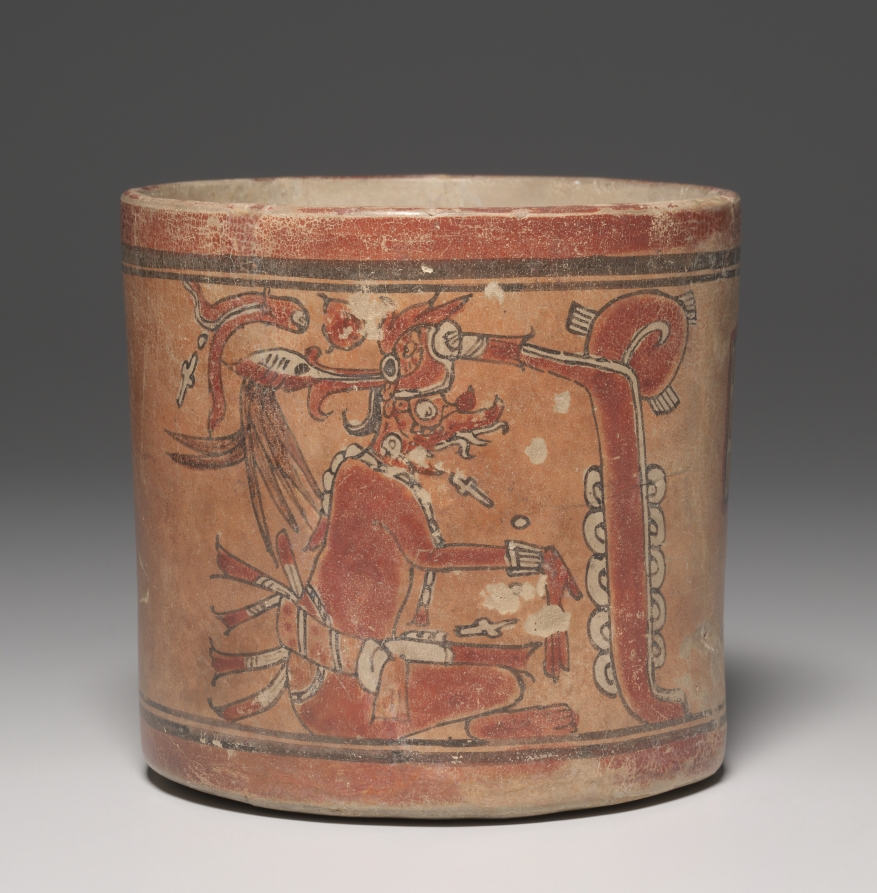
Cylinder Vessel with Deities
Cleveland Museum of Art
Jar-shaped Basket
Cleveland Museum of Art