Art Institute of Chicago
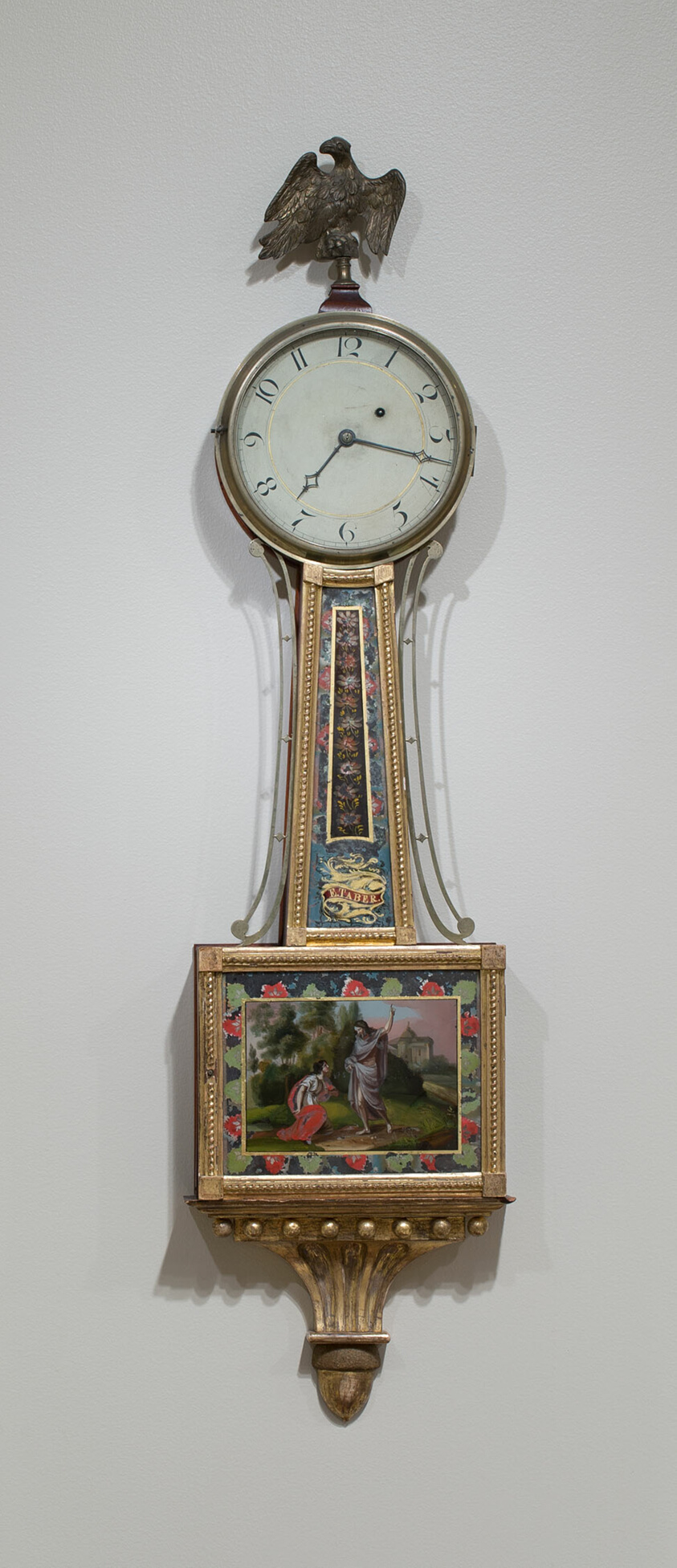
Timepiece
Works by Elnathan Taber (American, 1768–1854)
- Date
- 1802–5
- Medium
- Gilt mahogany and white pine, painted glass, gesso, iron, steel, and brass
- Culture
- Roxbury
- Department
- Arts of the Americas
- Institution
- Art Institute of Chicago
Elnathan Taber apprenticed with a member of the Willard family clockmakers of Roxbury, who dominated the clock-making industry at the turn of the 18th century. In 1801 Simon Willard patented a timepiece that hung on the wall and featured an eight-day movement with pendulum and a weight. This wall clock is also known as a banjo clock because of its shape. The painter of the glass panels is unknown but shows an unusual sophistication and subject matter. Classically-inspired themes such as these figures with a temple in the background allude to the early American republic’s self-conscious affinity with the power and democratic values of the earlier Roman republic. The timepiece was originally owned by Edward Toppan of Boston and Newburyport.
The authoritative record is held by Art Institute of Chicago. LinkedCulture surfaces this object and its connections; it does not alter institutional metadata.
Linked open data
Authority identifiers that link this record into the wider web of cultural data — stable references you can follow to the source.
- Object type
- AAT300037335
Related across collections
Semantically similar works from Art Institute of Chicago and other institutions.
Wall Clock
Art Institute of Chicago
Lighthouse Clock
Art Institute of Chicago
Wall Clock
Art Institute of Chicago

Mantel Clock (Pendule)
Getty Museum

Wall Clock (Pendule à répétition)
Getty Museum
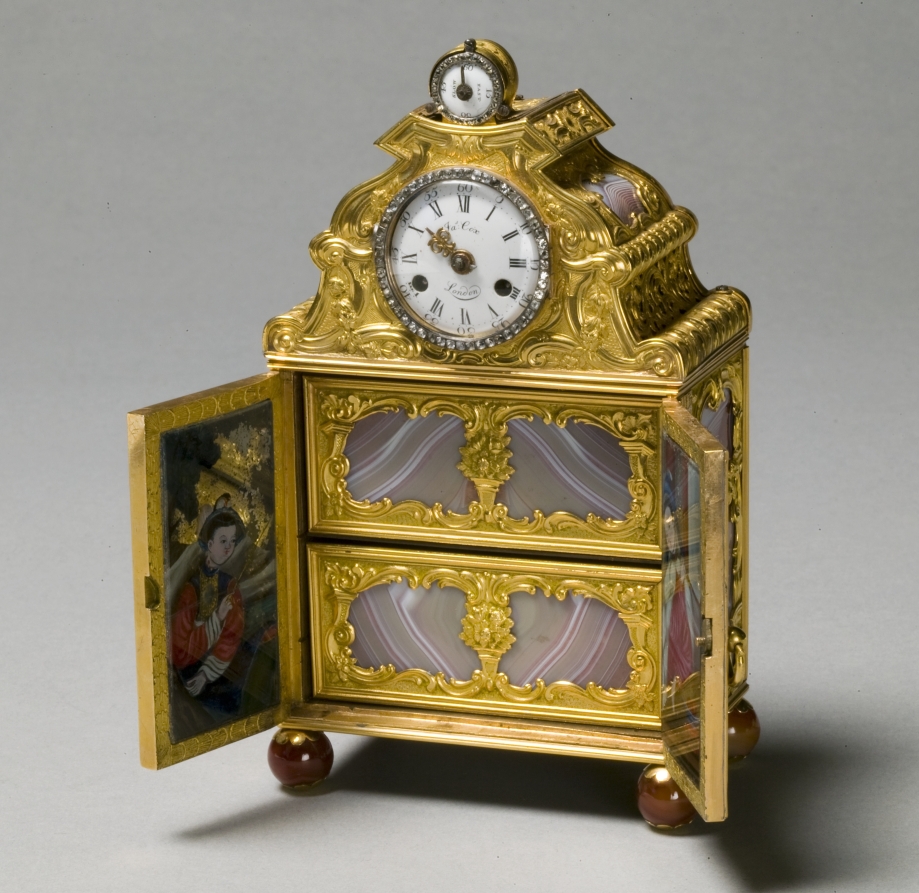
Cabinet Clock
Cleveland Museum of Art

Wall clock with bracket
Minneapolis Institute of Art

Wall Clock (pendule d'alcove)
Getty Museum

Long-case Musical Clock
Getty Museum
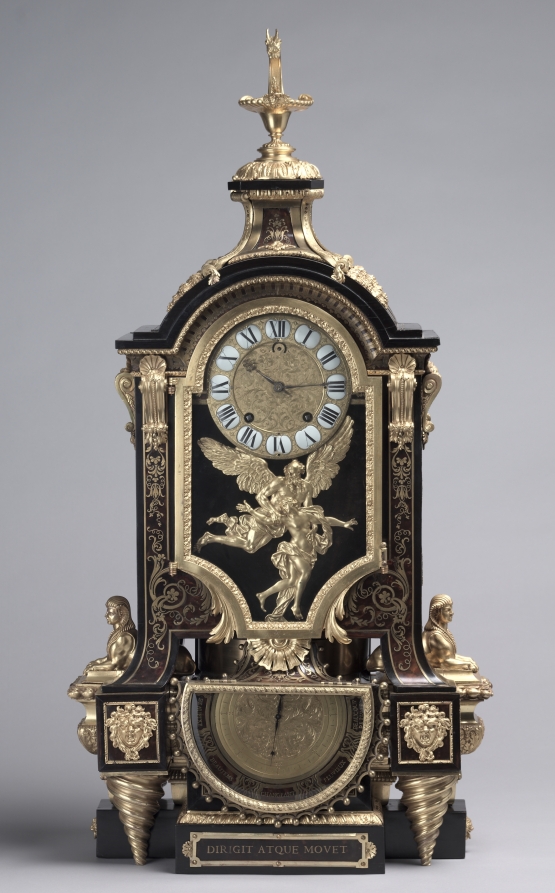
Clock
Cleveland Museum of Art

Tall case clock
Minneapolis Institute of Art

Tall Case Clock
Art Institute of Chicago