Art Institute of Chicago
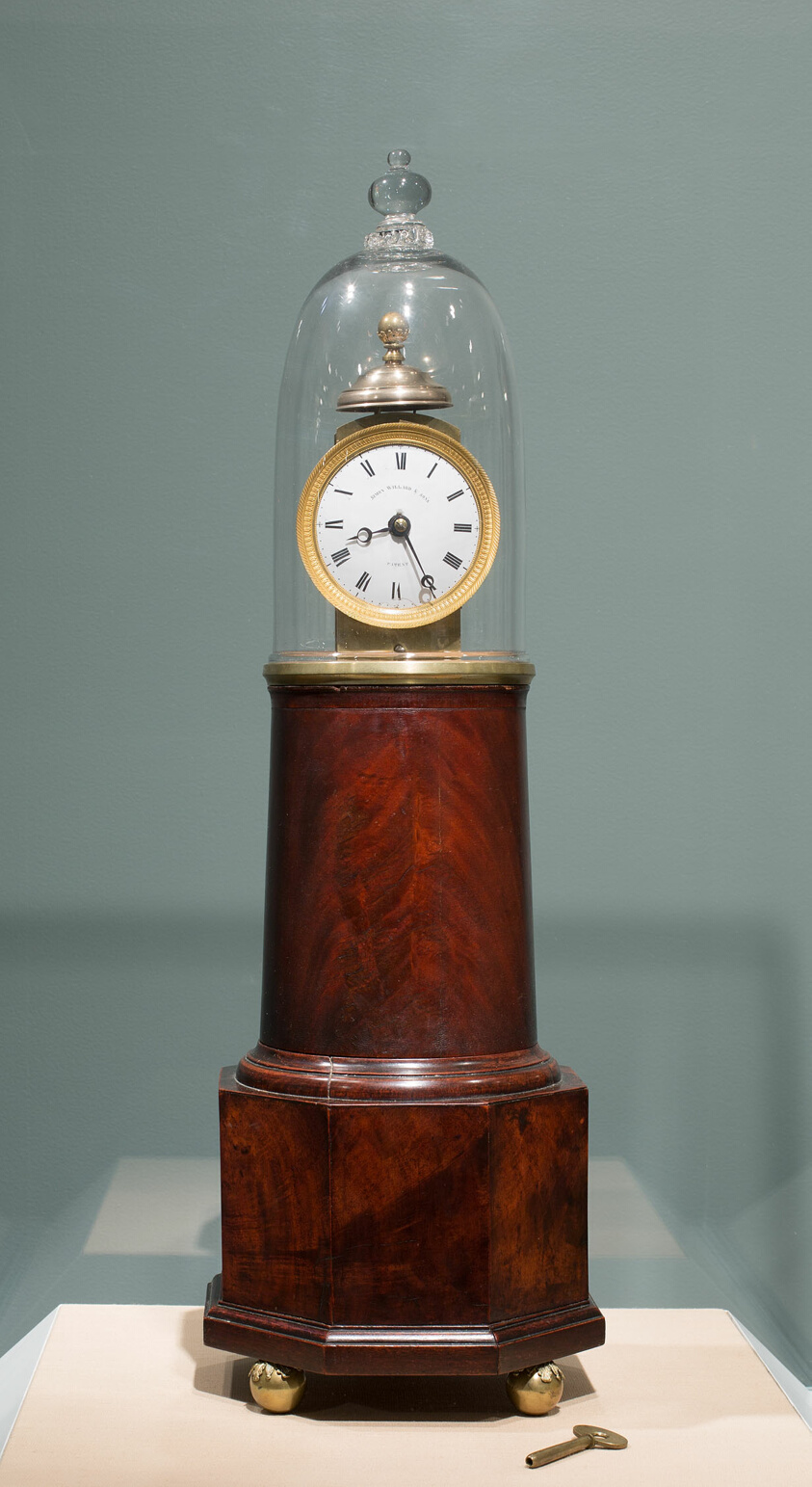
Lighthouse Clock
Simon Willard and Sons
- Date
- 1825–30
- Medium
- White pine, mahogany veneer, enamel, brass, and gilt and silver mounts
- Culture
- Roxbury
- Department
- Arts of the Americas
- Institution
- Art Institute of Chicago
In 1819 Simon Willard applied for and received a patent for the first American alarm clock. He intended for the clocks to be portable so that one could use them around the house or while traveling. Patented by Willard under the name “alarm timepiece,” clocks like this one are now referred to as lighthouse clocks for their marked similarity to the Eddystone lighthouse in the English Channel off Plymouth, England. This particular clock descended in the family of Simon Willard’s brother Aaron.
The authoritative record is held by Art Institute of Chicago. LinkedCulture surfaces this object and its connections; it does not alter institutional metadata.
Linked open data
Authority identifiers that link this record into the wider web of cultural data — stable references you can follow to the source.
- Object type
- AAT300037335
Related across collections
Semantically similar works from Art Institute of Chicago and other institutions.
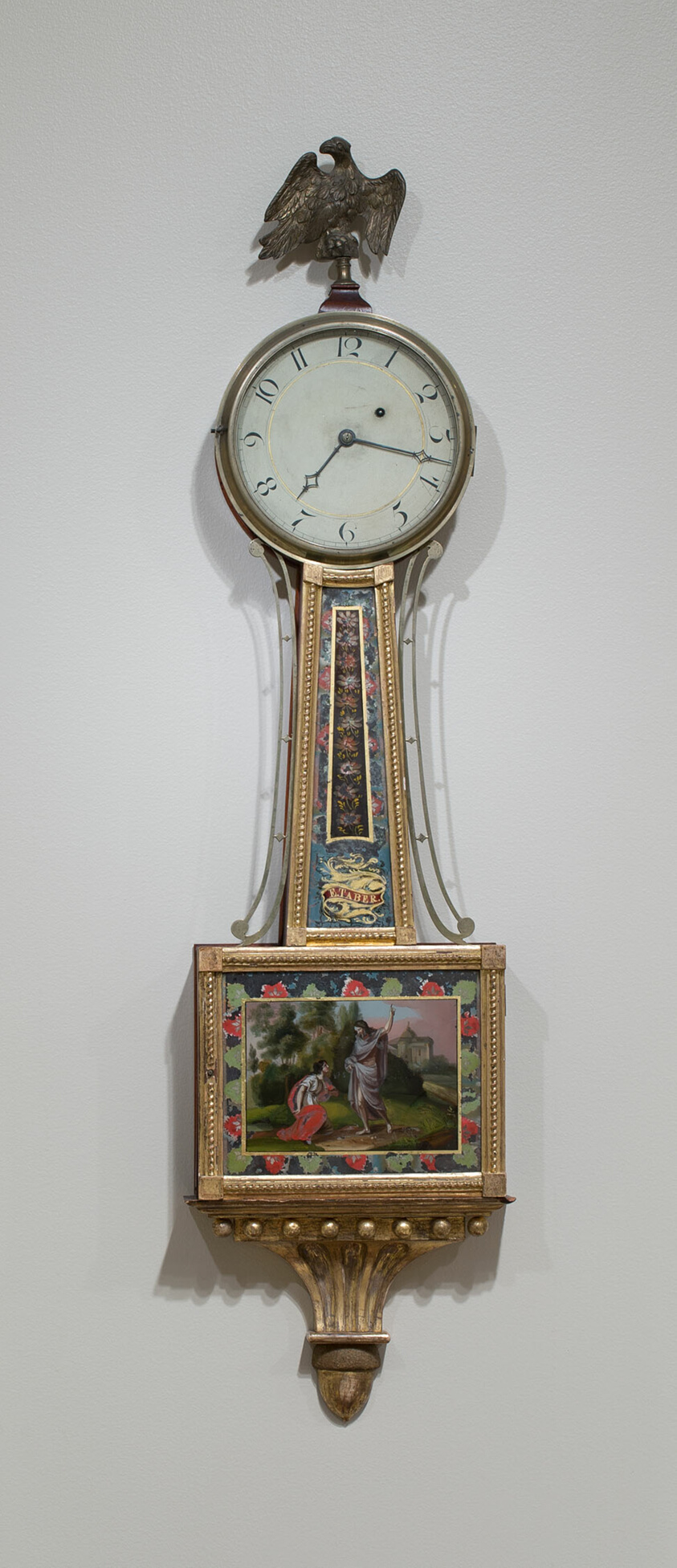
Timepiece
Art Institute of Chicago

Clock
Minneapolis Institute of Art

Longcase clock (régulateur)
Getty Museum

Tall Case Clock
Art Institute of Chicago

Tall case clock
Minneapolis Institute of Art

Wall Clock (pendule d'alcove)
Getty Museum

Wall Clock (Pendule à répétition)
Getty Museum
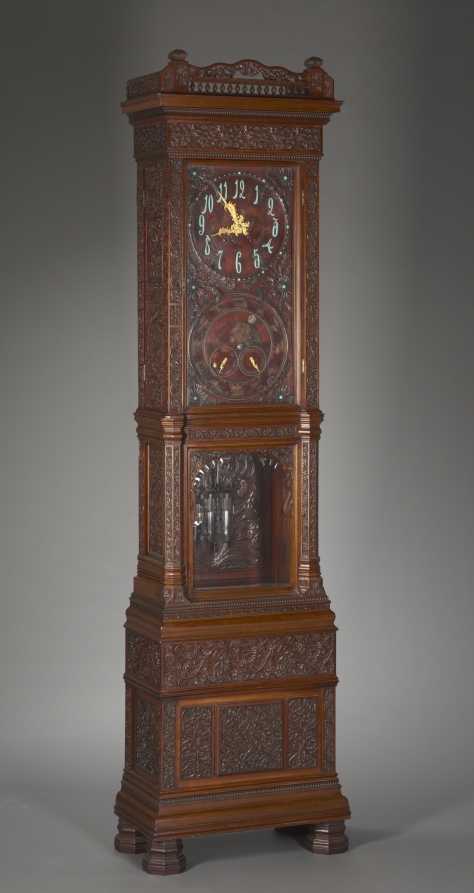
Tall Clock
Cleveland Museum of Art
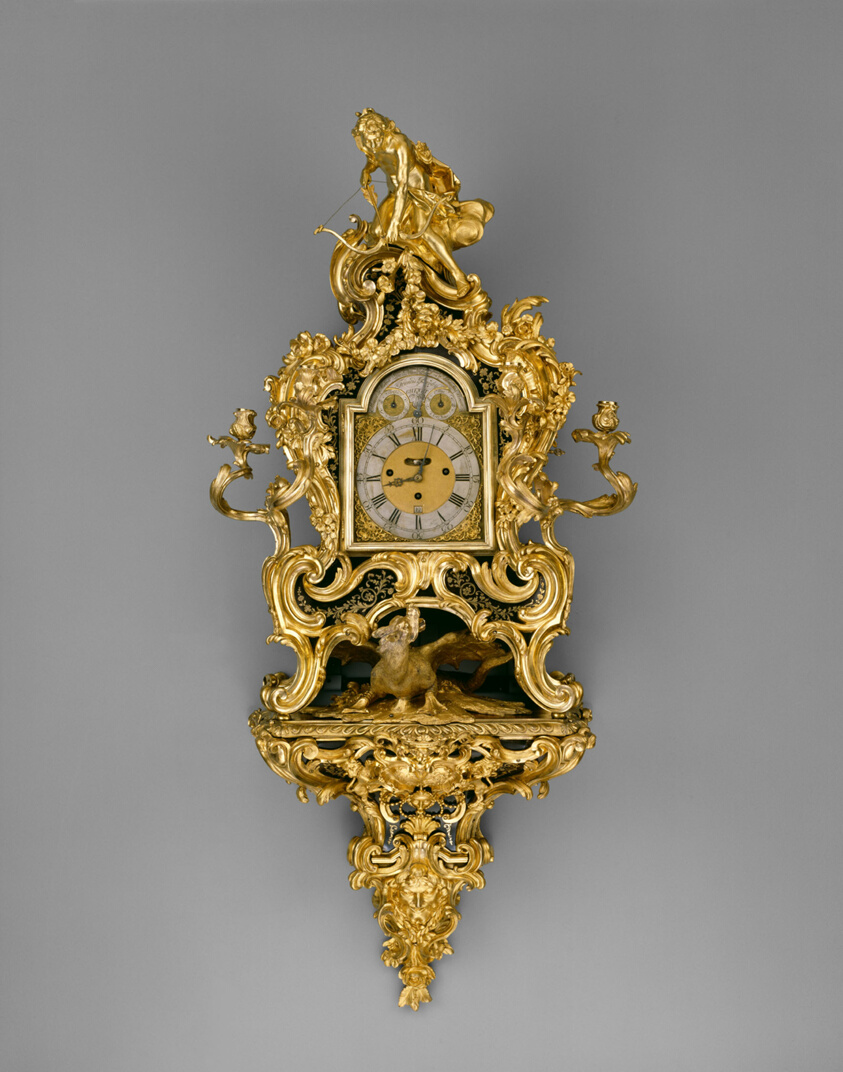
Wall Clock
Art Institute of Chicago
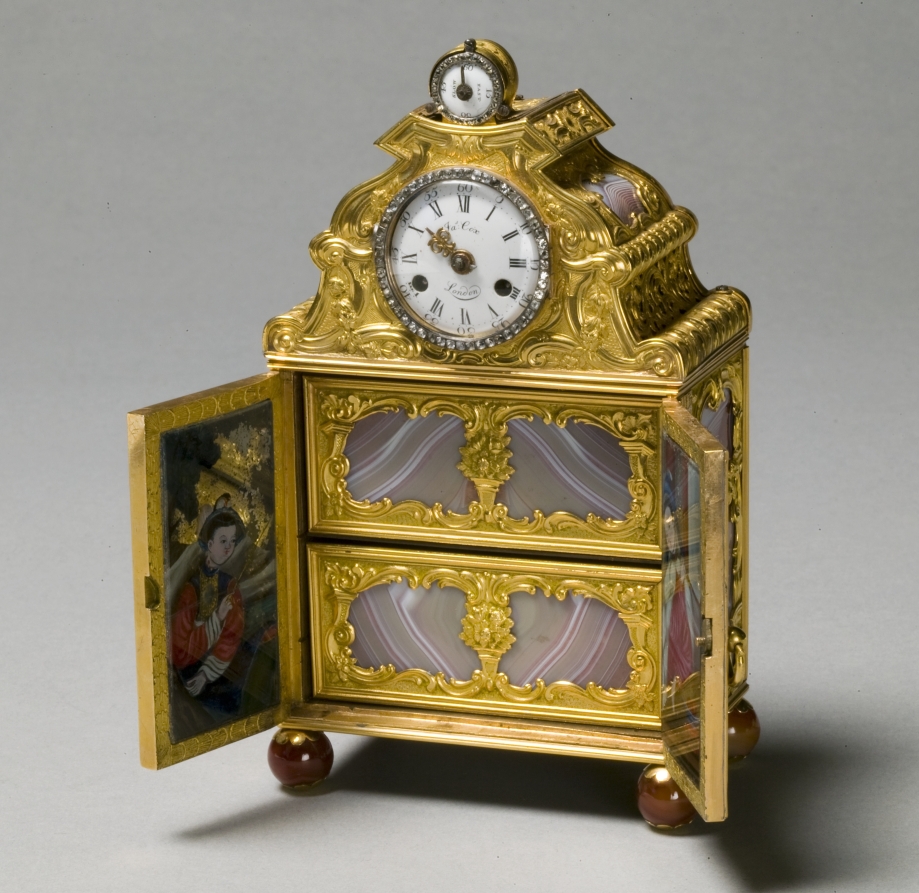
Cabinet Clock
Cleveland Museum of Art
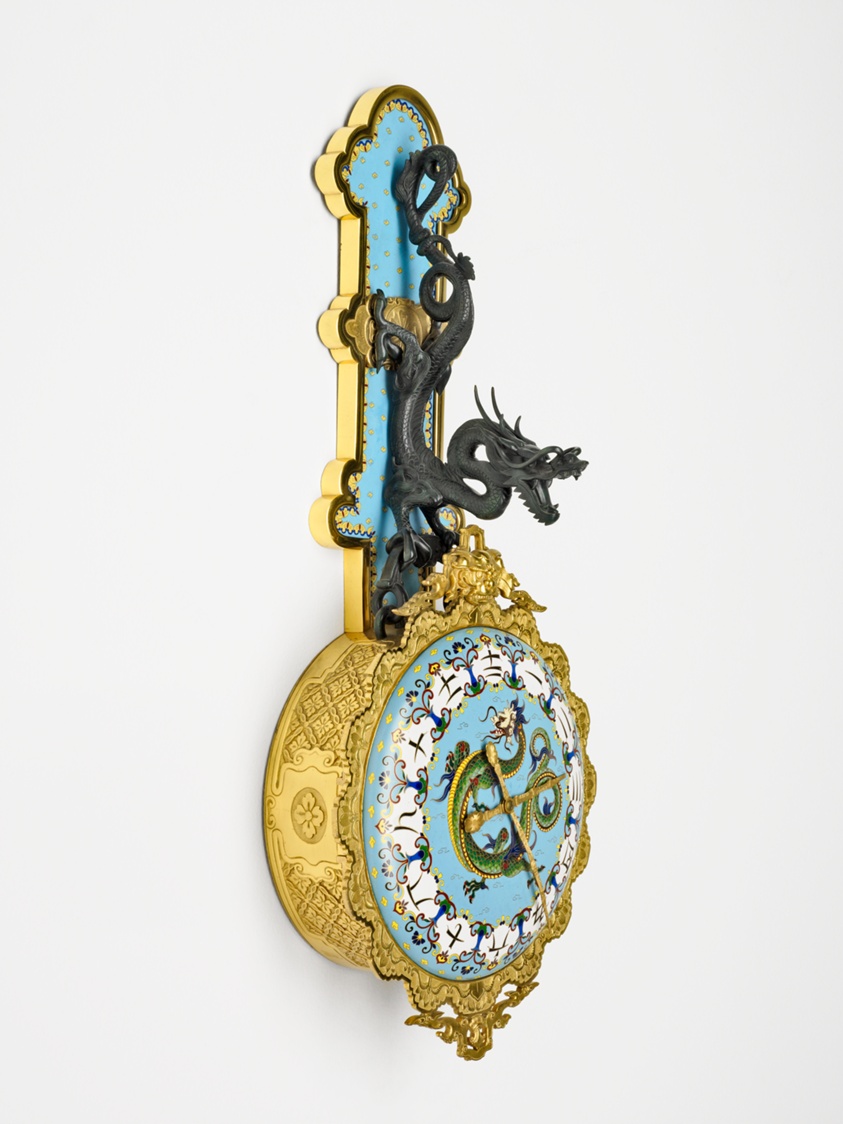
Wall Clock
Art Institute of Chicago

Mantel clock
Minneapolis Institute of Art