Art Institute of Chicago
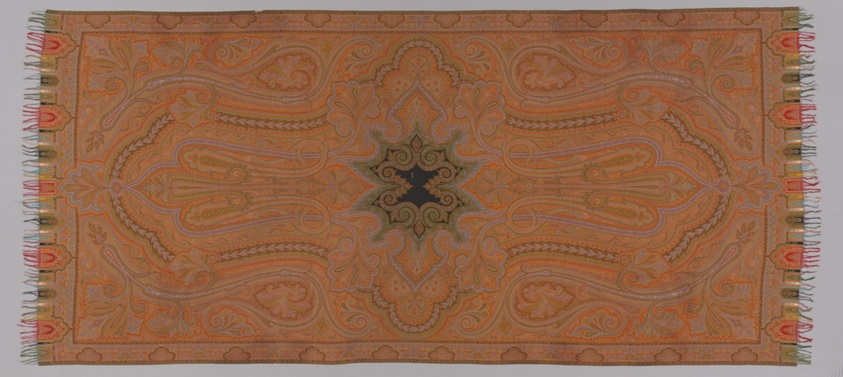
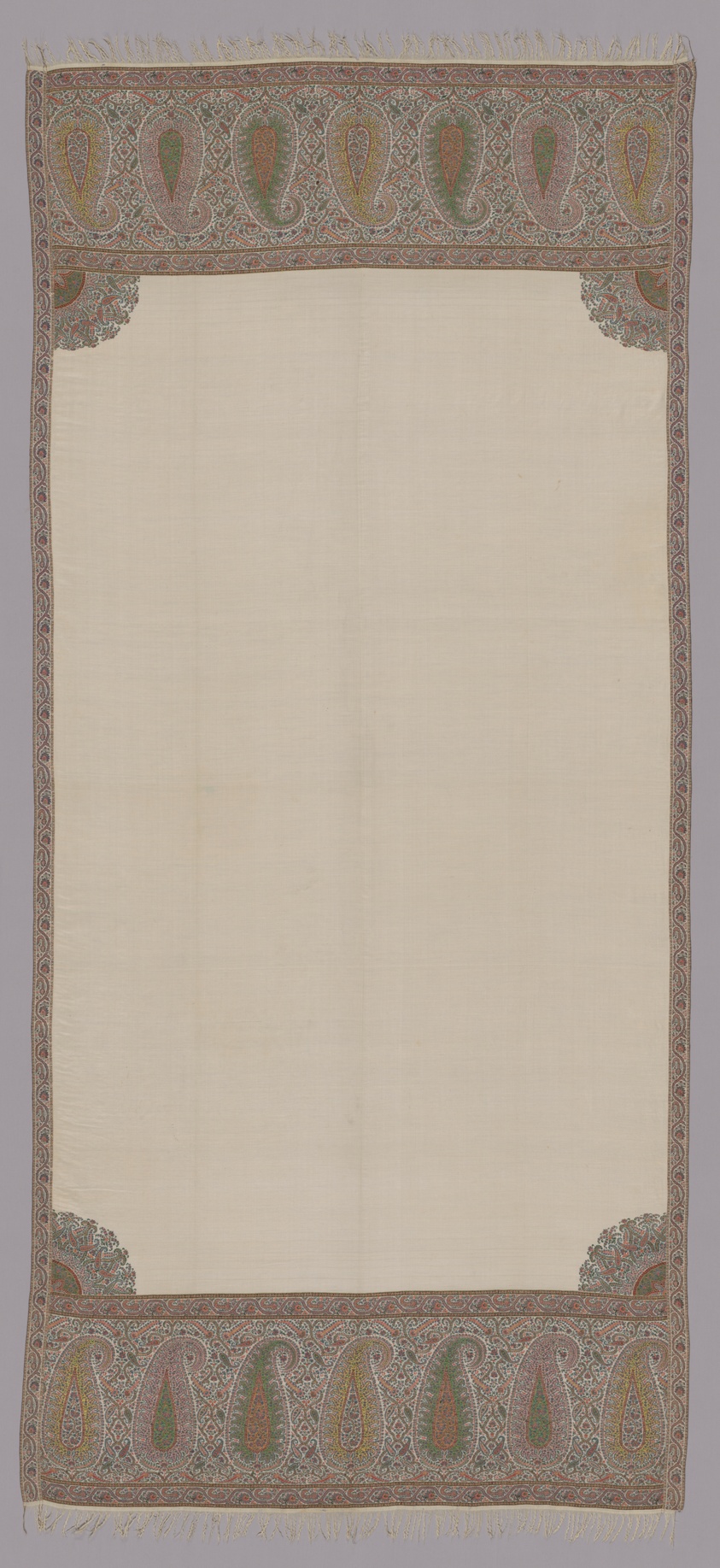
Woman's Long Shawl
Probably France
- Date
- 1870s
- Medium
- Wool and cotton, warp threads dyed in multiple colors prior to weaving; center of warp-float faced 1:2 'Z' twill weave; patterned areas of two layers, plain weave and plain weave with seven-color complementary wefts, floats trimmed on reverse; knotted main warp fringe; woven on loom with Jacquard attachment; two selvages present
- Culture
- France
- Department
- Textiles
- Institution
- Art Institute of Chicago
These boldly patterned shawls illustrate the broad appeal of the buta , or paisley, pattern. The Jacquard mechanism, a patterning technology introduced in the first decade of the 1800s, enabled European manufacturers to create increasingly complex variations on the paisley motif. Although this technology allowed for faster weaving, European companies never successfully reproduced the delicacy of the hand-woven shawls from Kashmir. British- and French-made shawls tended to be thicker and heavier and the designs were arguably less refined than the original Kashmir garments.
The authoritative record is held by Art Institute of Chicago. LinkedCulture surfaces this object and its connections; it does not alter institutional metadata.
Linked open data
Authority identifiers that link this record into the wider web of cultural data — stable references you can follow to the source.
- Object type
- AAT300209261
Related across collections
Semantically similar works from Art Institute of Chicago and other institutions.
Woman's Long Shawl
Art Institute of Chicago
Palledar (Long Shawl)
Art Institute of Chicago
Shawl Border (Pallu)
Art Institute of Chicago
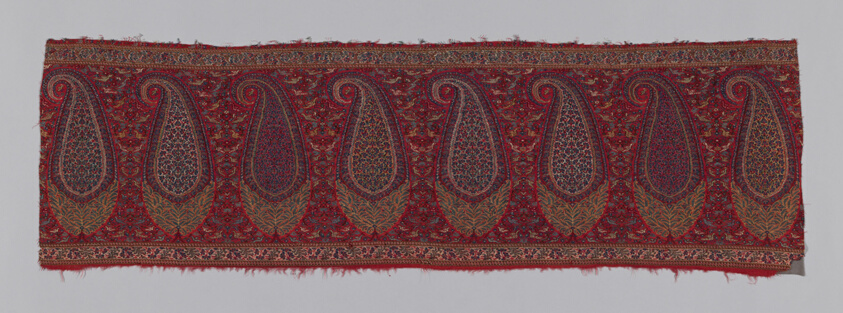
Shawl Border (Pallu)
Art Institute of Chicago

Shawl
Minneapolis Institute of Art
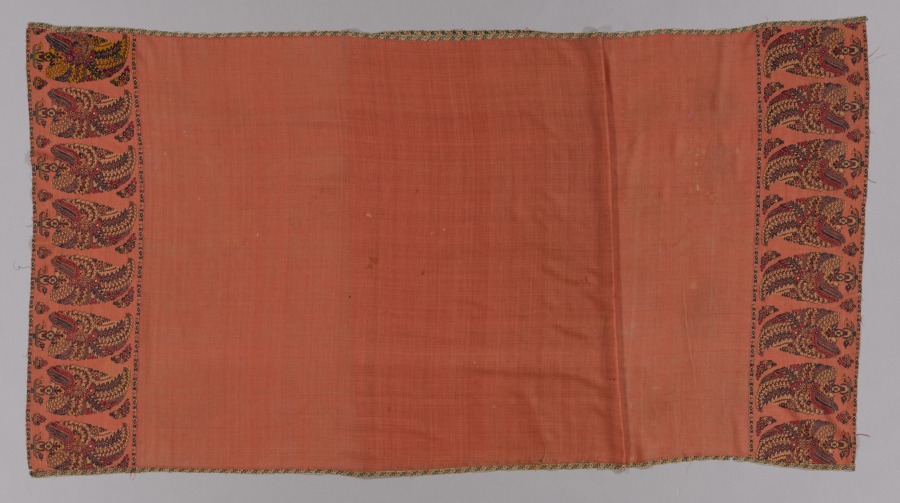
Apricot Long Shawl
Cleveland Museum of Art
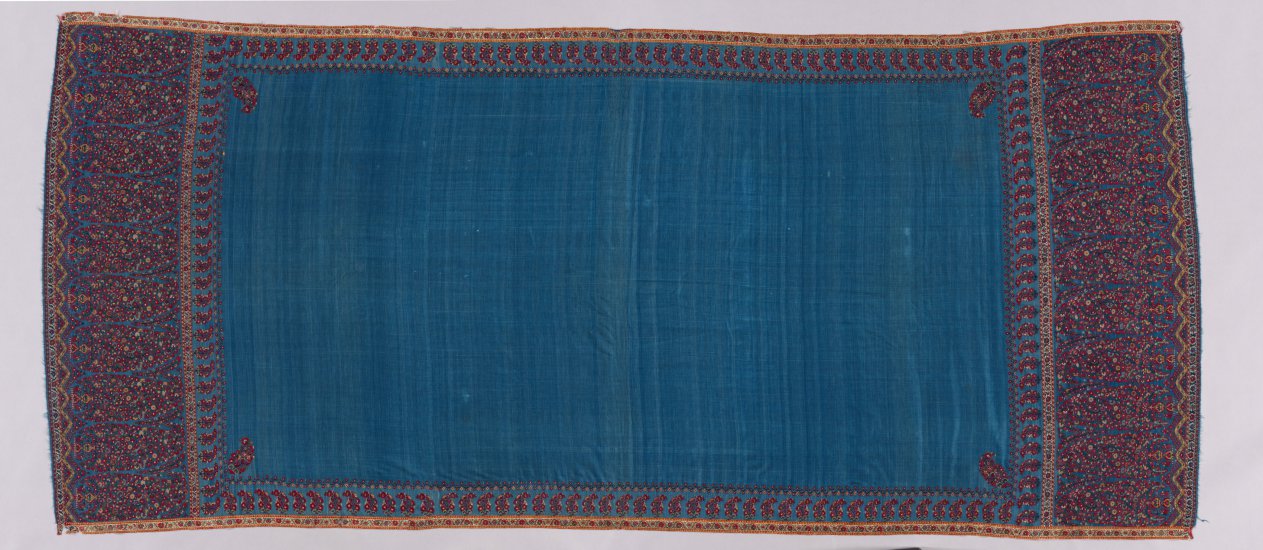
Shawl with boteh
Cleveland Museum of Art
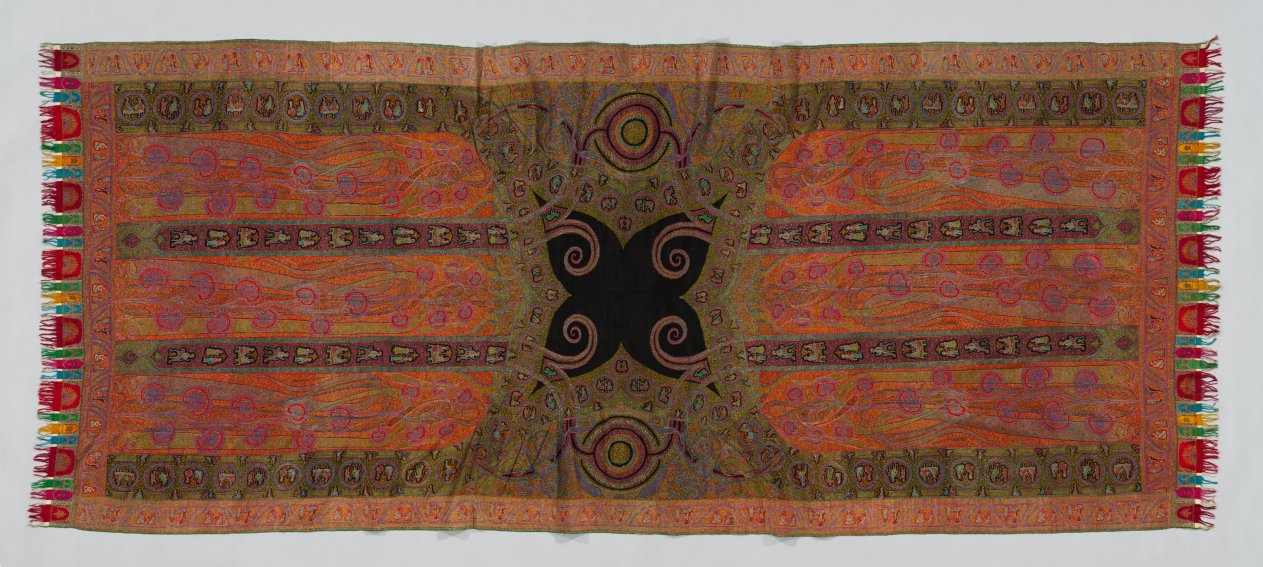
Long shawl with woven figures and animals
Cleveland Museum of Art
Long Shawl
Art Institute of Chicago

Shawl
Minneapolis Institute of Art
Long Stole
Art Institute of Chicago
Square Shawl
Cleveland Museum of Art